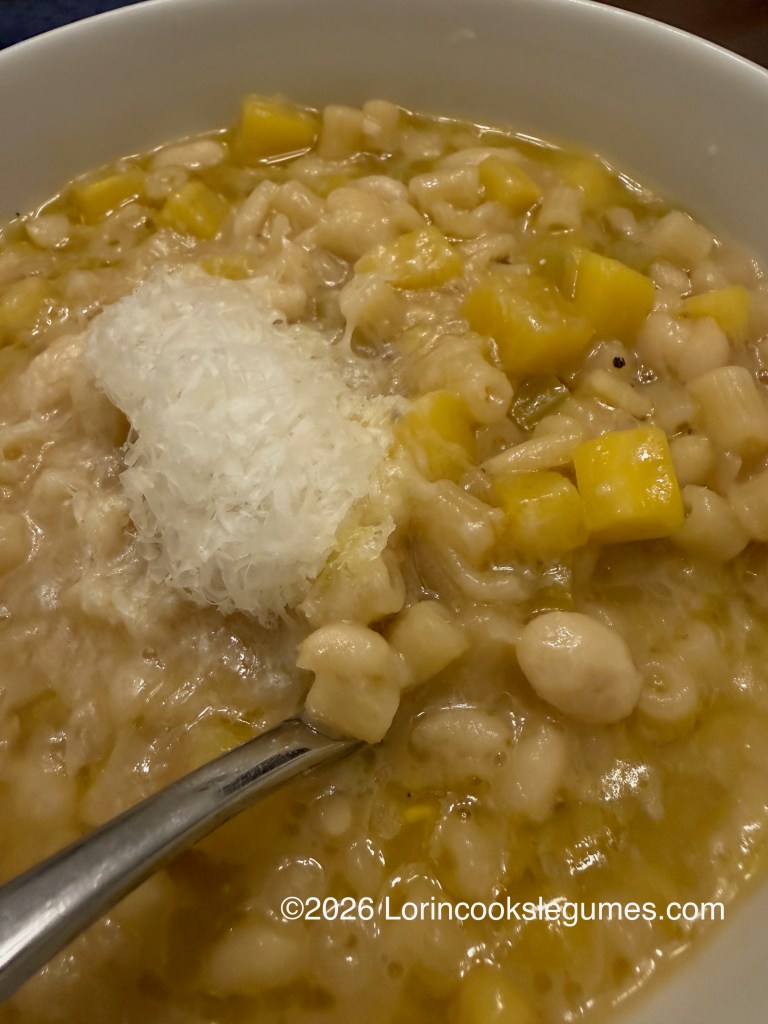
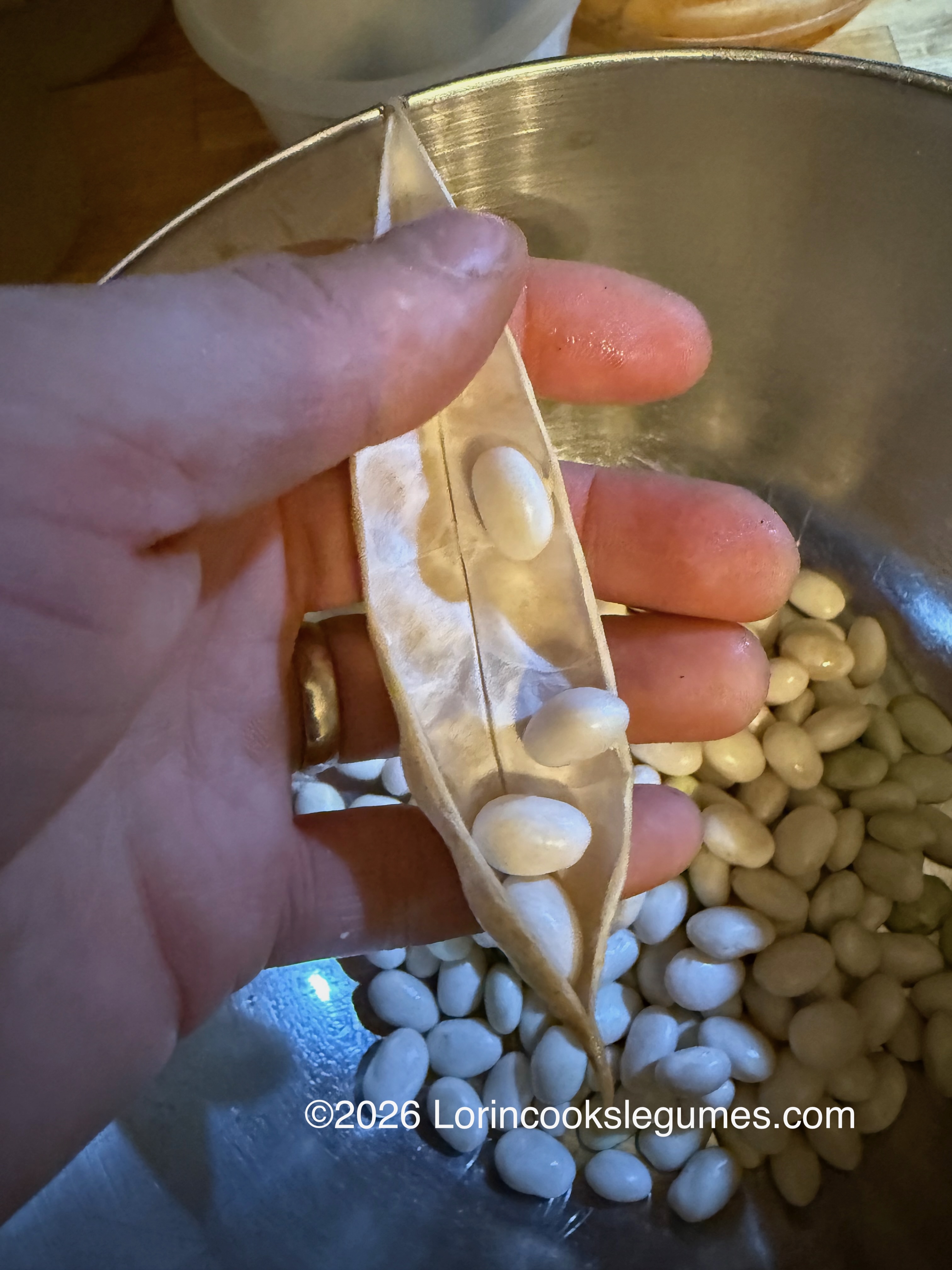
According to Vincenzo Buonassisi, pasta e fagioli sgranati (sgranati means ‘shelled’) is a Neapolitan variant using fresh beans which must be shelled before use.
https://en.wikipedia.org/wiki/Pasta_e_fagioli
When I Googled “pasta e fagioli sgranati”, the above Wikipedia quote is literally the only hit that referenced the word sgranati on the first page of results, so I’m not sure if they are misquoting Mr. Buonassisi, or if his sources aren’t particularly up to date or reliable. Given that I couldn’t find any recipes online using that name, I expected the citation for that quote to be a book from the 1930s or something, but no, It’s a book called The Pasta Codex, published in 2020. Seems like maybe he got a name that one family used and didn’t check up on what other people call the dish.
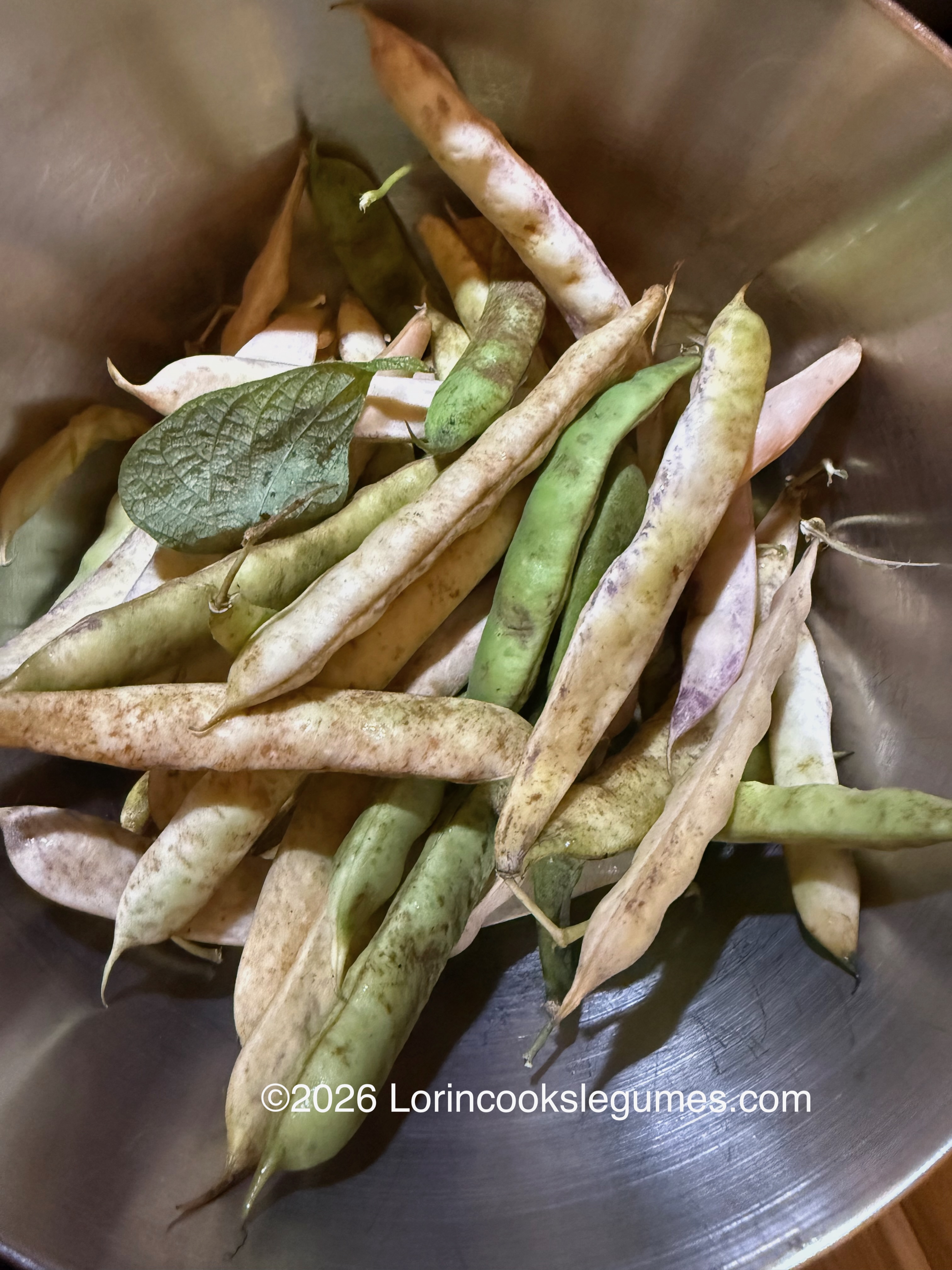
What does come up for that search is lots of recipes for “pasta e fagioli freschi”. By either name, it’s a version of pasta e fagioli that is made with beans that are harvested “demi-sec”, when the seed is fully formed but not yet dry.
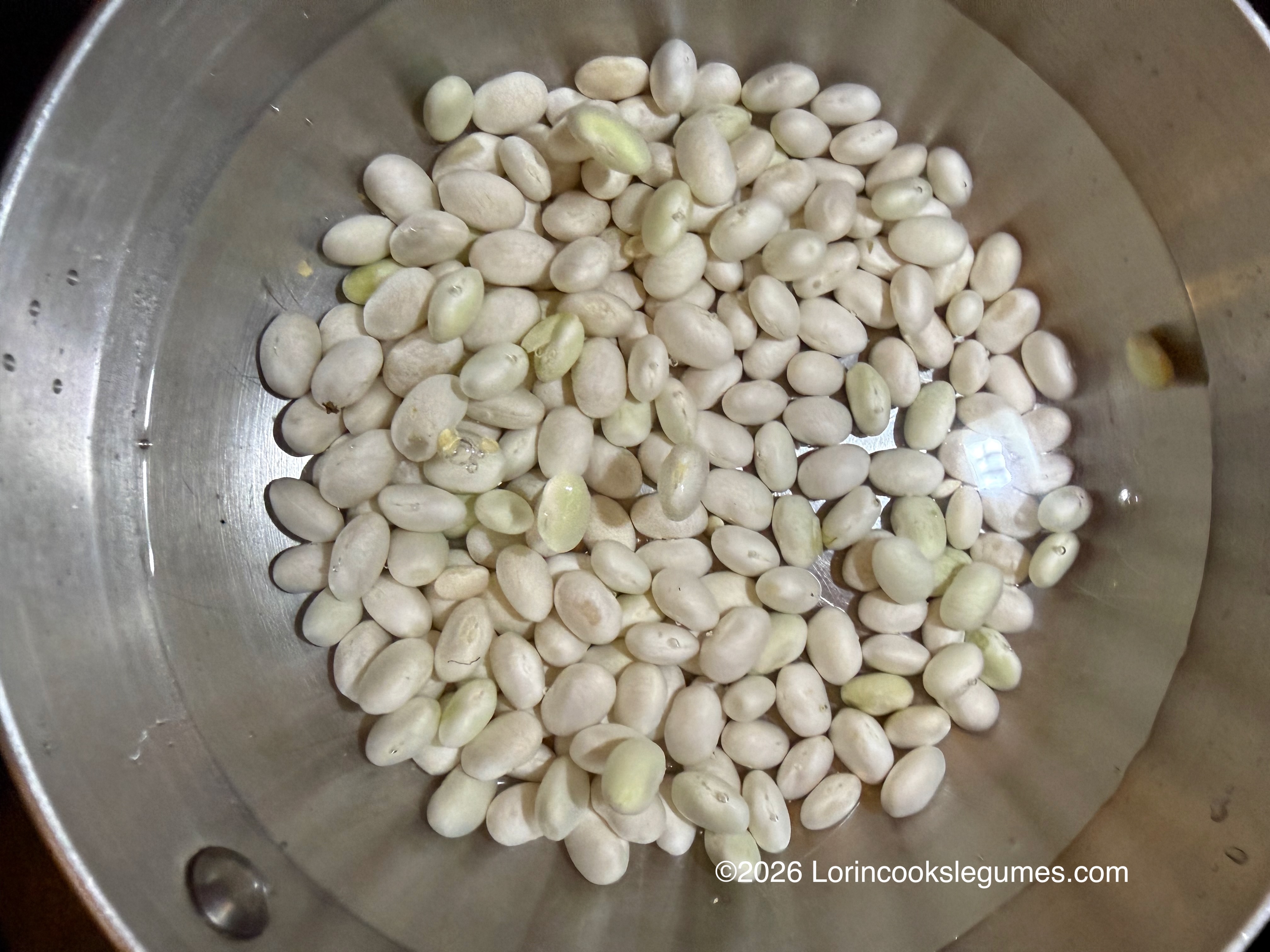
Traditionally, this would be made with barlotti beans, aka cranberry beans, but I used coco de Paimpol beans. I first wrote about cocos de Paimpol back in 2021, at which time I couldn’t find a source for the coco beans and wound up using Spanish faba beans for my recipe. Fast forward to last winter, when I got an email from a reader of this blog asking if I was interested in some coco de Paimpol seeds! I, of course, said yes, and they sent me a whole pound of beans! I grew some of them this summer, and they just happened to be ready to harvest right around the time I was ready to do this recipe!
Coco de Paimpol is a variety of white bean that is usually harvested demi-sec, and has a bit of a cult following in France, to the extent that they can only legally be called coco de Paimpol if they are grown near the village of Paimpol. Pretty impressive for a variety that was only introduced to France about 100 years ago. I guess that means I should be calling my beans cocos de Duluth? They’re not the traditional bean for this dish, but they were quite tasty! Thanks again to GR for the seeds!
If you haven’t grown your own shelling beans, check your local farmers’ market. Norwich Meadows Farms* in New York ships fresh barlotti beans nationwide when they’re in season (late summer-early fall). (Note that I haven’t actually purchased from them, so won’t vouch for their quality.)
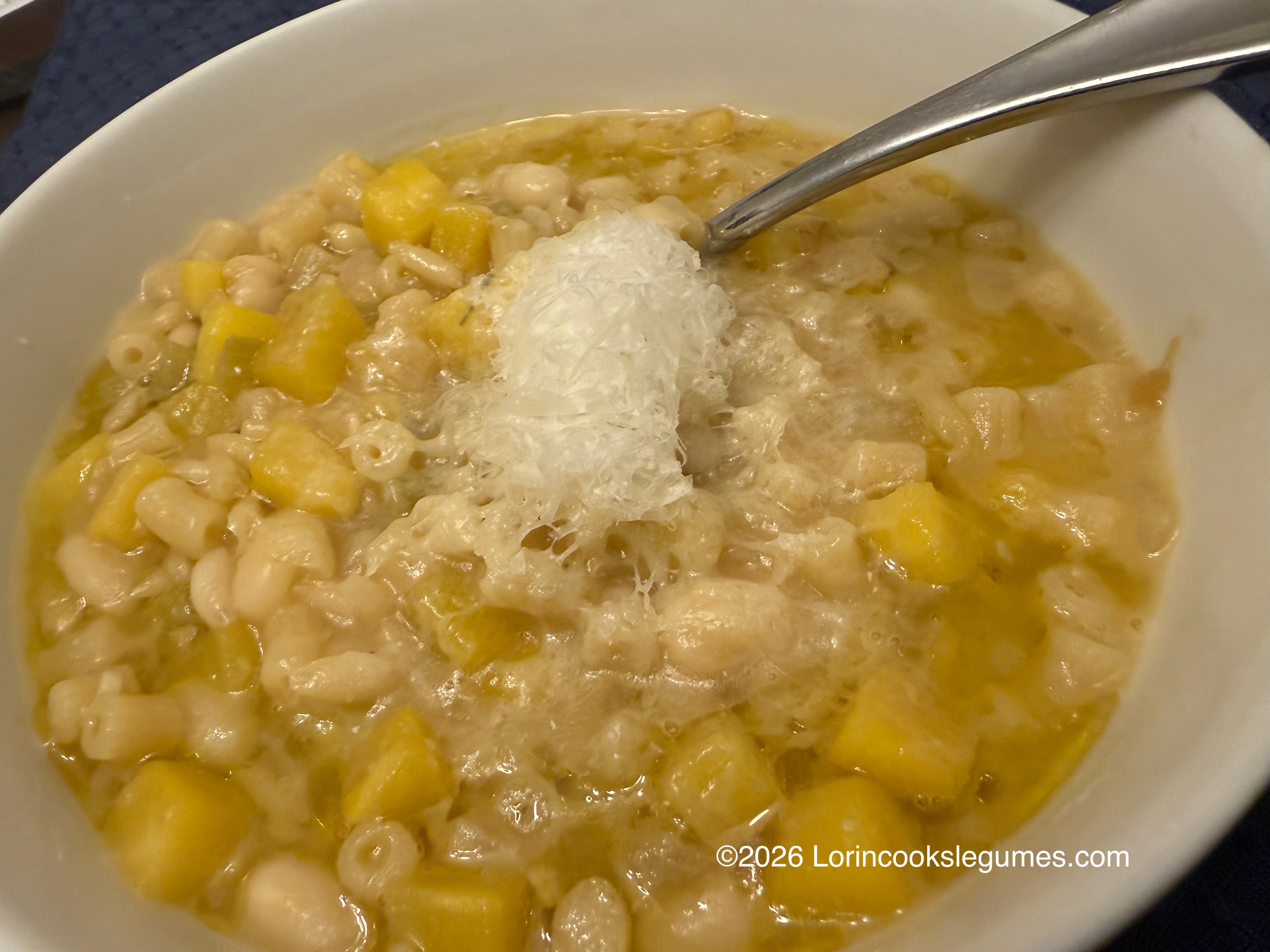
The only real mark against the coco beans for this recipe is that there’s no color contrast between beans and pasta, which was heightened by the fact that I also used a yellow carrot (also from my garden), so it was pretty much a beige dish across the board.
Compared with my other pasta e fagioli recipe, this one really pares it down to the basics, letting the fresh beans shine as the star of the show. You could certainly add some tomato or other herbs if you like, but I don’t think it really needs it.
Pasta e Fagioli Freschi
Serves: 2-3
Prep: 15 minutes
Cook: 1-2 hours, depending on the maturity of the beans
Total: 1:15-2:15
(As an Amazon Associate, I earn from qualifying purchases.)
¾ lb. fresh beans, shelled (about 6 oz. beans after podding)
⅔-liter water
Extra virgin olive oil
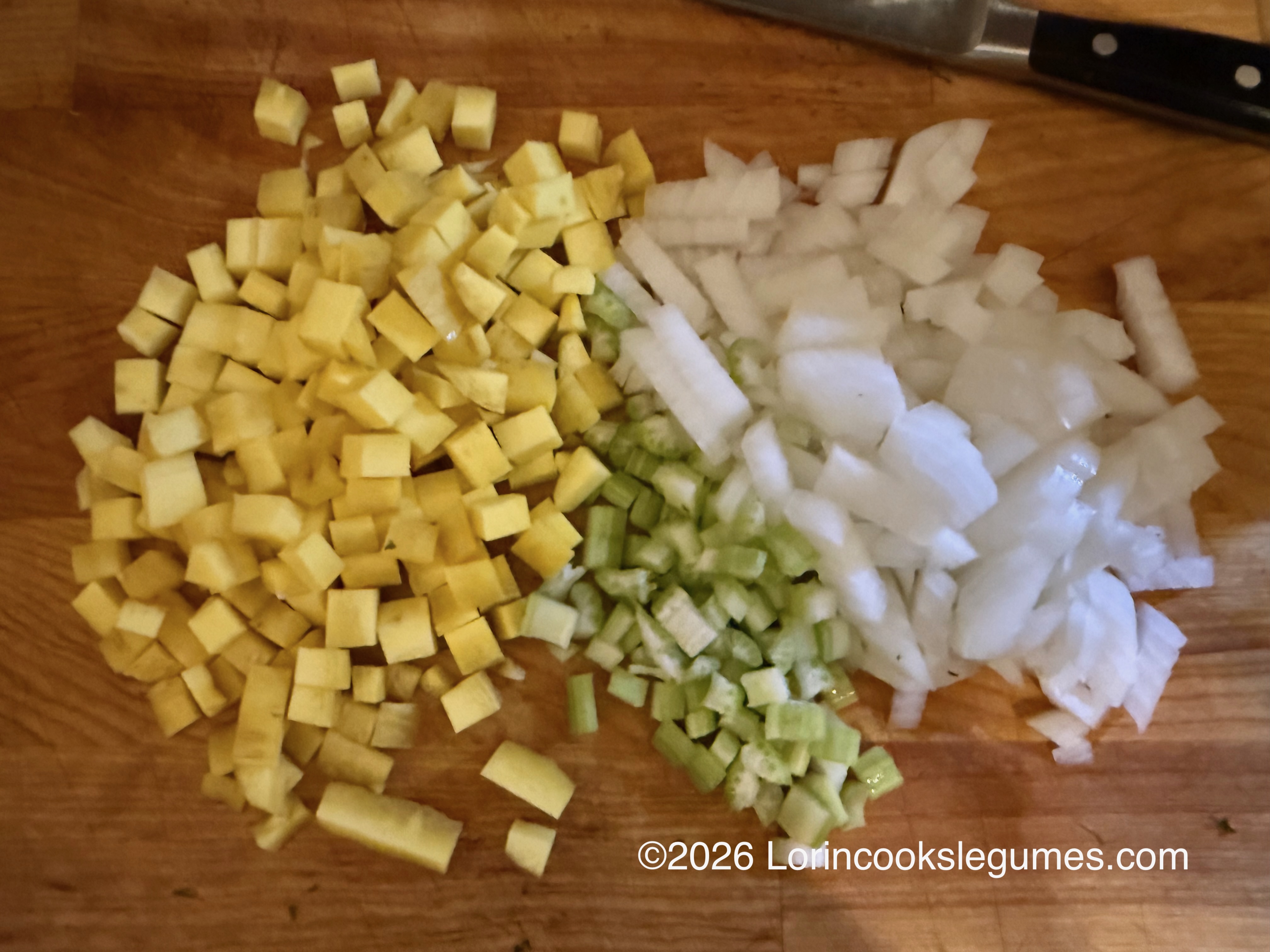
1 onion, diced
1 stalk celery, diced
1 carrot, large dice
Salt, to taste
1-2 cloves garlic, minced
Black pepper, to taste
1 ⅔ cups vegetable broth
¼ lb. small pasta
Parmigiano-Reggiano, to taste
Optional:
3 small slices guanciale
1 Tablespoon tomato paste
1 piece parmesan rind
1 bay leaf
4 sage leaves
1 Tablespoon Italian parsley
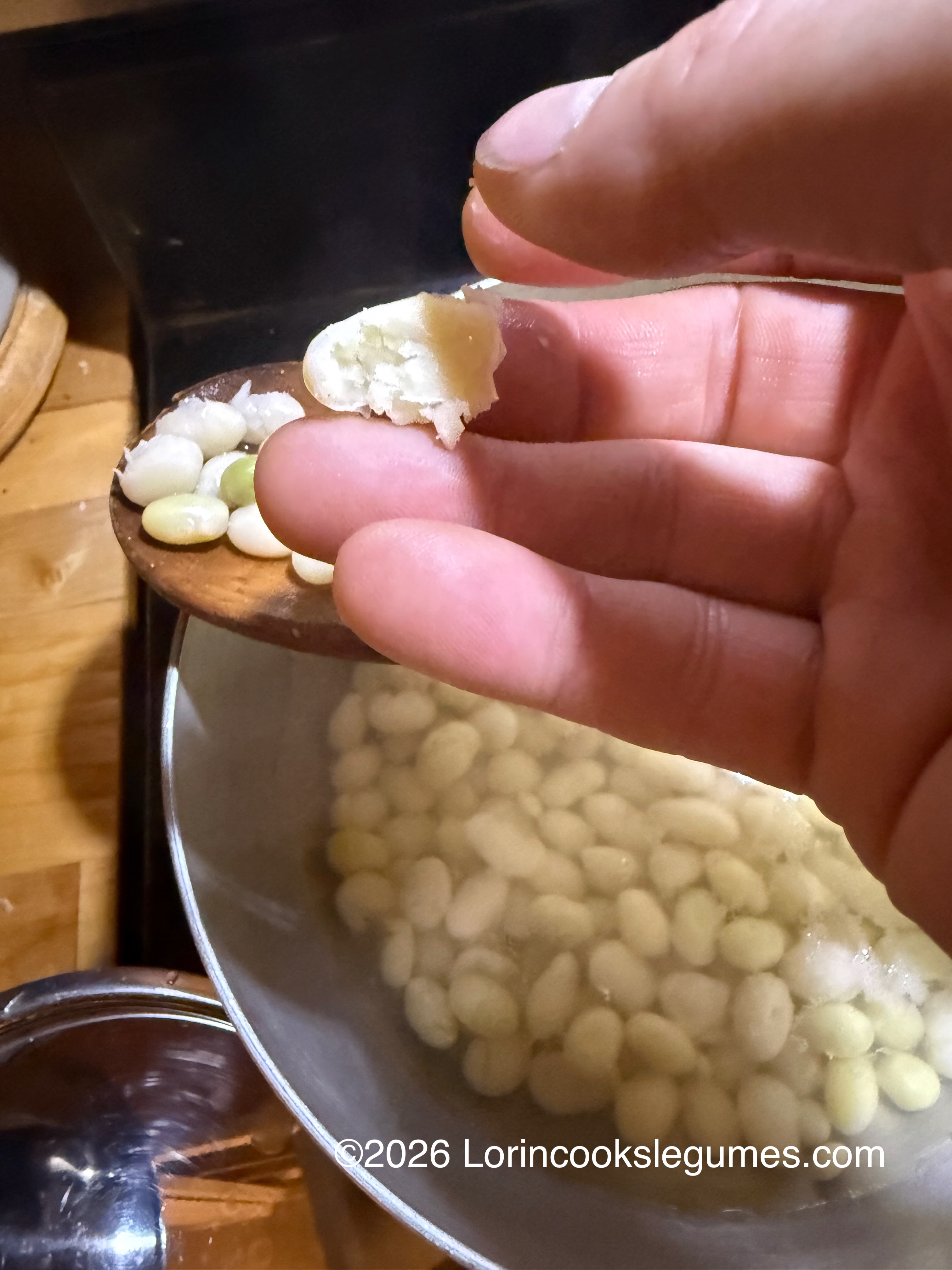
Combine the shelled beans and water in a small pot and bring to a boil. Reduce heat and simmer, covered, until beans are tender, 20 minutes to 1 hour, depending on the maturity of the beans.
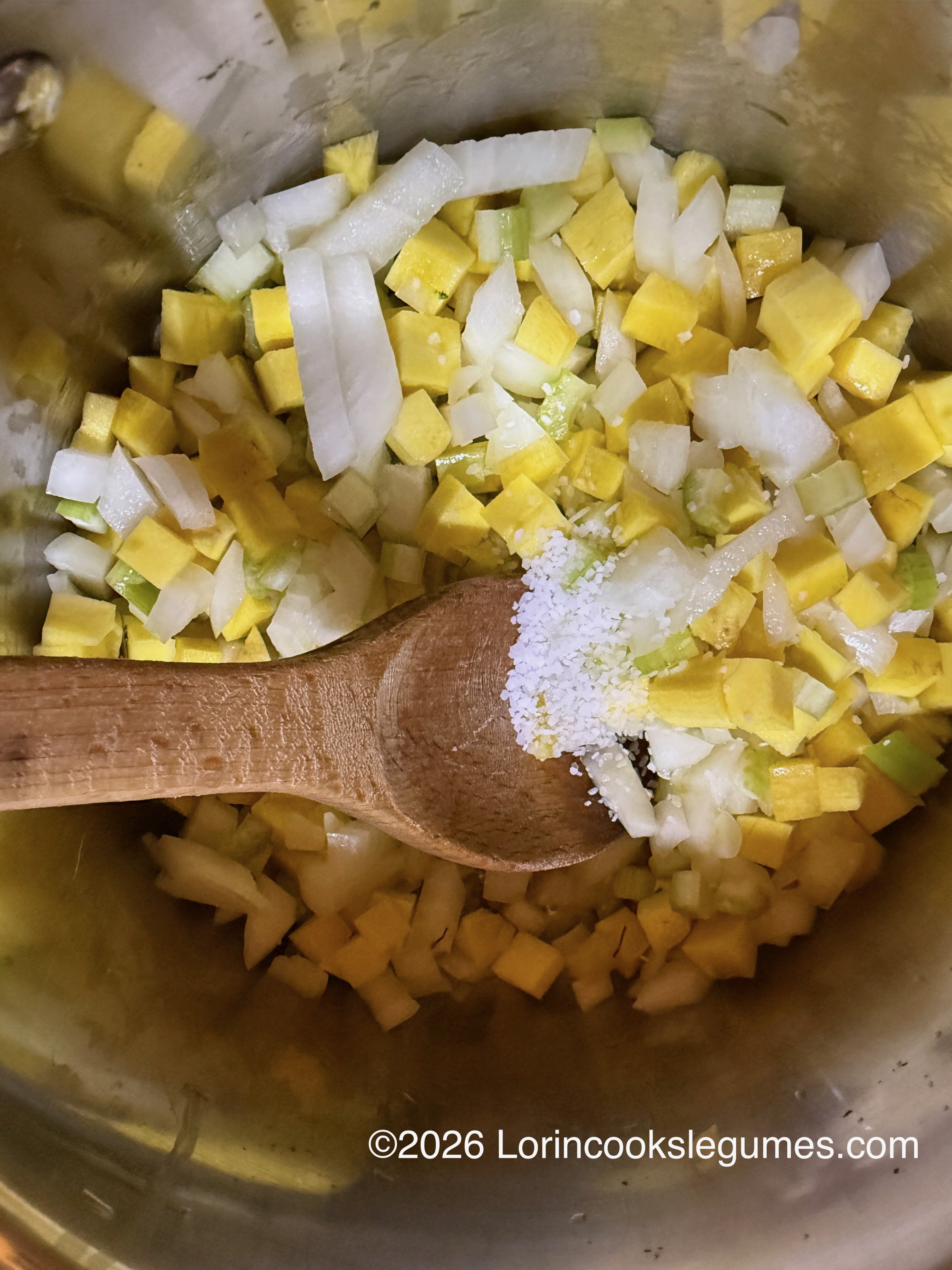
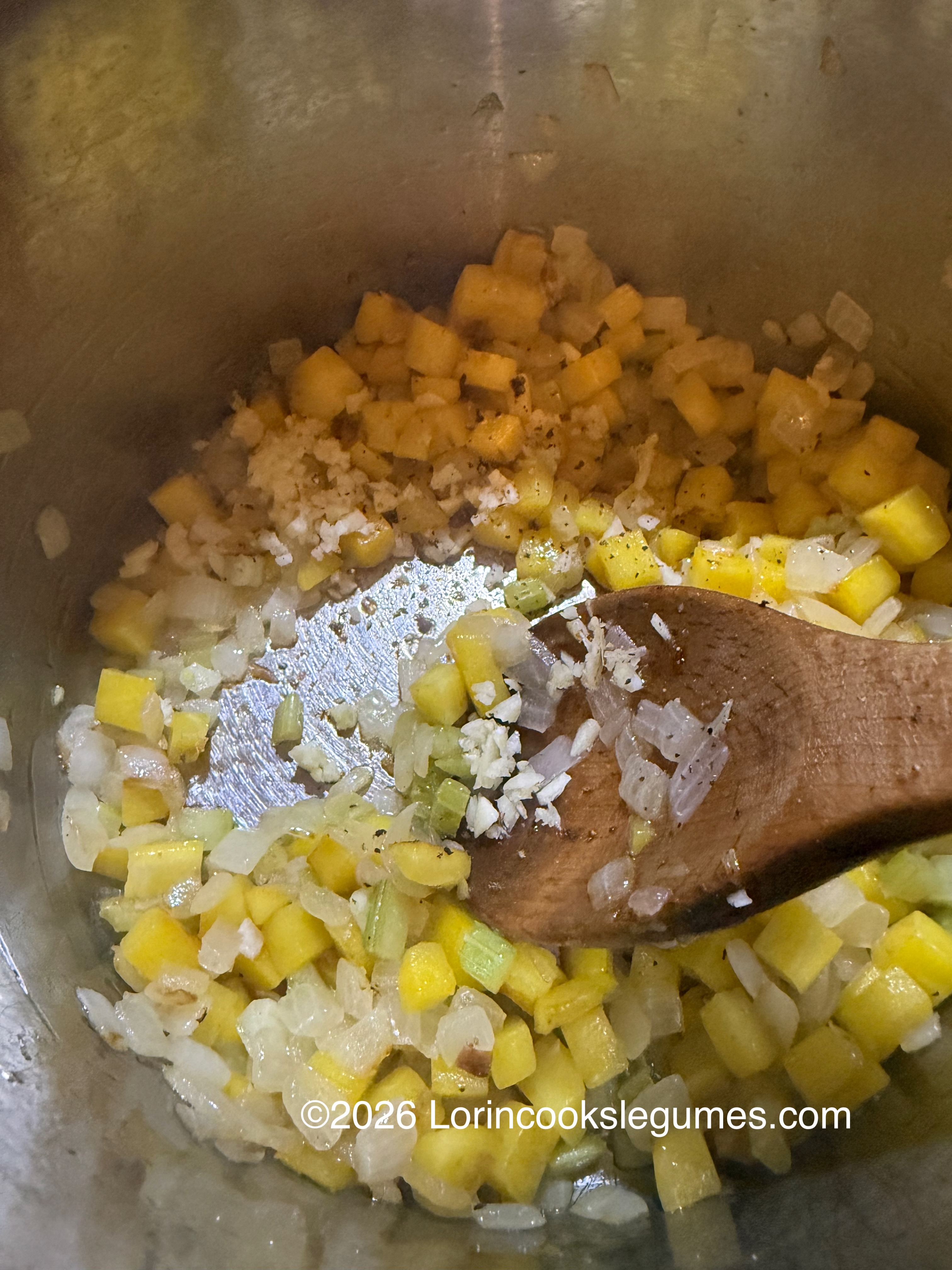
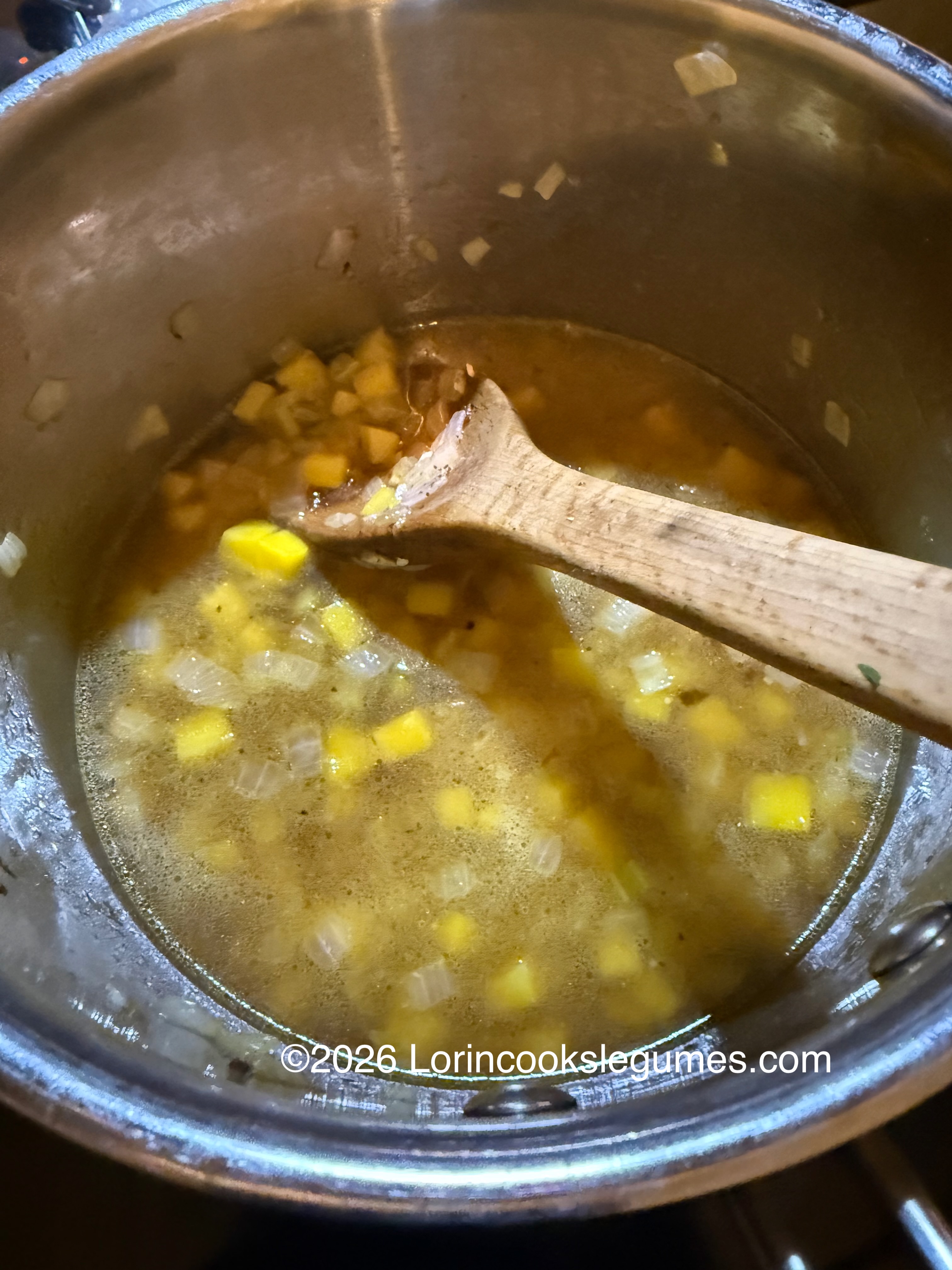
Heat a generous amount of olive oil in a large pot, and sauté the onion, carrot, and celery with a pinch of salt until the onion is nicely browned,10-15 minutes
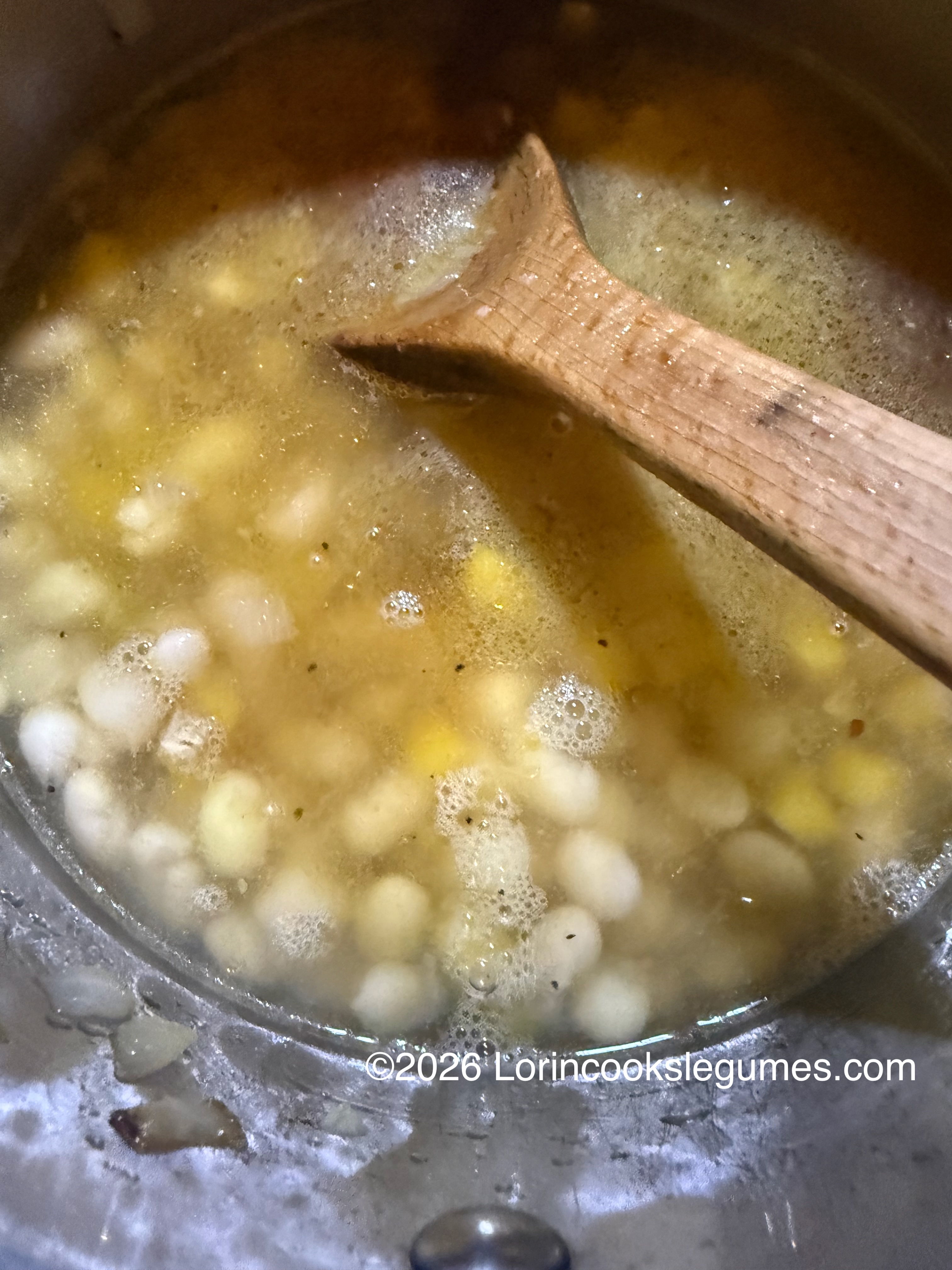
Add the garlic and black pepper and cook for about 1 minute, then add the vegetable stock and the beans, along with their cooking liquid. Bring to a boil, reduce the heat, and simmer, covered, for 15-20 minutes.
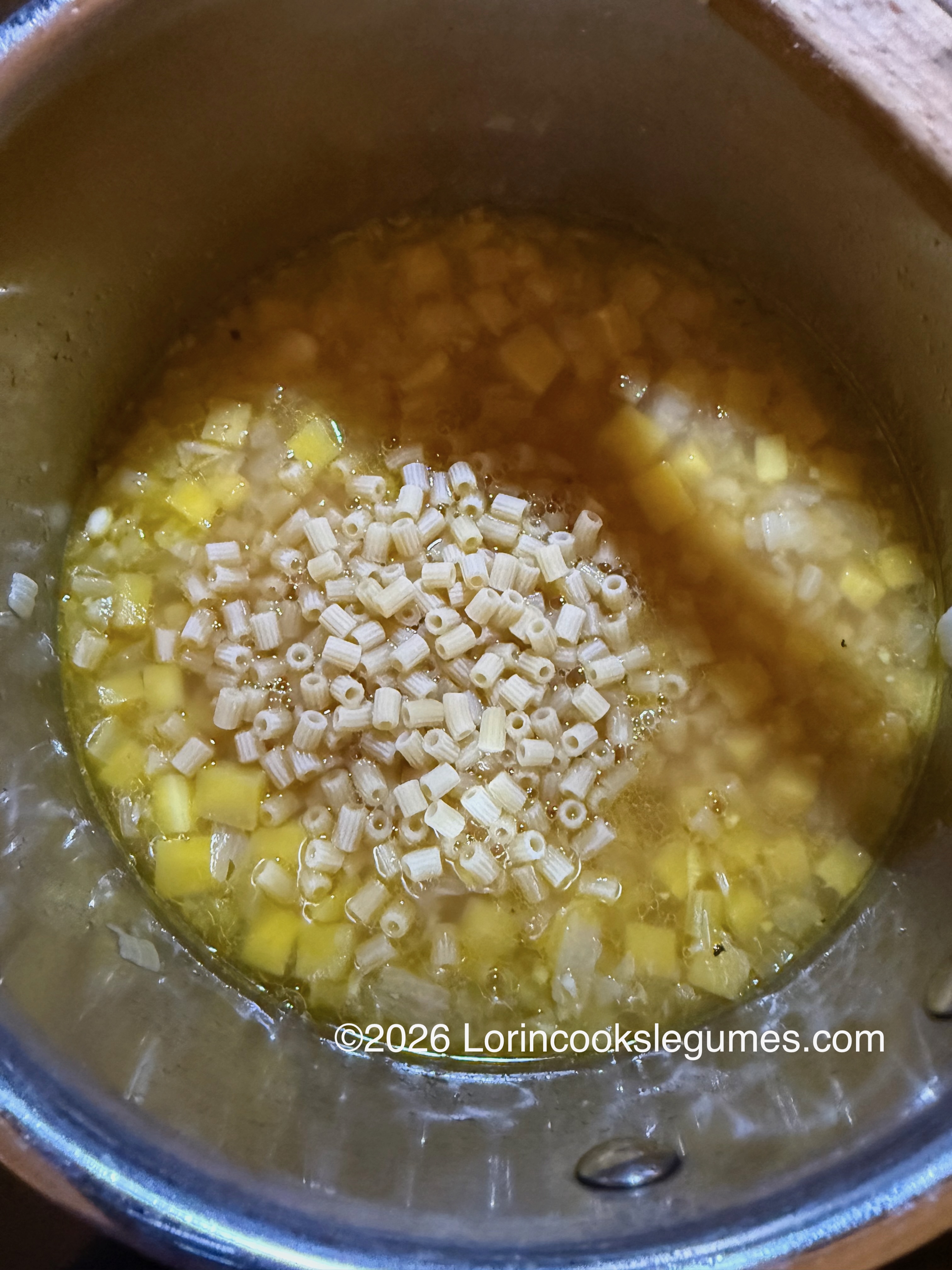
Taste and adjust seasoning as desired. Add pasta and cook for 8-10 minutes, or according to package directions for al dente. Stir frequently to prevent sticking, and add additional boiling water if the pasta seems to be absorbing too much liquid.
Serve with freshly grated Parmigiano and a drizzle of good olive oil.
*As an Amazon Associate I earn from qualifying Amazon purchases.
I receive no compensation for mentioning any other website or product.

