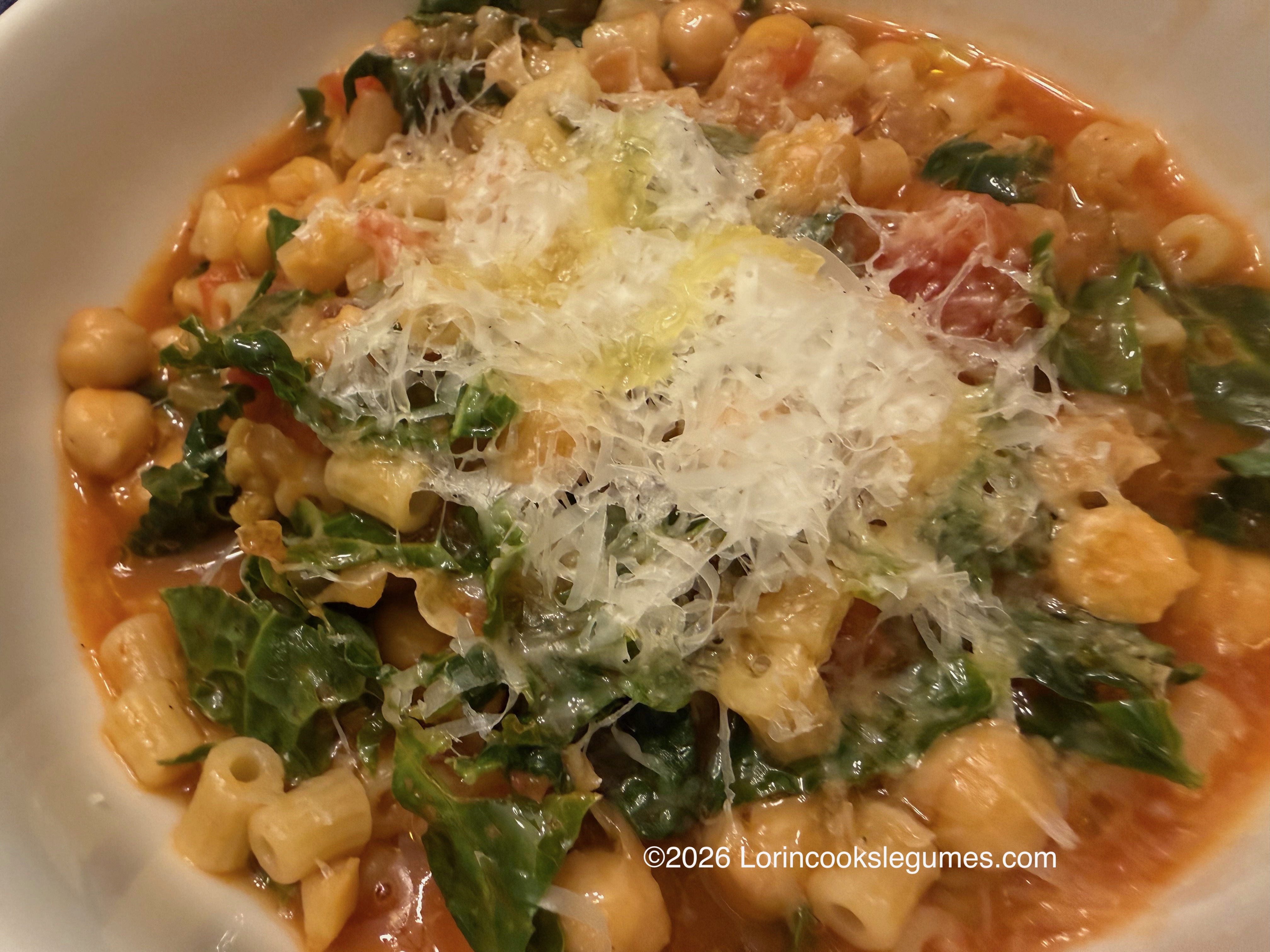
Pasta e ceci (Italian: [ˈpasta e tˈtʃeːtʃi]; lit. ’pasta and chickpeas’) is a pasta dish common in southern and central Italy prepared with pasta and chickpeas as primary ingredients. It is part of the cucina povera (Italian for ‘cuisine of the poor’), or peasant cuisine tradition in Italian cuisine and has ancient origins, seen in a mention in the Roman poet Horace‘s Satires.
https://en.wikipedia.org/wiki/Pasta_e_ceci
Before there was pasta e fagioli, there was pasta e ceci. Fagioli-type beans are a New World crop, so they didn’t exist in Italy until sometime after Columbus. Chickpeas, however, were grown in ancient Rome, and according to Wikipedia, pasta e ceci is mentioned by Horace in his Satires.
Much like pasta e fagioli, pasta e ceci is a classic dish of cucina povera, or “cuisine of the poor”. Its simplest form would be adding some pasta to a pot of chickpeas just before serving. Most modern recipes include some tomato, but it remains a pretty simple recipe. Compared to my pasta e fagioli recipe, with a list of optional ingredients as long as the main recipe, this one was pretty consistent across the different sites I looked at and only has five optional ingredients. (Any ingredient that only shows up in between 10 and 20 percent of the recipes I look at usually goes in the optional category.)
Classically, of course, you would start with dry chickpeas and boil them yourself. You’ll probably still get the tastiest results doing it that way, as the starch from the beans will naturally thicken the water and give you a nice silky texture, but it will add an hour or two to your cooking time.
I used canned beans, and included the liquid from the can. Somewhere along the line, we’ve decided that we have to throw away canning liquid from things like beans, and I’m not sure why. Probably because we’re told to be afraid of sodium. That might be a concern if the canning liquid is the only liquid in the dish, but for soups, etc., that will have additional liquid added, I think you’re just throwing out flavor and natural thickening power. Just taste things before adding extra salt
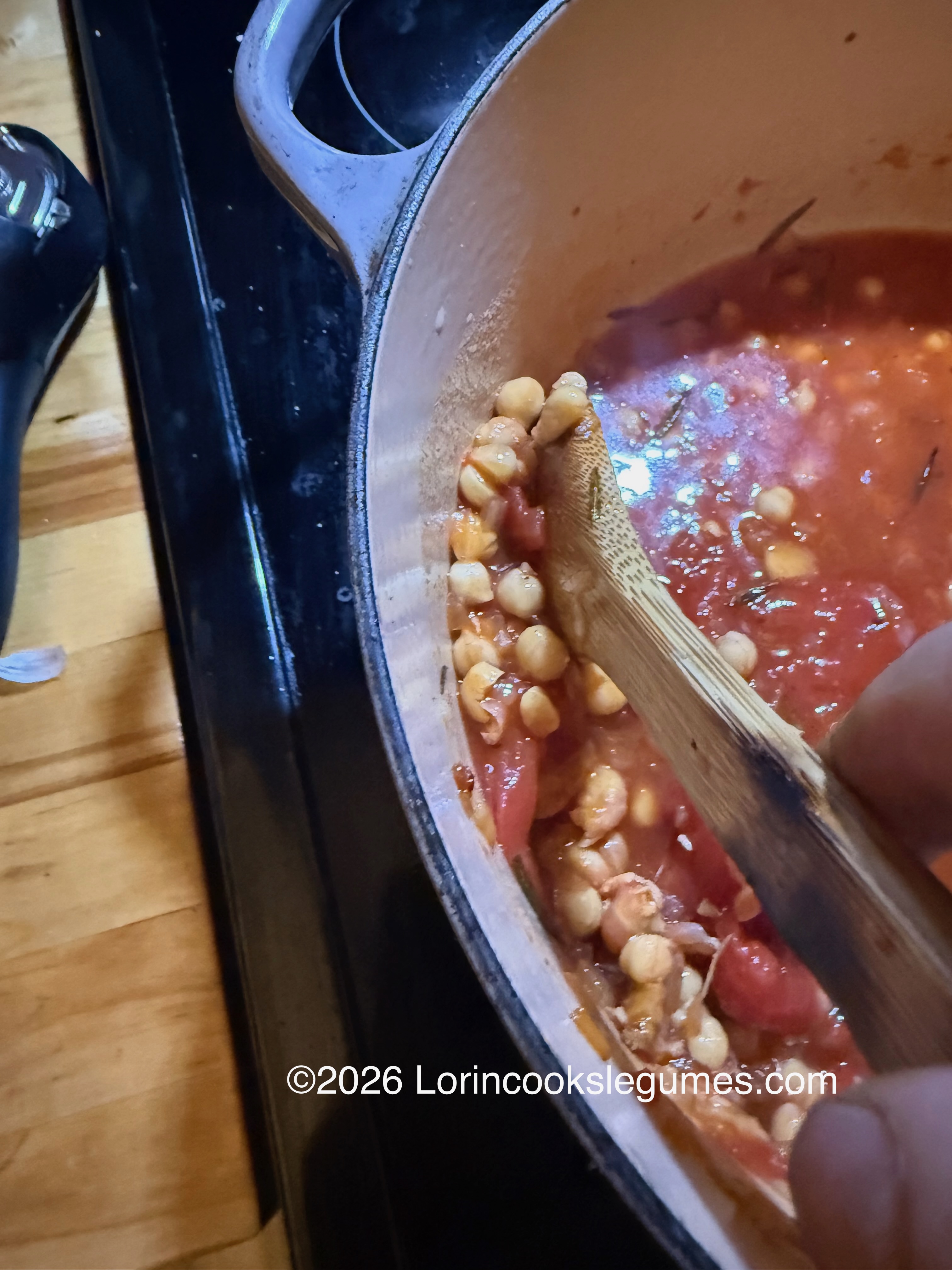
The liquid from canned beans has some of the natural bean starches in it, but won’t have quite the same silky texture as the liquid from home-cooked beans. You can help mimic the thickening effect by mashing some of the beans.
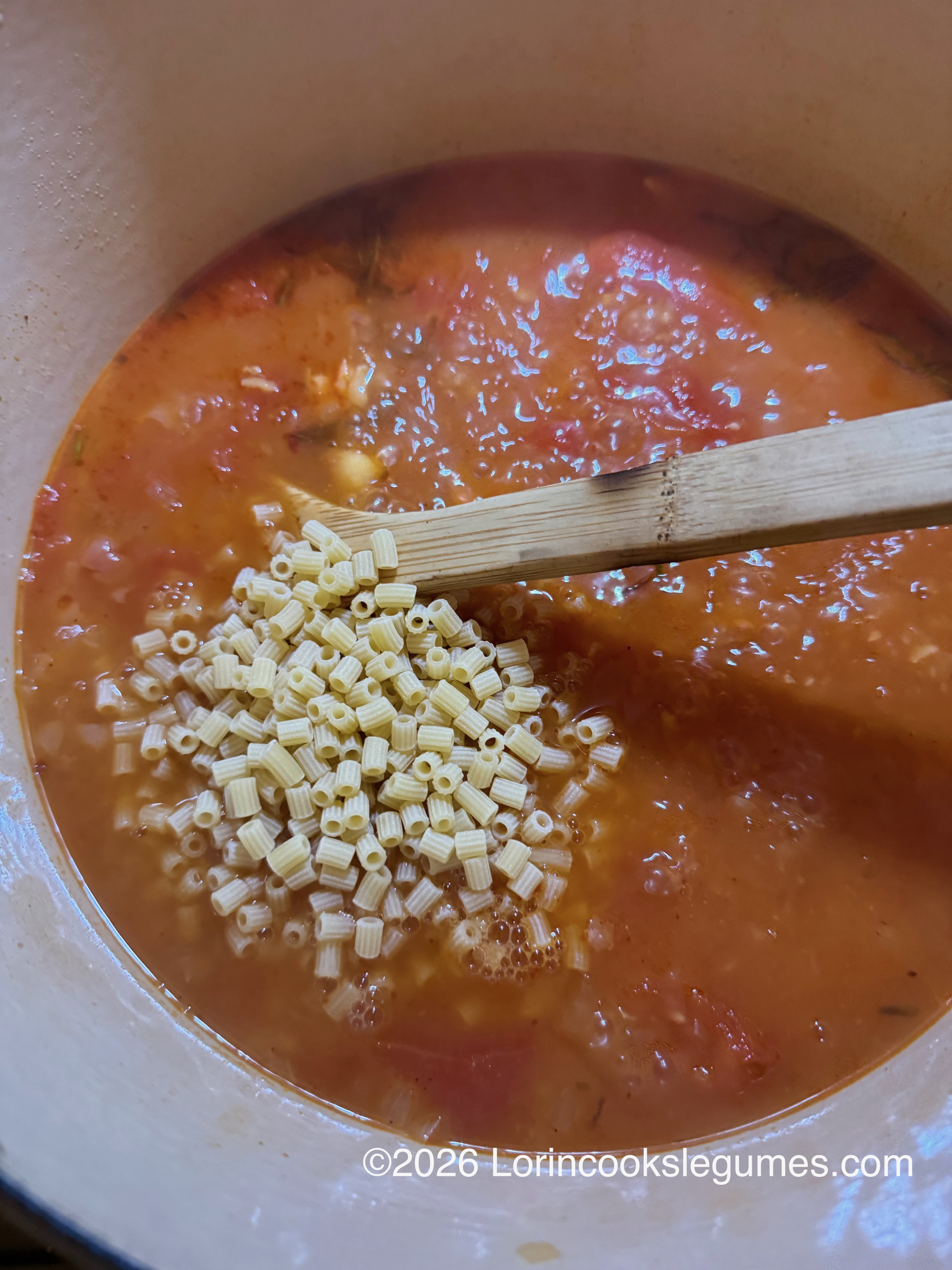
In my pasta e fagioli recipe, I followed recommendations to cook the pasta separately and add it at the last minute so it doesn’t get soggy and soak up all the juices. For pasta e ceci, most recipes cook the pasta right in with the beans, and at least one blog talked about how this is one of the few dishes where Italians will cook the pasta in the pot with everything else instead of separately, so that’s what I did. The pasta definitely soaked up all the liquid, but it was still quite tasty.
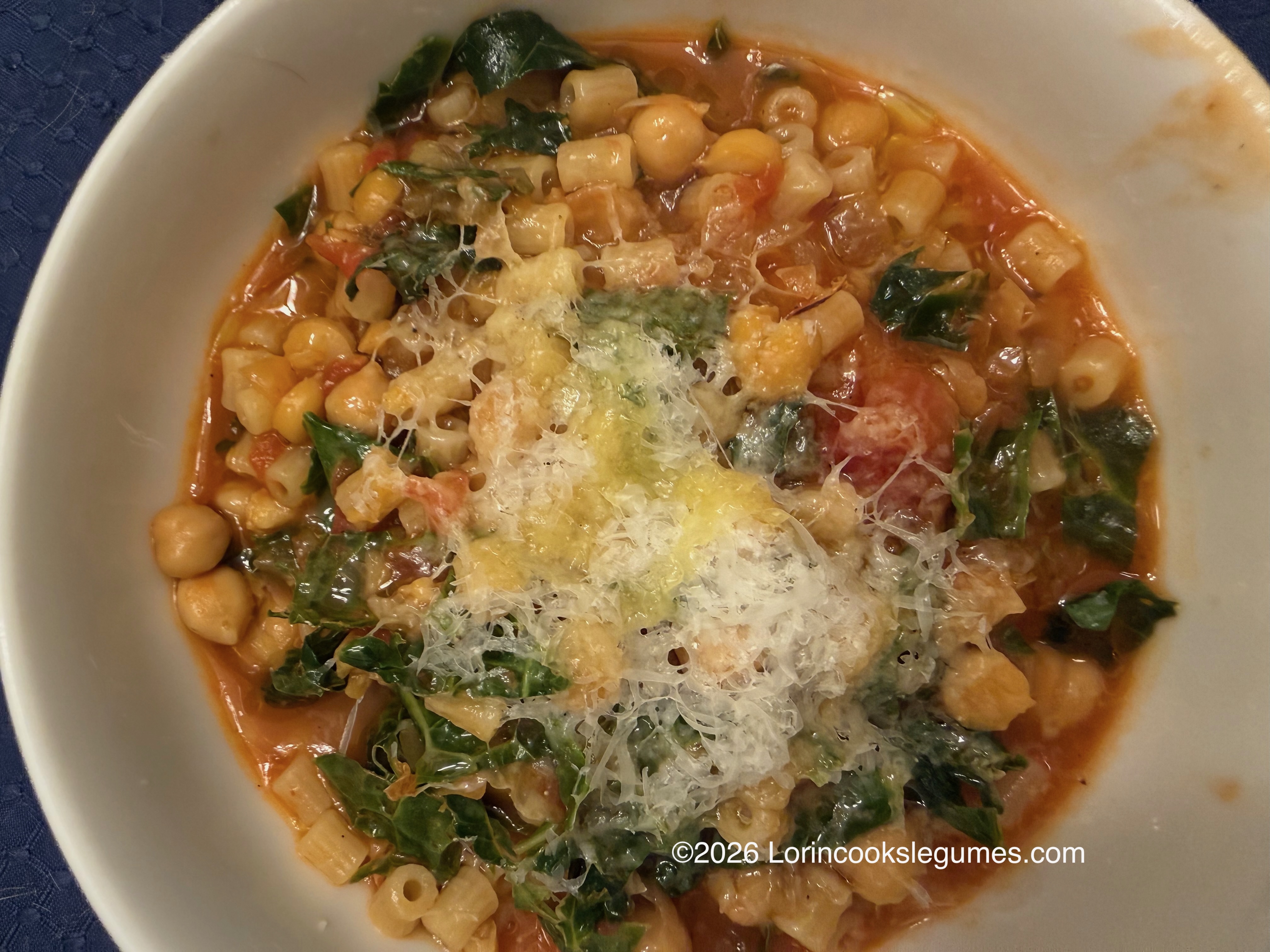
Speaking of soaking up all the liquid, when you add the pasta to the pot, it’s a good idea to also put a kettle of water on to boil, so you can add additional liquid if needed without cooling off the soup and stopping the cooking process. I wound up not needing any extra water, but it will totally depend on your desired consistency. Mine was clearly more of a super saucy bowl of pasta than a soup.
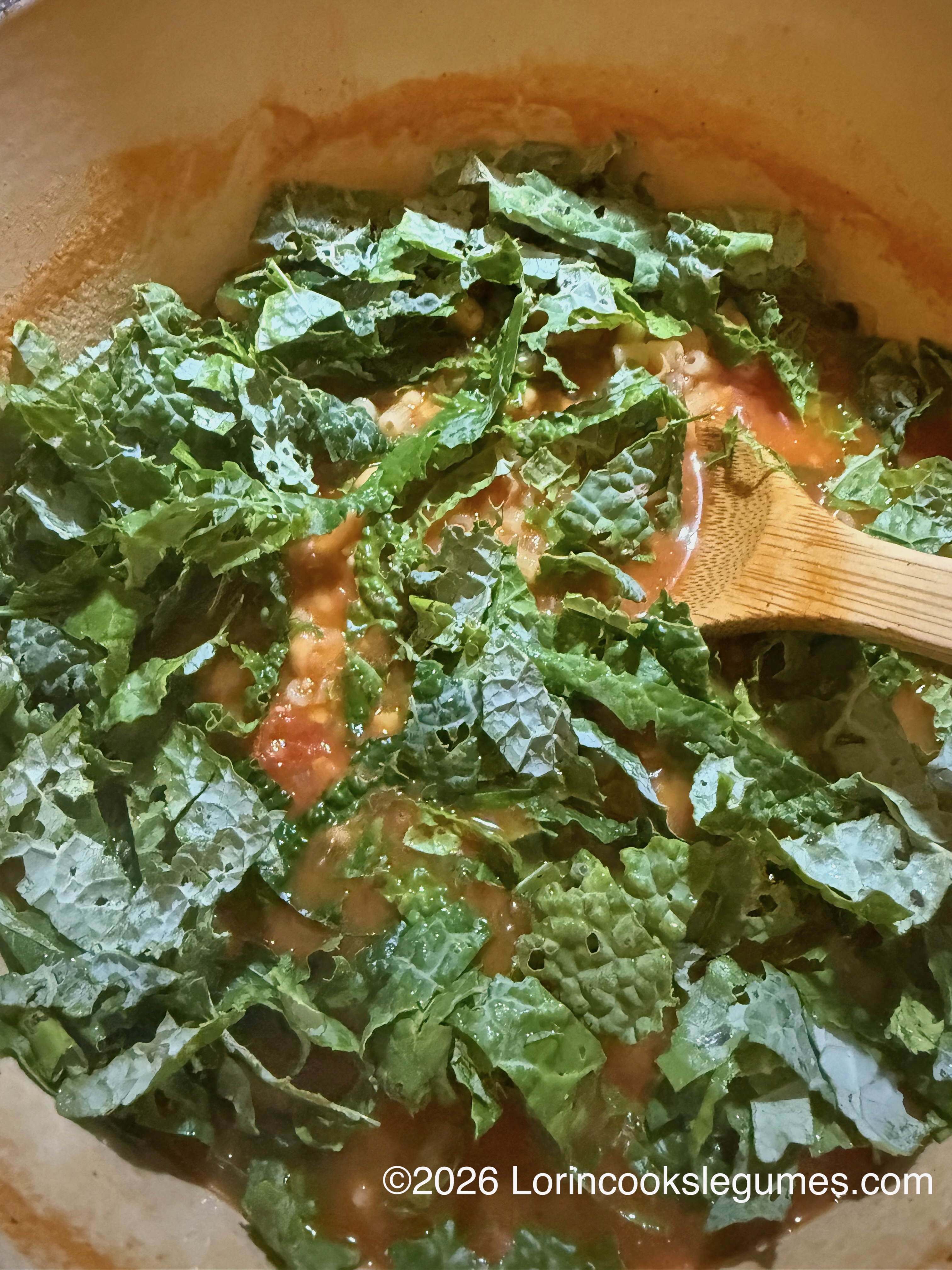
Kale barely made it out of the optional category and could easily be left out without compromising the dish, but adding some greens to our diet is always a good thing. Plus I grew lots of kale this year and needed to use some up! My original recipe called for just cooking the kale for a minute or two, until wilted. However, with mature garden kale, that first bowl needed a lot of chewing to get through the kale, although reheated leftovers were much easier to chew. I’ve updated the recipe to cook the kale until tender.
I did manage to find ditalini pasta this time, and I would say that it is, indeed, the perfect pasta for this application. That said, any other short tubular pasta like macaroni would work as well.
Pasta e Ceci
Serves: 4
Prep: 10 minutes
Cook: 45 minutes
Total: 0:55
(As an Amazon Associate I earn from qualifying purchases.)
2 Tablespoons olive oil
3 cloves garlic, peeled and crushed
1 sprig rosemary
1 small onion, diced
½ teaspoon salt
¼ teaspoon black pepper
¼ teaspoon red pepper flakes
2 Tablespoons tomato paste
15 oz. canned chickpeas
1 ½ cups canned whole tomatoes
3 ½ cups water
OR
3 ½ cups vegetable broth
6 oz. ditalini pasta
3 cups kale, stemmed and chopped
Freshly grated parmesan cheese
Optional:
½ cup dry white wine
2 cups of boiled chickpeas, in place of canned
½ oz. Pecorino Romano cheese, grated
1 small carrot, diced
Fresh herbs to garnish
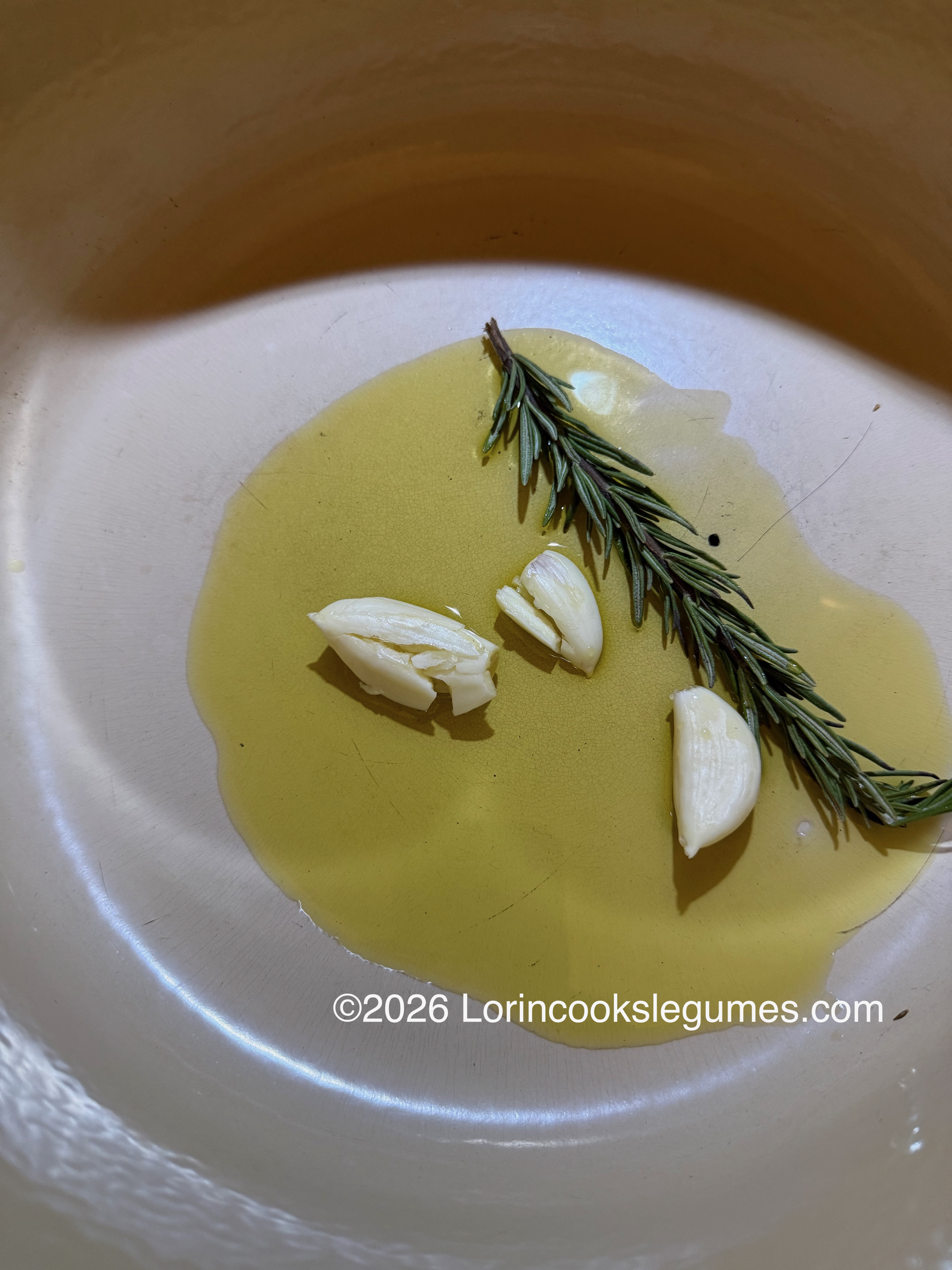
Put olive oil, garlic, and rosemary in a pan large enough to hold beans and pasta. Place over medium-low heat and allow the flavors to infuse the oil as it gently comes up to heat, about 5 minutes.
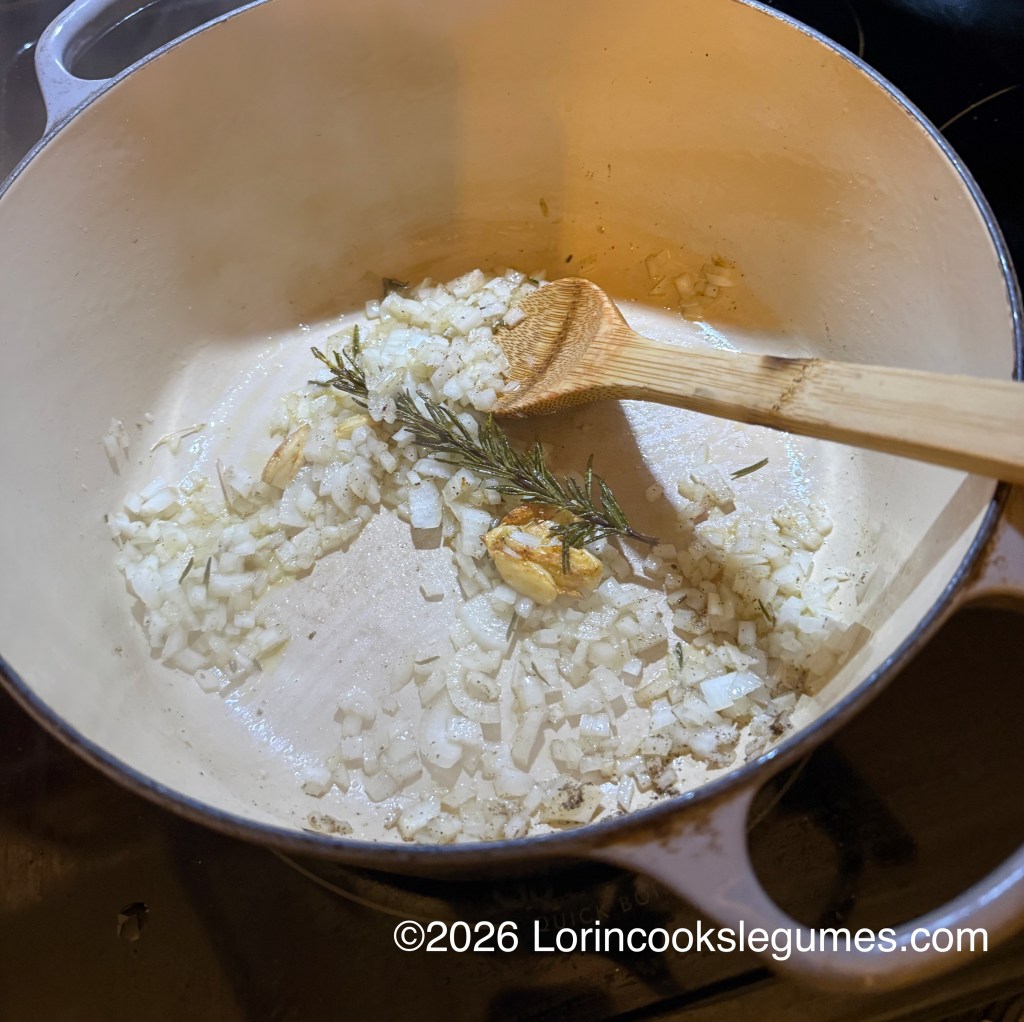
Add the onion, salt, and black pepper. Sauté until the onion is soft and golden, about 8-10 minutes.
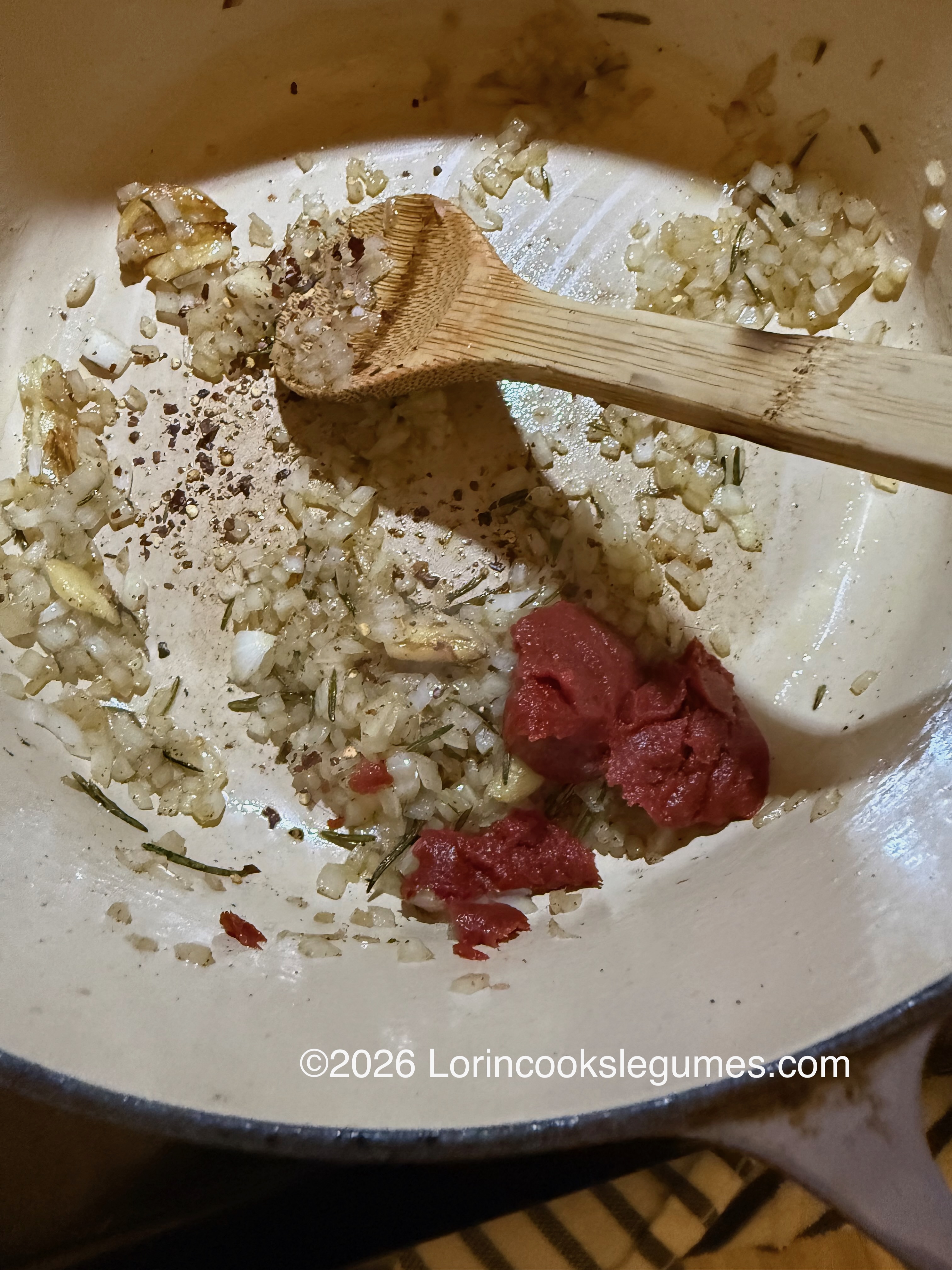
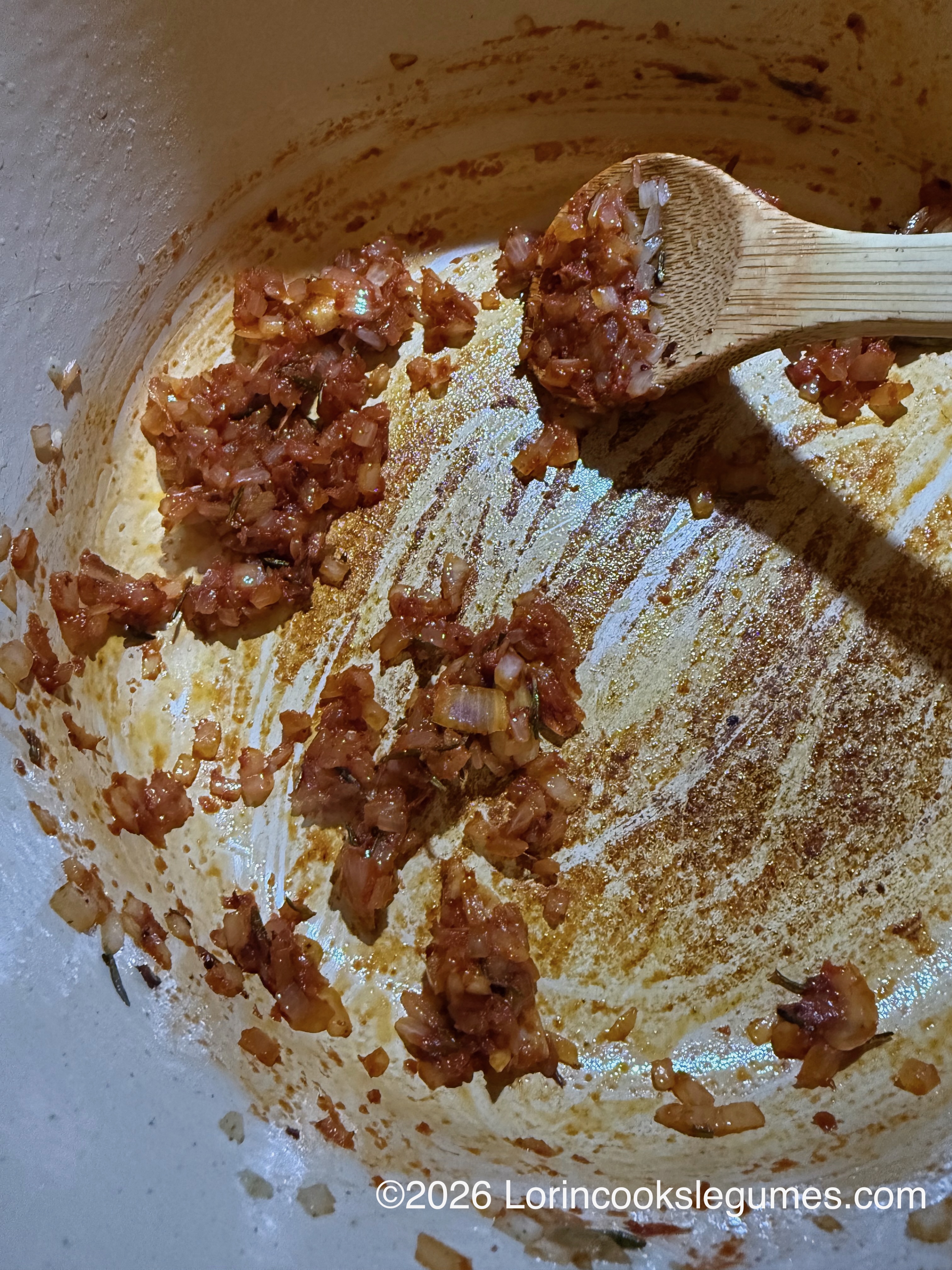
Add the tomato paste and red pepper flakes, and cook, stirring, for 1-2 minutes, until the tomato paste darkens slightly and evenly coats the onions.
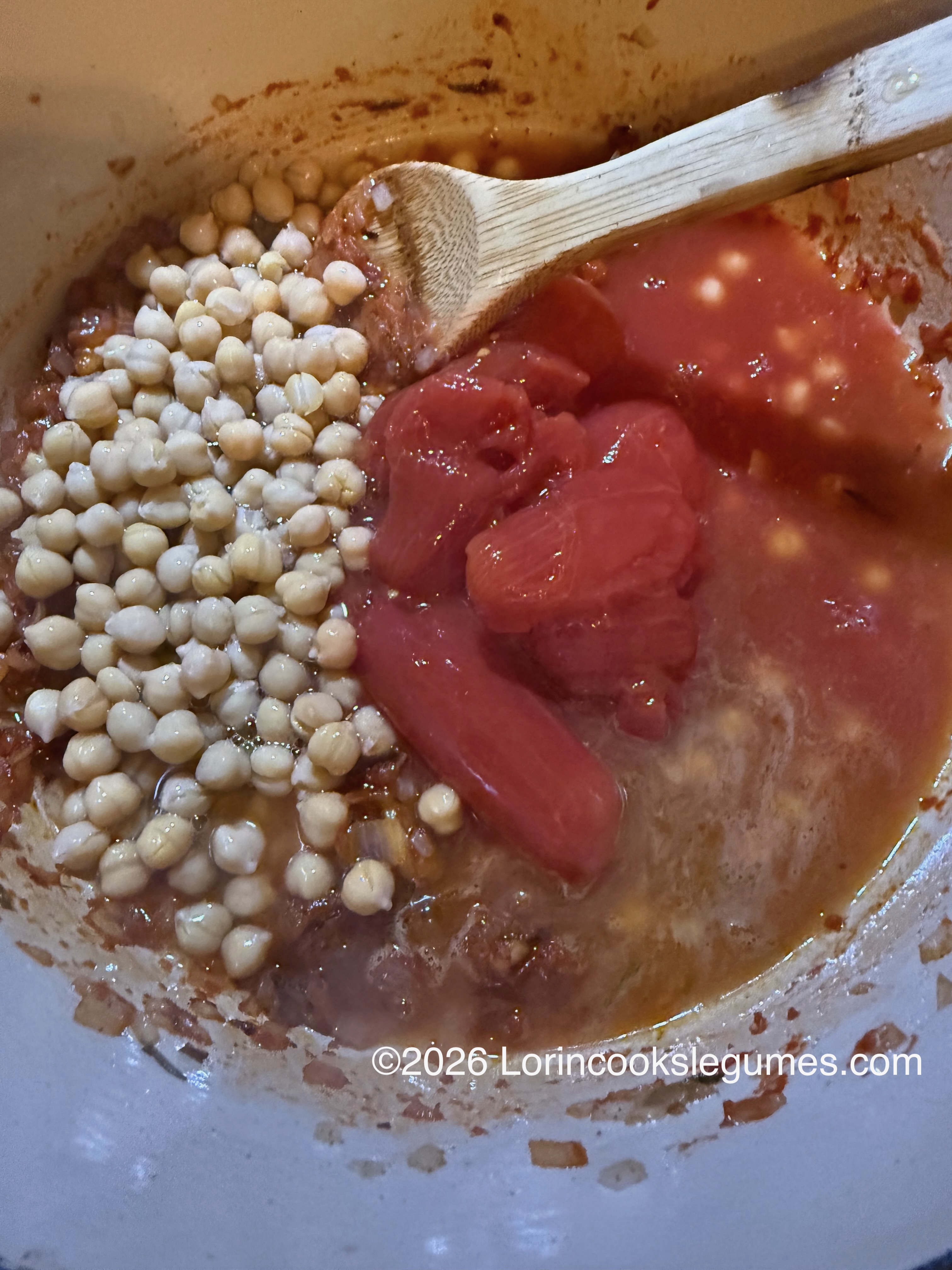
Add the chickpeas and tomatoes, with their liquids. Break up the tomatoes and mash about 1/3 of the chickpeas with the back of a fork or spoon.
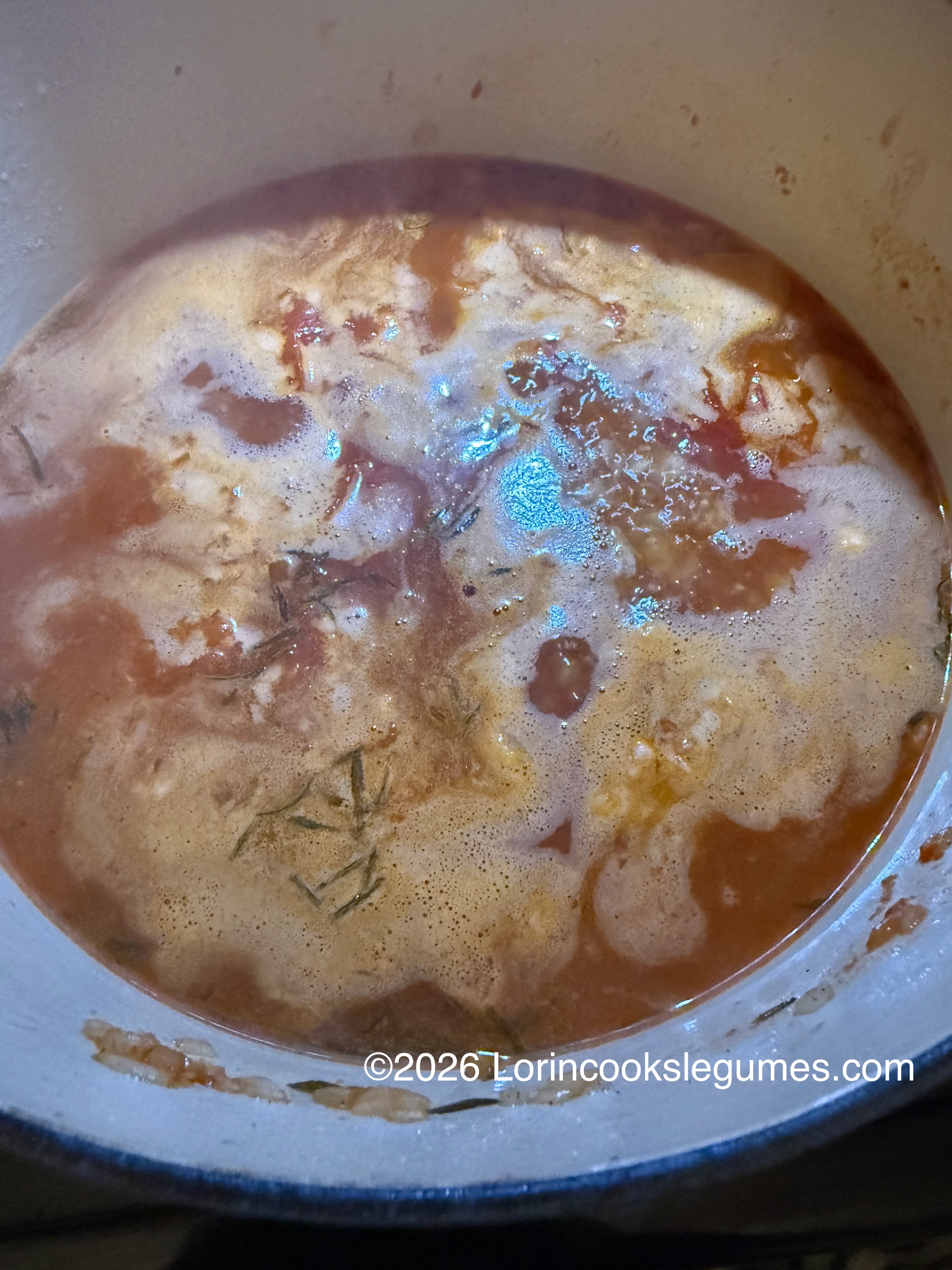
Add the water or broth and bring to a boil. Reduce heat and simmer, covered, for about 20 minutes.
Stir in the pasta and cook, stirring occasionally, until the pasta is tender, about 10 minutes or according to package directions. Add additional boiling water or stock as needed if your pasta absorbs too much liquid.
About halfway through the pasta cooking time, add the kale, and continue to cook until the kale and pasta are both tender.
Serve topped with freshly grated parmesan and a drizzle of good extra virgin olive oil.

