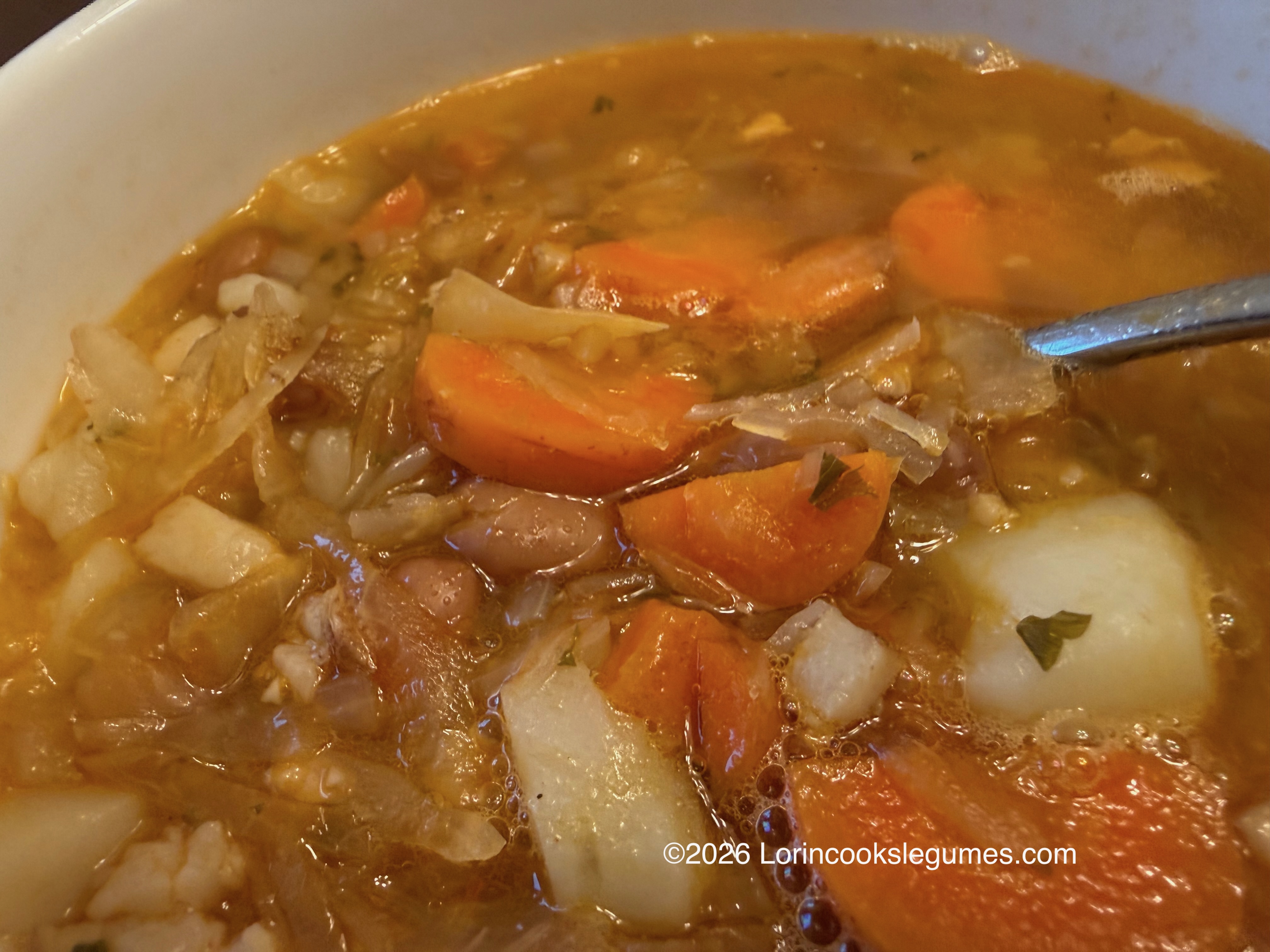
The jota or Istrian stew (Italian: Jota; Croatian: Istarska jota; Slovene: Jota) is a soup made with beans and sauerkraut or sour turnip, potatoes, bacon, and spare ribs, known in the northern Adriatic regions. Under the name jota, it is typical and especially popular in Trieste and its province (where it is considered to be the prime example of Triestine food), in the Istrian peninsula, in the province of Gorizia, in the whole Slovenian Littoral, in the Rijeka area, and in Friuli, especially in some of its peripheral areas (the highland region of Carnia, the Torre and Natisone river valleys or Slavia Veneta). The stew, based on etymology, most likely originated in Friuli before spreading east and south.
https://en.wikipedia.org/wiki/Jota_(food)
Apparently, we’re visiting Croatia twice in a row here. This isn’t a case of exploring minor variations on the same dish; it simply worked out that the next dish down the list that I hadn’t covered already is another Croatian one! I don’t think that either the Wikipedia entry for this recipe or for pretepena juha od grahova, which I shared last time, mentions the other soup, which isn’t surprising since they don’t have much in common besides a couple of ingredients.
Jota (pronounced yota), or Istrian stew, is a soup made with beans, sauerkraut (or sauer turnip), and smoked pork, and comes from Istria, the largest peninsula in the Adriatic Sea. Most of the peninsula is part of Croatia, but Slovenia governs most of the northern part, and Italy also gets a tiny sliver. If you look at a map of Italy, its north-eastern end wraps around the top of the Adriatic to the city of Trieste, which occupies the corner where the Istrian peninsula joins the mainland.
Smoked pork is probably one of the most common pairings with beans around the world, at least in pork-eating regions. The use of sauerkraut, however, hints at the historic influence of Austria in the region, dating back to at least the 1300s, when the Austrian Habsburgs controlled much of the interior, while coastal areas were under Venetian sway. As you’d expect from European history, spheres of control ebbed and flowed over the years, but other than a brief stint when Napoleon took over, the Austrians, under whatever form that empire was in, seem to have had a pretty firm foothold in the region right up through World War I, when Italy gained control, before ceding most of the area to Yugoslavia after WWII.
I’ll be honest, this recipe didn’t live up to my flavor expectations. I thought it was a little bland, despite being full of sauerkraut and smoked meat. I suspect that, largely, I was being overly cautious about adding salt to the various elements that get cooked separately. I knew that both smoked meat and sauerkraut can be very salty, so I didn’t add any to the beans or the potatoes, both of which would probably have benefited from some salt while they were cooking. I also used a smoked pork shank, which was pretty thick and required about twice as much water as I initially planned to cover it, so the soup was probably watered down as well. I should have used either something flatter, like smoked spare ribs, or a smaller pot. I did add a generous amount of salt at the end, but I think it needed more time to really permeate the beans.
The method for making the soup was kind of all over the place in the different recipes I looked at. Some cooked the beans separately, others added the vegetables to the beans, and then cooked the sauerkraut and pork separately, some put the pork in with the beans… Generally, it was always at least a two-pot recipe, often three. About the only constant is that you don’t want to add the sauerkraut to the beans until the beans are cooked, as the acid will prevent them from fully softening. Feel free to adjust how and when you combine your ingredients.
About half the recipes I looked at were adamant that you should NOT rinse the sauerkraut. The other half either straight-up told you to rinse it or suggested tasting your kraut first, which is my suggestion, especially if you have homemade kraut. If it seems extra potent, rinsing will remove some of the sour flavor.
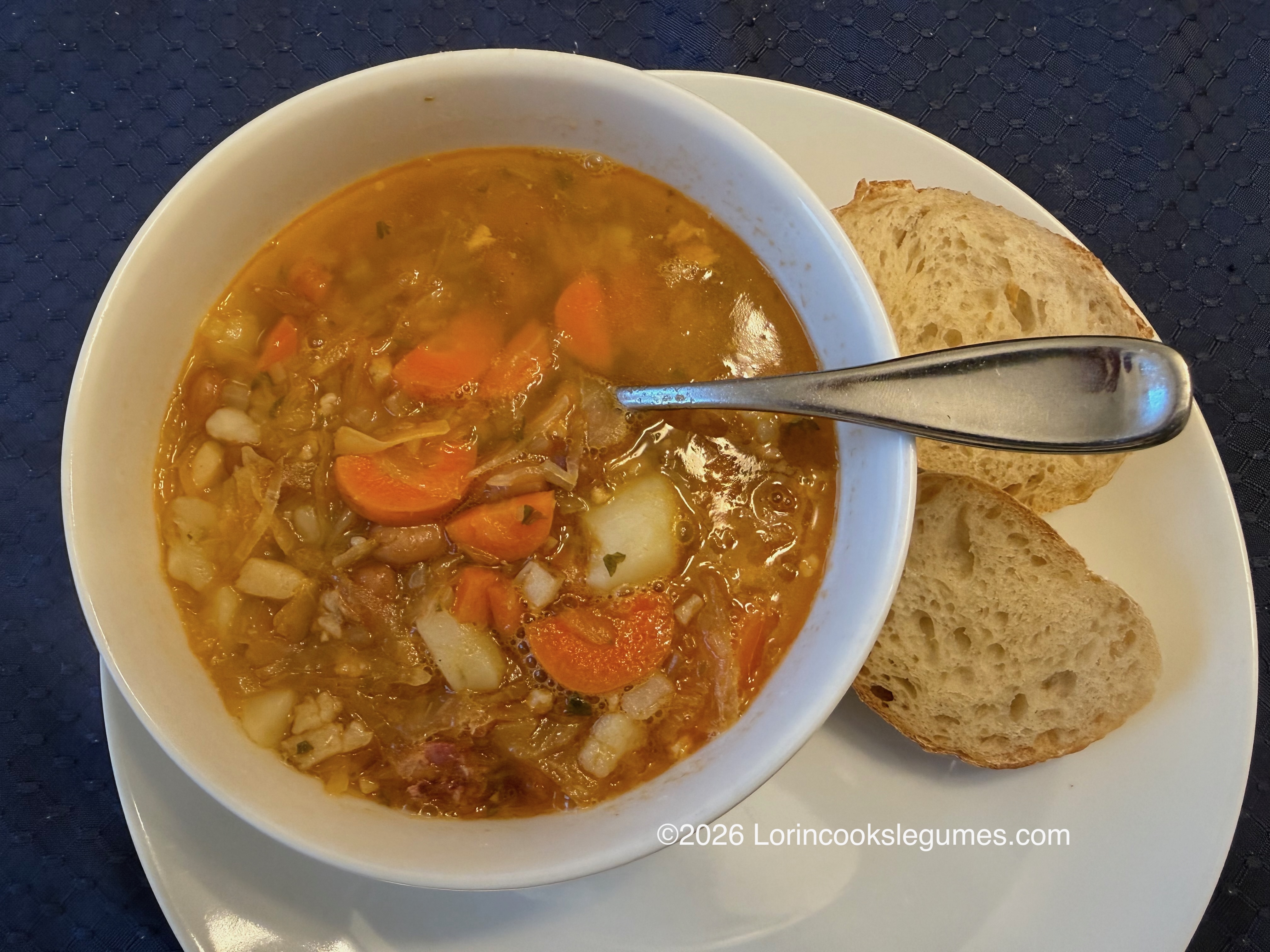
Depending on what cut of pork you use, you can either pull the meat off the bones and return it to the soup or keep it out and serve it as a separate course. However you do it, serve the soup with some good bread for dipping, or with polenta, as the Slovenians do.



Jota
Serves: 8
Prep: ~30 minutes
Cook: ~90 minutes
Total: ~2 hours, plus overnight soaking
(As an Amazon Associate I earn from qualifying purchases.)
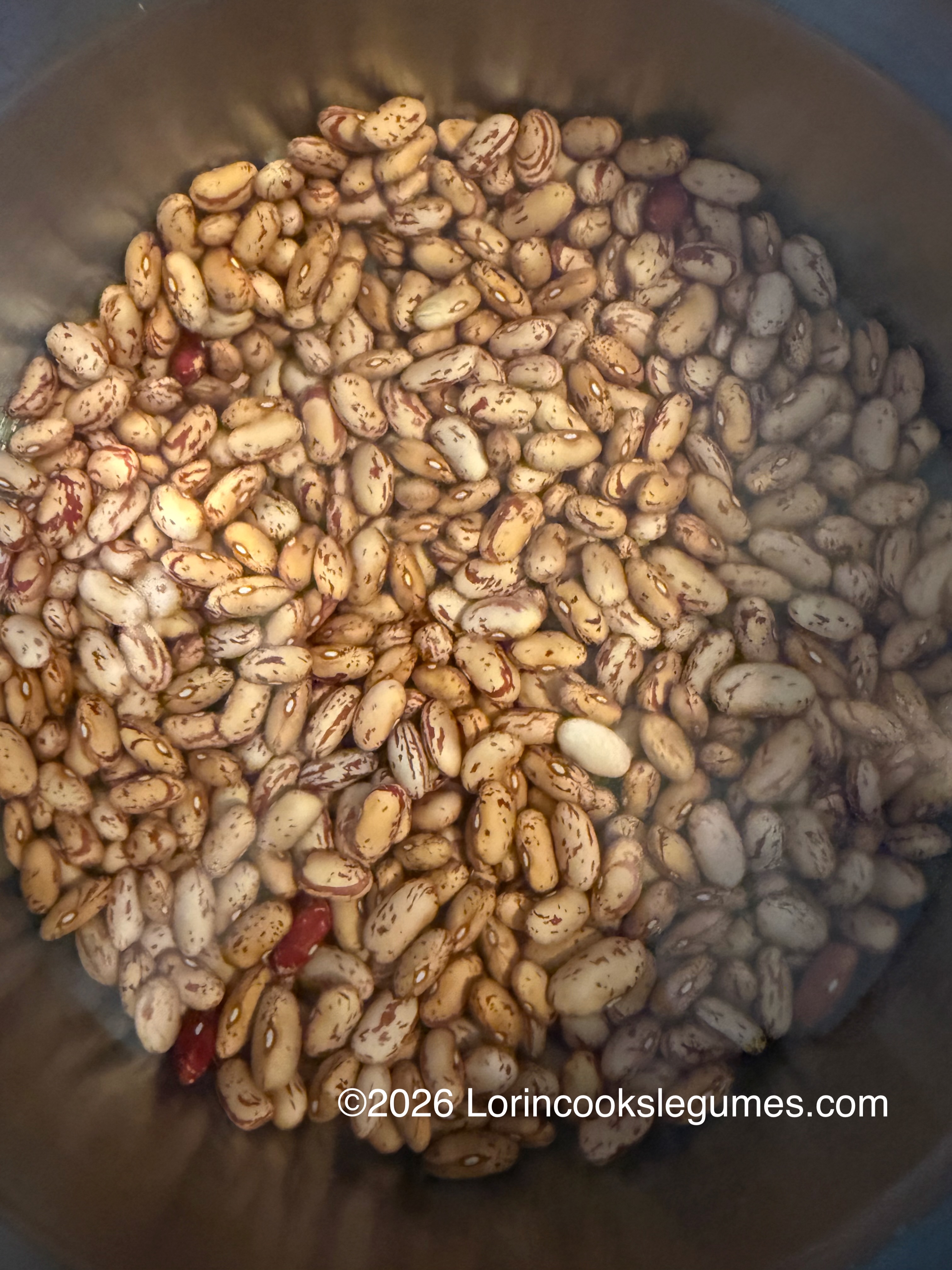
350 g dry borlotti beans
OR
3- 14 oz cans borlotti beans, drained and rinsed
3 Tablespoons olive oil
1 cup diced bacon, pancetta, or speck
1 ½ large onions, diced
2 ½ medium carrots, chopped
4 cloves garlic, minced
2 Tablespoons tomato paste
350 g smoked meat (spareribs, ham hocks, etc.)
6 cups water, or as needed
⅛ teaspoon black pepper
½ teaspoon paprika
2 bay leaves
4 medium starchy potatoes, diced
550 g sauerkraut, drained
⅓ cup parsley, finely chopped
Salt to taste
Optional:
1 ½ Tablespoons lard, in place of olive oil
9 cups chicken bone broth, in place of water
2 Tablespoons smoked paprika
5 black peppercorns, in place of ground
1 ½ Tablespoons flour, added to sauteed vegetables and cooked for a minute before adding water.
Pick over your dry beans, removing any bad beans or foreign objects. Rinse, drain, and cover with cool water by about an inch. Leave to soak overnight.
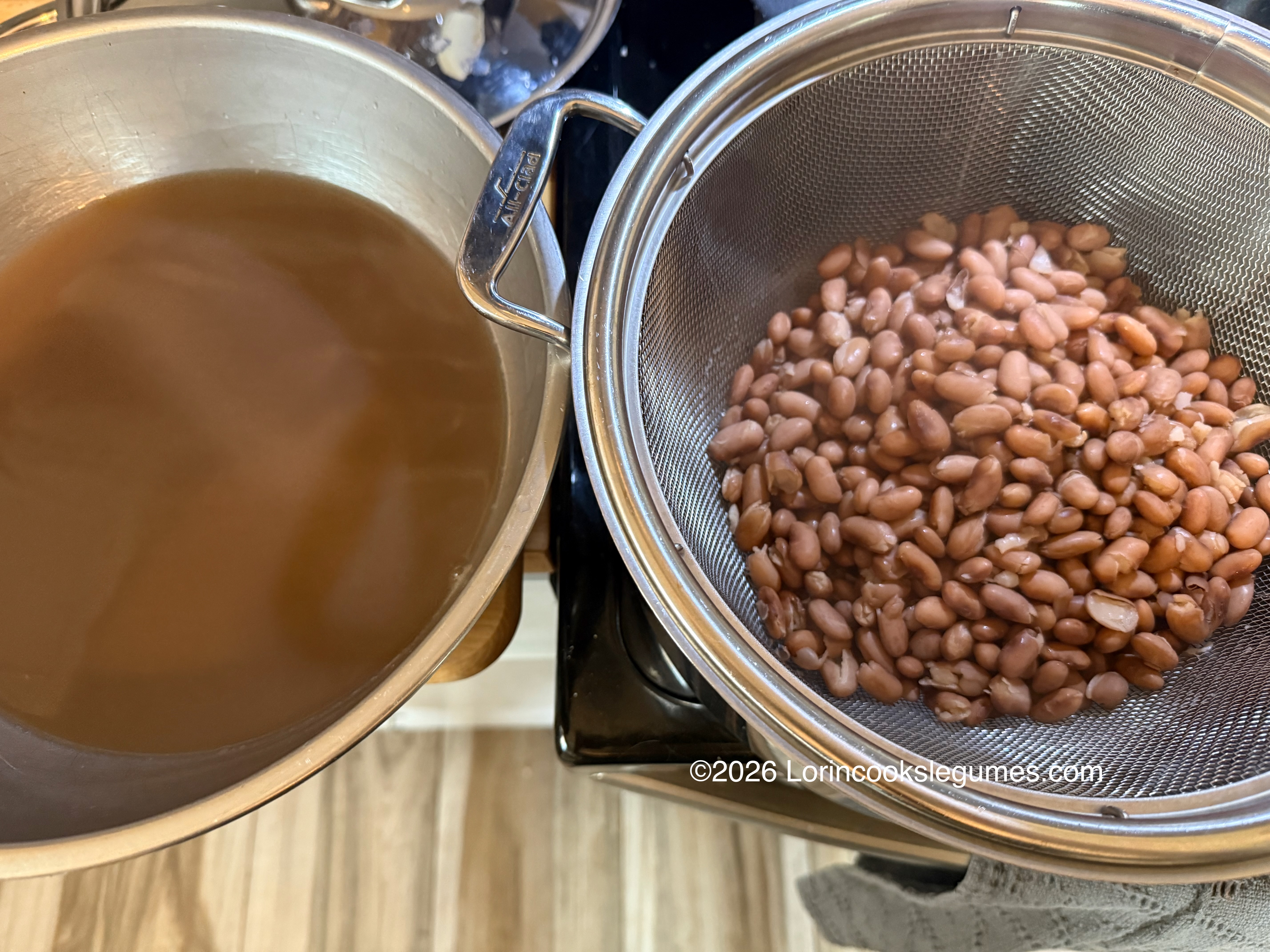
Drain the soaked beans, rinse them, and put them in a pot. Add water to cover by about an inch. Bring to a boil, lower the heat, and simmer, partially covered, until beans are soft, 45 minutes to 2 hours, depending on how old your beans are.
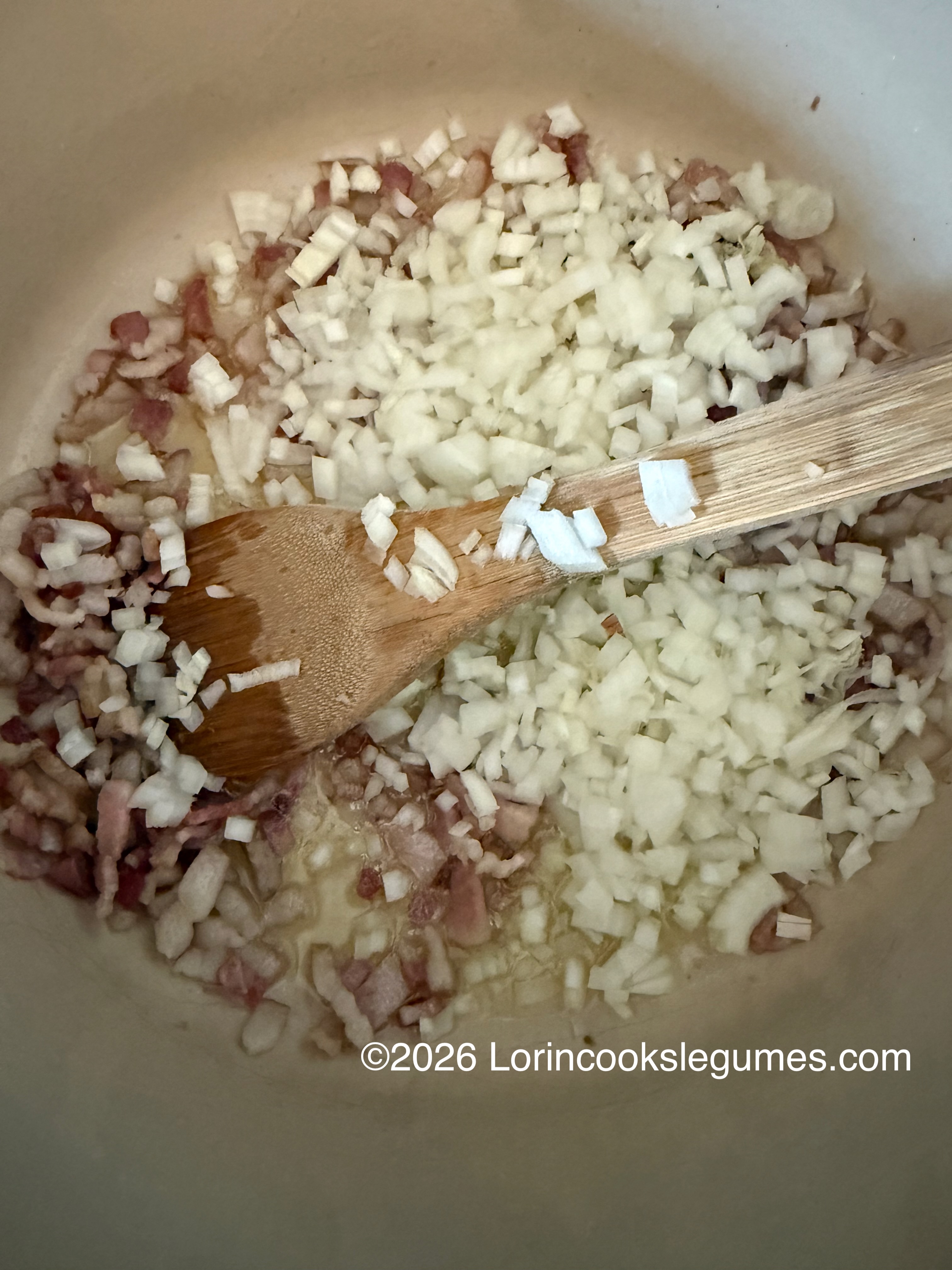
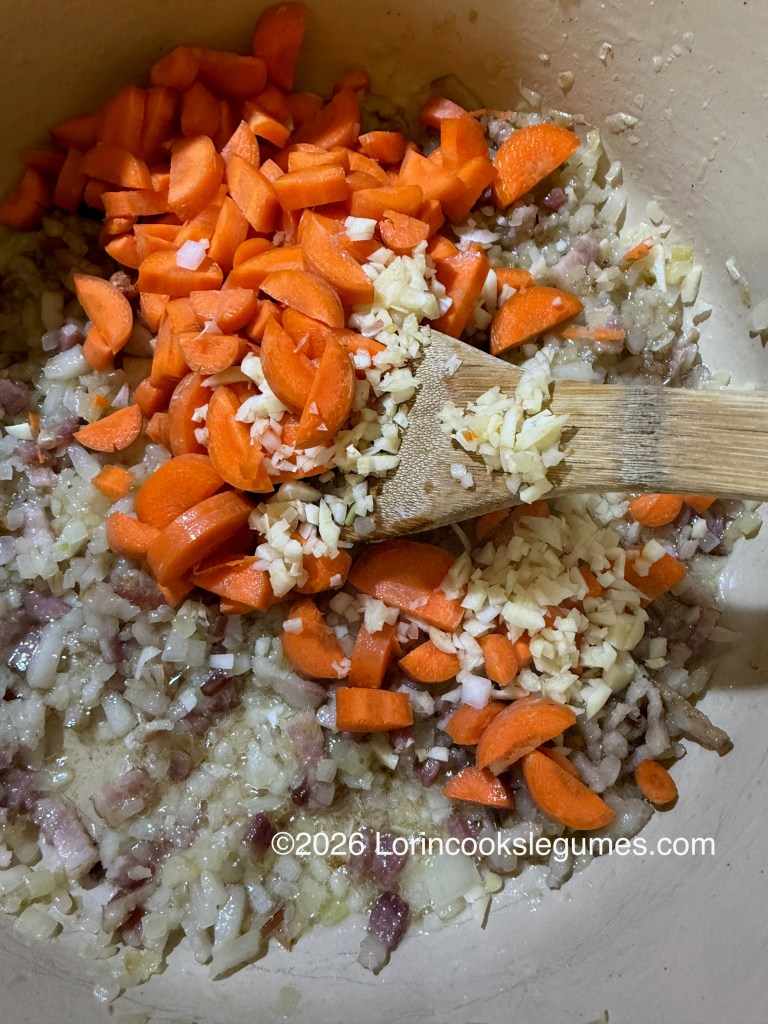
Meanwhile, put olive oil and bacon in a heavy soup pot and place it over medium heat, allowing the bacon to render as the pan comes up to temperature. When the bacon is about halfway cooked, add the onion, and sauté until golden. Add the carrots and garlic and cook for a few more minutes, until the carrots begin to soften.
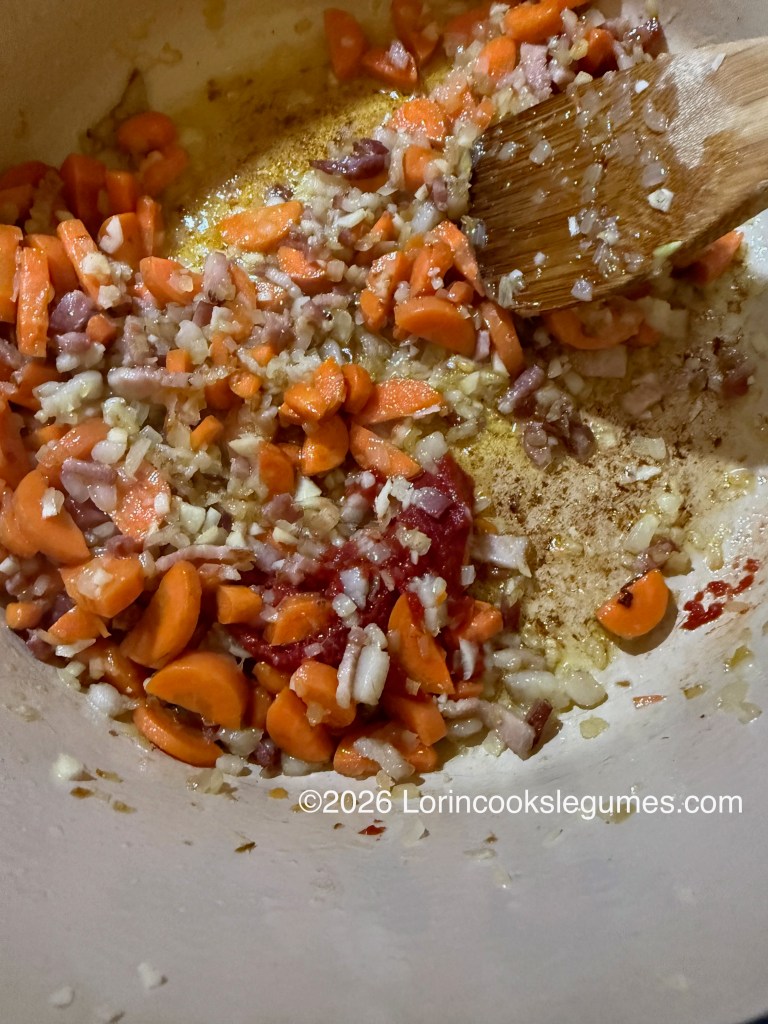
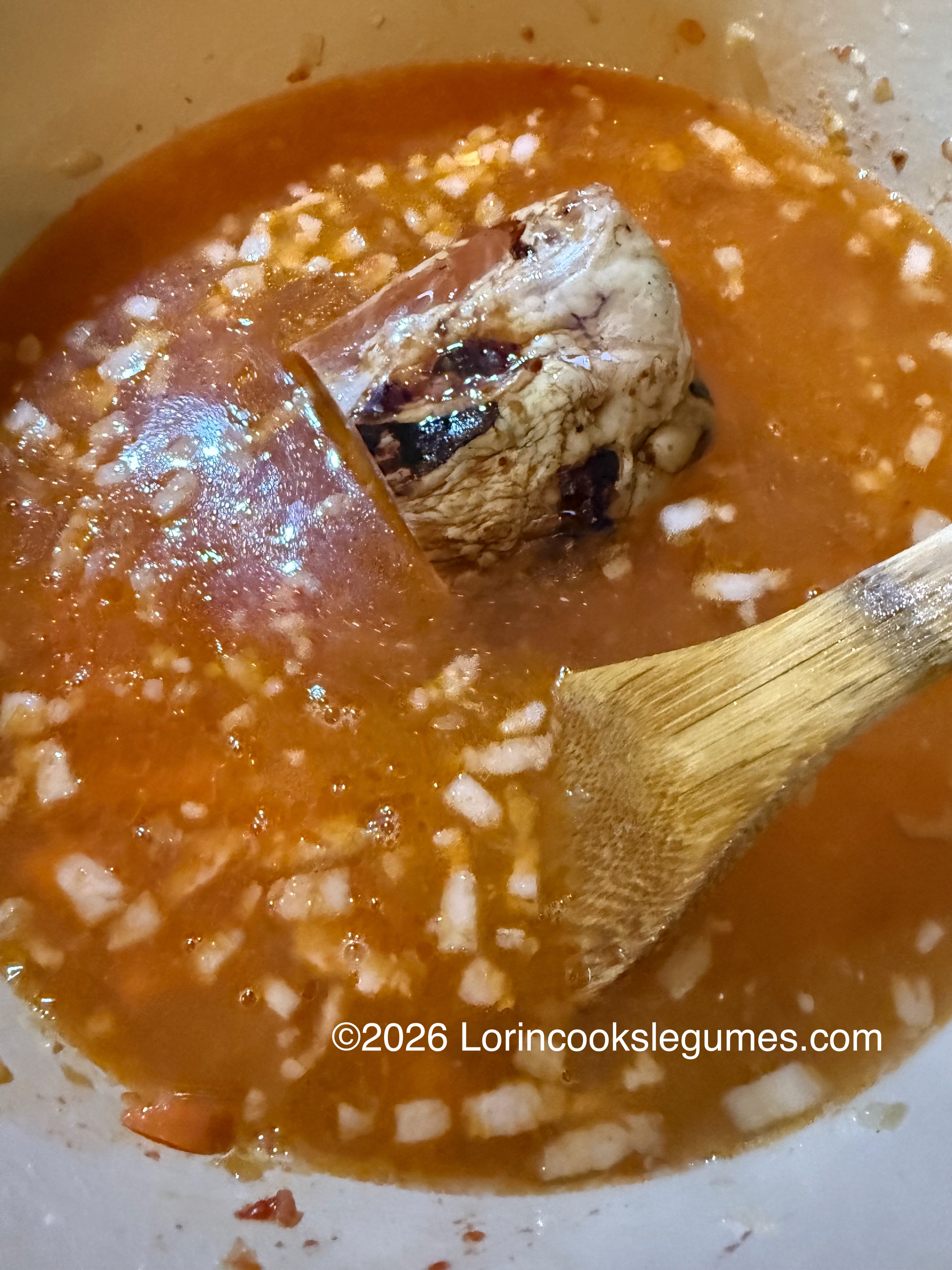
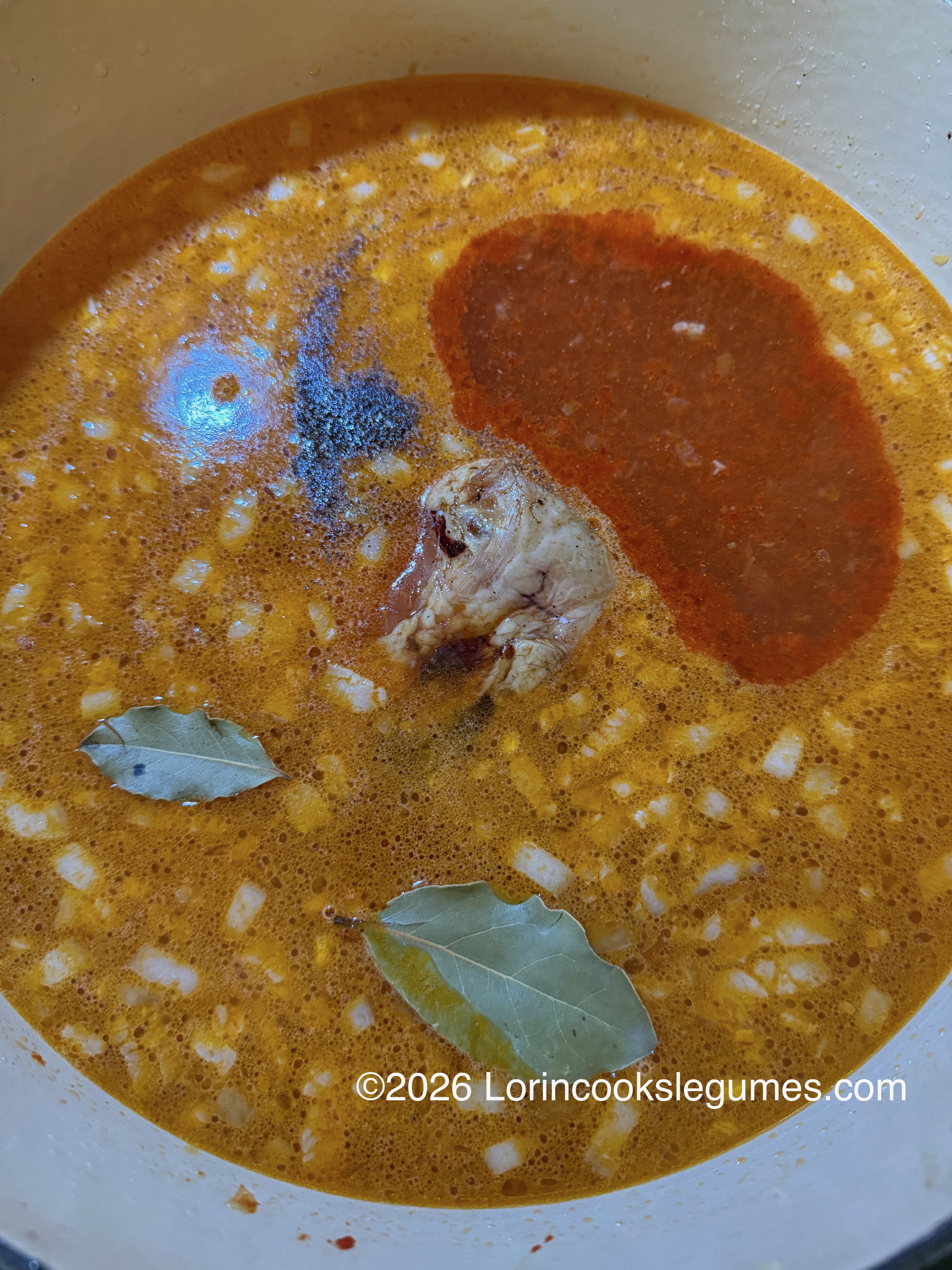
Add the tomato paste and mix well, then add the smoked meats and 6 cups of water, or enough to cover the meat. Add black pepper, paprika, and bay leaves. Bring to a boil, reduce the heat, and simmer for about 30 minutes.
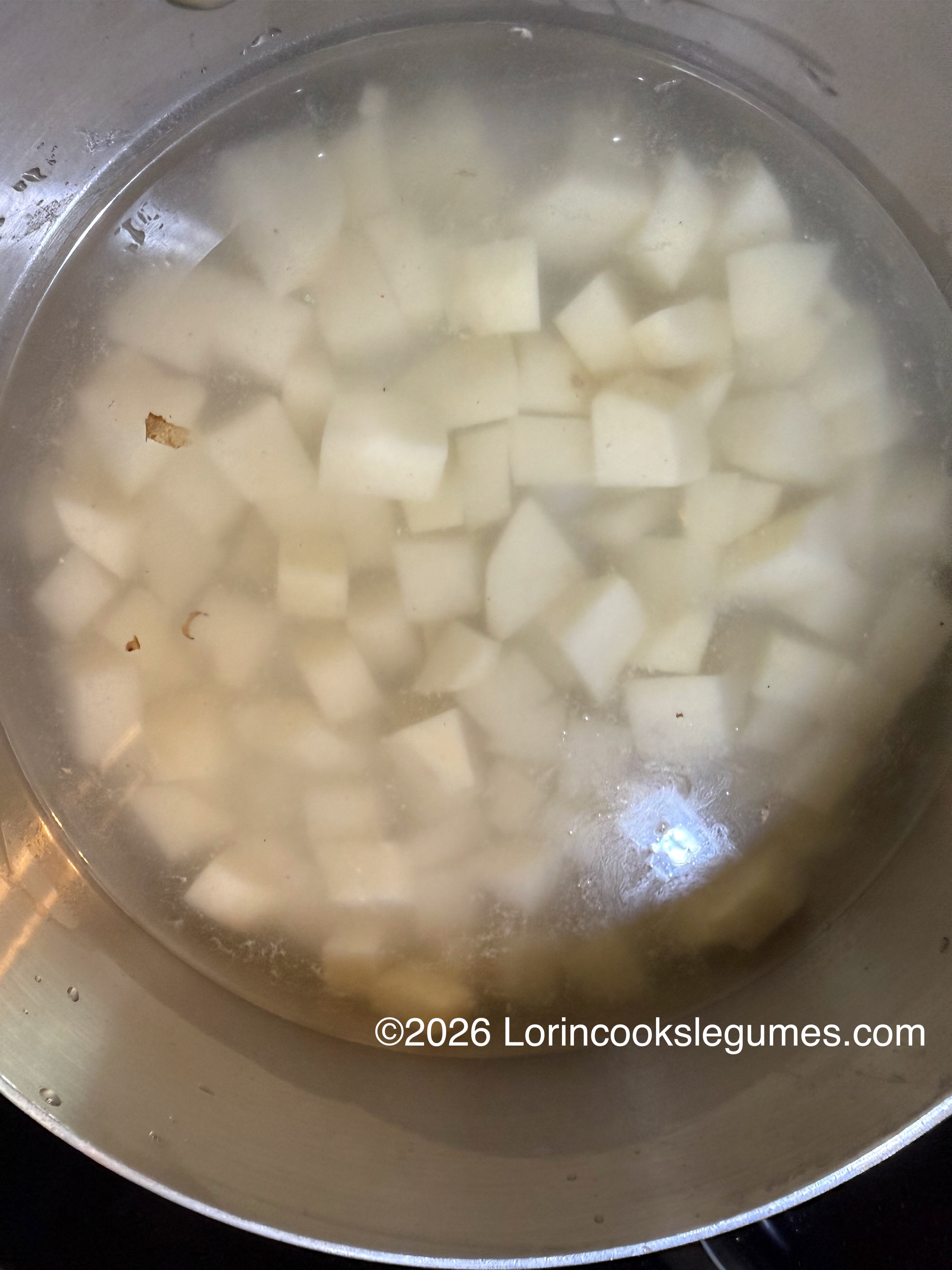
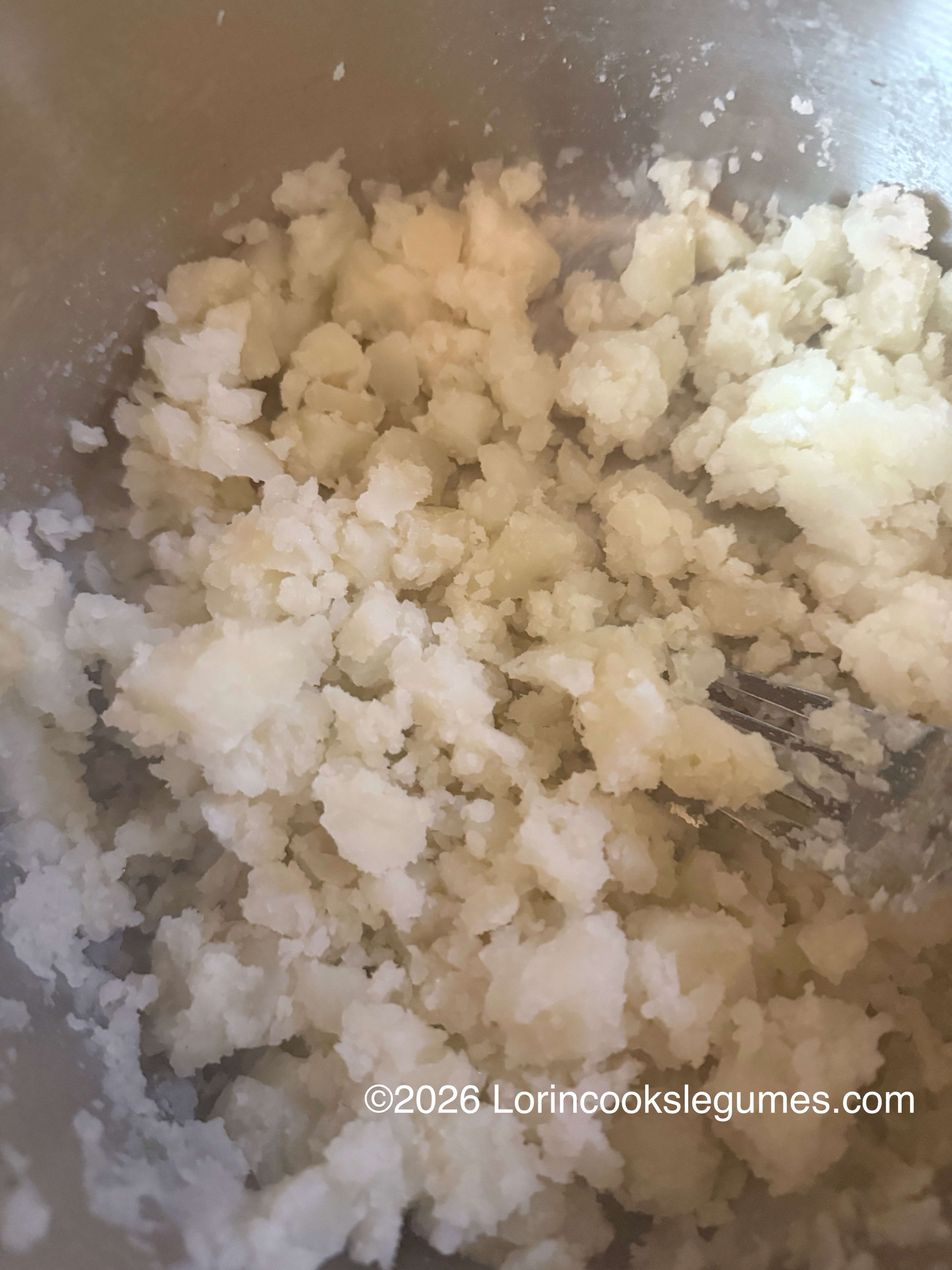
Meanwhile, put the potatoes in a pan and cover with water. Bring to a boil, reduce the heat, and simmer for 10-15 minutes, until tender. Drain and roughly mash with a fork.
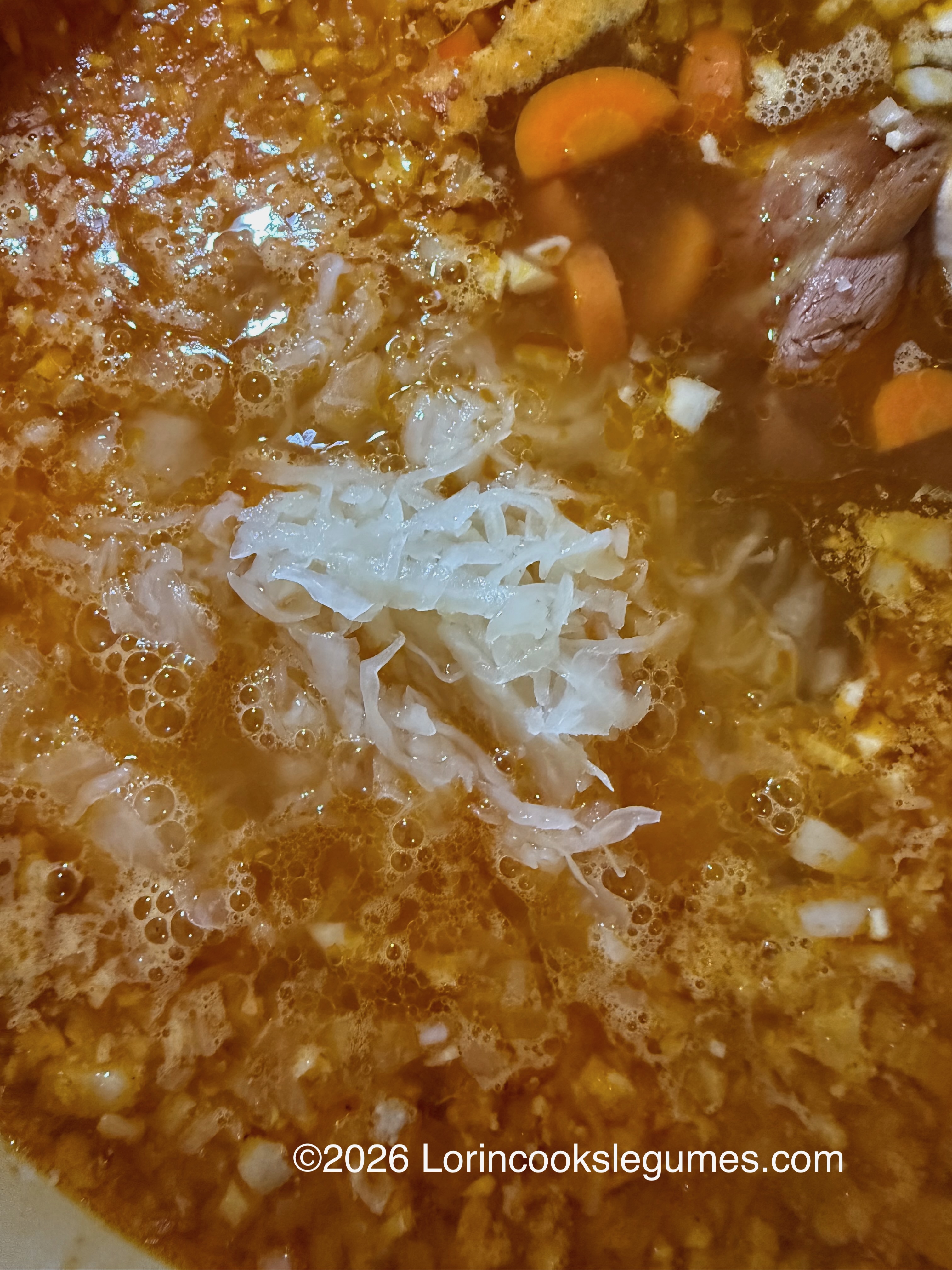
After 30 minutes, add the sauerkraut to the pot with the meat, and continue cooking for another 30 minutes or so, until the meat is falling off the bones. Remove the meat and allow it to cool until you can handle it, then remove the meat from the bones, chop it into bite-sized pieces, and return it to the pot. (Alternatively, you can leave the meat on the bones and serve it as a separate course.)
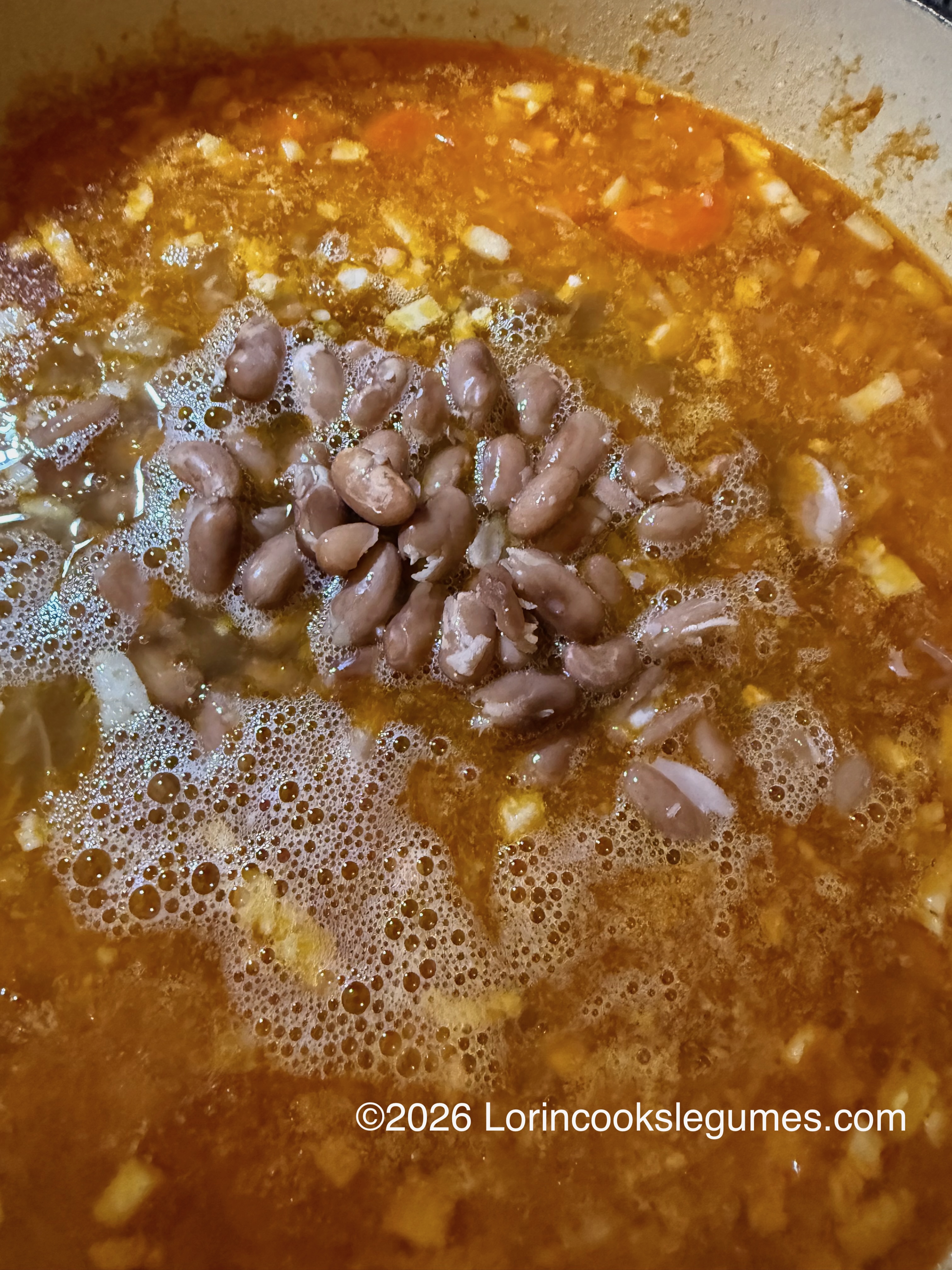
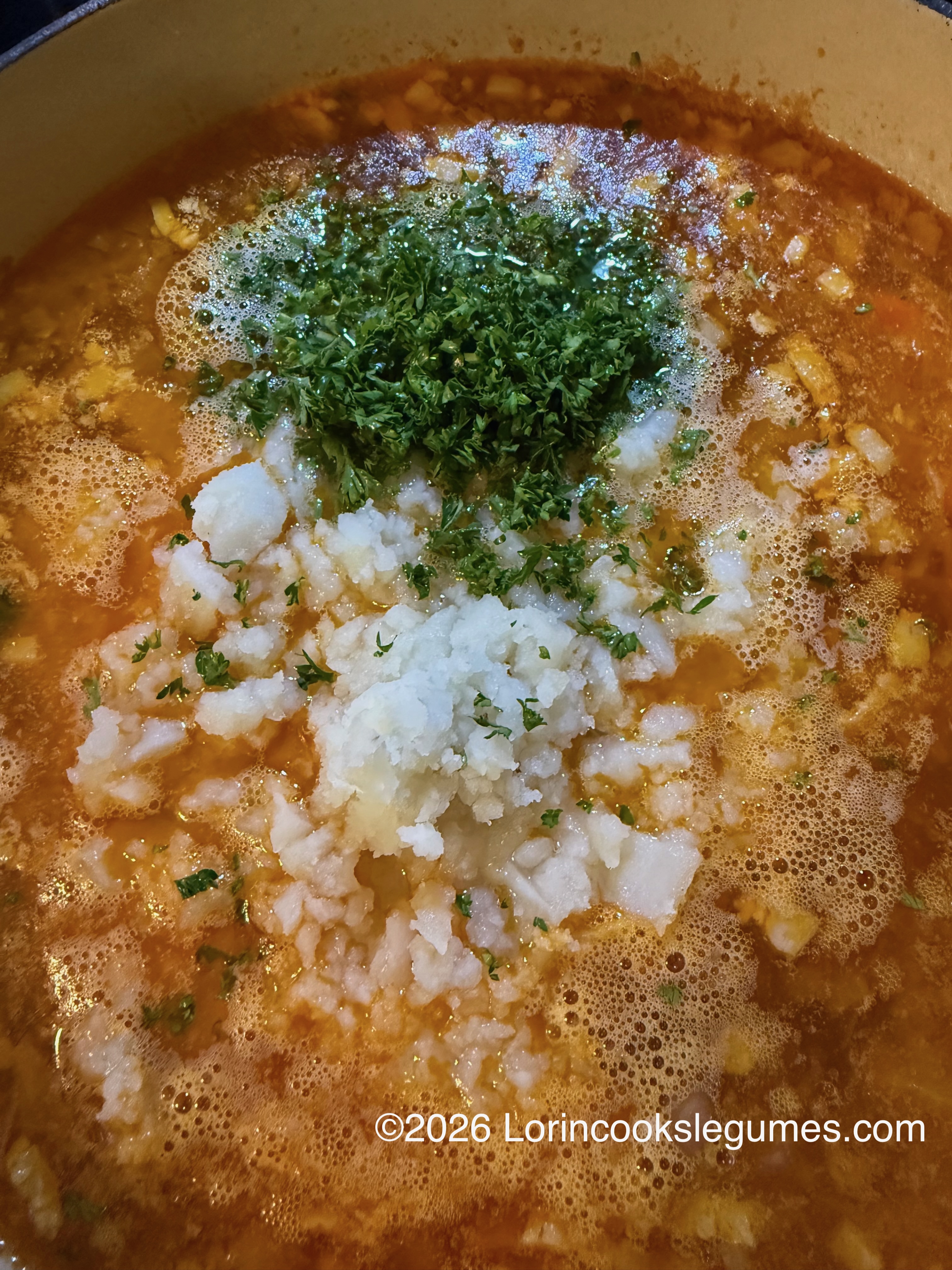
Once they are soft, drain the beans, reserving their cooking liquid. Add the beans, mashed potato, and parsley to the sauerkraut, and continue to simmer for another 10-15 minutes, until flavors meld, adding reserved bean cooking liquid as needed to reach desired consistency. Taste and add salt if needed.
Serve with good bread or polenta.

