
Ful medames (Arabic: فول مدمس, romanized: fūl midammis IPA: [fuːl meˈdammes]; other spellings include ful mudammas and foule mudammes), or simply fūl, is a stew of cooked fava beans served with olive oil, cumin, and optionally with chopped parsley, garlic, onion, lemon juice, chili pepper and other vegetables, herbs, and spices.Ful medames is traditionally made in and served out of a large metal jug. It is notably a staple food in Sudan and Egypt and is considered a national dish, especially in the northern cities of Cairo and Gizah. Fava beans can also sometimes be found in other cuisines in the Middle East, and Africa, though cooked differently.
https://en.wikipedia.org/wiki/Ful_medames
Ful medames is often considered the national dish of Egypt. It’s most commonly eaten for breakfast, often with boiled eggs, but is equally satisfying served any time of day.
Literally speaking, ful refers to small fava beans, and medames (or any of half a dozen other anglicizations of the Arabic word) means stewed, so it pretty much refers to any fava bean dish with a stew-like consistency. That said, I was pleasantly surprised to find a relatively consistent set of ingredients in the recipes I looked at.
One of the very first recipes I posted when I started this blog is a dish called bissara, which is also made with fava beans. I have recipes for a Moroccan version that’s generally more of a soup, and an Egyptian version that’s treated as a dip. Both are quite different from this dish.
There is archeological evidence for ful (fava beans) having been used in the Middle East as far back as the Neolithic, and we have a written record of their use from the 4th century. Any way you slice it, they’ve been a staple food for people in the Middle East for at least a couple thousand years. Egypt claims to be the origin point of ful medames, from whence it spread across the region. I’m not going to go quite as crazy with exploring every national variation of this dish as I did with feijoada, fasoulia, or dal, but there are several distinct local variations that I’ll be exploring over the next few posts.
According to Wikipedia, during the Middle Ages, the neighborhood around the Princess Baths in Cairo had a monopoly on ful. During the day, they stoked fires to heat giant pots of water for the baths. Then at night they would put pots of beans to cook over the embers, and cookshops from all over the city would send minions to buy wholesale ful to serve their customers. Eventually, this became a big enough business that they also kept pots of beans cooking during the day. It’s a nice story, but I’m not 100% convinced; the source material they cite is more the “I tried all these different kinds of ful while I was in Cairo” kind of food writing than scholarly research, and basically says that “a professor who wrote an authoritative book on Cairo published by a famous university press, told me this story to explain why the small fava beans are called ‘bath beans'”. They name the professor and university, but not the book. So yeah, plausible story, but also… maybe not?
The most basic version of the ful medames simply seasons cooked beans with garlic, cumin, and olive oil, and garnishes them with lemon, parsley, onion, and/or tomato. However, most of the recipes I looked at embellished it a little more, sautéing some onion, chilies, and tomato before adding the beans to heat through.
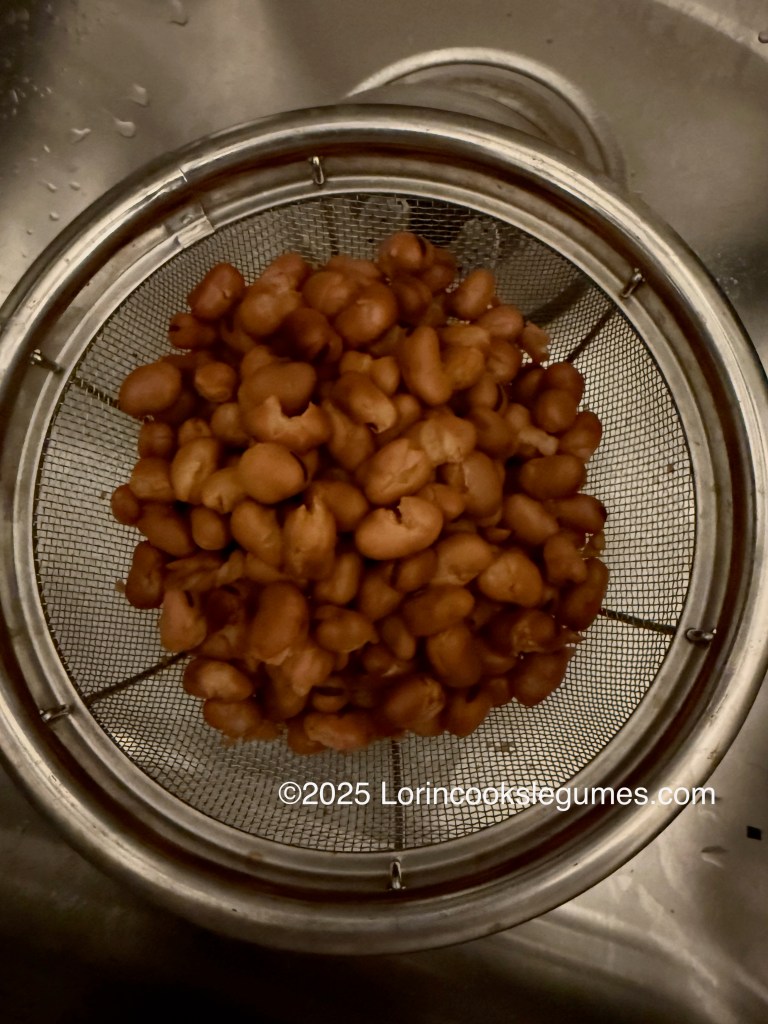
Most of the recipes I looked at used canned fava beans. If you are going to start with dry beans, you want the small variety of favas, not the larger broad beans, and you’ll need to soak them overnight and cook them for several hours. I had always been under the impression that favas have a thick, inedible skin that has to be removed before you can eat them (yes, the individual beans, not just the pod), which frankly is a big pain in the behind. (I used to work at a restaurant where we would get fresh favas that we had to take out of the shells, blanch, and then peel the individual beans. I’ve never tried to do it with dry favas, but my understanding is that once they’ve been soaked, you can slip the skins off.) Imagine my surprise that NONE of the recipes I looked at said anything about peeling the beans. Granted, most of them use canned beans, but clearly the beans in the photos, and the beans in the cans I bought, had not been peeled, and were perfectly edible as is. I suspect that the larger beans probably do have to be peeled, but the small ones have edible skin.
I drove around to four different grocery stores to find canned favas here in Duluth. I wasn’t surprised not to find them at the first two, but when the store with the most extensive international section didn’t have them, I was preparing to change my dinner plans and order them online. But in the end, the last store that I figured I’d check, since it was more or less on the way home anyway, did have them. It’s the most upscale grocery store in town, and often surprises me with items I don’t expect to find… but also occasionally shocks me when it don’t carry something I’m certain that they will. (I just went looking for the brand I found in the store on Amazon to link to in the recipe below, and was surprised to find it wasn’t listed! Many other Middle Eastern ingredients from Ziyad, but no Foule Mudammas! I chose another brand to link to if you can’t find canned favas in your local grocery store.)

Once you’ve got your fava beans, the only other slightly unusual ingredient is tahini, or sesame paste. Think peanut butter, but made from sesame seeds. I don’t think this is actually a super common ingredient in Egyptian versions of ful, but it made it into my recipe. However, The version of the dish from Aleppo is described as beans “smimming in tahni and olive oil”. We’ll explore that one next time.
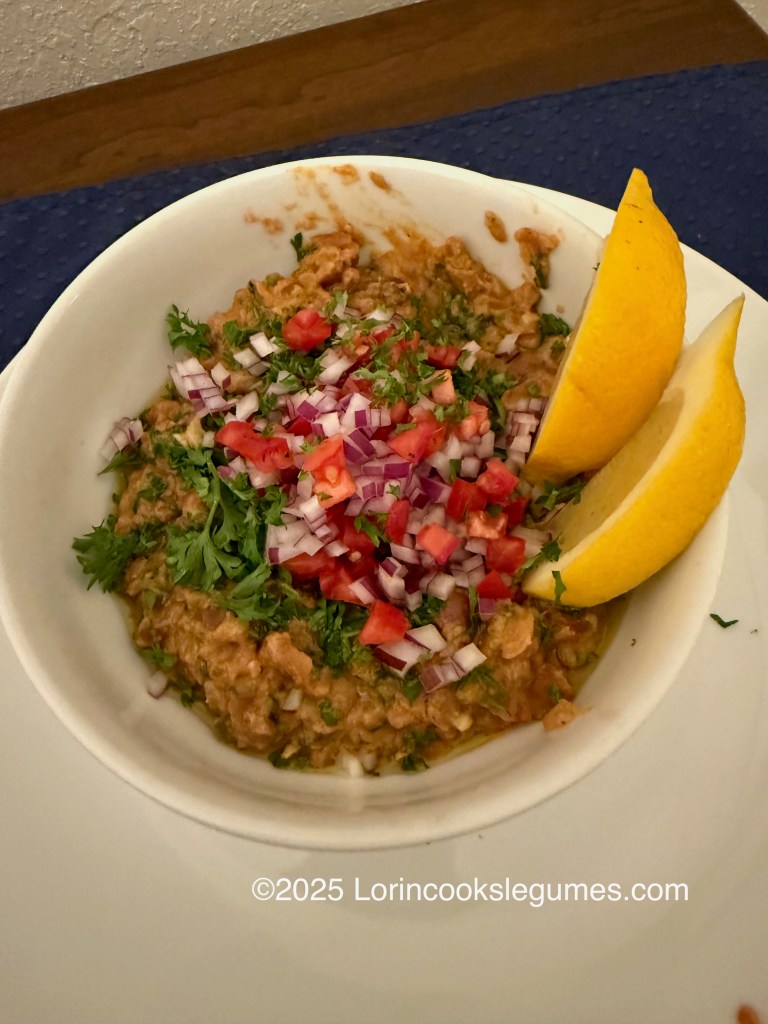
Fava beans have a bit of a funky flavor/ odor, compared with other beans, and I think the bright, fresh flavors of the garnish are important to help balance things. Certainly, you could eat the ful without any of the garnish ingredients, but it’s going to be better with that lemon, parsley, onion, and fresh tomato. And don’t forget the pita bread! Traditionally, ful is served in a communal bowl, and you use pieces of pita to scoop up the beans with your fingers.





Ful Medames
Serves: 3-4
Prep: 20 minutes
Cook: 30 minutes with canned/ cooked beans
Total: ~50 minutes with canned beans, or 3-4 hours plus overnight soaking with dry beans.
(As an Amazon Associate I earn from qualifying purchases.)
2 14-oz. cans fava beans
OR
650 g dry fava beans
2 Tablespoons extra virgin olive oil
1 small onion, finely diced
1-2 green chilies, minced
3 cloves garlic, minced
2 medium tomatoes, diced
1 ½ teaspoons ground cumin
1 teaspoon paprika
⅓ teaspoon salt
⅓ teaspoon ground black pepper
1 ½ cups water
3 ¾ Tablespoons tahini
1 small bunch of parsley, divided
2 ½ Tablespoons fresh lemon juice
To garnish:
2 teaspoons extra virgin olive oil
½ cup parsley, minced
1 small tomato, finely diced
1 small red onion, finely diced
1 small lemon, cut into wedges
Pita bread
Optional:
1 Tablespoon baking soda, in soaking water for dry beans
3 Tablespoons orange lentils (cook with dry beans)
3 Tablespoons short grain rice (cook with dry beans)
1 Tablespoon turmeric
2 organic lemons, quartered (boiled with beans)
1 ½ Tablespoons ground coriander
1 teaspoon zaatar
1 teaspoon sumac
⅓ teaspoon dry thyme
1 teaspoon ground ginger
1 teaspoon dry mint
½ teaspoon cayenne pepper
Chili oil, to garnish
Assorted pickled vegetables, on the side
2 teaspoons dry oregano
1 teaspoon pul biber
1 lime, juiced (in place of lemon juice)
½ cucumber, finely diced, to garnish
1 small bunch cilantro, minced, to garnish
Salt and black pepper, to garnish
½ bell pepper, diced
Drain your canned beans, rinse, and set aside. (If using dry beans, soak them overnight, and boil them in fresh water until very soft, 2-3 hours.)
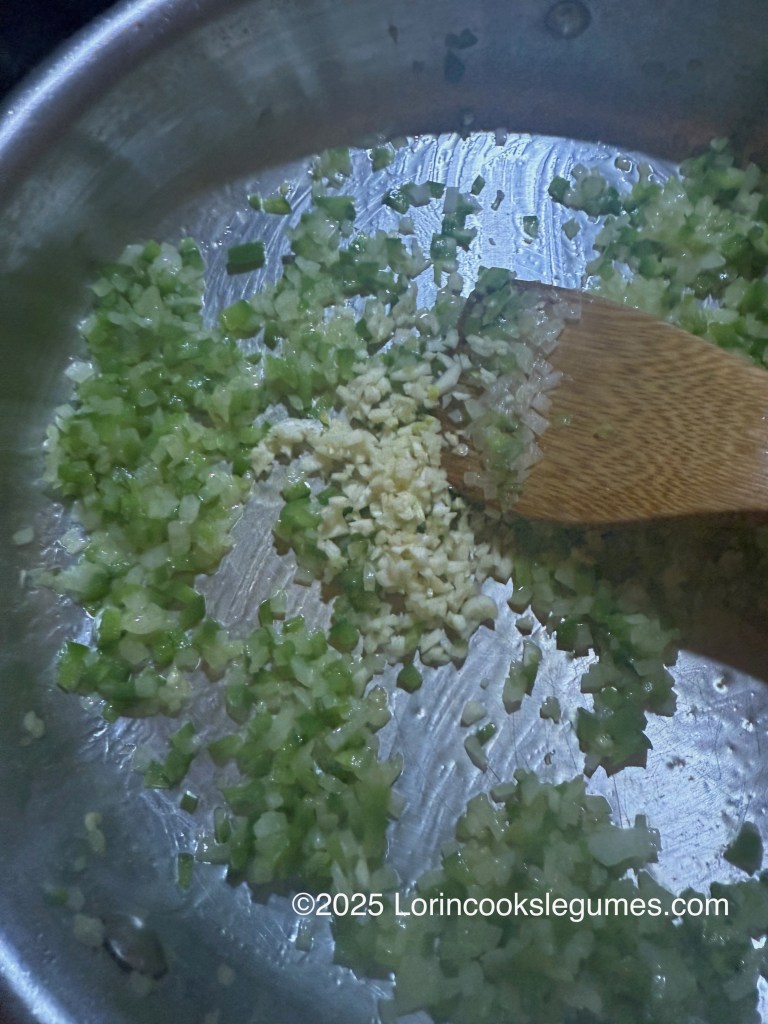
Heat 2 Tablespoons of olive oil in a skillet. Add the onion and chilies and sauté until the onion is translucent, 5 minutes or so. Add the garlic and cook for a minute or so, until fragrant. Add 2 diced tomatoes and cook until they begin to break down, about another 5 minutes.
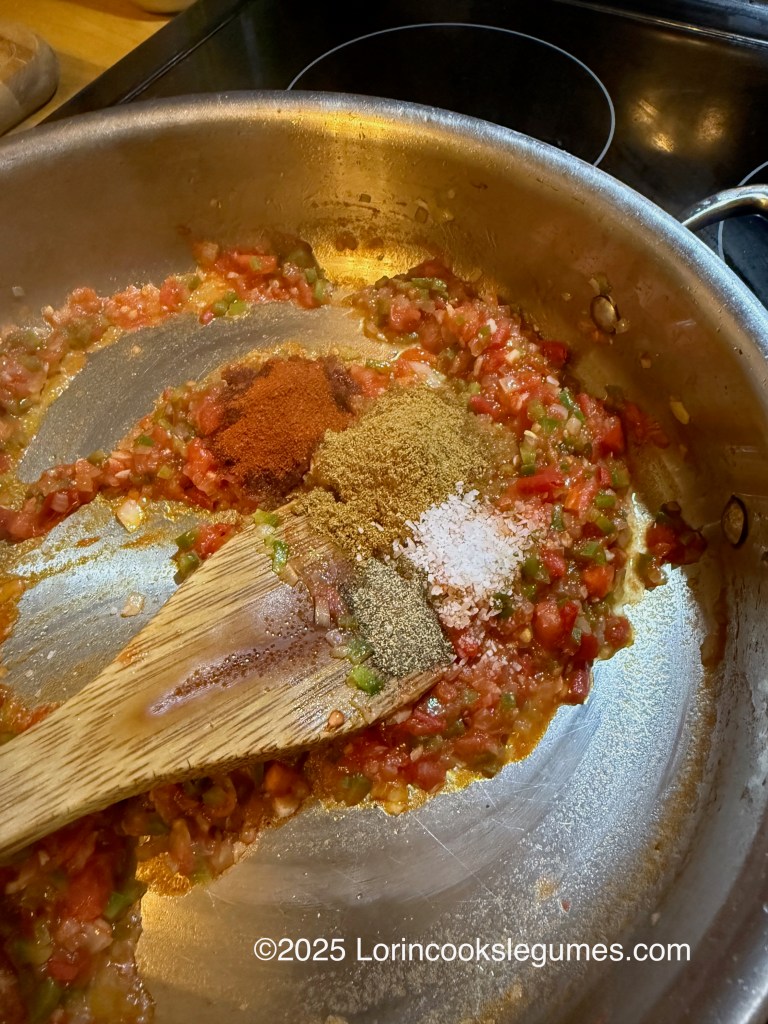
Add the cumin, paprika, salt, and pepper, and mix well before adding the beans and 1 ½ cups of water (if you cooked your own beans, use some of the bean broth instead of plain water). Bring to a boil, and reduce the heat to a simmer for about 10 minutes, stirring occasionally. Mash about half the beans with the back of a fork or a potato masher.
Meanwhile, mince your small bunch of parsley and set aside ½ cup for garnish.
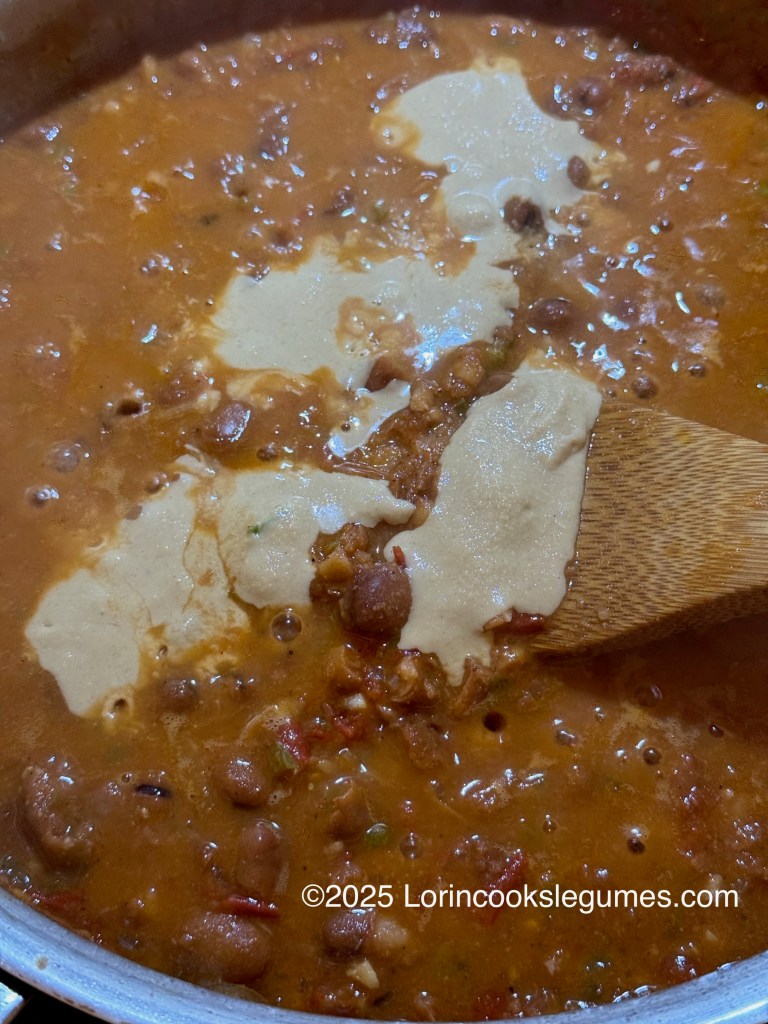
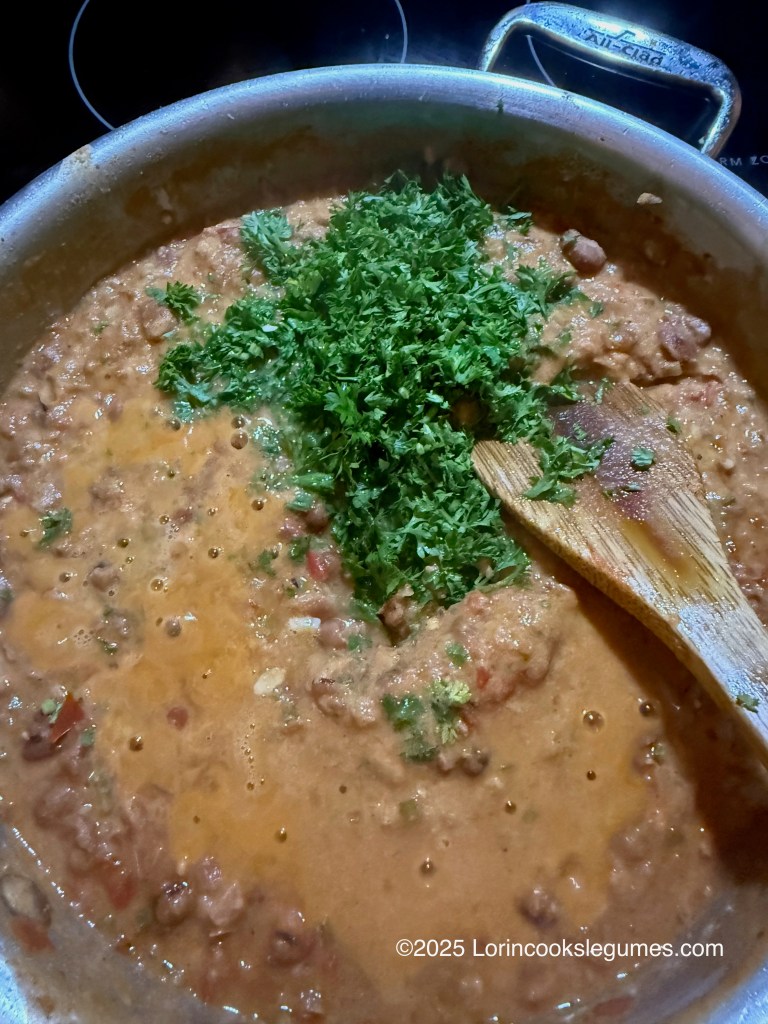
Once some of the liquid has evaporated and the desired consistency has been reached, stir in the tahini, minced parsley (reserving ½ cup for garnish), and lemon juice. Taste for seasoning and remove from heat.
Transfer to a serving bowl and drizzle with 2 teaspoons of olive oil. Sprinkle on ½ cup minced parsley, 1 diced tomato, and diced red onion. Serve with lemon wedges and warm pita bread on the side.
Crock pot directions (for dried beans) Place the soaked beans in a crockpot, add the olive oil, vegetables, and spices, and enough water to cover, and cook on low for about 5 hours (checking every hour or two to make sure the beans are still covered with water). Once the beans are soft, add the tahini, parsley, and lemon juice and cook for a few more minutes before garnishing and serving.
 Lorin cooks Legumes
3 Comments Add yours