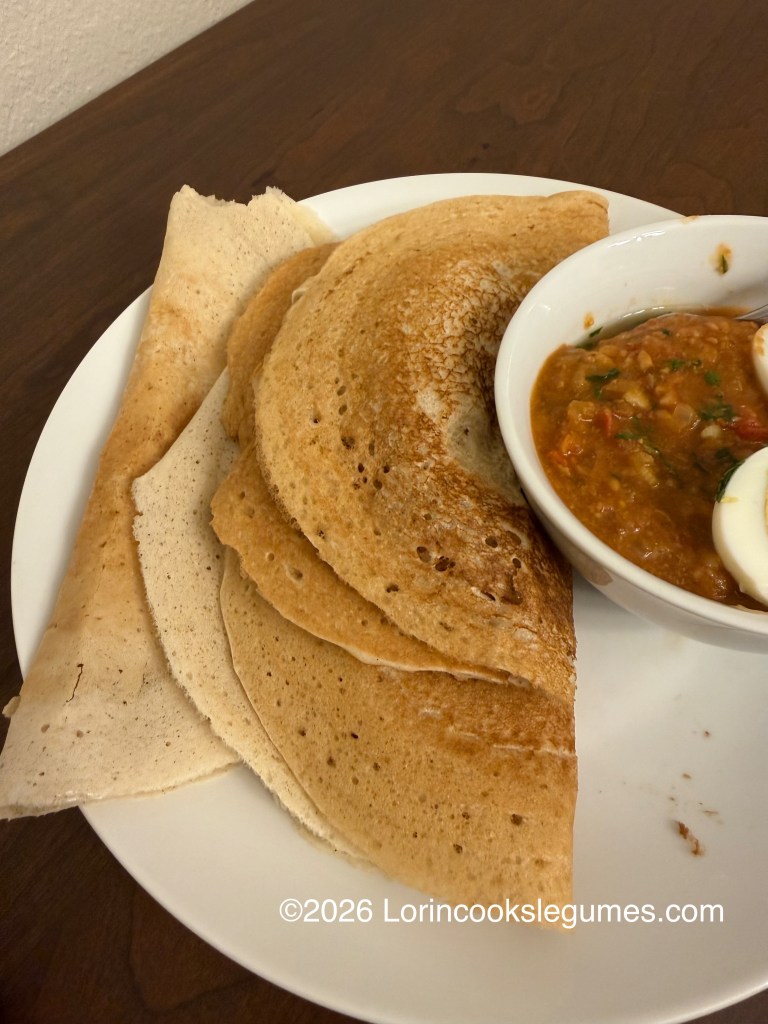
Lahoh (Arabic: لحوح, romanized: laḥūḥ [laħuːħ]; Somali: laxoox) is a type of spongy flatbread eaten regularly in Yemen, Djibouti, Kenya, Ethiopia, Somalia and Saudi Arabia. Yemenite Jewish immigrants popularized the dish in Israel. It is called canjeero/canjeelo in southern Somalia and called lahoh in Somaliland, Djibouti, Yemen and Saudi Arabia.
https://en.wikipedia.org/wiki/Lahoh
I’m back! I certainly wasn’t expecting it to take over a month to get to my second attempt at Somali ful medames and experimenting with canjeero. However, I couldn’t find white cornmeal here in the frozen north, and was sent a case of rubbing alcohol instead of cornmeal by the Amazon seller I chose. They eventually sent me the right thing, but I had to bug them a couple of times before it was actually shipped. (If any of my local friends are reading this, hit me up if you ever need rubbing alcohol… I’ve got a lifetime supply now.)
Canjeero (I believe the c is silent), or laxoox (lahoh), depending on which part of Somalia you’re in, is basically a sourdough crêpe. It’s similar to Ethiopian injera but has a shorter fermentation time and is generally smaller than the platter-sized rounds injera is traditionally made in.
Traditionally, canjeero (in southern Somalia) or laxoox (in the north) was made with various grains and legumes other than wheat, and the long fermentation process helped produce gluten-like structures in the batter. We saw a similar process in my dosa recipe. However, in modern times, wheat flour has been adopted into the recipe, and all my source recipes included it. Wikipedia claims that there’s a divide between the use of primarily wheat flour in the south versus a mixture of non-wheat flours in the north, similar to the naming divide. I get pretty much the same recipes when I search for different names, though, so I’m not going to spend any time exploring that rabbit hole.
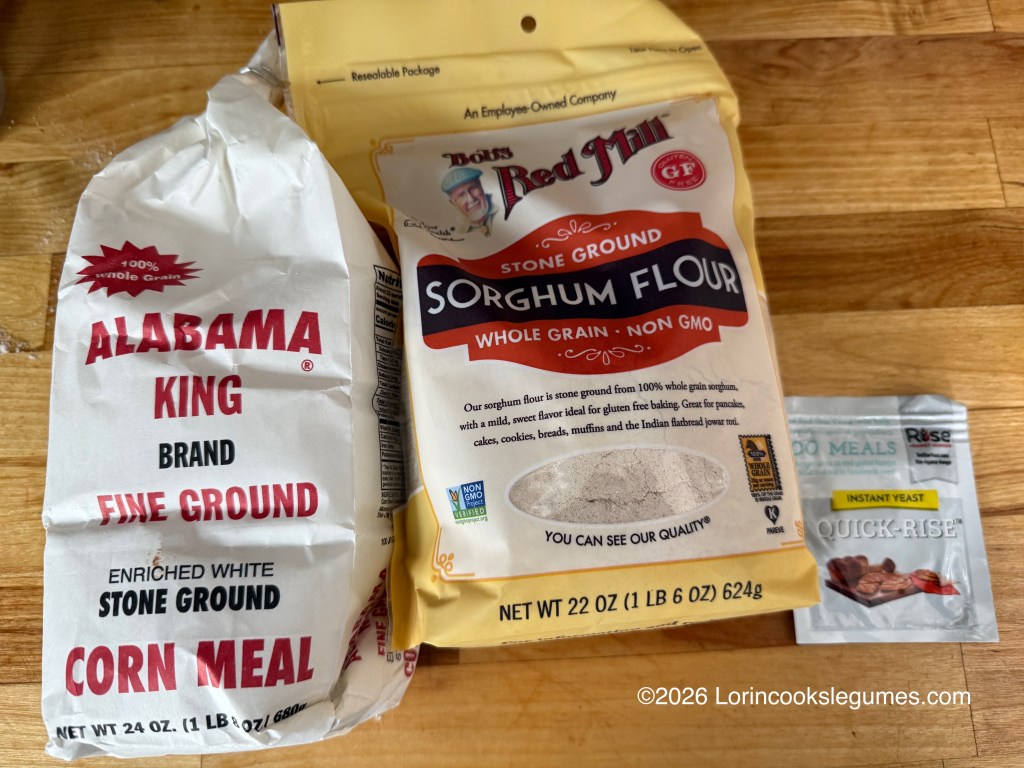
While some of the recipes I looked at are, in fact, all wheat, most included some cornmeal and/or sorghum flour to help develop the traditional flavors. I’m sure the traditional method took several days to ferment those flours and develop a sourdough starter. We jump-start that process with a packet of yeast, and also add some baking powder for extra lift.
All the recipes I saw that use cornmeal call for fine-ground white cornmeal. I don’t know if using yellow cornmeal would make a difference, other than maybe color. One author suggested blitzing coarse cornmeal in a high-powered blender to make it finer, although I’m not sure how well that would actually work.
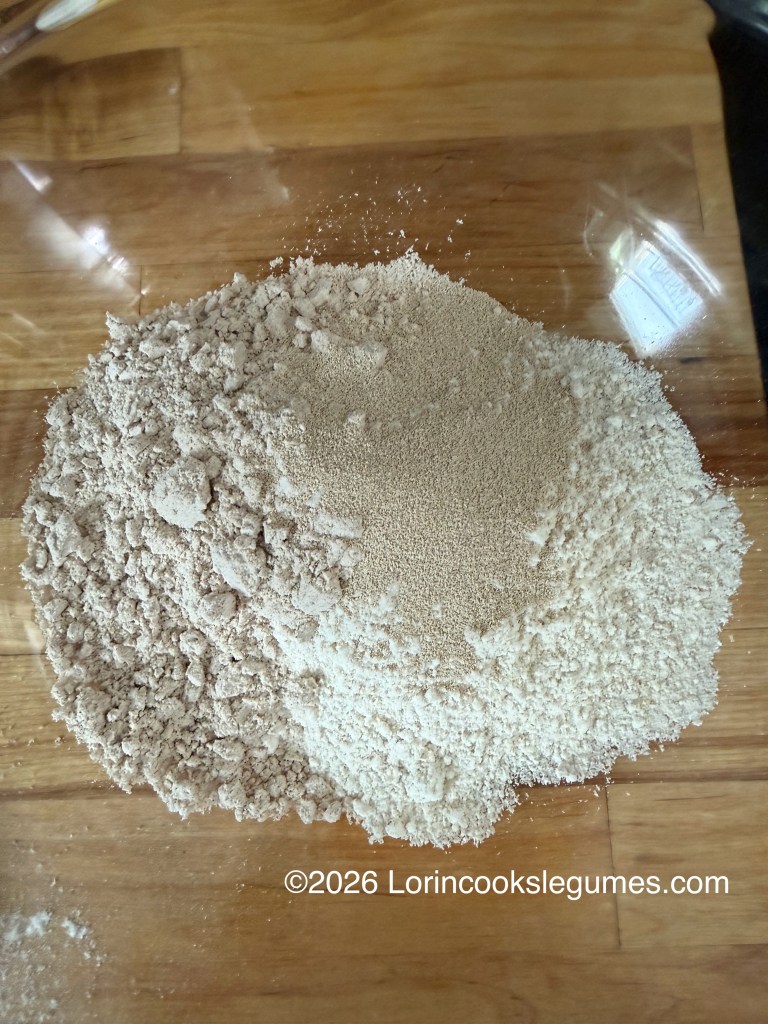
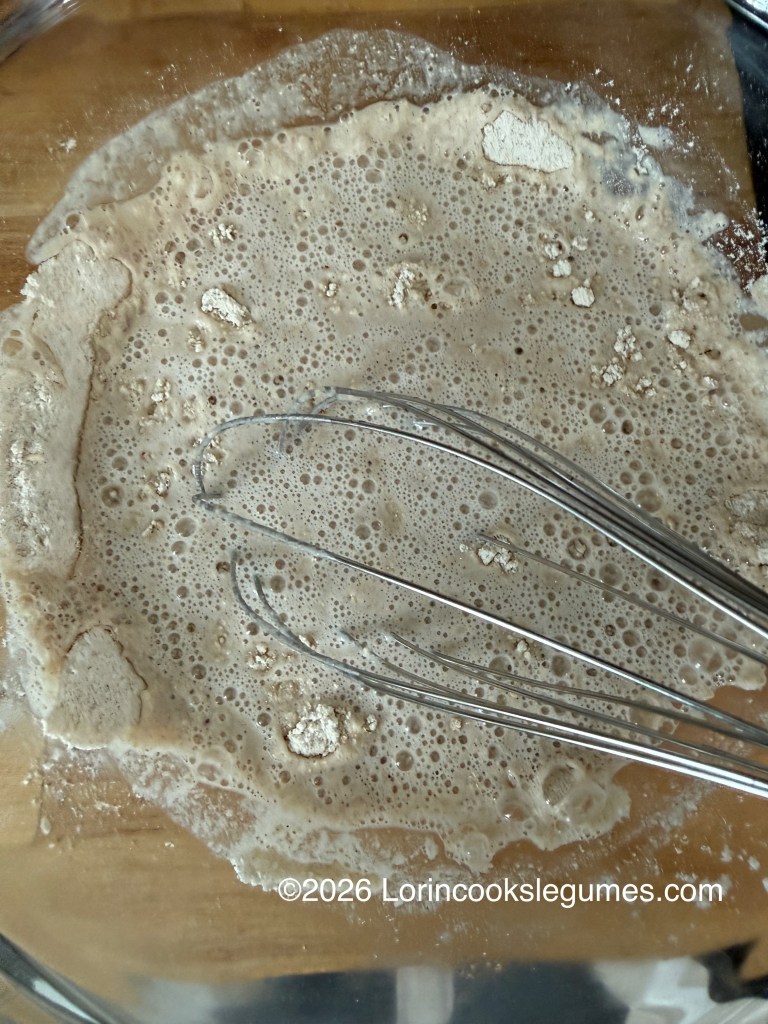
Although the entire process takes a minimum of six hours, it’s simple and mostly hands-off. You start by mixing your cornmeal and sorghum flours with yeast and water, give it an hour or so for the yeast to start working, then add the remaining ingredients and ferment overnight.
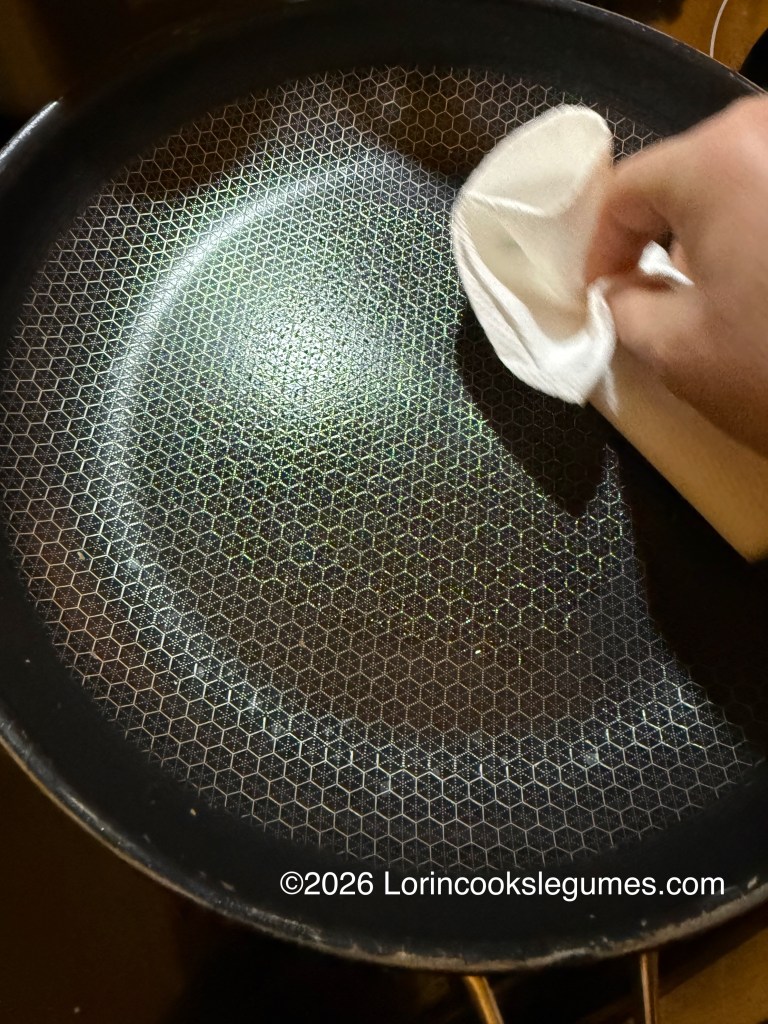
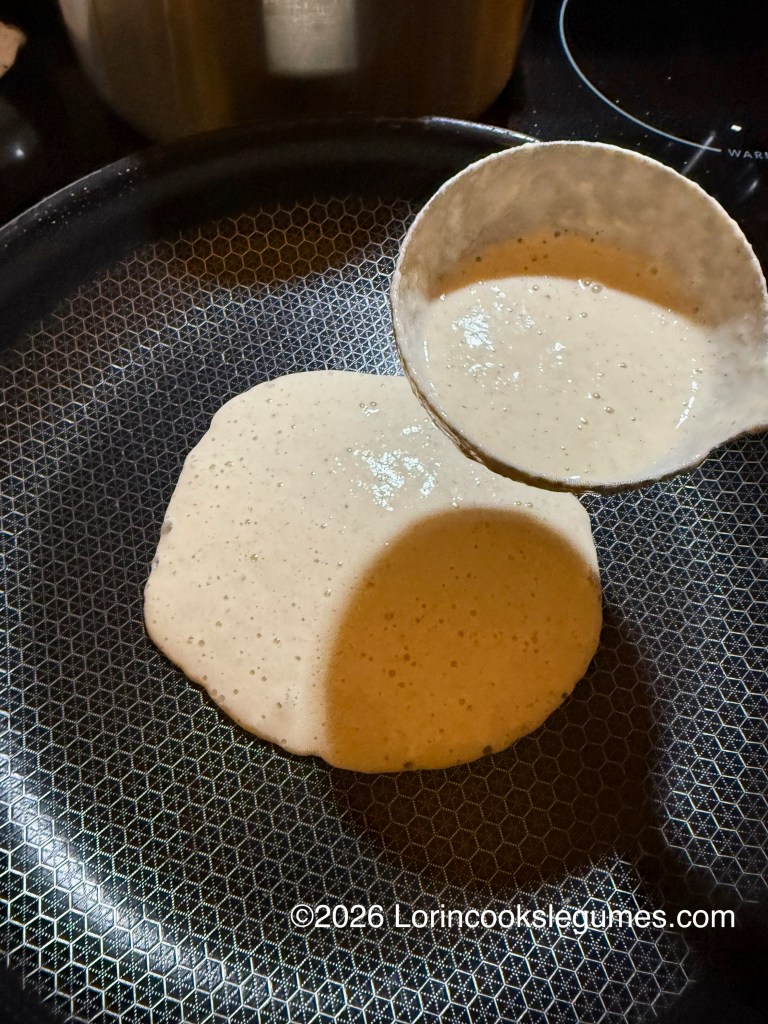
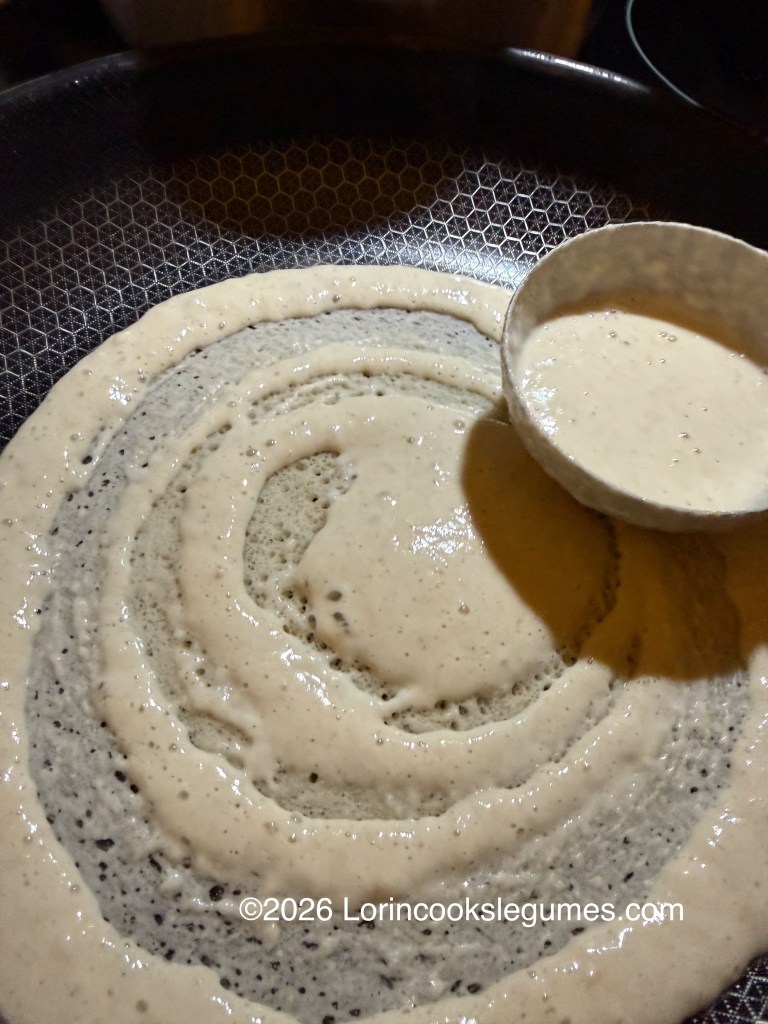
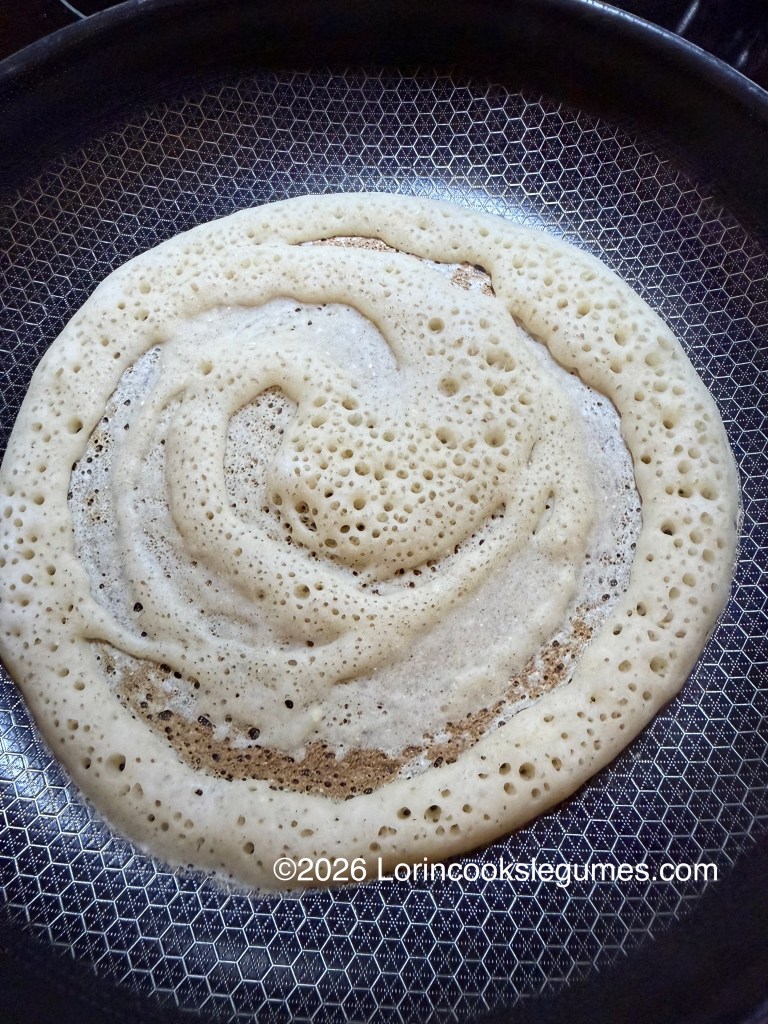
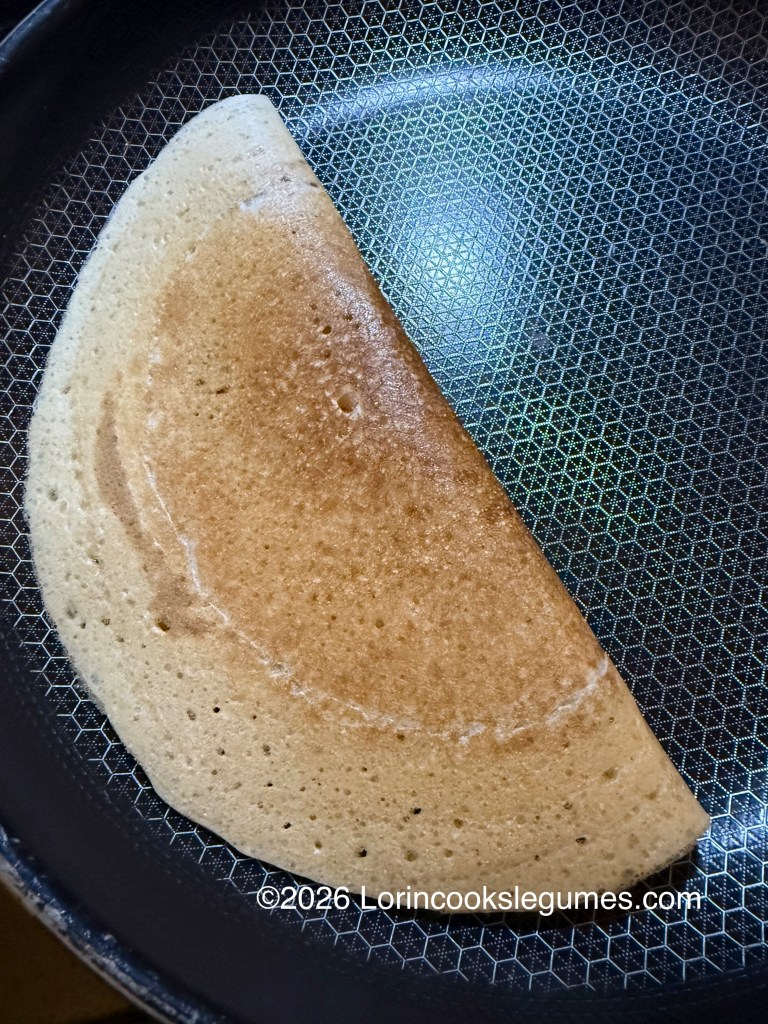
Once you’re ready to cook the canjeero, heat a large non-stick frying pan, crêpe pan, or tava over medium heat. Spread a little oil with a paper towel, then pour some batter in the center of the pan and use the back of the ladle or the bottom of a cup to spread it in a spiral pattern to the edges of the pan. As it cooks, many little bubbles will form and pop, leaving little holes. Once the top of the pancake is dry and covered with holes and the bottom is golden brown, remove it from the pan and serve! The hardest part of the whole process is probably figuring out the right amount of batter for your pan! You don’t need to re-oil the pan before starting the next one, although I usually wiped it out with the same paper towel I used at the start.
As I’m copying my recipe into this post, I just noticed that I called for covering the pan while cooking the canjeero. Clearly, in the month-plus between writing the recipe and cooking it, I forgot about that step. Yes, traditionally you would cover the pan while cooking these (a glass lid would be helpful). Obviously, it is possible to cook them without covering. I can’t say what difference that makes.
If you don’t want to cook all of the batter at once, it will keep in the fridge for a few days. The sourdough flavor will become more pronounced, but my batter cooked up just as well on day four as on day one. If you intend to make canjeero frequently, save a half-cup of batter as a starter to use in place of yeast in your next batch!
Canjeero typically is drizzled with melted butter, and sugar or honey, and served with Somali tea for breakfast, but can also be served (as I did) with ful medames or other stews.
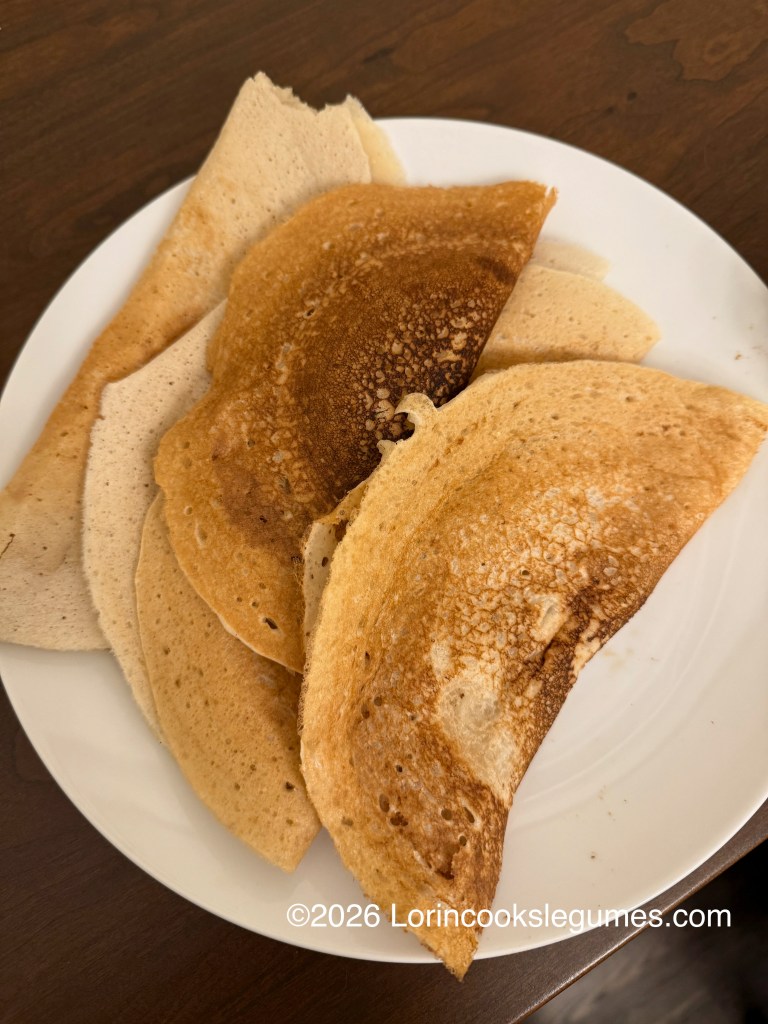
Canjeero/Laxoox
Yield: ~16 10″ pancakes
Prep: 10 minutes
Cook: ~30 minutes
Fermenting: ~6 hours or overnight
Total: ~6:40
(As an Amazon Associate I earn from qualifying purchases.)
¾ cup fine-ground white cornmeal
½ cup sorghum flour
1 packet instant yeast (2 ¼ teaspoons)
1 ¾ cups lukewarm water
¾ teaspoon salt
¼ cup sugar
3 ½ cups all-purpose flour
AND
1 ½ teaspoons baking powder
OR
3 ½ cups self-rising flour
2 ⅔-3 cups lukewarm water, or as needed
Oil
Optional:
¾ Tablespoon sugar, in the starter
1 teaspoon unsalted butter, to grease the pan
1 egg
⅔ cups rolled oats (mix starter batter in a blender to grind the oats)
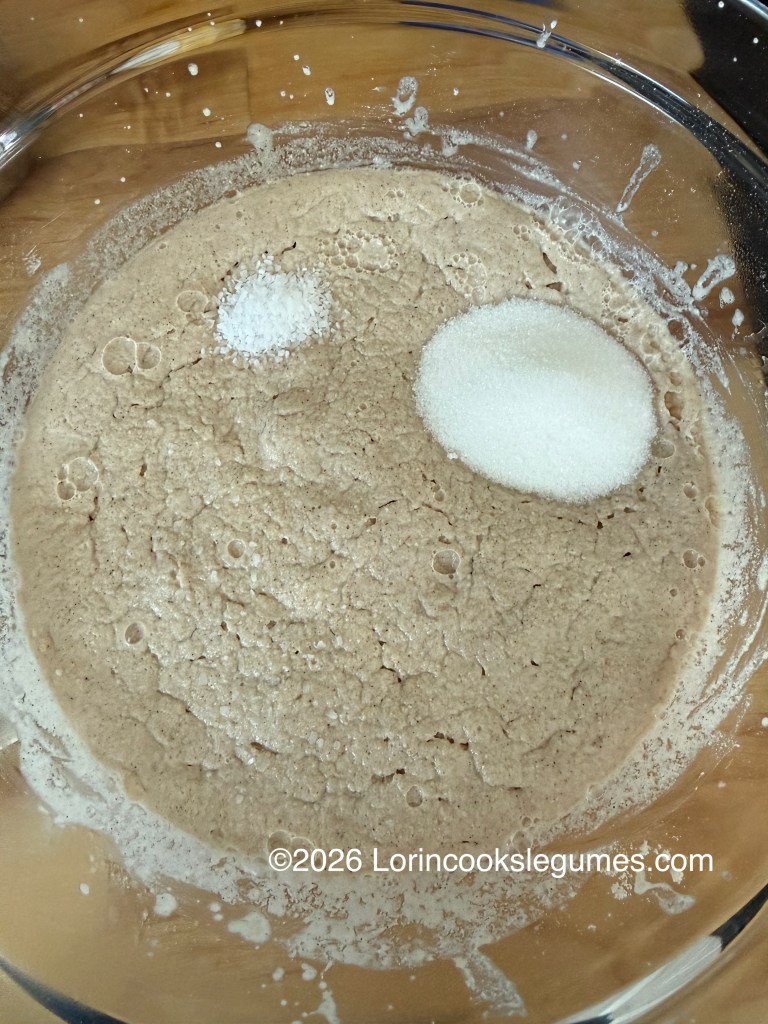
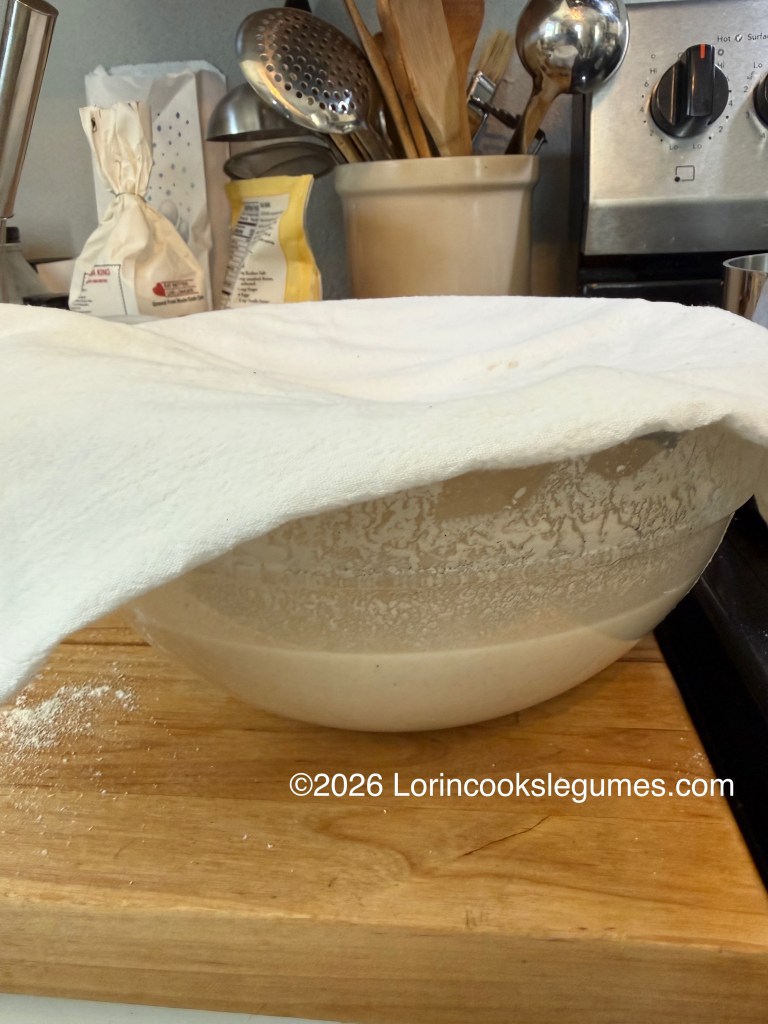
Mix cornmeal, sorghum flour, and instant yeast in a large bowl. Add 1 ¾ cups lukewarm water and whisk together. Cover with a clean towel and leave in a warm place to soak for 45 minutes to an hour.
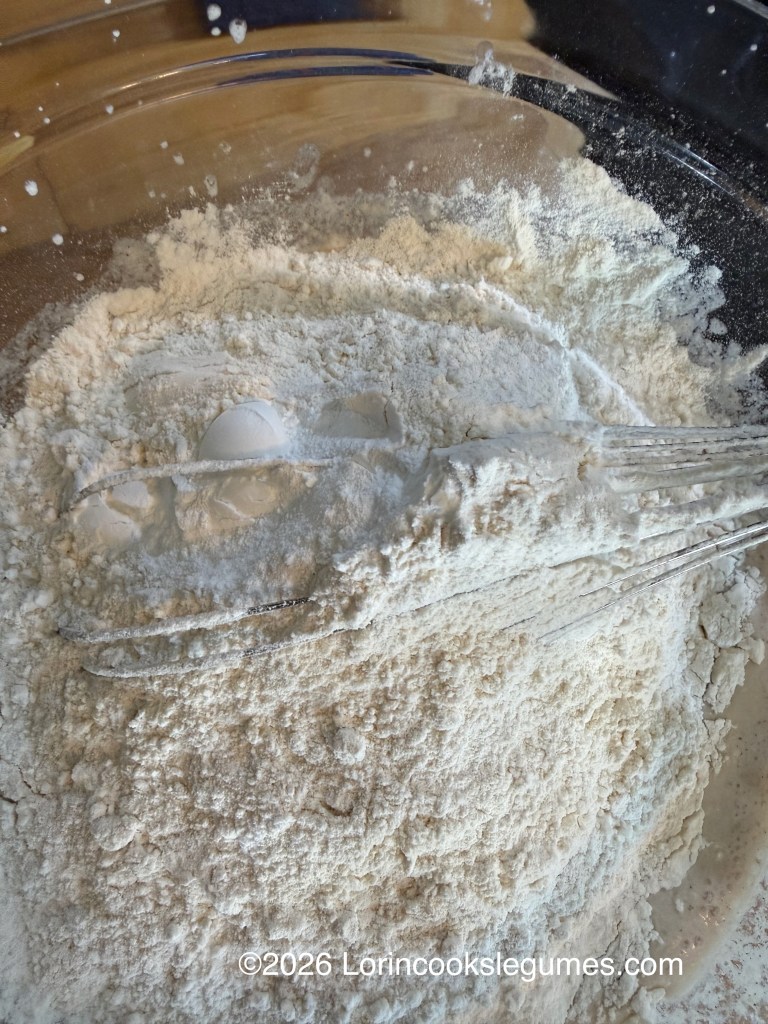
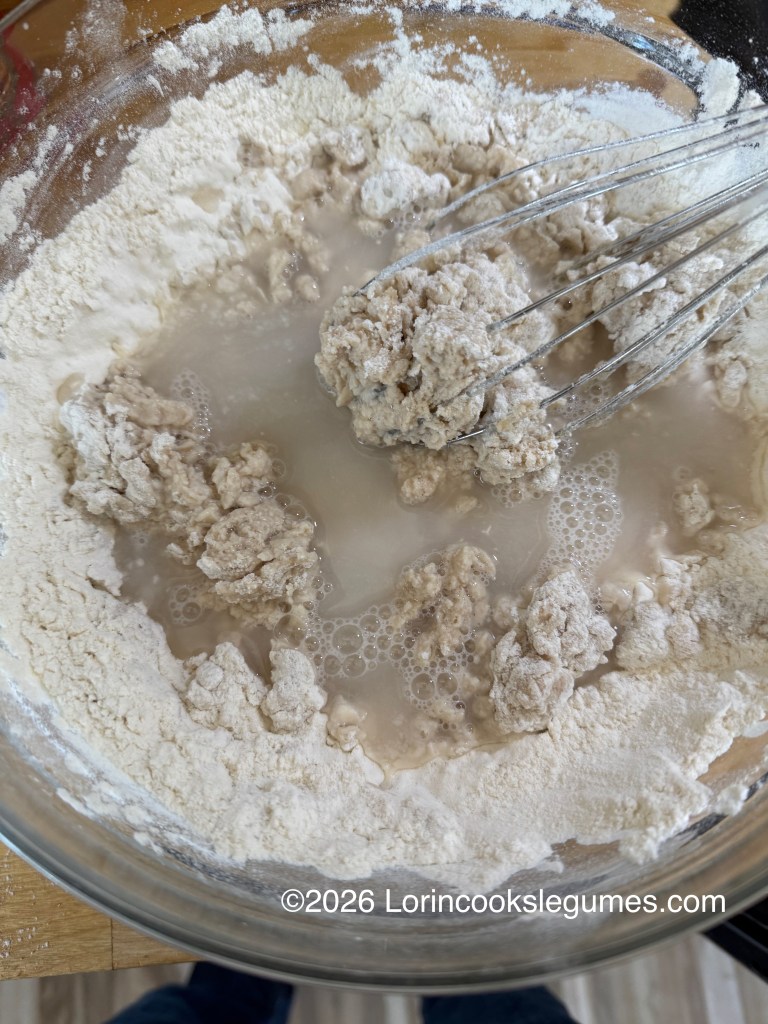
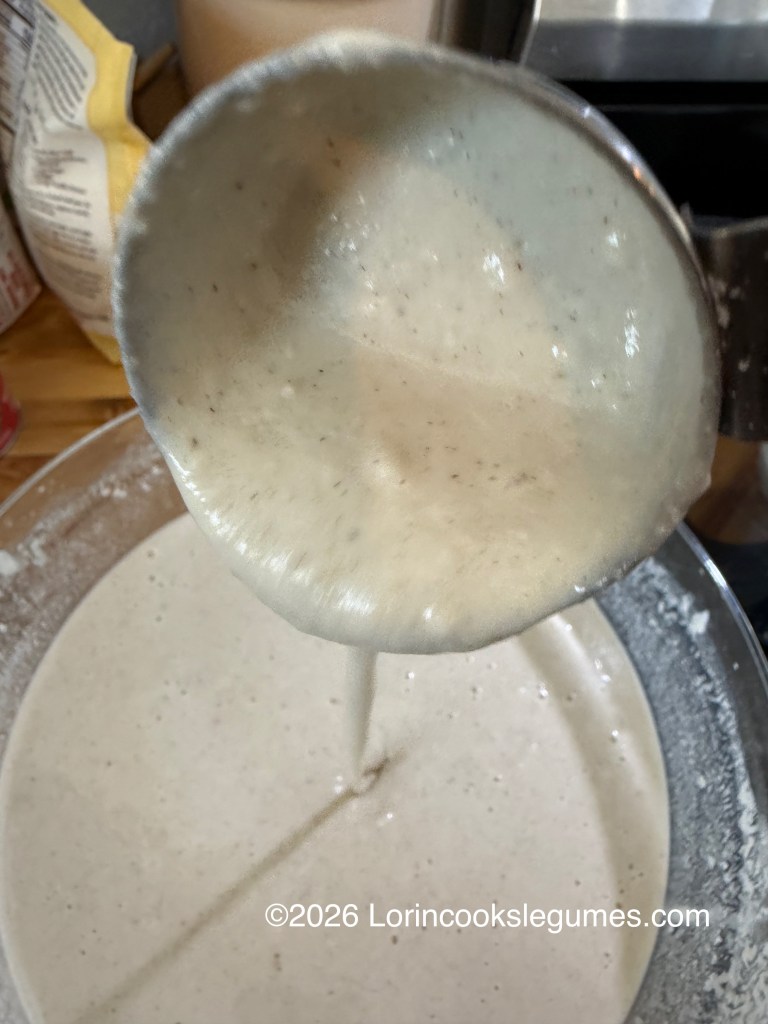
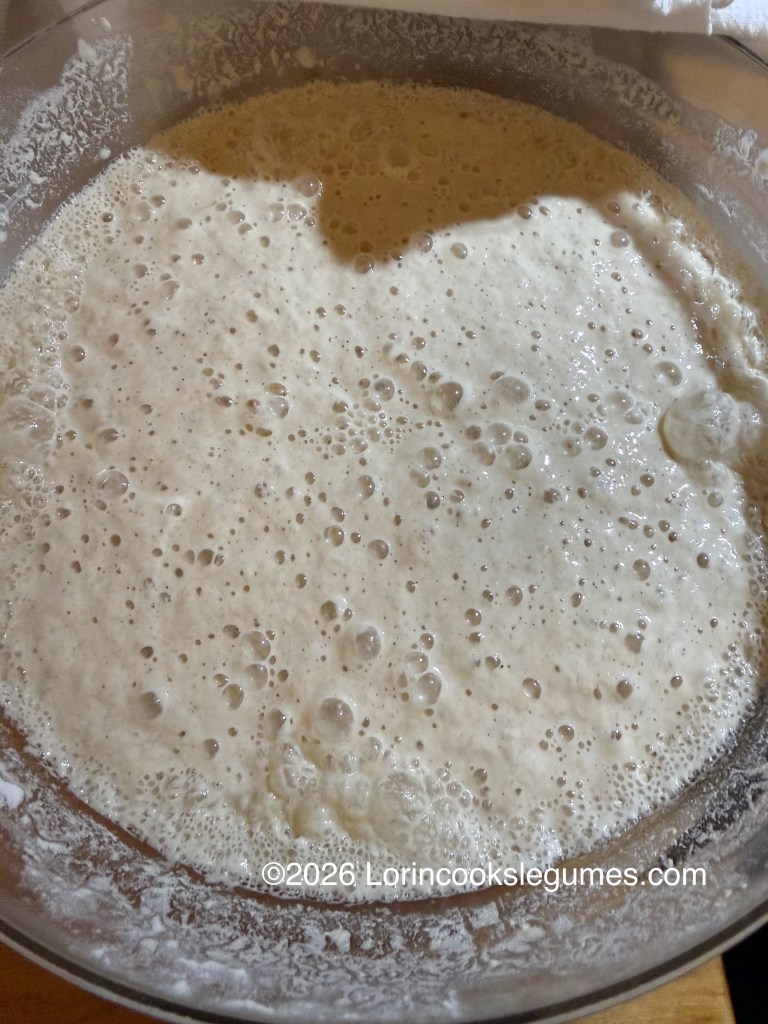
Add salt, sugar, flour, and baking powder, and beat until smooth, gradually adding the remaining lukewarm water as needed to reach a crepe batter consistency. Cover again and leave in a warm place to ferment for about 5 hours, or overnight.
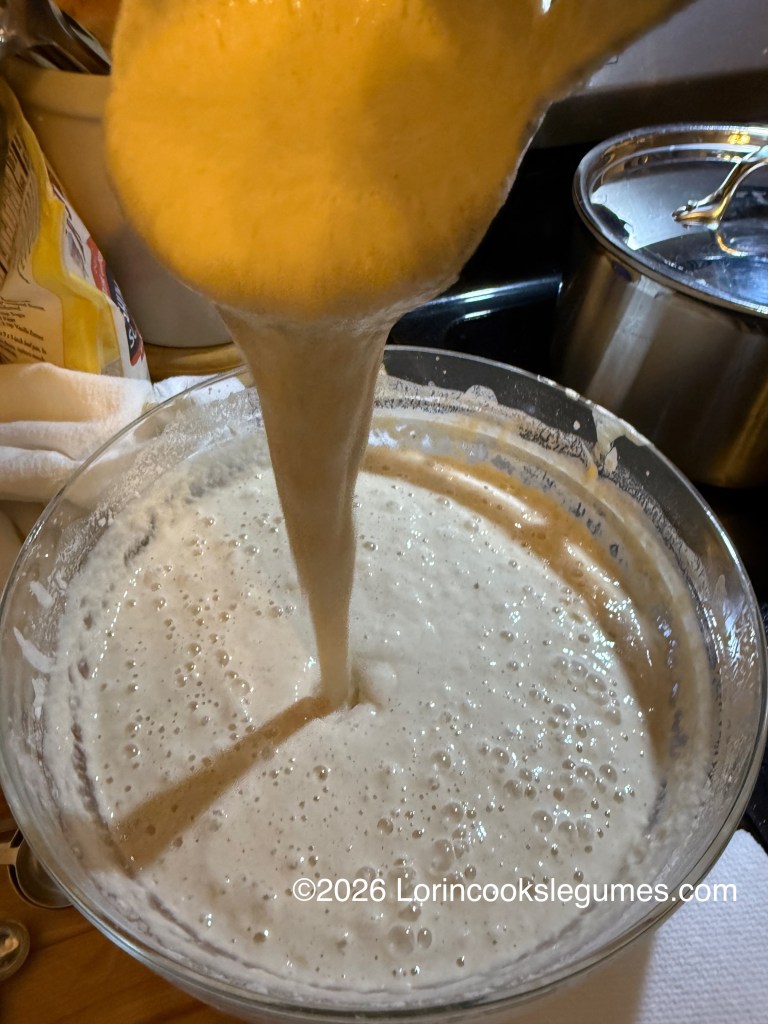
When ready to cook, the batter should be bubbly, with a thick-but-pourable consistency. Give it a good stir and add a bit more water if it has thickened during fermentation.
Heat a large non-stick skillet, crepe pan, or tava over medium heat. Use a paper towel to rub a little oil on it. Ladle some batter into the center of the pan, and use the back of the ladle to spread the canjeero in a spiral pattern. Cover the pan and let the canjeero cook until the surface is dry and the bottom is golden brown. Remove from pan and stack them on a plate while you cook the remaining batter. There is no need to re-oil the pan after the first one.
If you intend to make canjeero regularly, reserve ½-1 cup of the batter to use in place of yeast, in your next batch (adjust your water quantity as needed). You can also cook only as many as you want to eat, and reserve the batter in the refrigerator to cook more tomorrow!
 Lorin cooks Legumes
One Comment Add yours