[Ful Medames] has also travelled as far as Malaysia, in particular the state of Johore, and Singapore where it has been adapted into the local recipe kacang pool, which incorporates ghee in place of oil and minced meat. Kidney beans and baked beans are also added to give the dish more body. The words kacang and pool both mean “beans” respectively in Malay and Arabic, rendering it tautological.
https://en.wikipedia.org/wiki/Ful_medames
European colonial powers don’t have a monopoly on taking their foods around the world to be adapted to local flavors. I’ve explored that theme a few times on this blog, most notably with feijoada, a Portuguese dish that’s now more commonly associated with Brazil, but found in pretty much every country Portugal ever colonized.
In this case, ful medames has followed Muslim expansion all the way to Malaysia. The basic form of the dish stays the same, but more spices are added as well as some meat to create a familiar dish with a distinct local flavor. According to Wikipedia, kakang is Malay for beans, while pool comes from ful, Arabic for beans, so the dish is literally “beans beans”, but one or two of the blogs I looked at translated kakang as “nuts”, so I’m not sure if there’s a separate word for beans, or if all hard seeds are simply known as kakang. I did see one recipe that included peanuts, but it certainly wasn’t a common ingredient.
The Wikipedia quote above references adding baked beans and kidney beans to the fava beans for “more body”. My research doesn’t quite back this up. Yes, several recipes called for other types of beans, but these were in place of fava beans rather than in addition because, surprise, surprise, the Upper Midwest isn’t the only place in the world where fava beans are hard to find. Apparently, even in a major metropolis like Singapore, they aren’t stocked in most grocery stores, so people substitute other types of beans. Note that “baked beans” in this case would be the tomato-based British style, not the sweet sticky ones we like here in America, and most recipes I saw rinsed the sauce off to get the beans without extra ingredients.
Besides being loose about what type of bean to use, kakang pool’s biggest difference from ful medames is the occasional use of meat. It doesn’t seem to be universal, as several of the recipes I looked at were vegetarian without emphasizing it, but adding some ground beef or lamb seems to be common. It’s generally only a small amount, ¼ to ½ a pound for 1-2 cans of beans, so it’s primarily for flavor and texture, or maybe to stretch beans that can be hard to find. The use of ghee as the primary cooking fat also moves this out of the vegan realm that the Middle Eastern versions of this dish generally occupy, but you can easily substitute another oil.
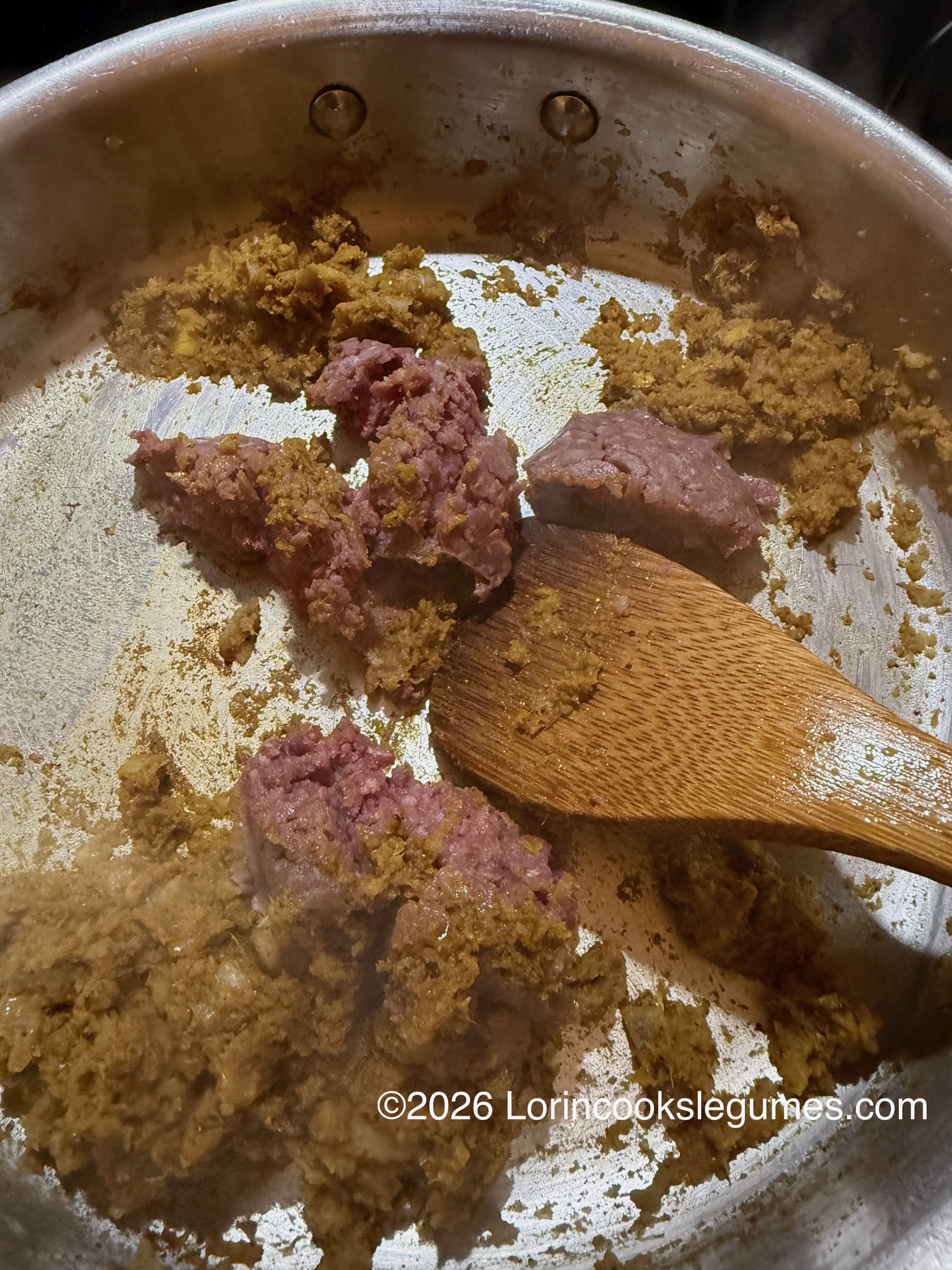
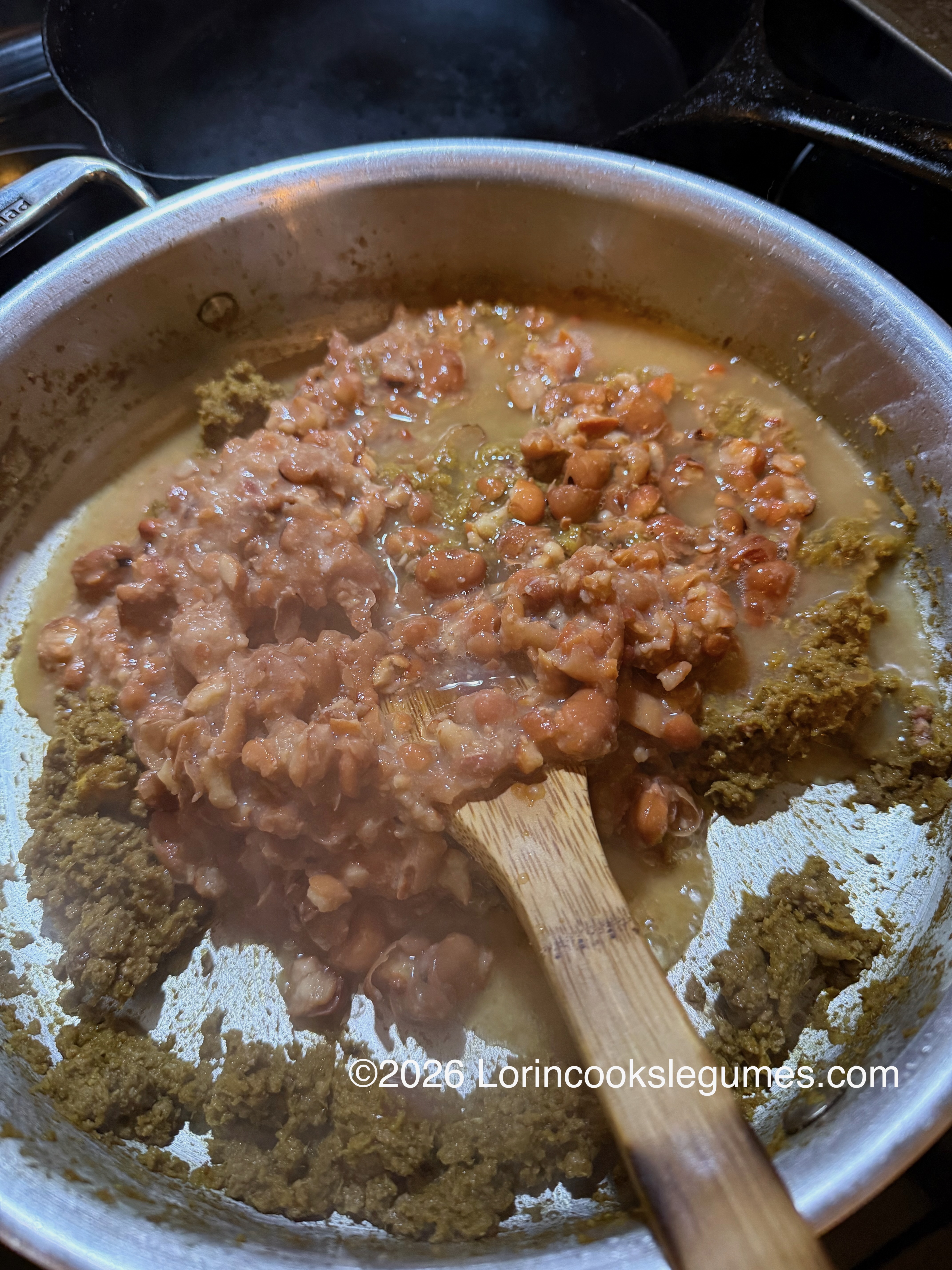
I will say that browning the meat might be the trickiest part of this recipe, because we add it after sautéing the onion paste and spices, so it quickly gets coated in yellowish-brown spice paste, and it’s hard to tell when it’s fully cooked. Rest assured, it will continue to cook for another 20 minutes or so, so just use your best judgment.
I guess I don’t really have a grasp on what spices I would expect a Malaysian recipe to use, but fennel certainly wasn’t on the short list. It is, along with curry powder and ginger, the flavor that really sets this recipe apart from the Middle Eastern/ African ful medames recipes I’ve been exploring recently.
Much like the loose attitude towards what beans to use, there isn’t a standard for what type of bread to serve with this dish. Most of what I saw indicates that Malaysia is getting into the part of Asia that prefers soft “milk” breads to crusty or chewy breads, but most recipes weren’t just nonspecific; they specified using whatever kind of bread you like. I have been continuing to experiment with the sourdough I started to make Maltese bread for my ful bit-tewm a couple of weeks ago (with much greater success now that I’ve figured out the correct flour-water ratio), but yesterday was baking day, and I knew it wouldn’t be ready to slice until late in the evening, so I purchased a basic soft grocery store baguette to eat with my kakang pool. I tried the leftovers with my sourdough for lunch today, and honestly, I think the baguette was the better match for this dish.
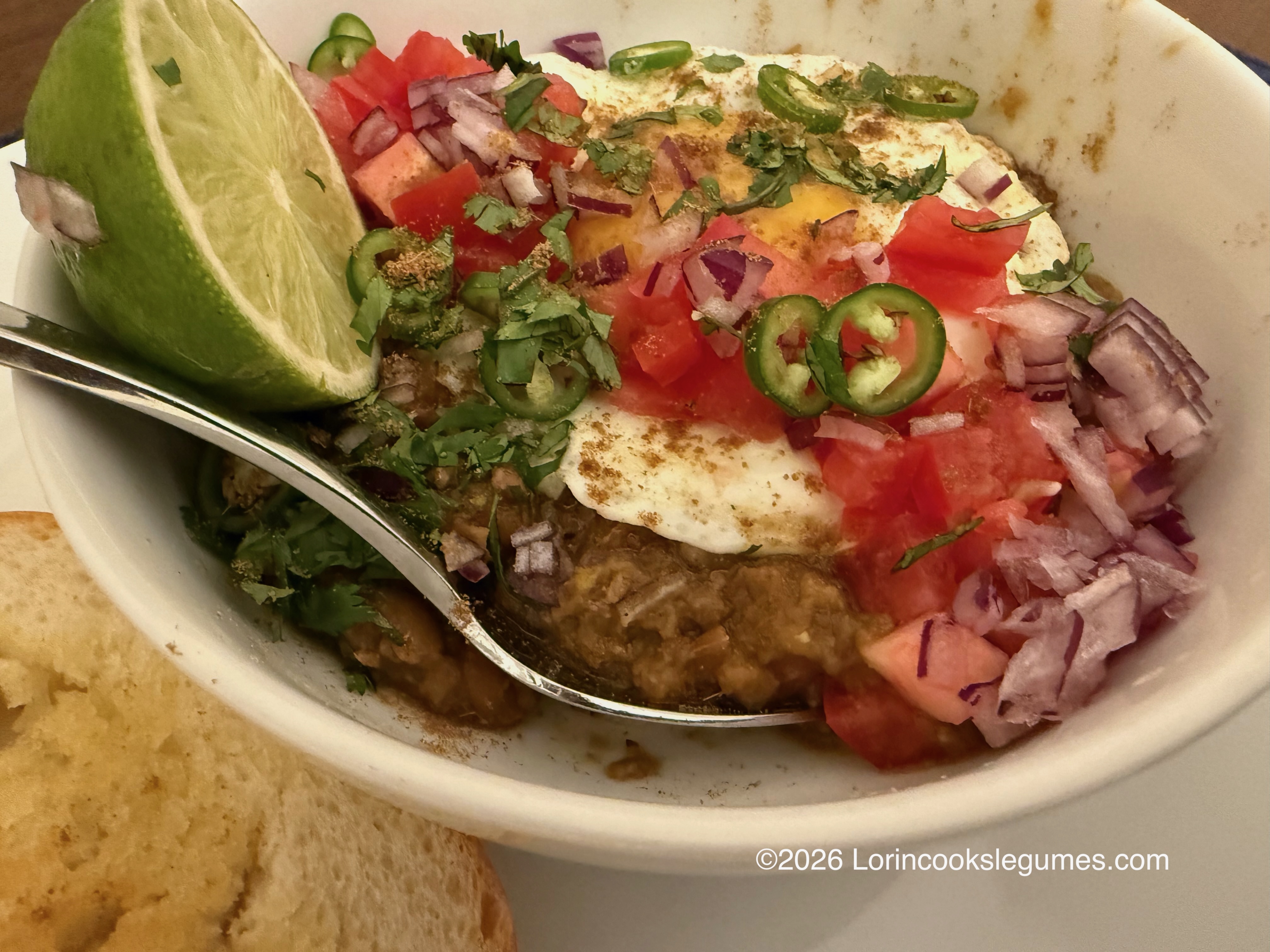
Like all the other ful medames recipes, this one is most often served as breakfast, with an egg. The consensus is that fried or sunny-side up, with a runny yolk to mix in with the beans, is the best way, although you are certainly welcome to prepare your egg however you like.
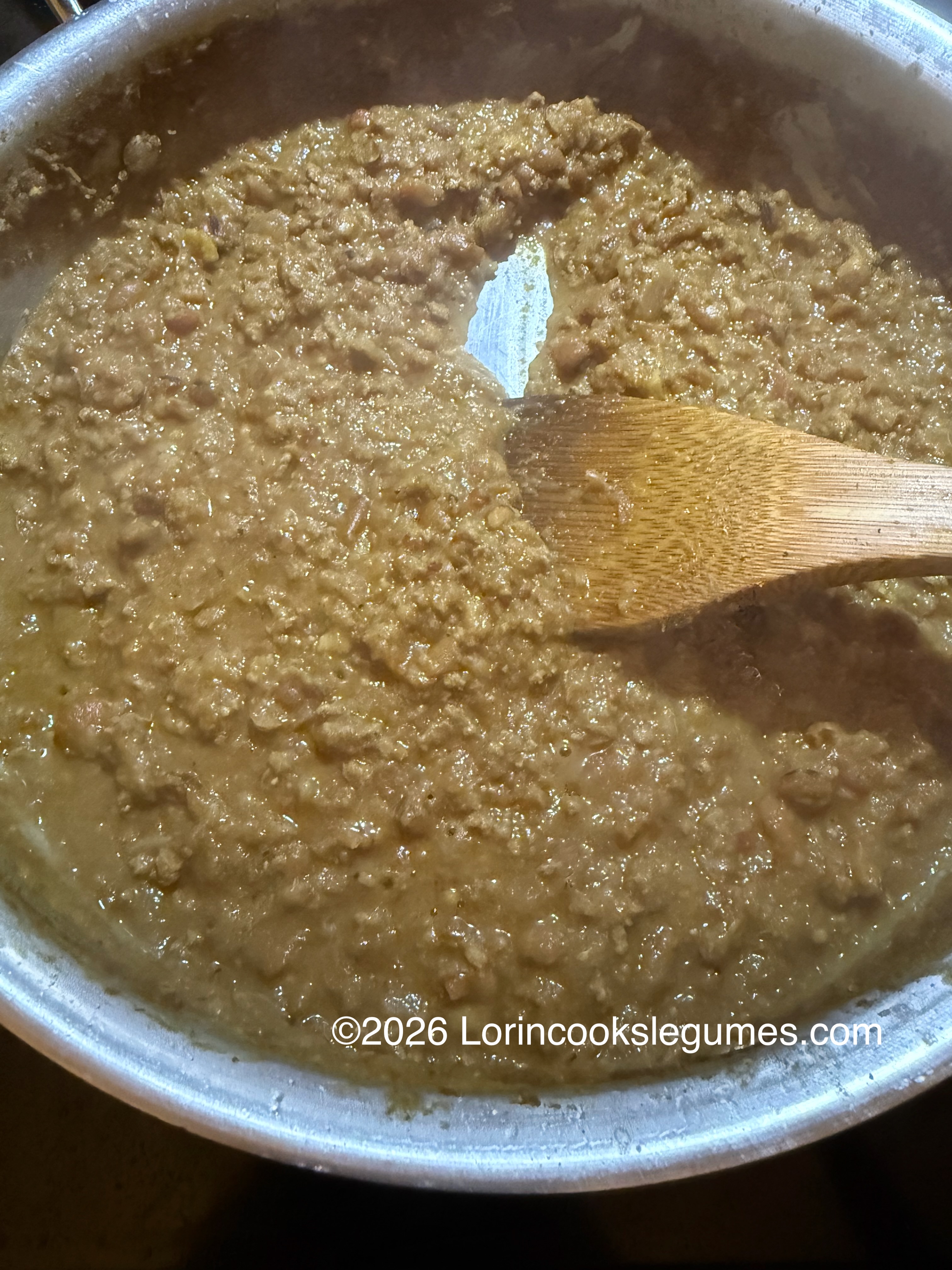
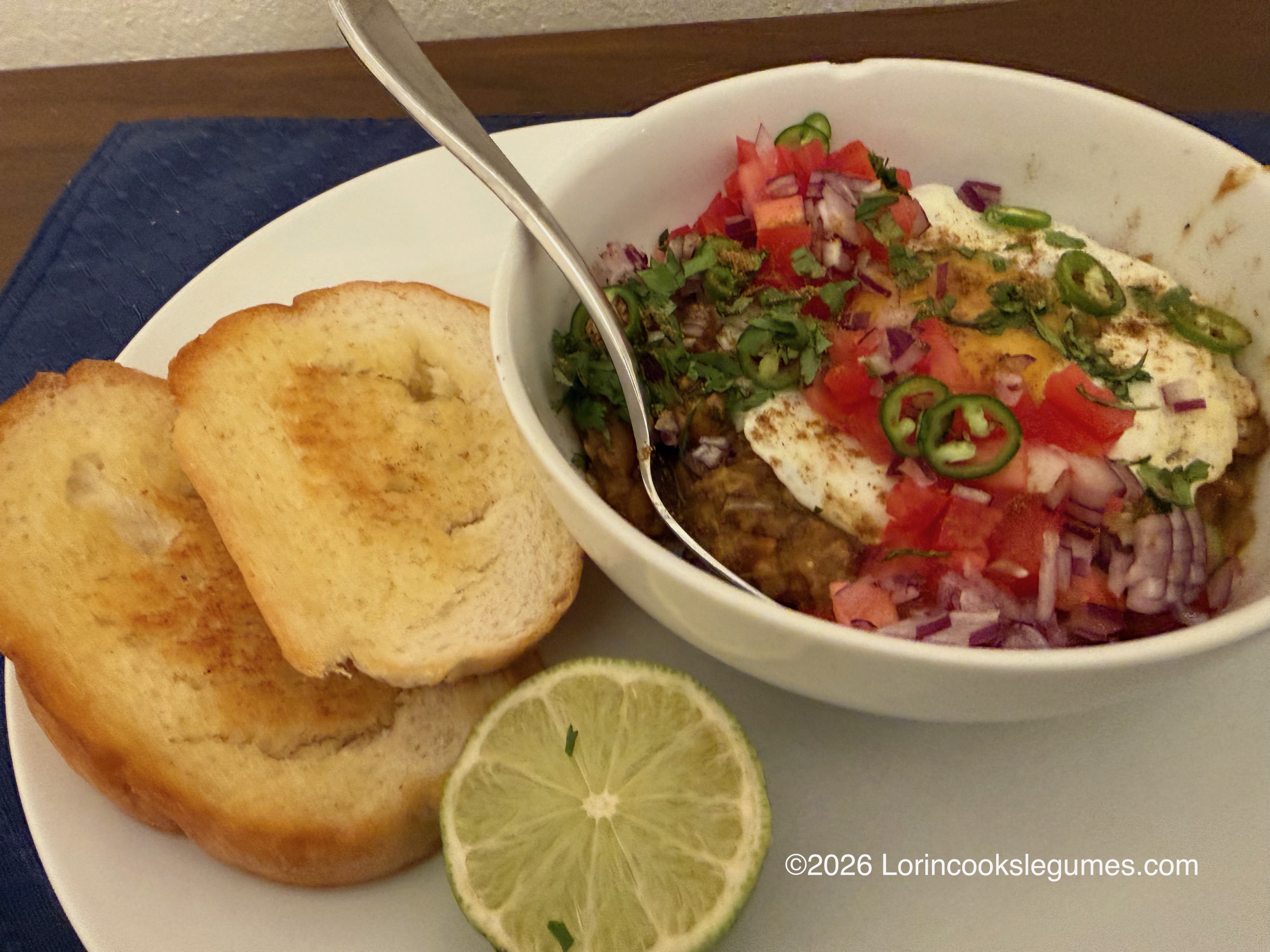
Bean dishes, in general, are often not the most attractive foods, especially mashed or puréd dishes. Kakang pool might just be the least attractive one I can recall making. Something about the combination of curry powder with lumpy, slightly soupy, mashed beans and ground beef. As such, the garnishes are especially important! Getting those pops of color, the yellow and white of the egg, red tomato, purple onion, green from cilantro and chilies, takes this from a bowl of glop to a feast for the eyes.




Kakang Pool
Yield: 2-4 servings
Prep: 15 minutes
Cook: 25-35 minutes
Total: 40-55 minutes
(As an Amazon Associate I earn from qualifying purchases.)
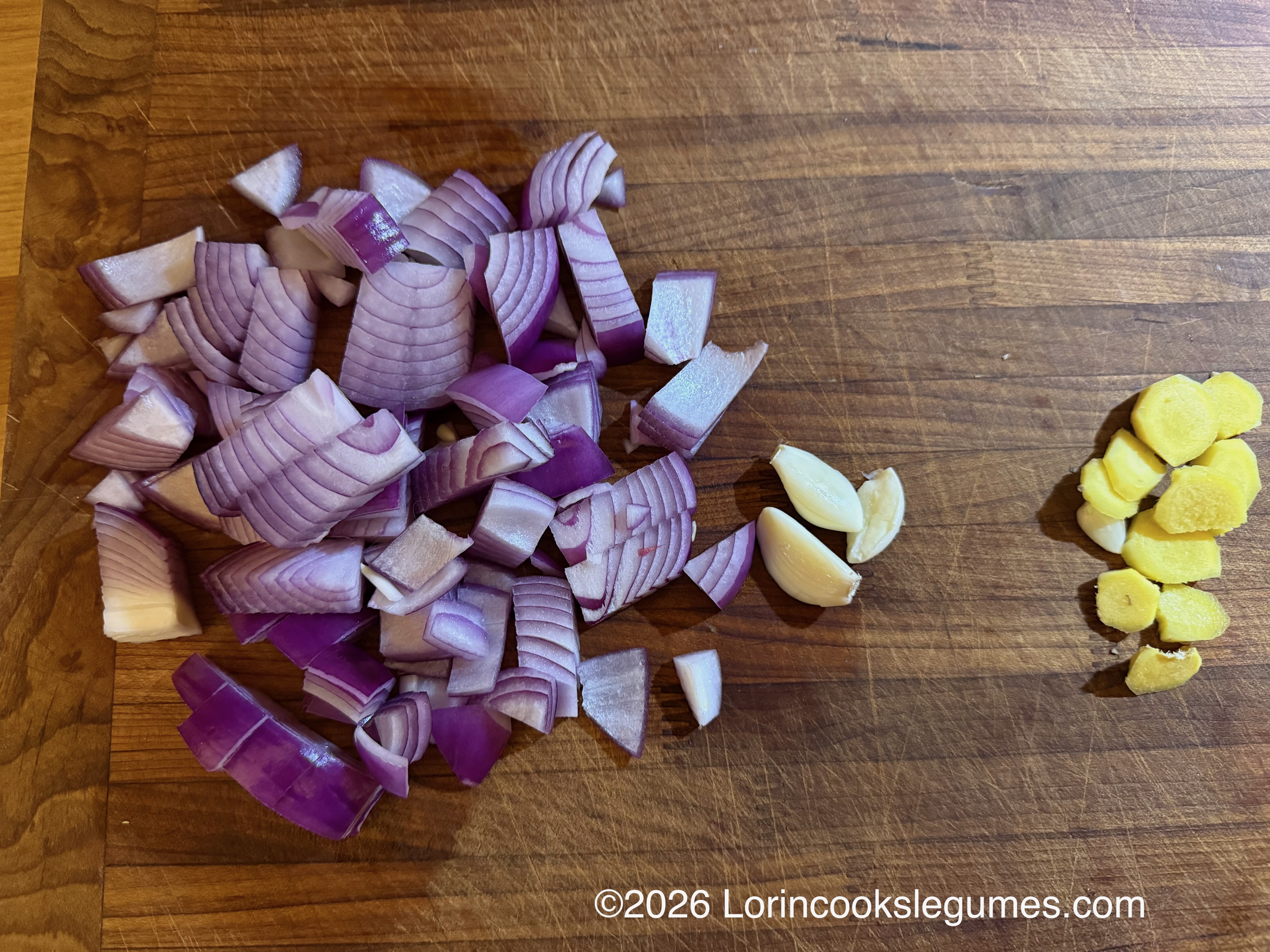
1 medium red onion, diced
2 cloves garlic, peeled
¾ inch ginger root, peeled and roughly chopped
1-2 cans fava beans,
¾ Tablespoon ghee
1 Tablespoon vegetable oil
OR
1 Tablespoon olive oil
1 ¼ teaspoons curry powder
Black pepper, to taste
1 ¼ teaspoons ground cumin
OR
¾ teaspoon cumin seed
1 ¼ teaspoon ground coriander
¾ teaspoon ground fennel
OR
¾ teaspoon fennel seed
¾ teaspoon red chili powder
130 g ground beef
½ cup water
Salt, to taste
Eggs, sunny side up (or as you like them)
Green chilies, finely sliced
Red onion, finely diced
OR
1 shallot, finely diced
Tomato, diced
½ Tablespoon cilantro, minced
Ground cumin
Limes, halved
Bread of choice
Optional:
1-2 cans British-style baked beans, drained and rinsed, in place of fava beans.
⅞ teaspoon coriander seed, in place of ground
1 pinch of sugar
2 calamansi, in place of limes
2 green chilies, diced, in the onion puree
Fried shallots to garnish
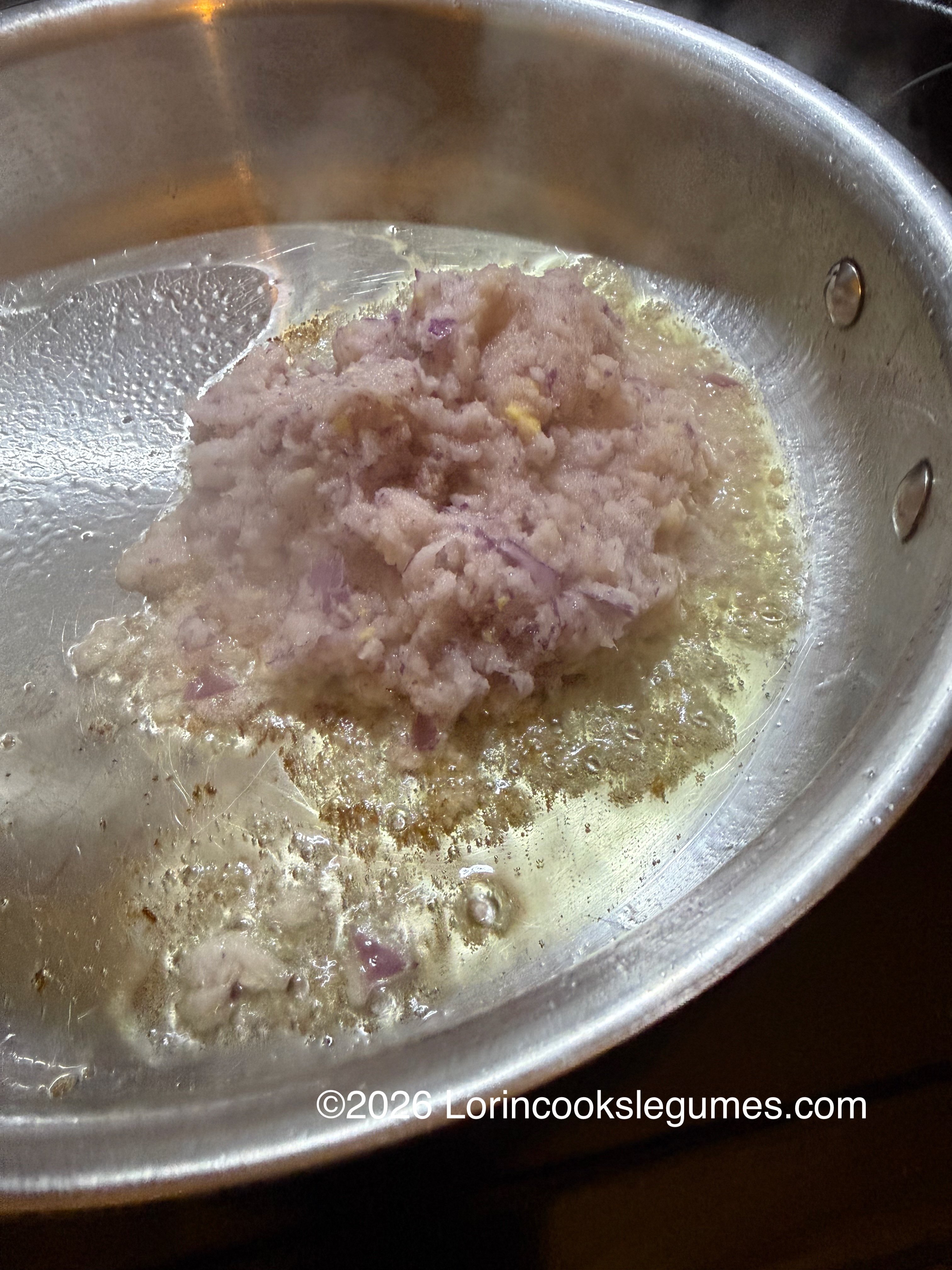
Place onion, garlic, and ginger in a blender and pulse until pureed. Set aside.
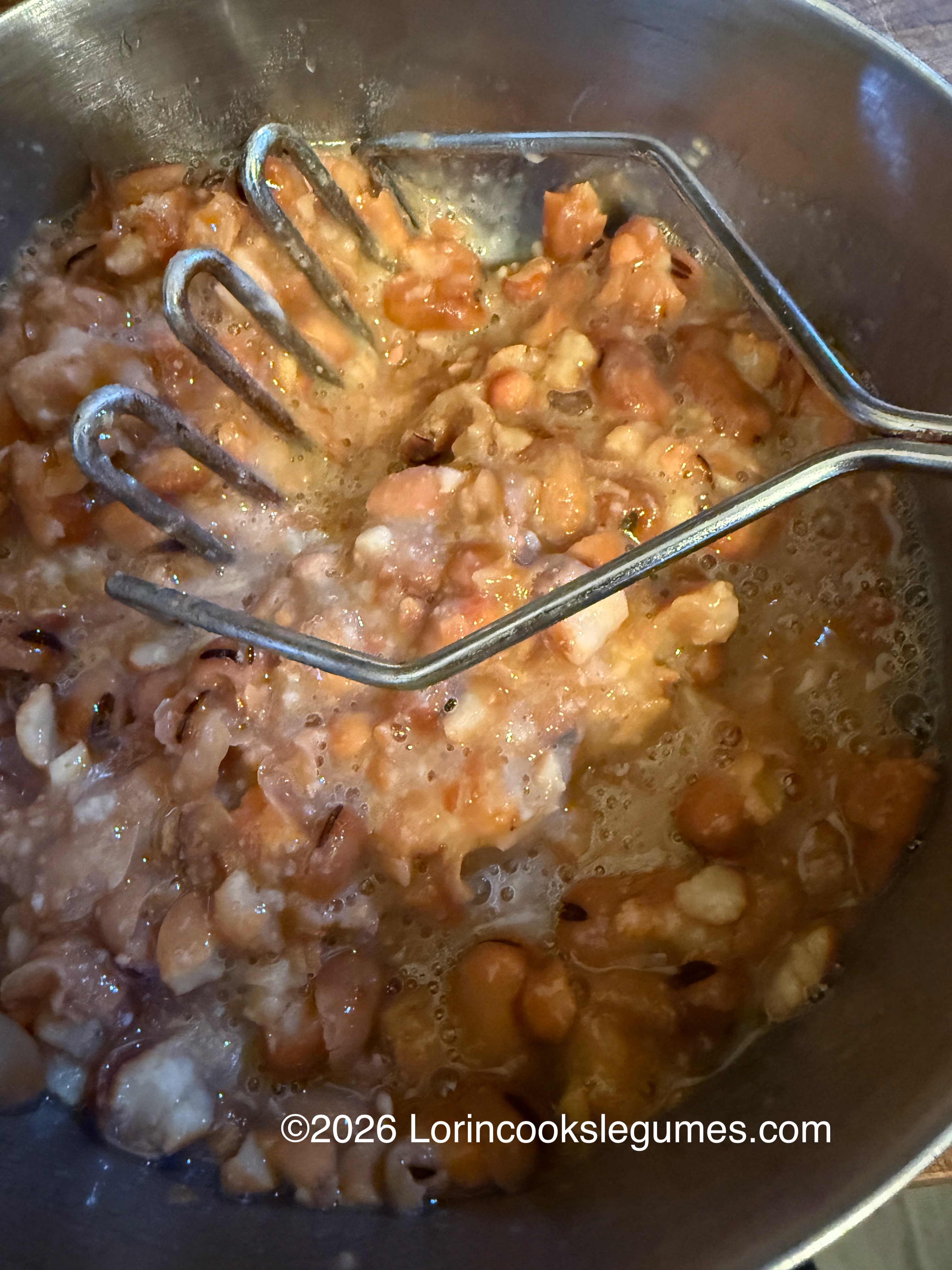
Pour the beans into a bowl and mash to your desired consistency. Set aside.
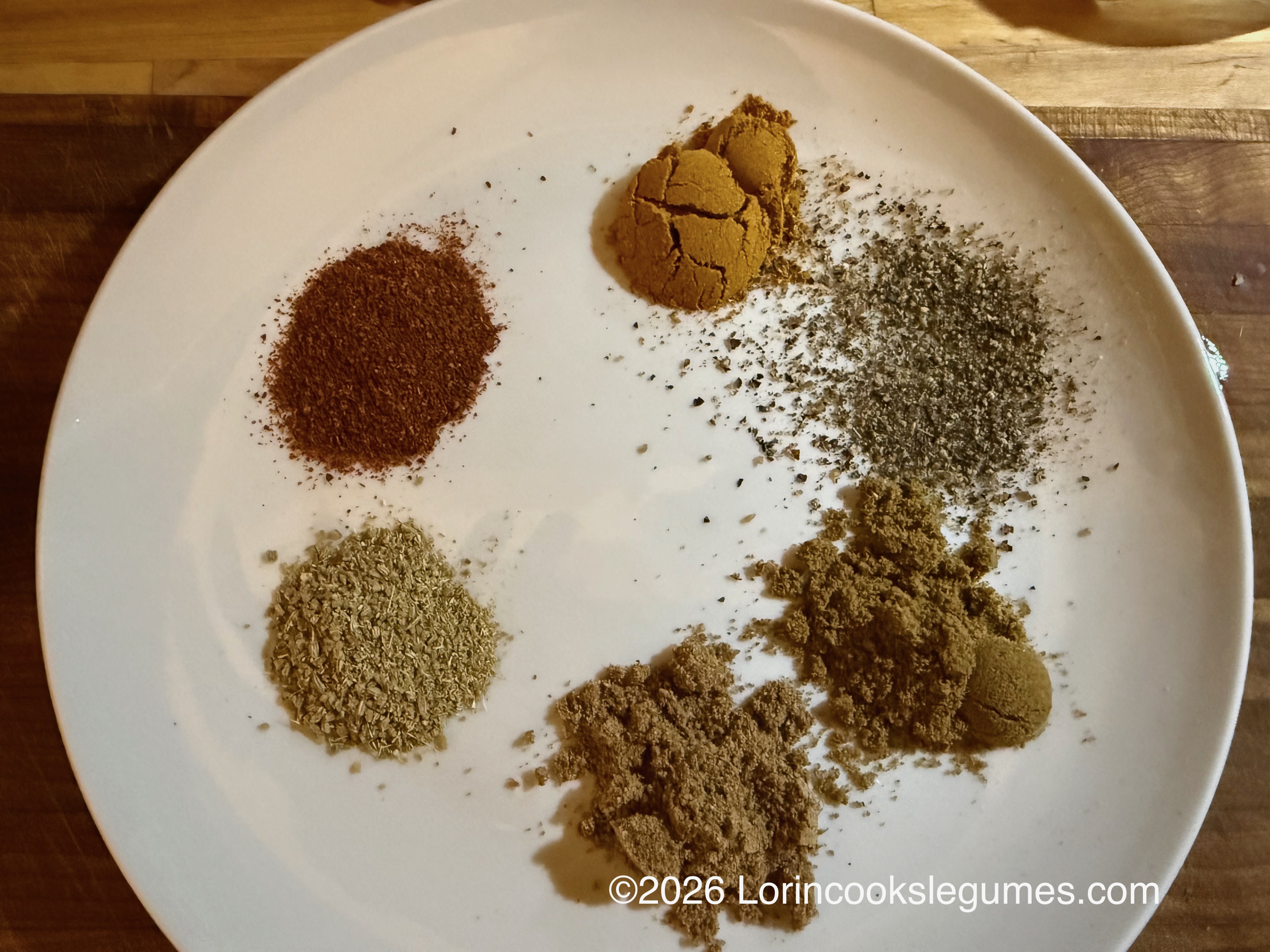
If using whole spices, toast them in a dry frying pan until fragrant. Transfer to a small plate to cool before grinding them to a powder in a spice grinder.
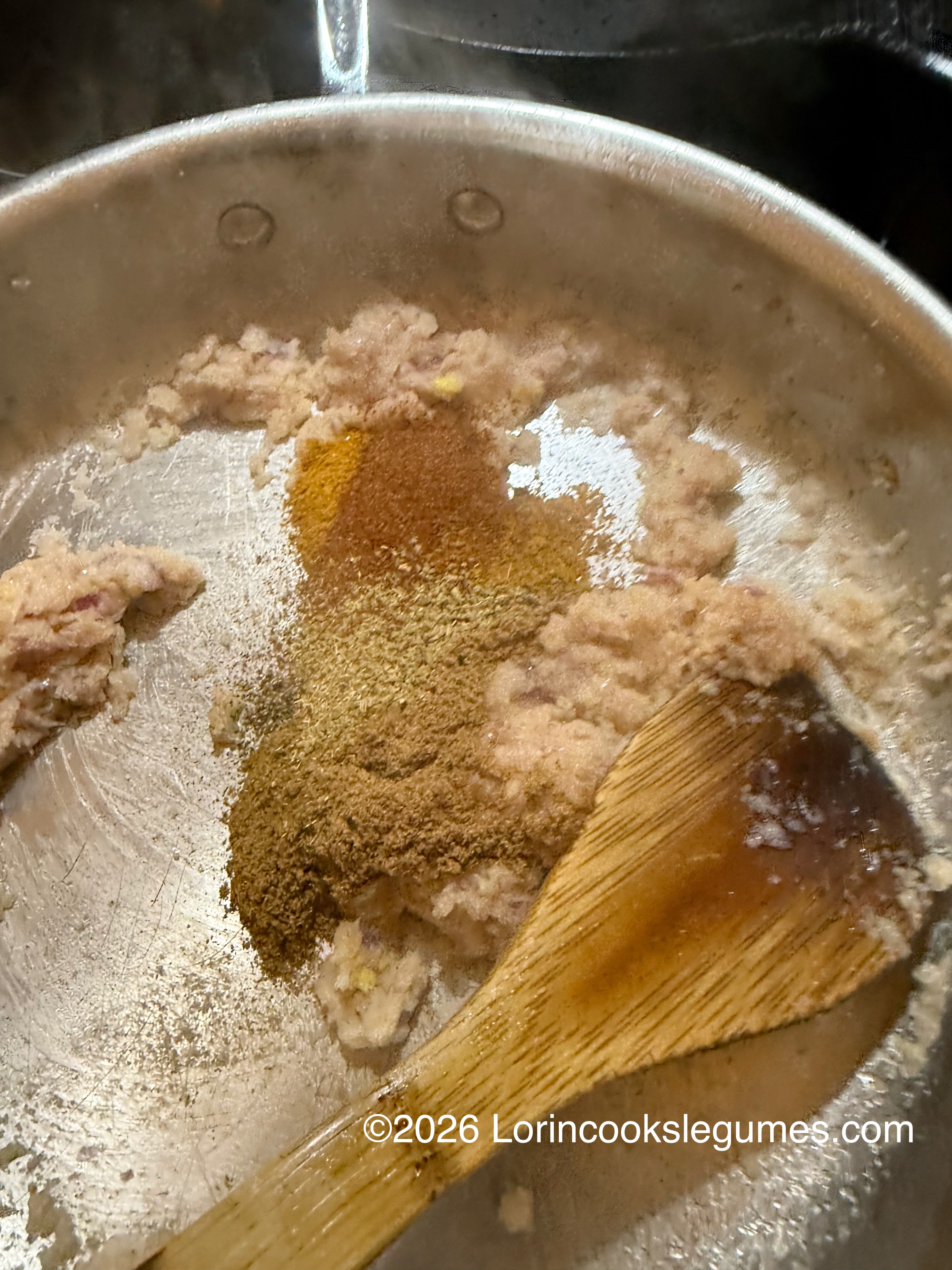
Heat ghee and oil in a frying pan, and add the onion puree. Sauté for a few minutes, until fragrant. Add the ground spices and continue to sauté for 1-2 minutes, until fragrant.
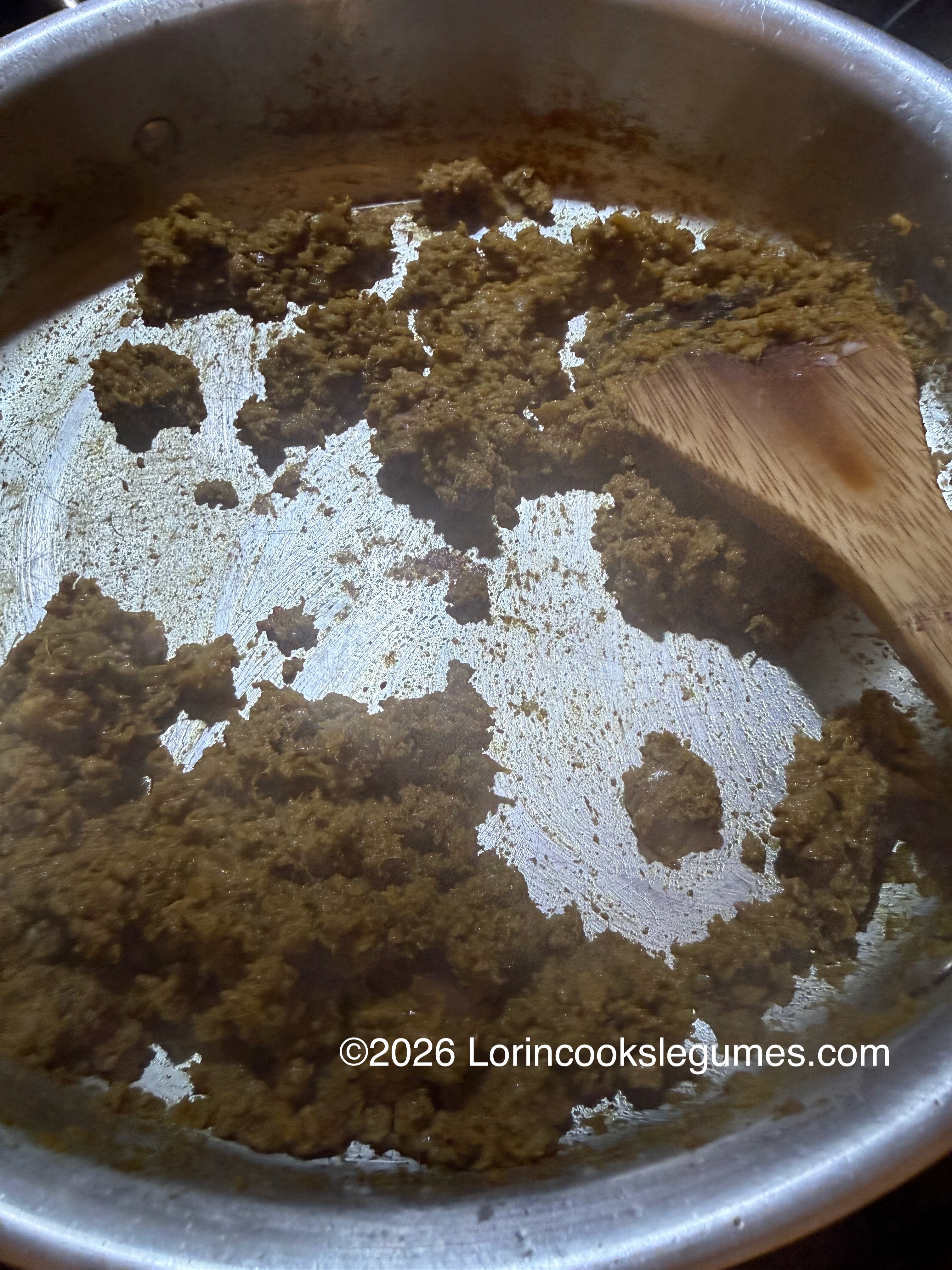
Add the ground beef and cook, breaking up the meat, until browned. Add the mashed beans and ½ cup of water. Mix well and bring to a simmer. Taste and add salt as needed. Continue to simmer for 20-30 minutes, stirring frequently, until the flavors are melded. Add additional water as needed if the beans seem to be getting too dry.
Serve topped with a fried egg, sliced green chilies, diced onion or shallot, tomato, cilantro, and a sprinkle of ground cumin, with lime and toasted bread on the side.

