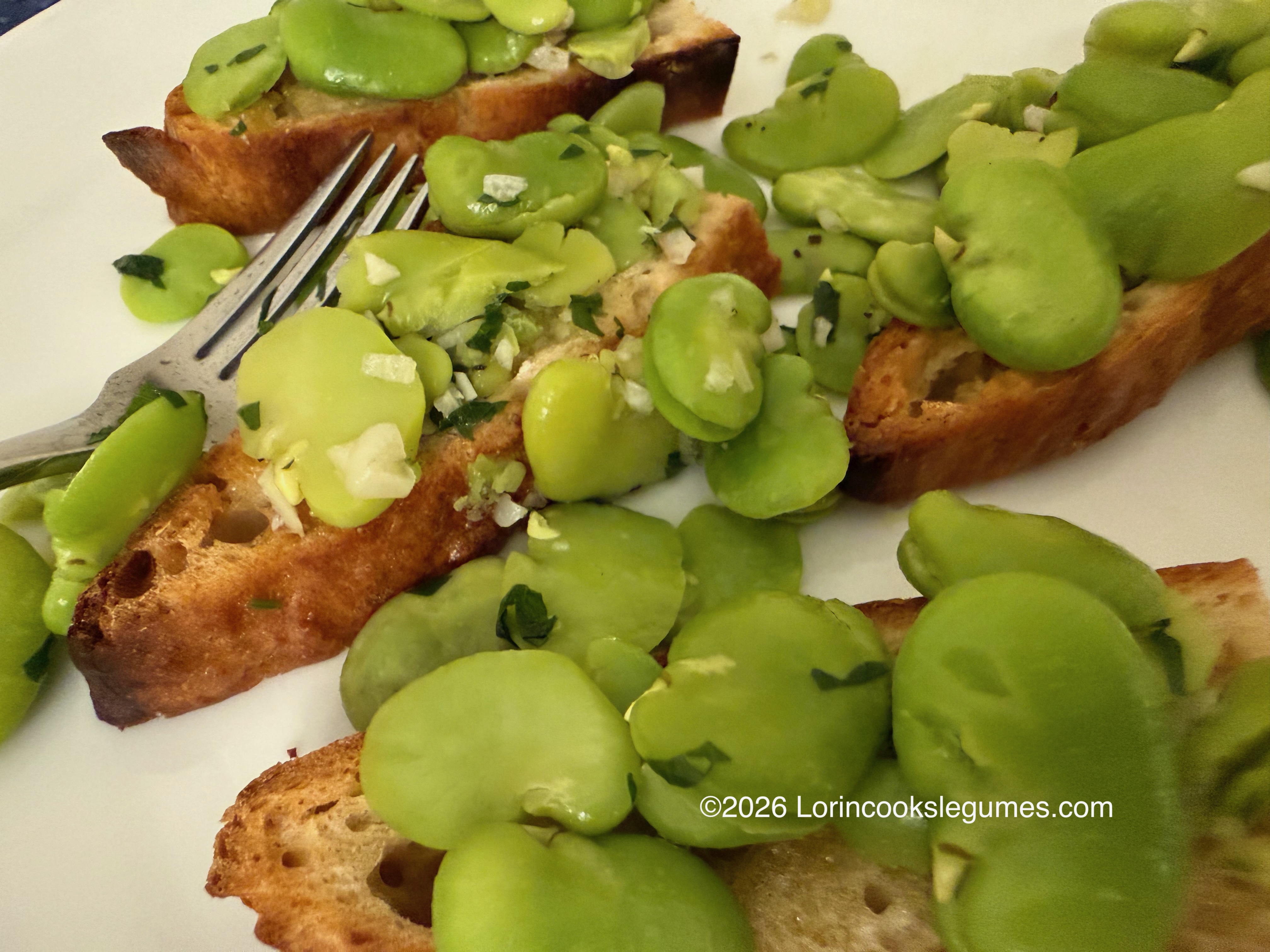
In Malta, ful bit-tewm (beans with garlic) is usually associated with fasting during Lent and Good Friday. The beans are soaked in water overnight, cooked in oil with garlic and fresh or dried mint, then dressed with olive oil or vinegar before serving.
https://en.wikipedia.org/wiki/Ful_medames
It’s been a while since I actually got around to writing a blog post the day after cooking the dish! I must be excited about this one! Ful bit-tewm is a dish from Malta, and literally means “fava beans with garlic.”
Malta is an island nation, about 50 miles south of Sicily. Being more or less in the center of the Mediterranean, it’s no surprise that it has a lengthy list of empires and nations, from the Phoenicians to the British, that have ruled it and influenced its culture and cuisine. The Arabs had control for about 250 years, from the 820s to 1090s, although Wikipedia says their violent conquest left it mostly uninhabited for much of that period, before being recolonized around 1050 by Sicilian-Arabs. The modern Maltese language evolved from the Siculo-Arabic language spoken by those settlers, hence the fava beans having the same name as they do in the Arab world.
Unlike the other ful dishes I’ve been writing about, this recipe is made with fresh, green favas (aka broad beans) instead of dried. I’ve never tried to grow favas here in the frozen north, but I know that in more temperate climates, they are sown in the autumn to grow over the winter and produce beans fairly early in the spring. I was expecting to have some trouble finding beans for this dish, but apparently, they are in season somewhere in the world, and Google turned up a couple of websites that would ship them to me. I chose to buy them from Kalamala.com*, an online Persian market based in California, and I was super impressed when, within 10 minutes of placing the order, I had shipping confirmation and tracking information showing my package was already in FedEx’s possession! Talk about service!
Fresh fava beans are a little fiddly to prepare. First, you’ll need to remove the beans from the pods, just like shelling peas. Then, unless you’ve grown your own and harvested them while the skin is still super young and tender, you’ll likely need to peel each bean. If the eye where the bean was attached to the pod is still green, you’re good to eat the whole bean, but if it’s turning brown, the skin will likely be tough. Even when young and tender, the skins have a distinctive, funky flavor, so some people still choose to peel them. To peel the beans, use your thumbnail to peel back the skin at the eye end, then squeeze the other end, and the bean should pop out. Simple, but time-consuming.
Here are some photos of the process. Please excuse my dirty fingernails- I promise I was feeding only myself. The “dirt” on my actual fingers is a sticky residue that accumulates from the beans themselves. Back in my restaurant days, we had a fava bean dish on the menu one spring, and after peeling an entire case of beans, my fingers would be absolutely coated in it.
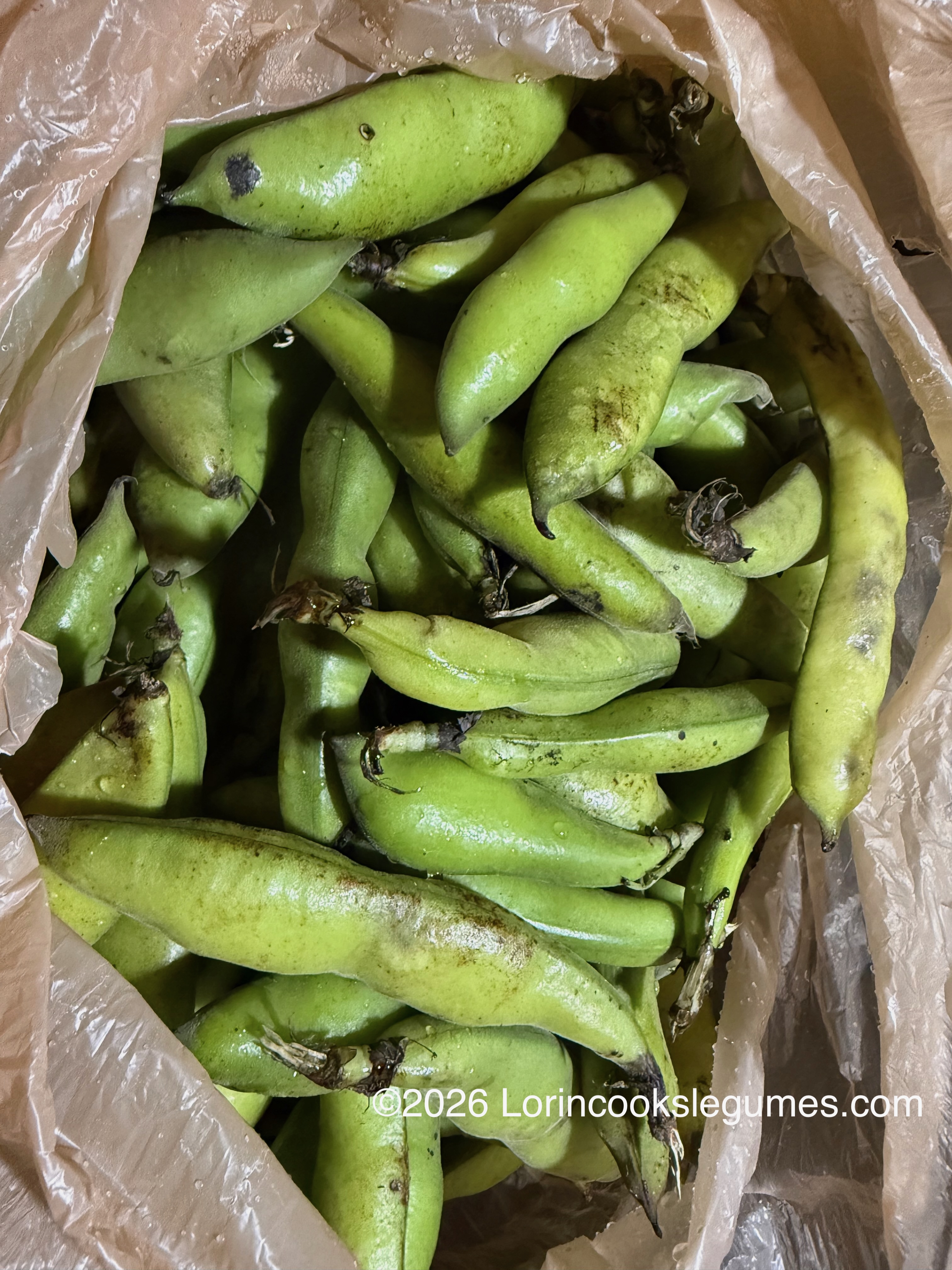
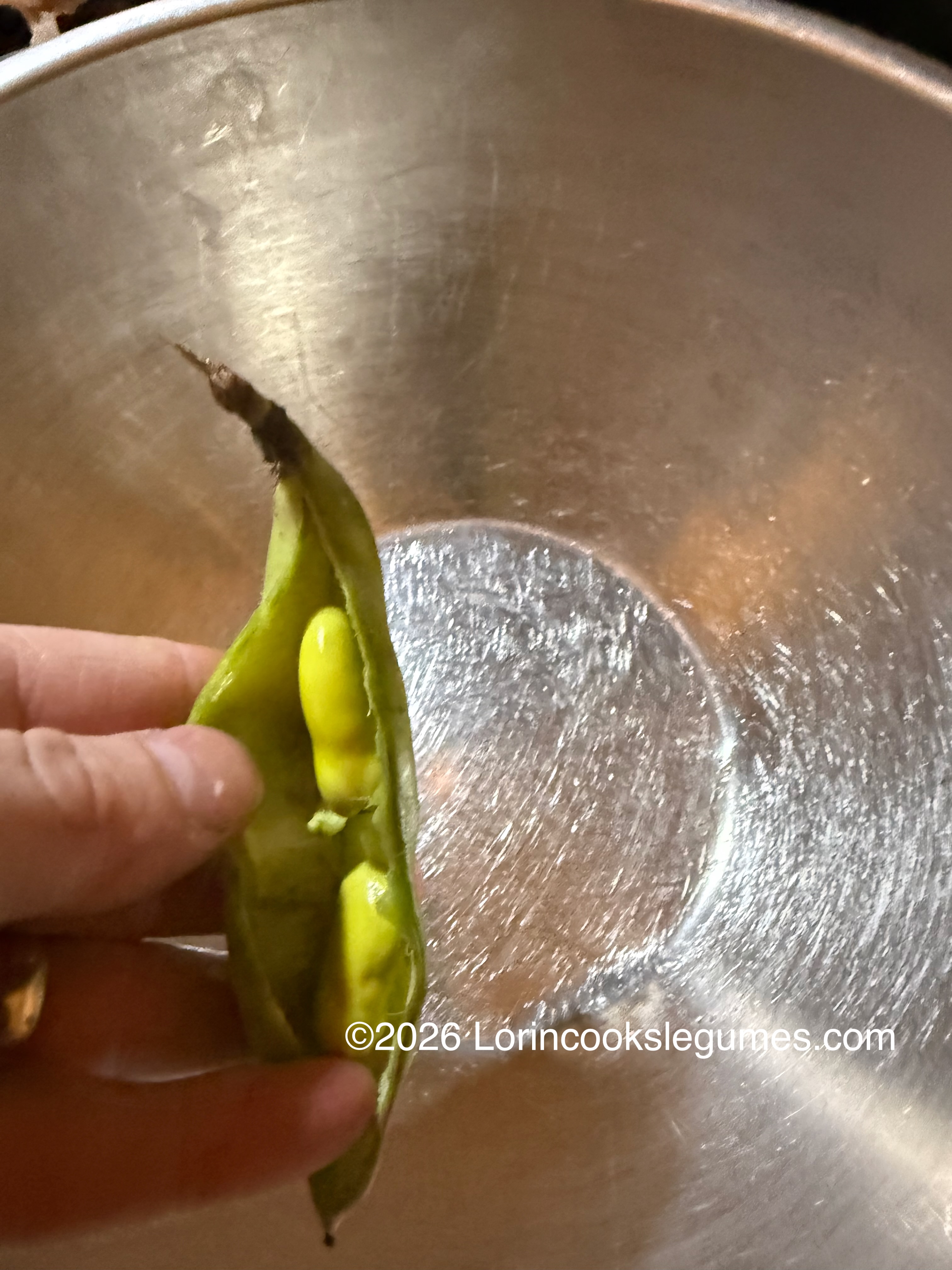
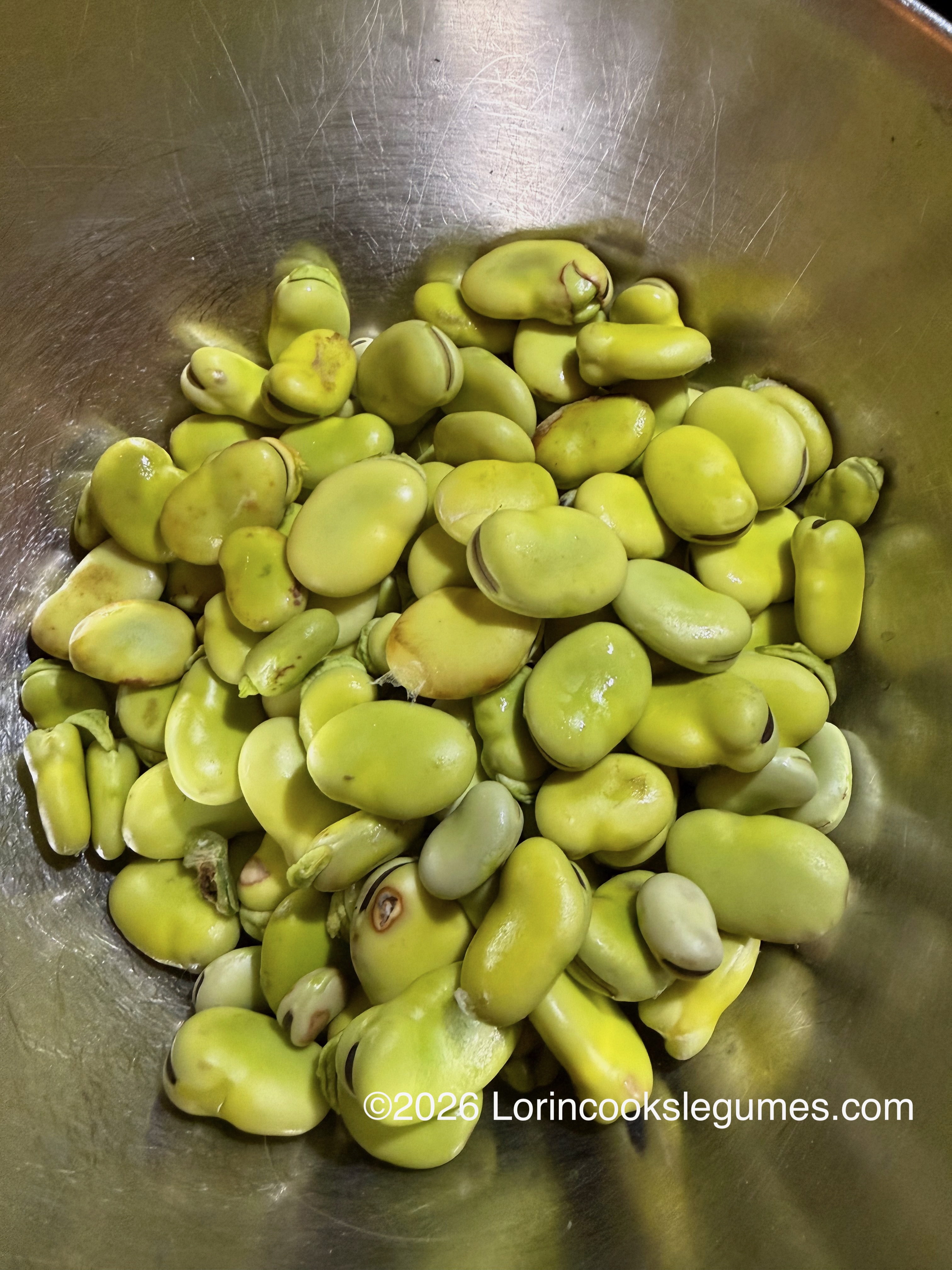
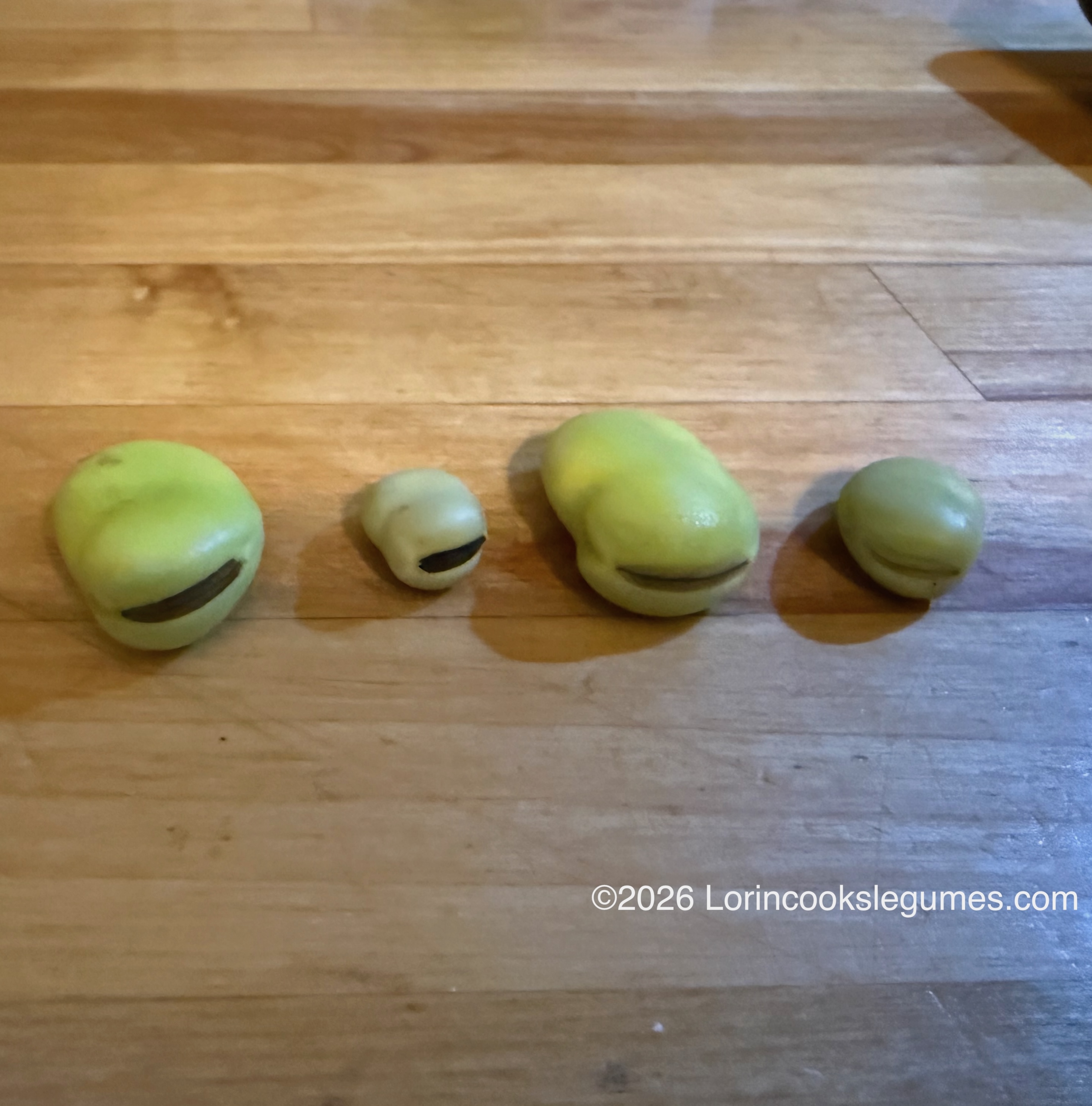
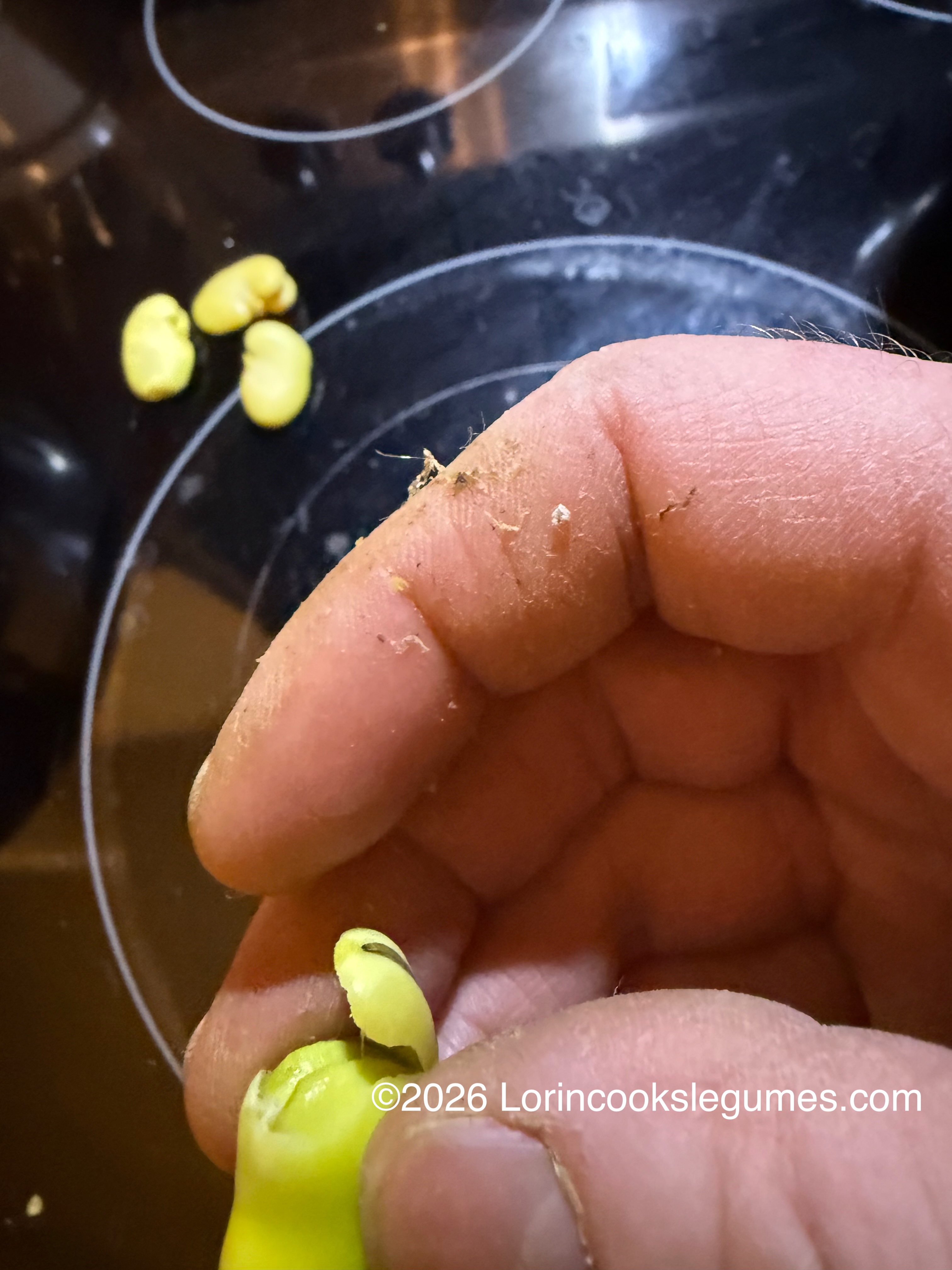
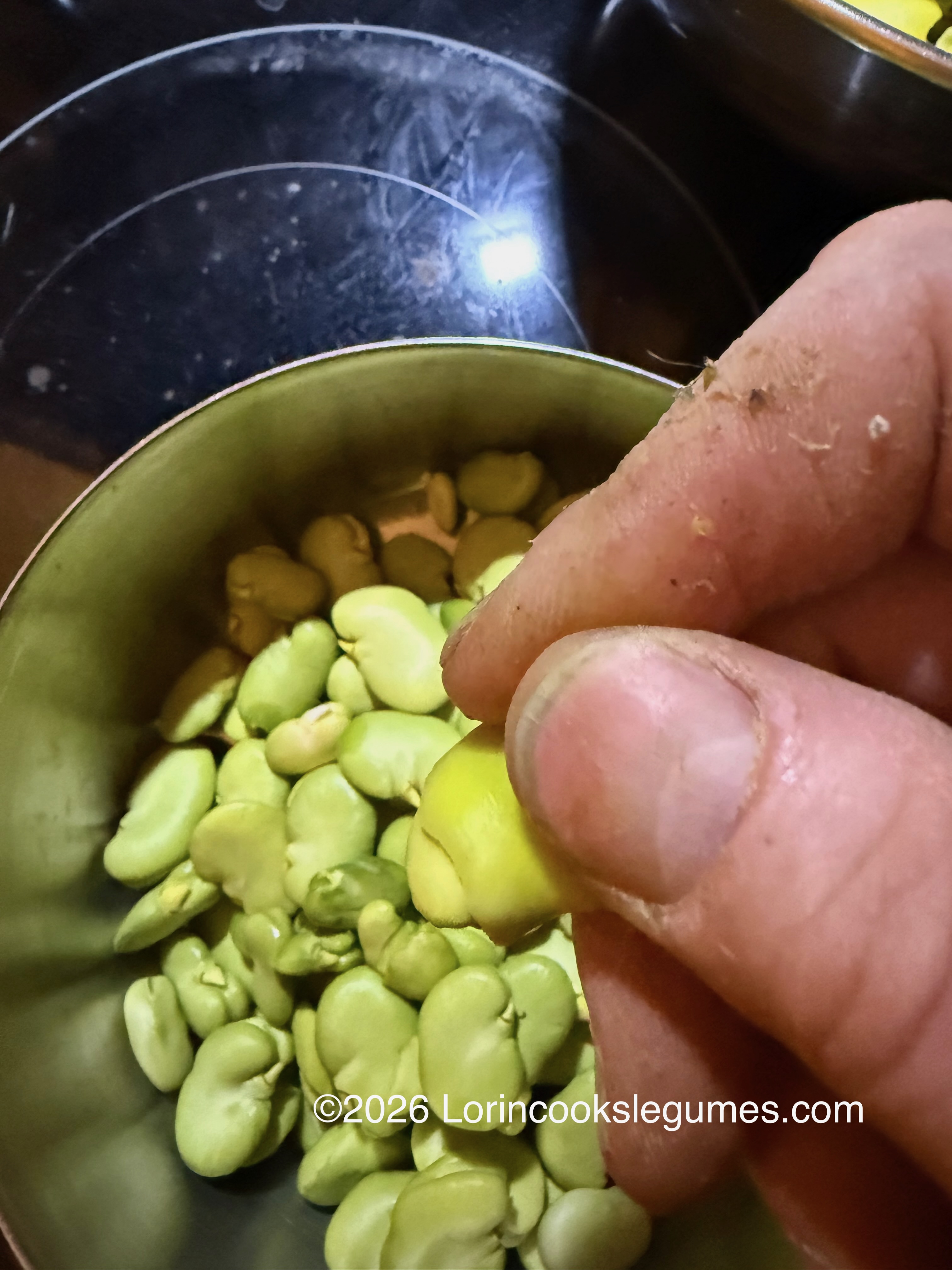
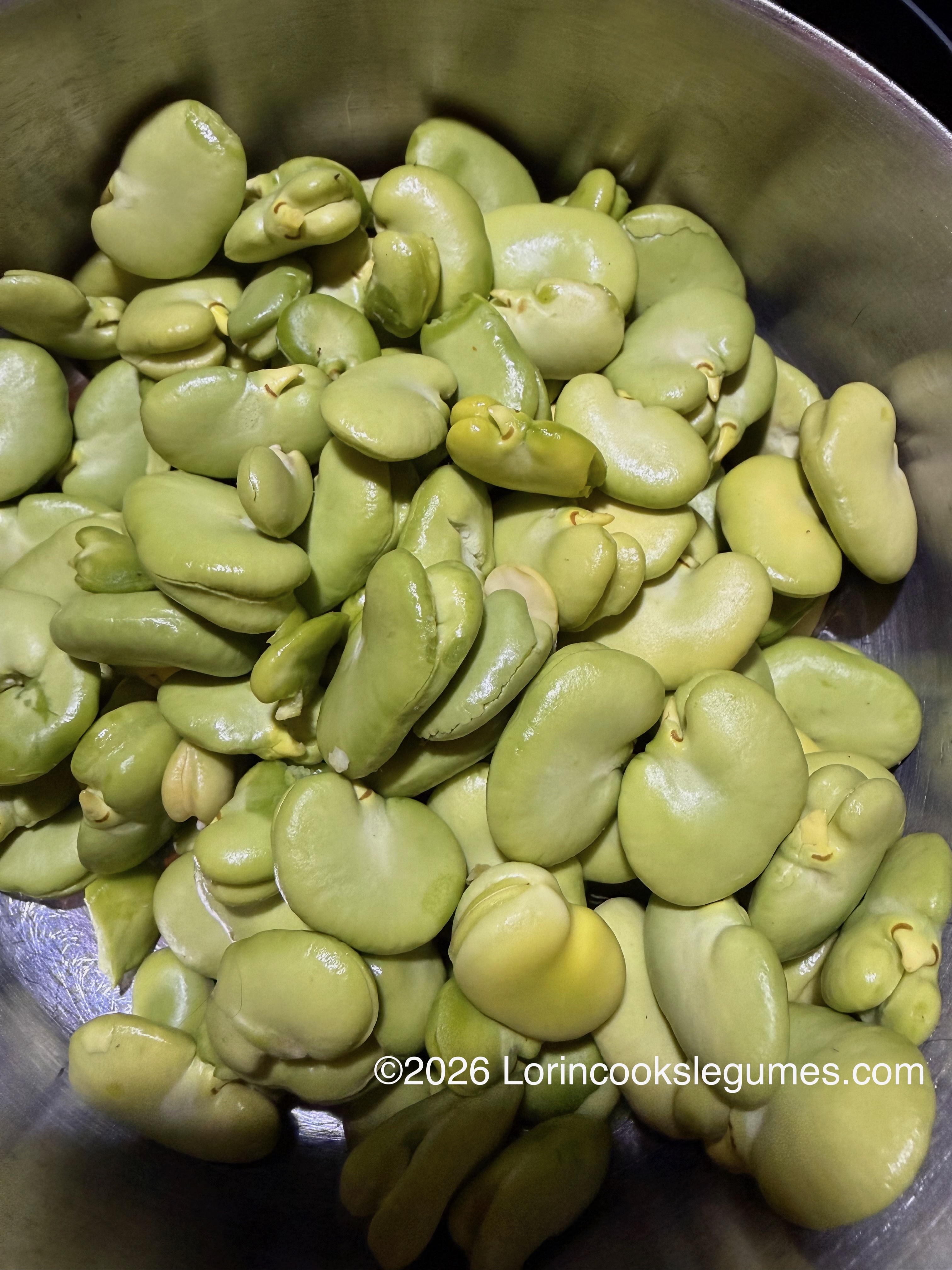
If you can’t find fresh fava beans, or don’t want to mess around with peeling them, I did see frozen ones available as well. Look for “Twice Peeled” fava beans. If going that route, you won’t need the full 1½ kilos of beans; once shelled and peeled, I had about 345 grams of beans that went into the pot.
You could also make this with baby lima beans (butter beans), in which case it’s known as fazole bit-tewm.
The actual recipe for ful bit-tewm is classic Mediterranean simplicity: take something at peak freshness and do very little to it. We simply boil the beans with garlic and olive oil until tender, and finish with some parsley and a splash of vinegar. The Wikipedia quote above mentions mint, but the only recipe I came across that called for mint was a very different process, and had a different name!
Serve warm or cold, with good crusty Maltese bread and olive oil (and ideally some good vine-ripened tomatoes, but I knew I wasn’t going to find anything worthy of accompanying this dish during April in Duluth).
What is Maltese bread, you ask? Well, there are a few different types, but the one everyone seems to rave about is known as hobz, a pretty basic, crusty, sourdough bread made with a high-hydration dough. I followed the recipe from this YouTube video* that looked promising, but it seems to have some inaccurate measurements, so my dough was way too wet. (He referred to it as an 80% hydration dough in the video, but calls for equal amounts of flour and water.) I, unfortunately, am not actually well-versed in bread dough math, and didn’t figure this out until I’d put several hours into “folding” the soupy dough and letting it rise, hoping it would magically transform, and figured it was way too late in the day to start adding more flour… so I tried to bake it as it was. Unsurprisingly, I couldn’t really form loaves, more like dough puddles, and it didn’t really rise. Surprisingly, though, the flavor was good, and the texture was actually something I’d consider bread, although much denser than what I was going for. It’s about a seven-hour process from mixing the dough to the loaves cooling enough to store them, so I made the bread on Sunday, a couple of days before I planned to cook the ful bit-tewm. Since I didn’t have time to try again, I went ahead and ate my beans with it. I did keep some starter and plan to try the bread again next weekend, but unfortunately, I won’t have any more fava beans to eat with it. Despite the issues with flour/ water ratios, I do think the video gives a pretty good overview of the process. Just look at some other recipes and understand baker’s ratios before jumping into following his recipe.
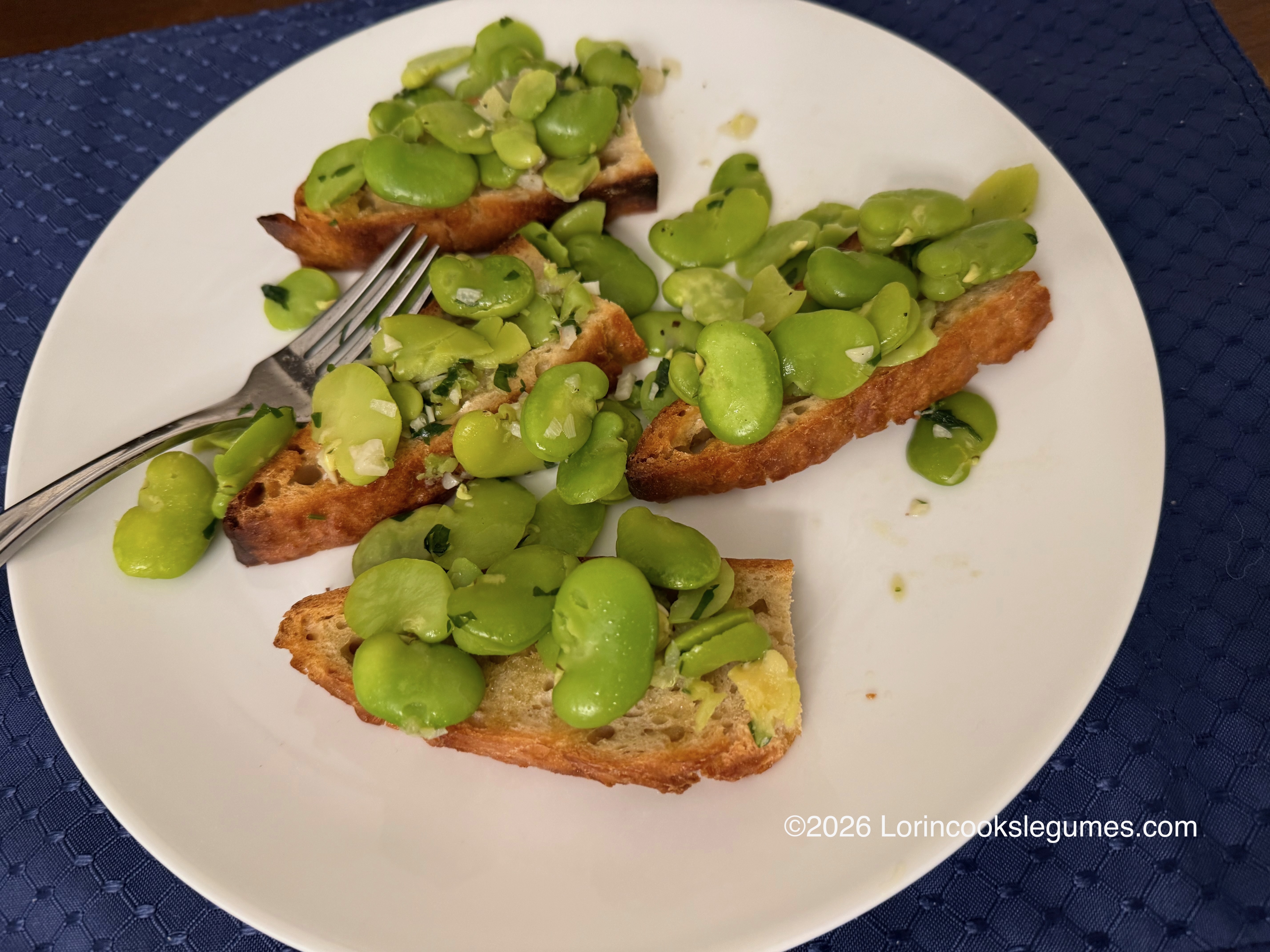
Ful Bit-Tewm
Serves: 3-4 meal-sized portions.
Prep: 1 hour
Cook: 10 minutes
Total: 1:10
(As an Amazon Associate I earn from qualifying purchases.)
1½ kg (about 3 lbs.) fresh fava beans*
3 large cloves of garlic, minced
1 Tablespoon olive oil
250 ml (1 cup)water
Salt, to taste
Black pepper, to taste
1 Tablespoon parsley, chopped
¾ Tablespoon red wine vinegar
Maltese bread
Olive oil
Optional:
Butter beans, in place of broad beans
Fresh tomatoes, on the side
5 stalks young garlic, in place of cloves
Juice of ½ lemon
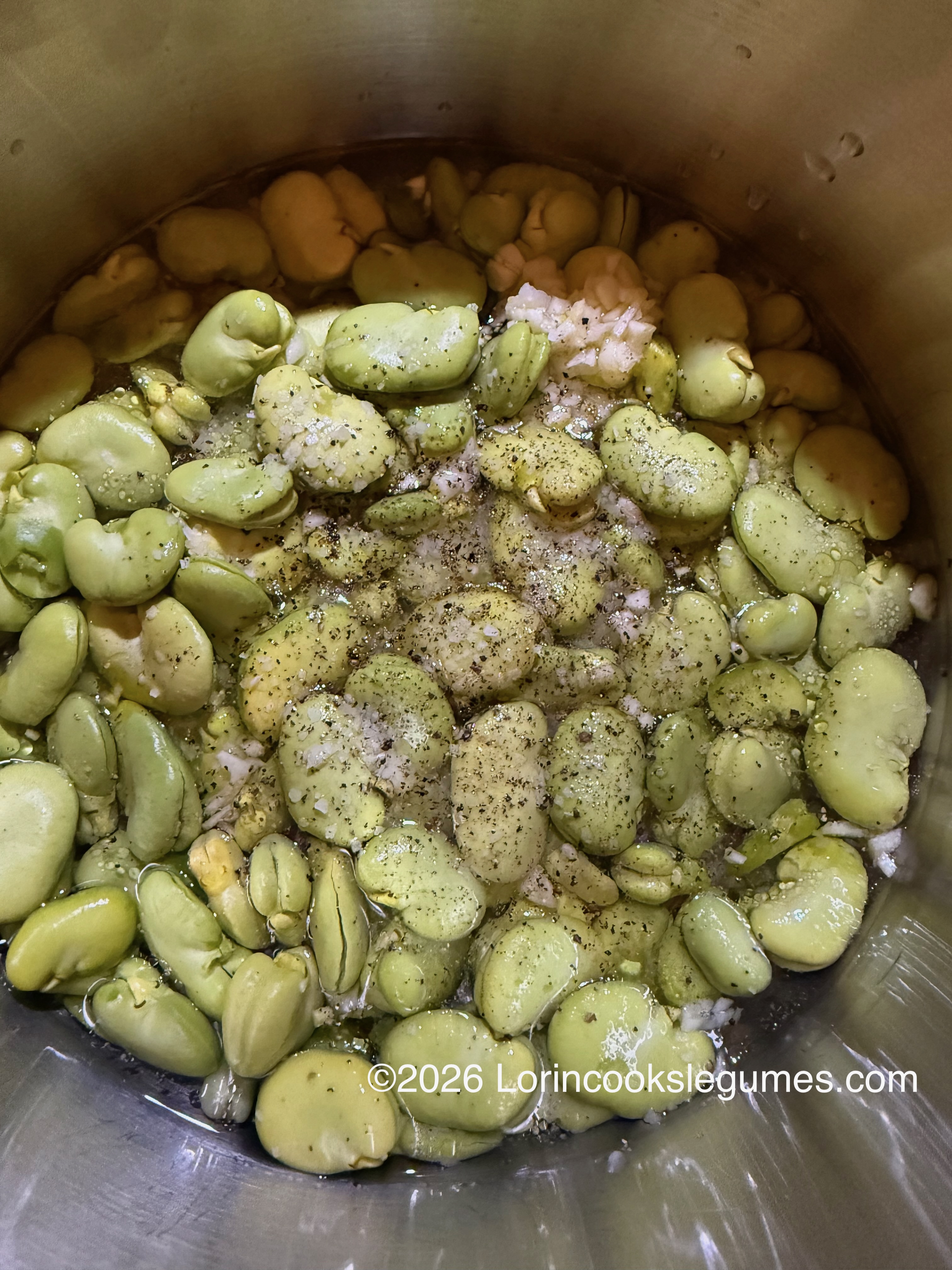
Remove the fava beans from their shells, and peel them if necessary.
Add beans, garlic, olive oil, water, salt, and pepper to a pot and bring to a simmer. Cook over medium-low heat until beans are tender. The timing will depend on the size and age of your beans, probably 5-10 minutes, less for very small, tender beans.
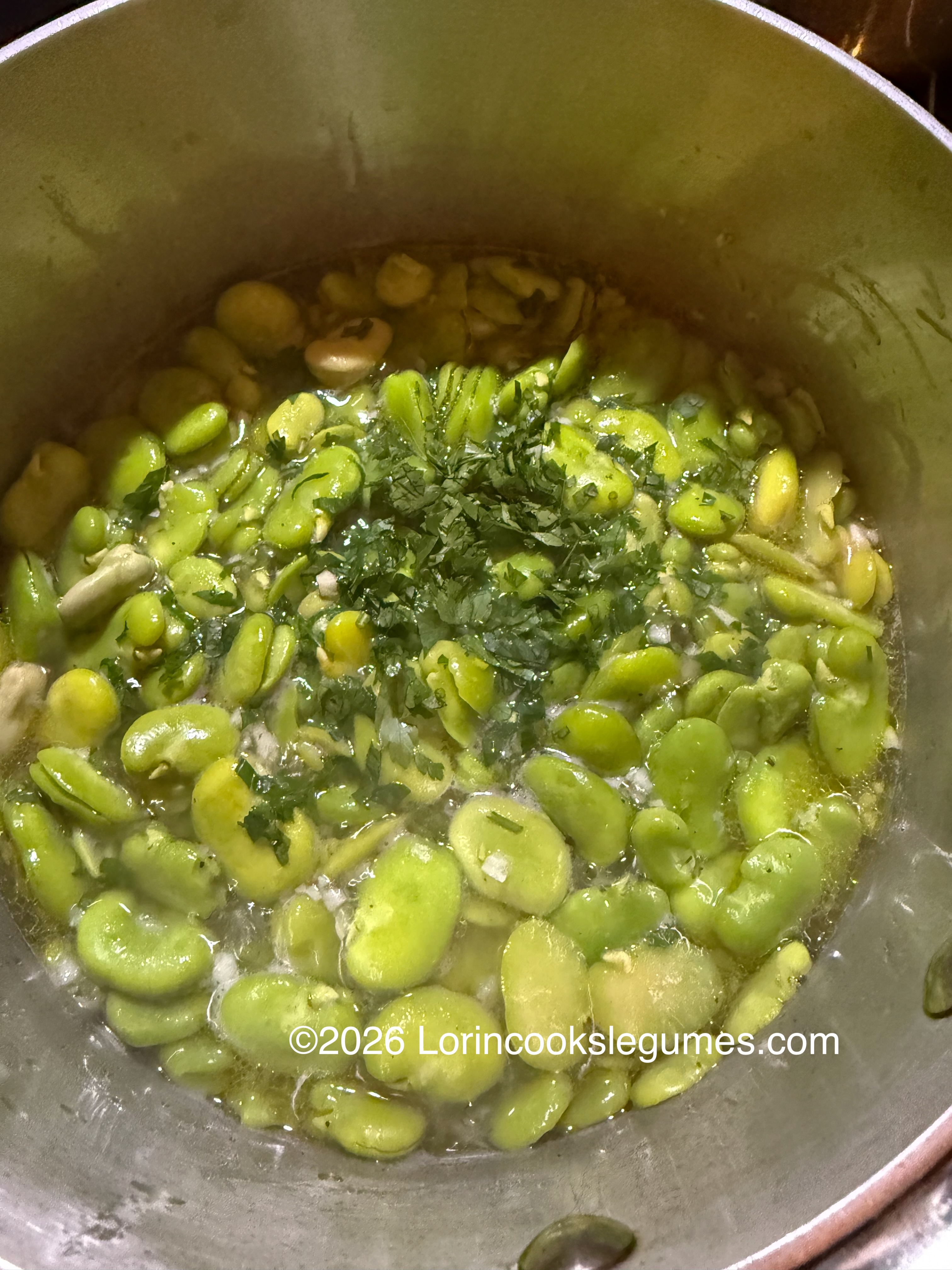
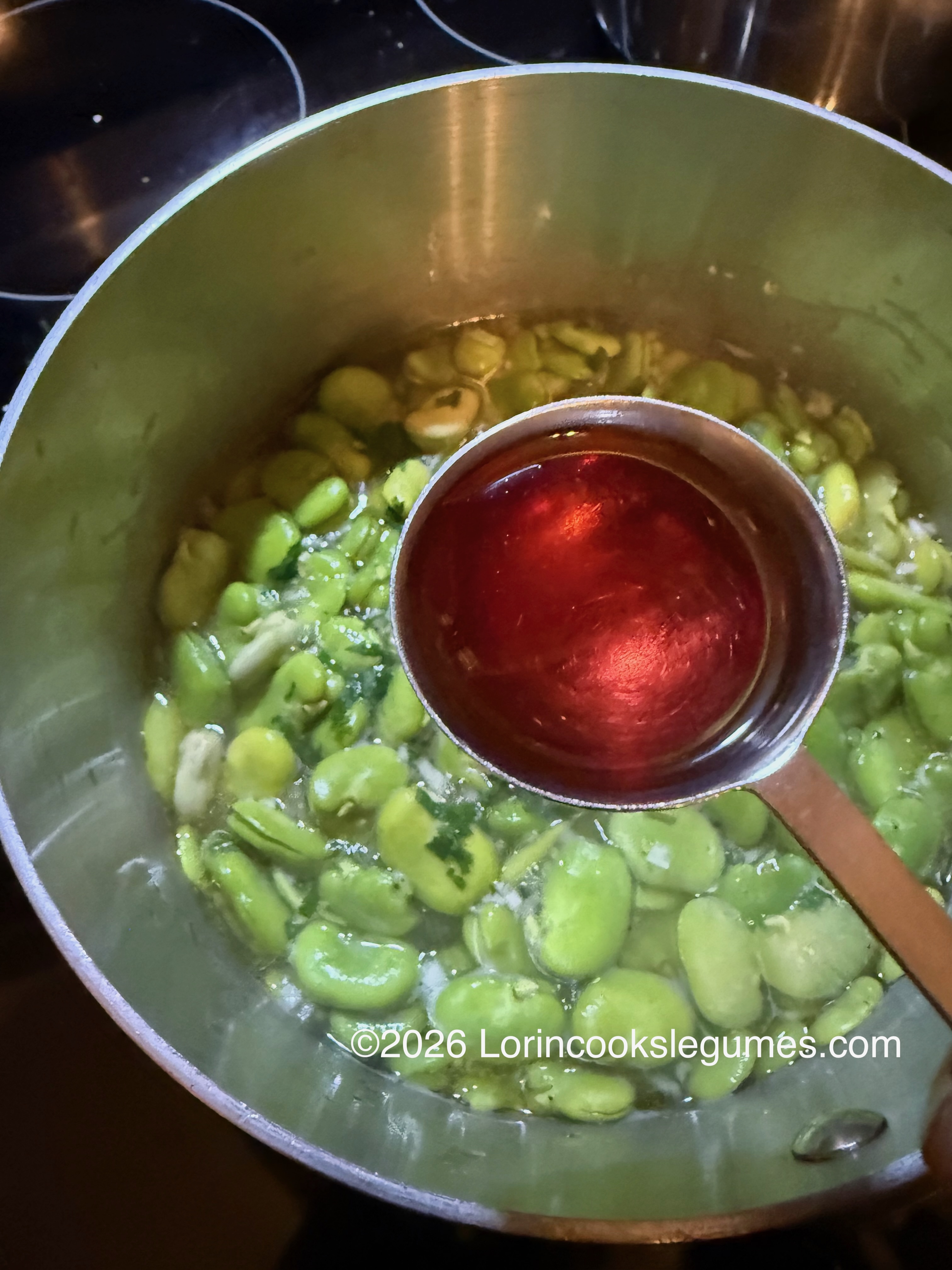
Add the parsley and vinegar and remove from the heat.
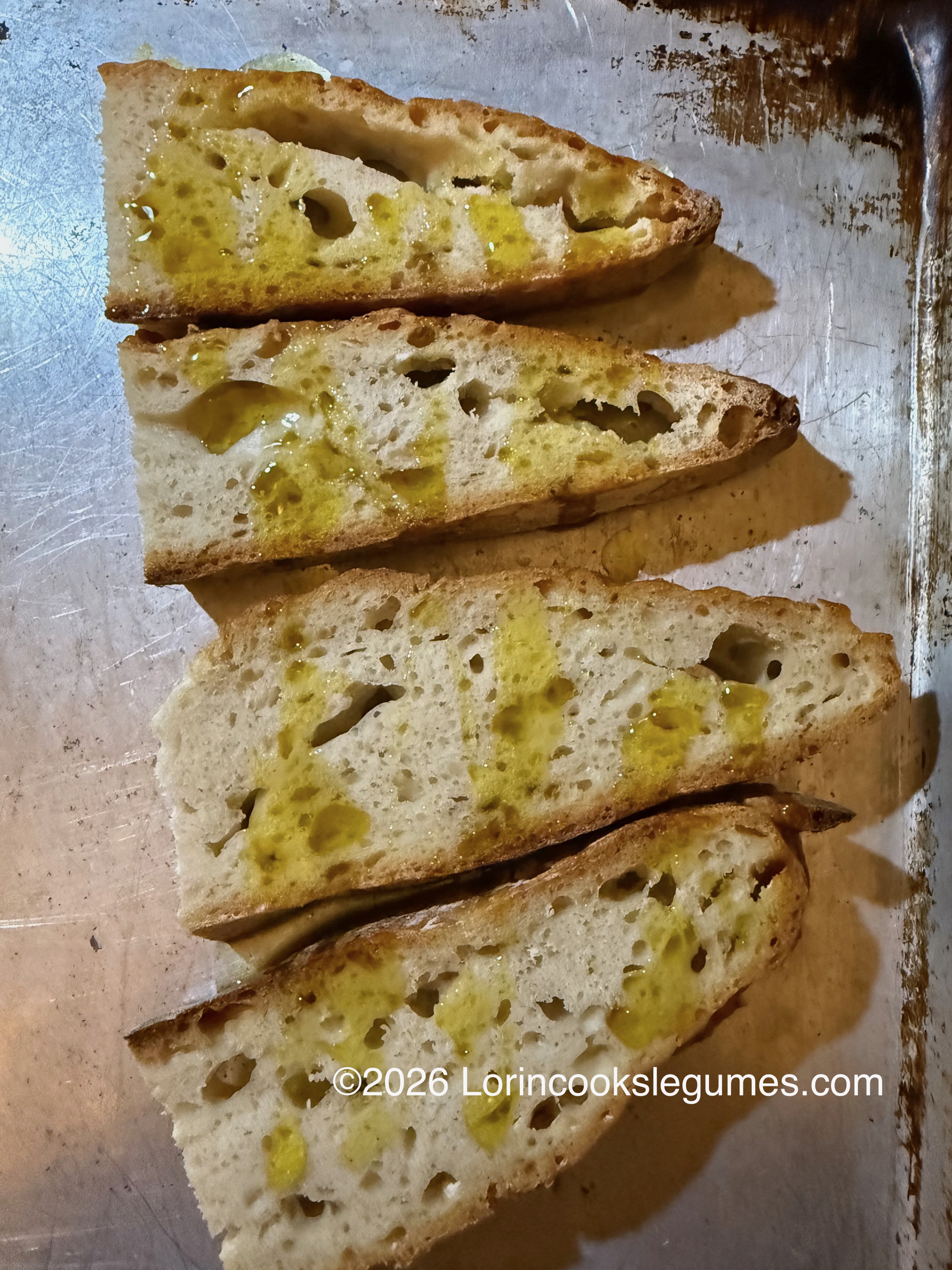
Drizzle slices of bread with olive oil and toast in a 350F oven until golden brown. Top with the beans and another generous drizzle of olive oil.
*As an Amazon Associate I earn from qualifying Amazon purchases.
I receive no compensation for mentioning any other website or product.


One Comment Add yours