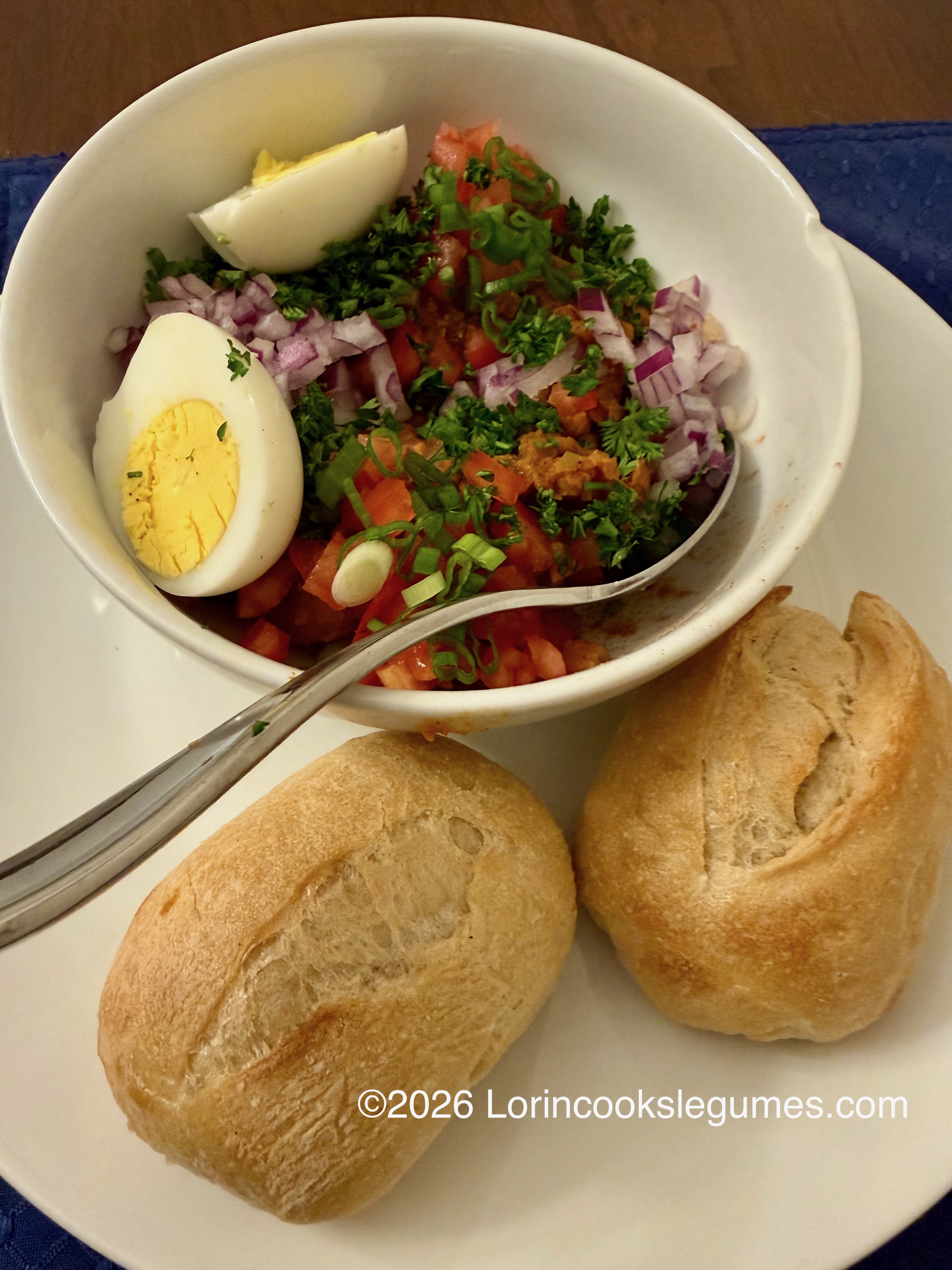
In Ethiopia and Eritrea, ful is one of the few dishes not eaten with a pancake-like bread called injera but is served with wheat flour bread. Places serving ful and the accompanying flour bread often provide a communal kitchen for patrons seeking to bake such types of breads since flour bread is not typical in the Ethiopian or Eritrean diet. The beans are topped, or mixed with, a combination of oil and berbere.
https://en.wikipedia.org/wiki/Ful_medames
Ful medames in Ethiopia is pretty similar to the Egyptian version. However, unlike the Somali version I shared a few weeks ago, which was described as spicy but wasn’t, this one actually has a bit of a kick, coming from a combination of green chilies and two different spice blends with chilies as their primary ingredient.
Berbere* seems to essentially be the national spice blend of Ethiopia, the one you’re likely to have heard of if you live outside of Africa, and that gets used in many different dishes. It’s usually made of chilies, coriander, garlic, ginger, holy basil seeds, Ethiopian cardamom, ajwain, nigella, fenugreek, and several other herbs and spices native to Ethiopia.
Mitmita* is another spice blend, generally hotter than berere, made with bird’s-eye chilies, Ethiopian cardamom, cloves, and ginger. It is the primary spice for a couple of special dishes, but is also often used as a condiment for those looking to add more heat to their meal.
I bought both of these spices from Brundo Spice Company* via Amazon. Both blends are imported from Ethiopia and made with authentic local spices.
Besides berbere, the other common flavor in much of Ethiopian cuisine is niter kibbeh, or spiced butter. Whole spices are added to butter as it melts and clarifies, and the resulting flavored butter is then used to cook many different dishes. I didn’t use it in this batch, but I did include it in the optional ingredients section, and have also included a recipe for niter kibbeh, as well as one for mitmita, after the main recipe. You’ll have to look elsewhere for a berbere recipe, though, as none of my source recipes made that from scratch.
As you may have noticed, the Wikipedia paragraph on Ethiopian ful medames spends more time on what kind of bread is eaten with it than it does on the dish itself. Most of my source recipes were also fairly brief in their introductions, so I don’t actually have much else to say here.
As for the bread, most of the recipes I looked at did indeed serve it with some kind of wheat bread rather than injera, ranging from crusty rolls to pita. I did do some research into Ethiopian bread recipes and found several interesting options*, but in the end, I made this on a weekday evening, and didn’t have time or energy to embark on a yeasted baking project, so I just bought some take-and -bake French rolls from the grocery store.
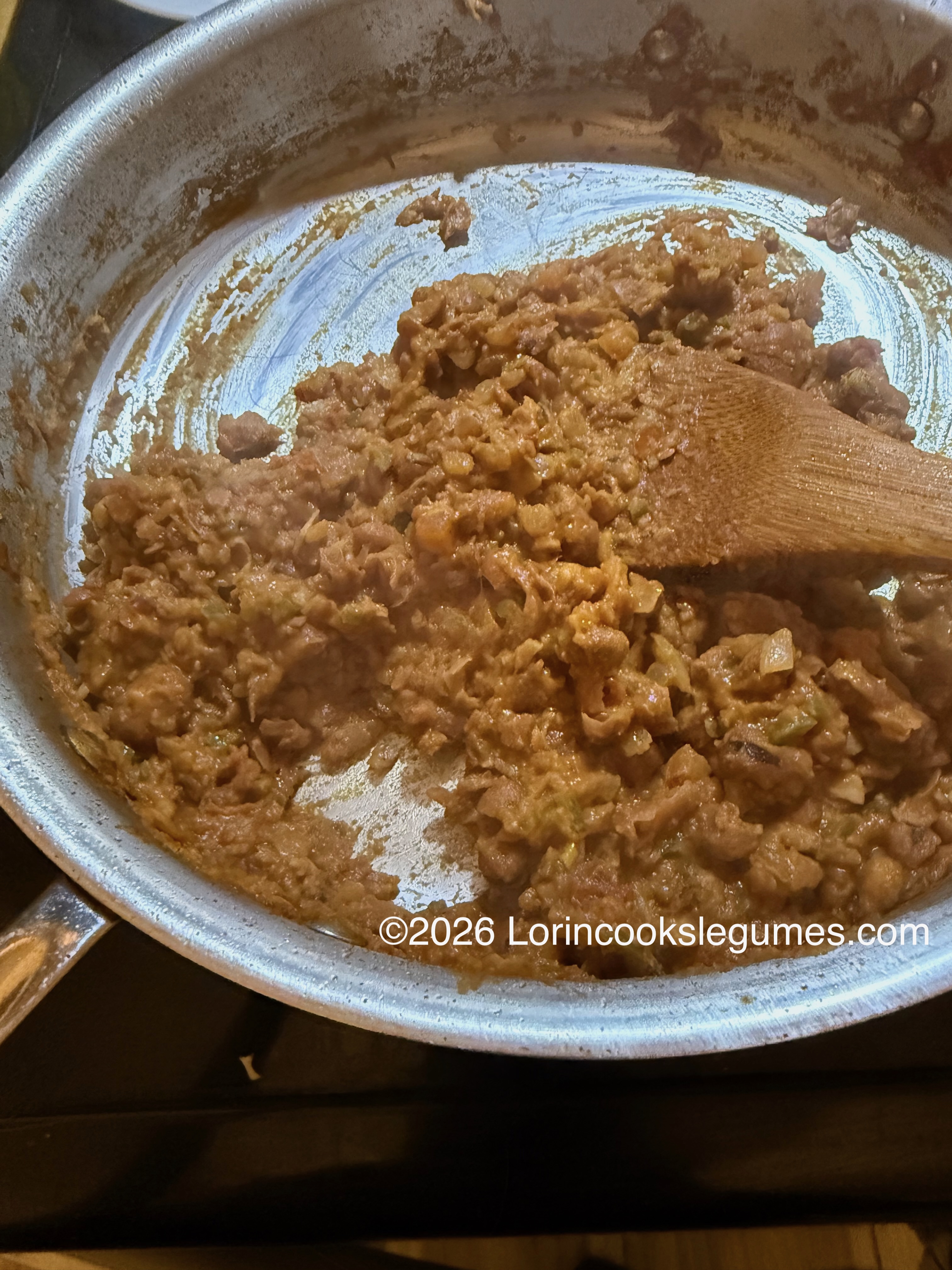
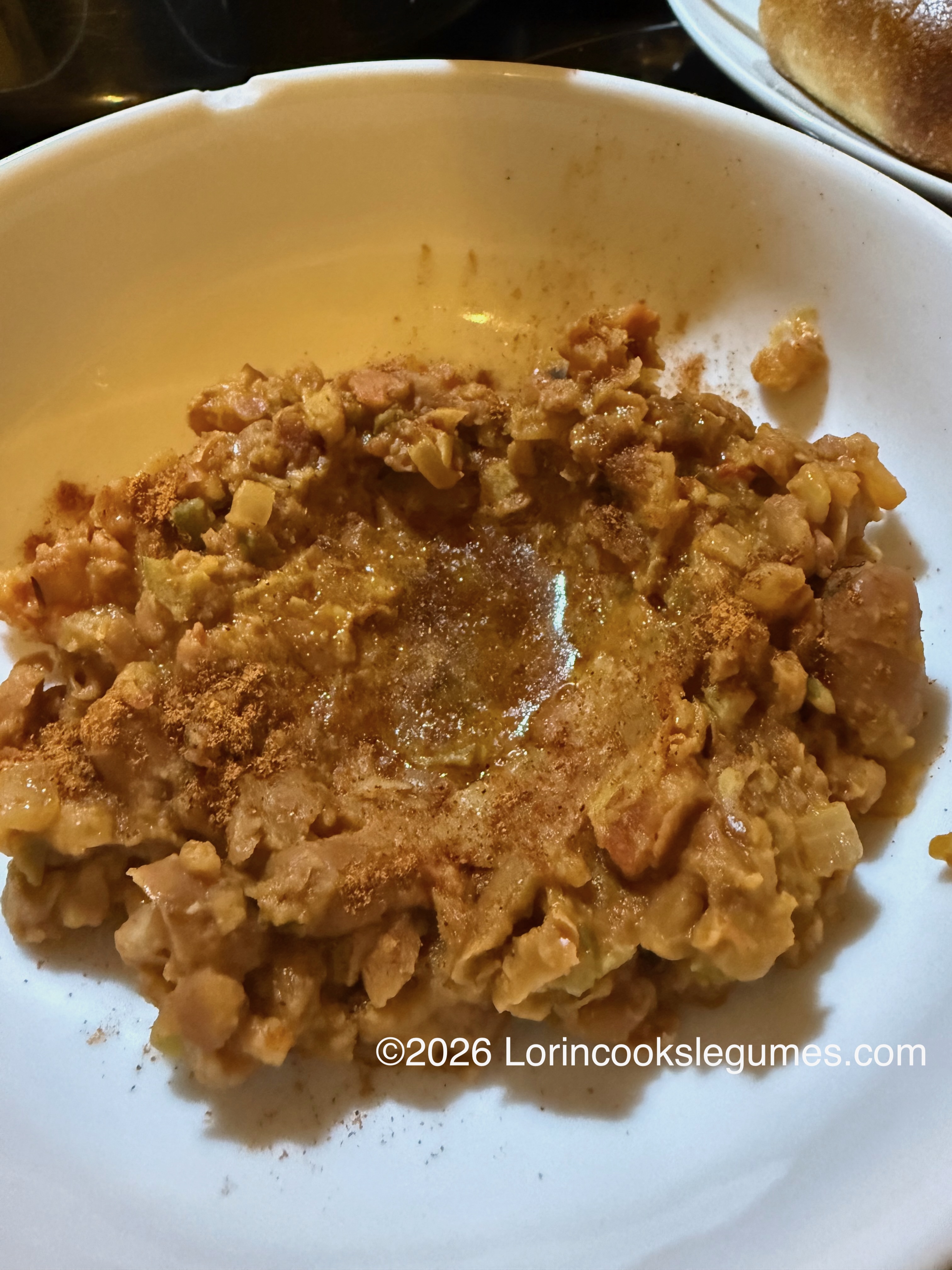
I made my ful very dry, although I think it is usually somewhat wetter. Feel free to add additional water as you see fit.
Ethiopian Ful Medames
Serves: 2
Prep: 15 minutes
Cook: 20 minutes
Total: 35 minutes
(As an Amazon Associate I earn from qualifying purchases.)
3 Tablespoons vegetable oil
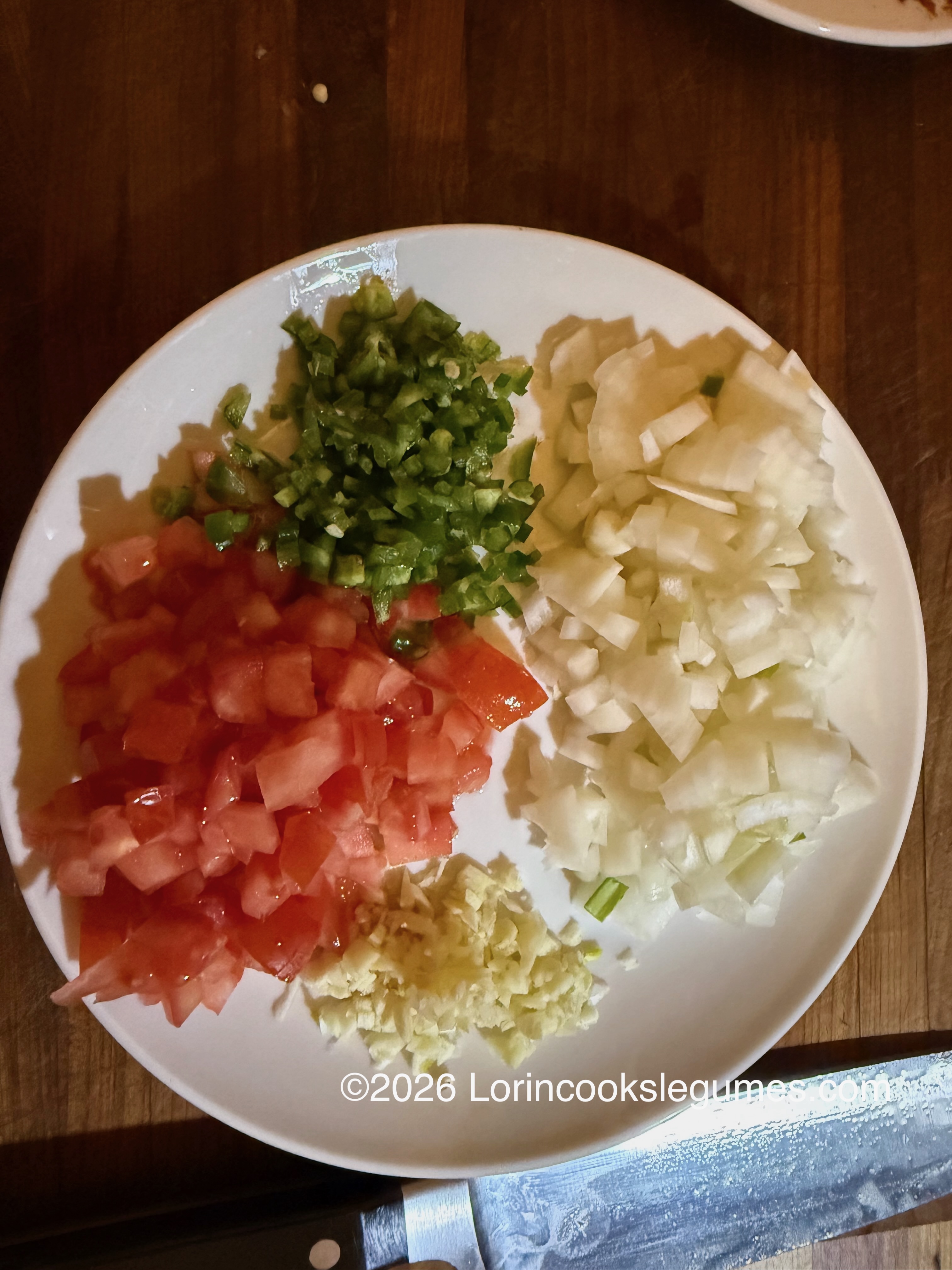
1 small onion, diced
2 cloves garlic, minced
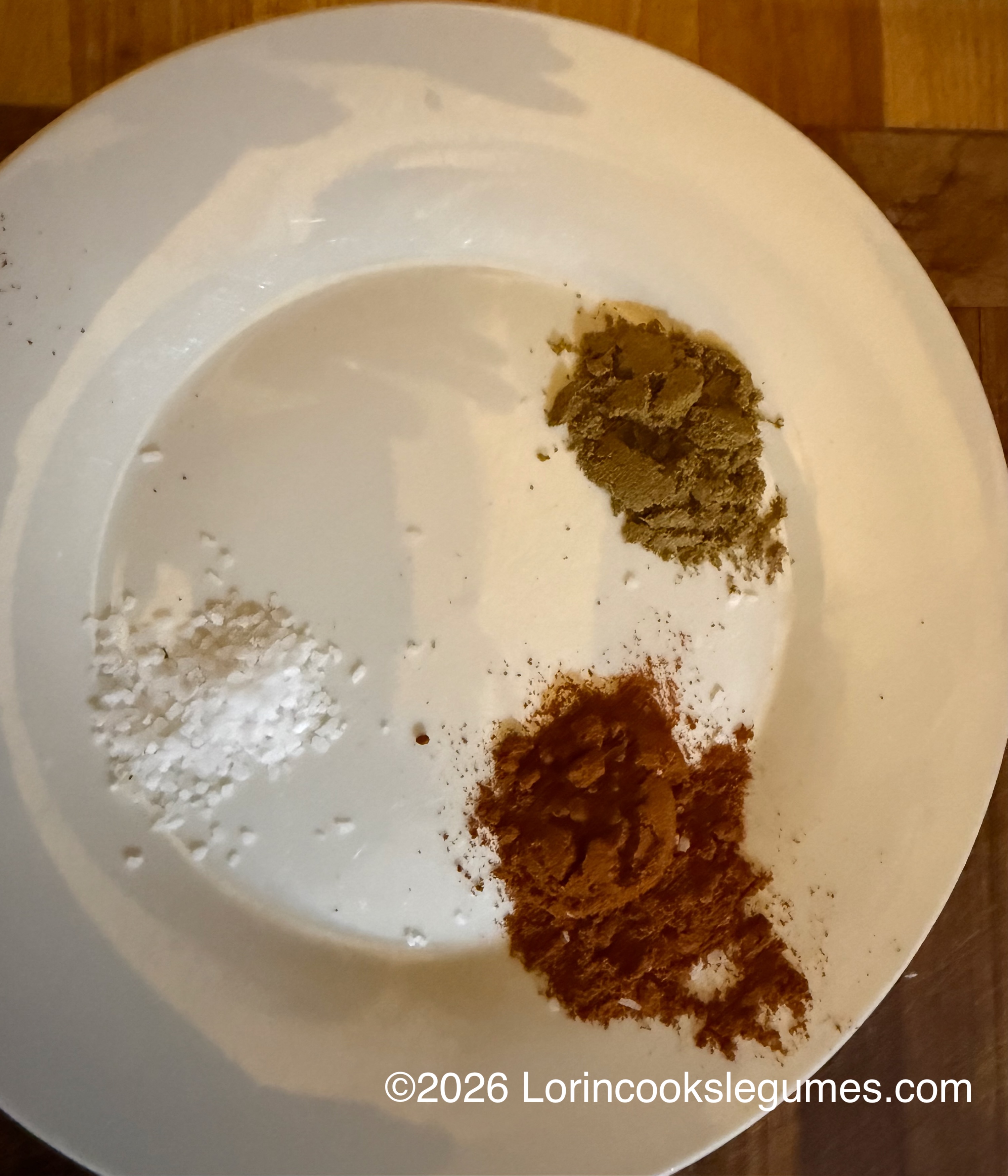
⅔ teaspoon ground cumin
1 ½ teaspoons berbere spice
⅛ teaspoon salt, or to taste
1 large tomato, diced
1 jalapeno, minced
1 can of fava beans, drained
½ cup water, or as needed
1 ⅓ teaspoons olive oil
⅓ teaspoon mitmita, or to taste (see recipe below)
1 small tomato, diced
¼ red onion, diced
1 spring onion, finely sliced
2-3 Tablespoons parsley, minced
2 boiled eggs, peeled and halved
Crusty bread rolls
Optional:
½ green bell pepper, finely diced, as garnish
2 teaspoons yogurt, as garnish
½ cup stock
3 Tablespoons niter kibbeh, in place of oil, plus more for garnish (see recipe below)
½ Tablespoon tomato paste
¼ teaspoon black pepper
Serrano pepper, minced, as garnish
¼ lemon, wedged, as garnish
1 ¼ teaspoon minced jalapeno, as garnish
3 Tablespoons olive oil, in place of vegetable oil
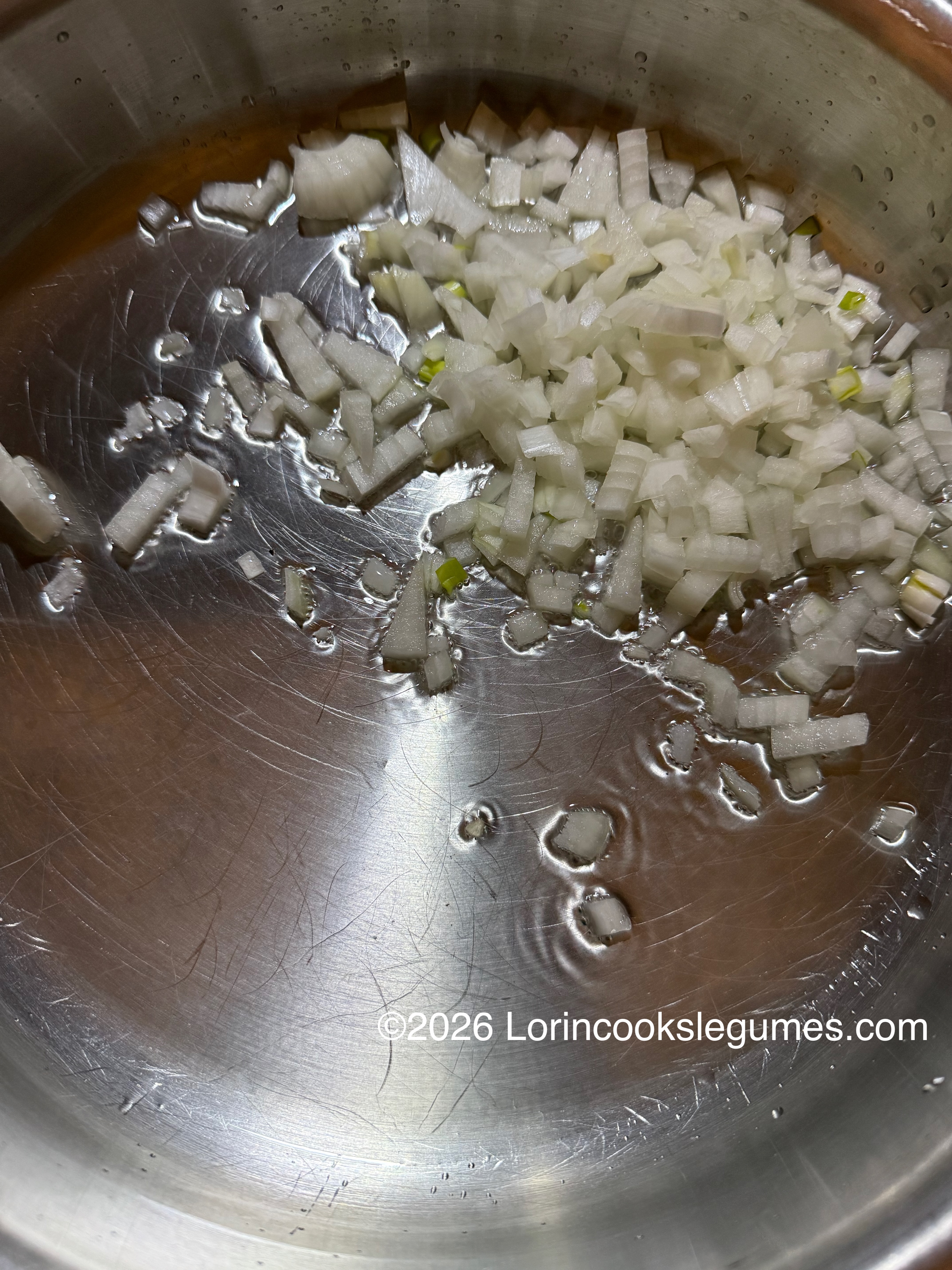
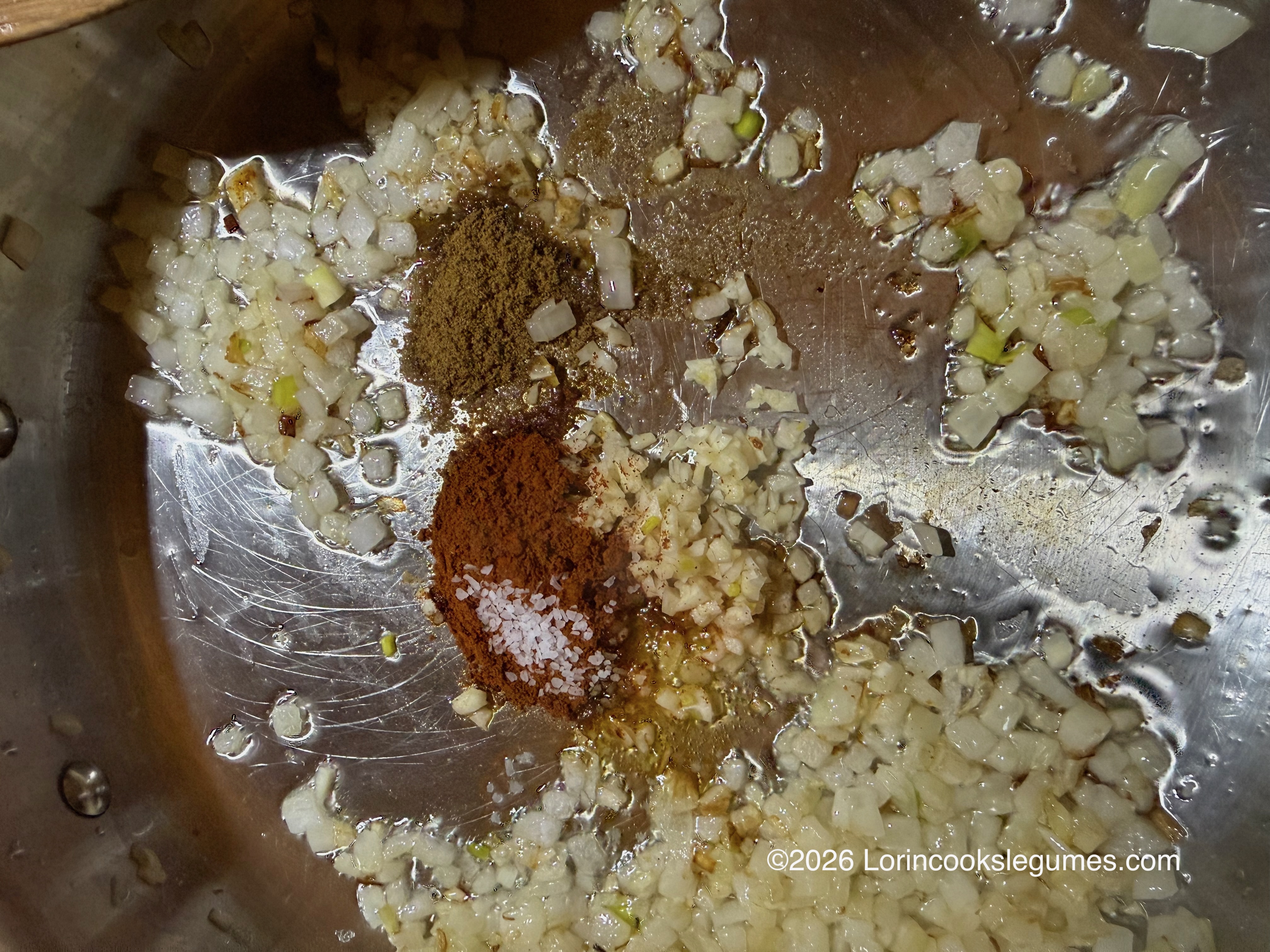
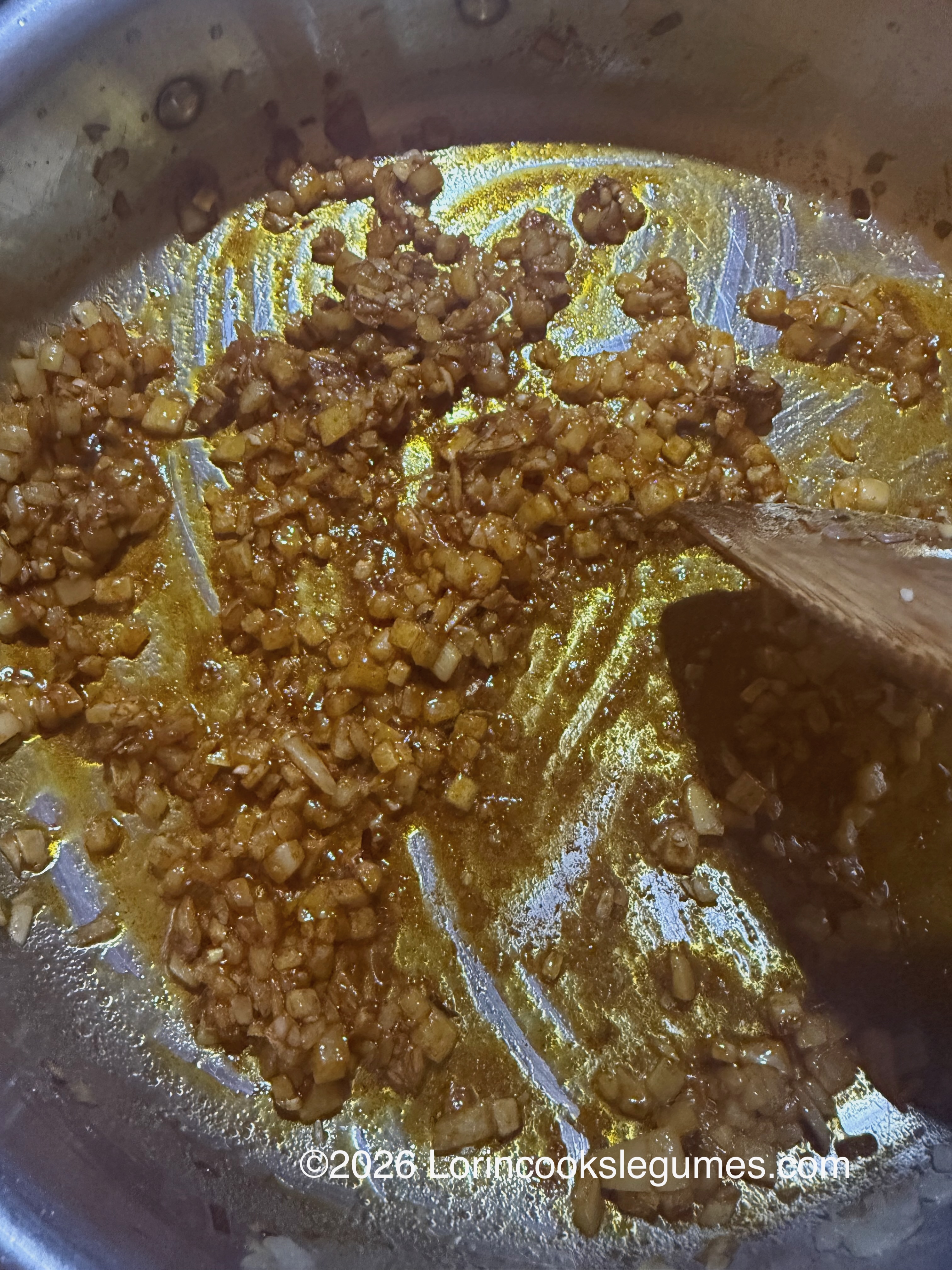
Heat the oil in a frying pan and sauté the onion until soft, about 5 minutes. Add the garlic, cumin, berbere, and salt and cook for a minute or so, until fragrant.
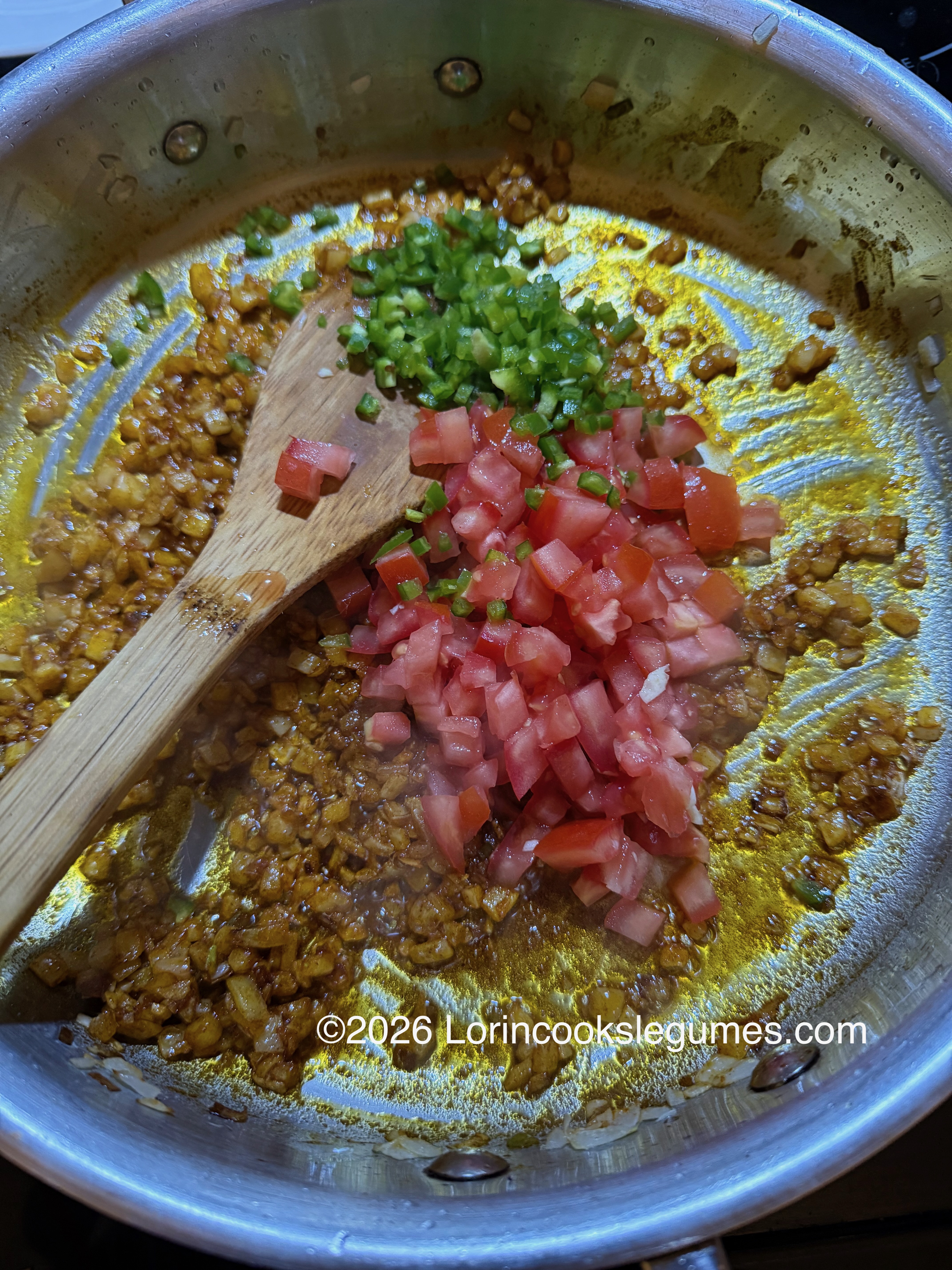
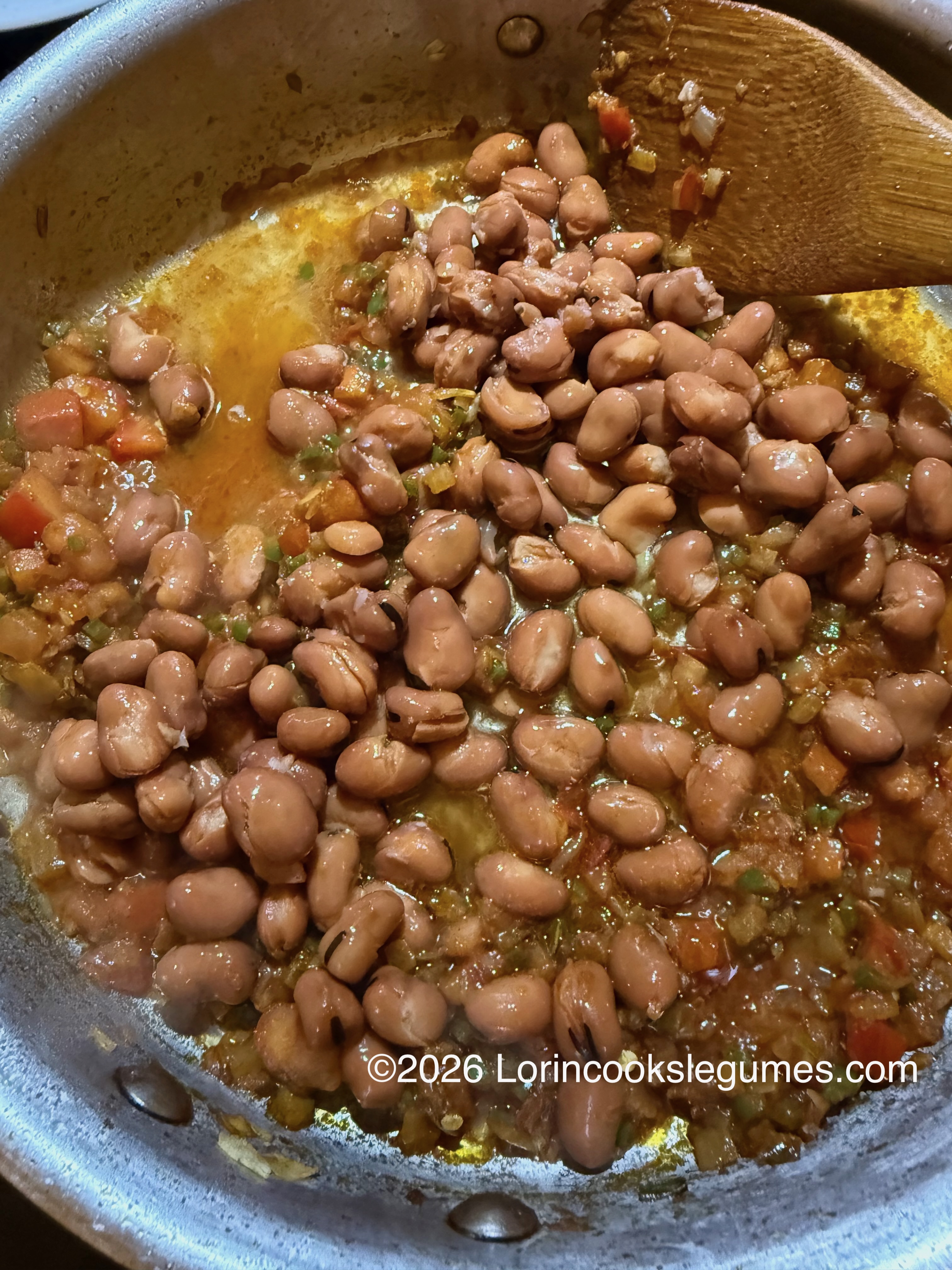
Add the tomato and jalapeno, and cook for a couple of minutes, until the tomato begins to soften. Add the drained fava beans and about ½ cup of fresh water. Bring to a simmer, and cook, stirring frequently and mashing the beans with the back of a wooden spoon, for about 10 minutes, until flavors meld and the desired consistency is reached.
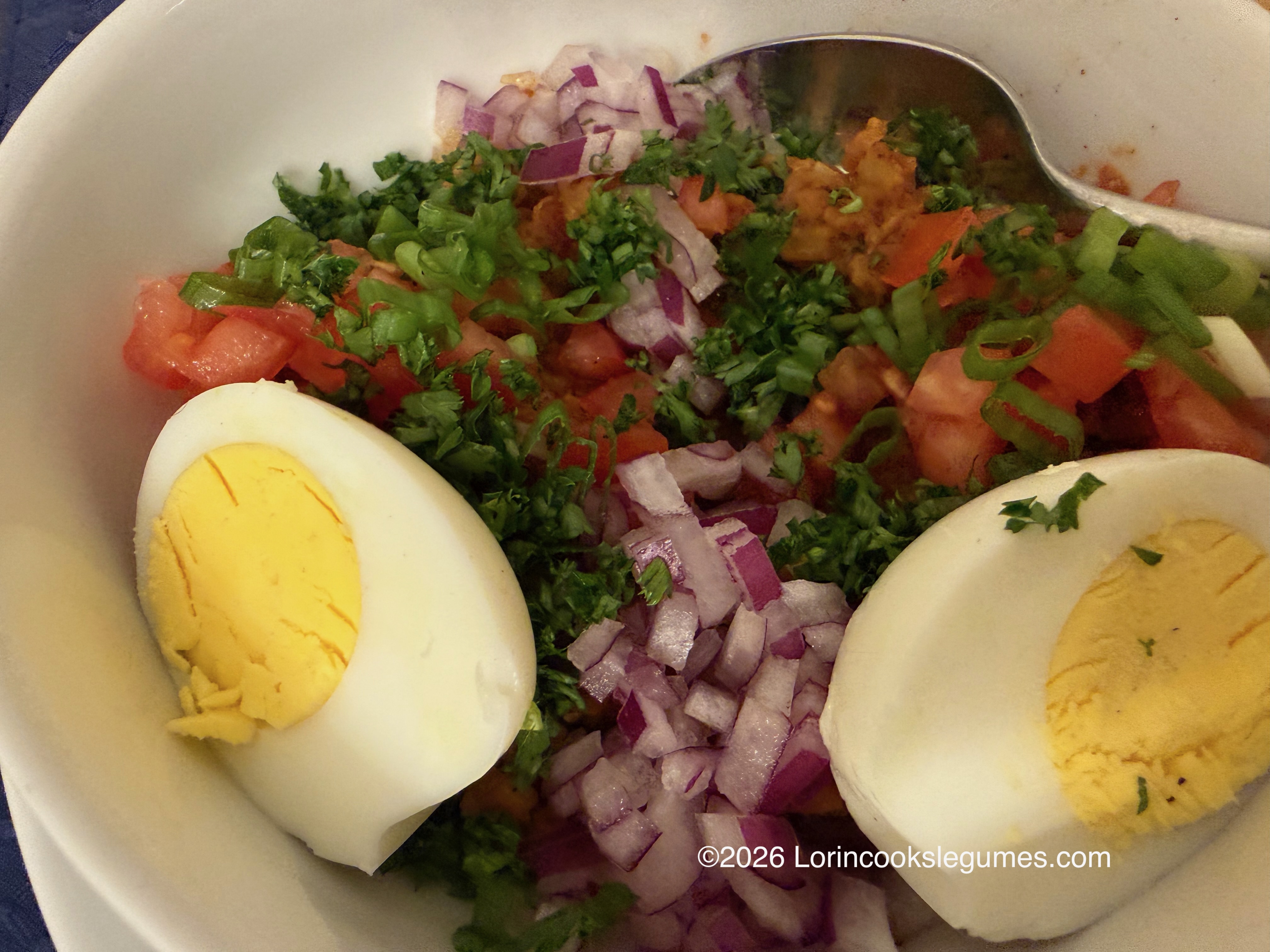
Spread the ful into bowls and make a well in the center of each. Drizzle olive oil into the well, and sprinkle a pinch of mitmita over the top. Garnish with diced tomato, red and green onion, and parsley. Serve with soft or hard-boiled eggs and bread.
Mitmita
Yield: 2 Tablespoons
Prep: 5 minutes
Cook: 5 Minutes
Total: 10 minutes
2 Tablespoons birds-eye chilies
1 teaspoon Ethiopian cardamom pods
½ teaspoon whole cloves
1 teaspoon salt
Toast the chilies, cardamom, and cloves in a hot, dry pan until fragrant. Transfer to a small plate to cool. Once cool, transfer to a spice grinder and add the salt. Grind to a fine powder. Store in an airtight container.
Niter Kibbeh
Yield: ½ cup
Prep: 10 minutes
Cook: 20 minutes
Total: 30 minutes, plus time to filter.
8 oz. unsalted butter
1 shallot, finely diced
2 cloves garlic, minced
1 knob of ginger, sliced
1 cinnamon stick
4 Ethiopian cardamom pods
1 teaspoon cumin seeds
1 teaspoon fenugreek seeds
1 teaspoon coriander seeds
1 teaspoon black peppercorns
1 bay leaf
Combine all ingredients in a small saucepan, and cook over medium-low heat for 15-20 minutes, until the butter solids begin to caramelize. Strain through muslin cloth or a coffee filter, and store in the refrigerator for up to two weeks.
*As an Amazon Associate I earn from qualifying Amazon purchases.
I receive no compensation for mentioning any other websites or product.
 Lorin cooks Legumes