
Farinata (Italian: [fariˈnaːta]), socca (Occitan: [suˈka]), farinata di ceci, torta di ceci, fainé, fainá, cecìna or cade is a type of thin, unleavened pancake or crêpe made from chickpea flour.
https://en.wikipedia.org/wiki/Farinata
We’ve escaped! From the cold, as well as from Indian recipes.
Well, I’m actually back in Minnesota now, but I made this recipe last weekend while I was visiting my brother in California.

As far as escaping from Indian recipes, the same Wikipedia page about dal I’ve been working through for the last year or so led me to this recipe as well, because it was used as an example of something made with gram flour, ground from chana dal, aka chickpeas. This will be the last recipe from that page though, so there should be more new flavors coming soon!
Farinata is the Italian name for a type of flatbread made in Genoa and across the northwestern Mediterranean coast. It’s called soca in Nice, and cade in Toulon. Traditionally it’s made in big copper pans and baked in hot wood-fired ovens, from a simple batter consisting of chickpea flour, water, and salt, with generous amounts of olive oil in the pan, and often topped with onion, baby artichokes, anchovies, or any number of other tasty things. It’s crispy on the outside, soft and custardy in the center, and has an earthy, vegetal flavor from the chickpeas. And it’s naturally vegan and gluten-free, for those to whom that matters.
Until I started this blog I wasn’t aware that bean flour was an ingredient in any European cuisines (unless you count soy flour in old hippie health food as a European cuisine), but I guess it makes sense that once someone figured out you could make flour out of chickpeas, that that practice would spread to other areas where they are grown.
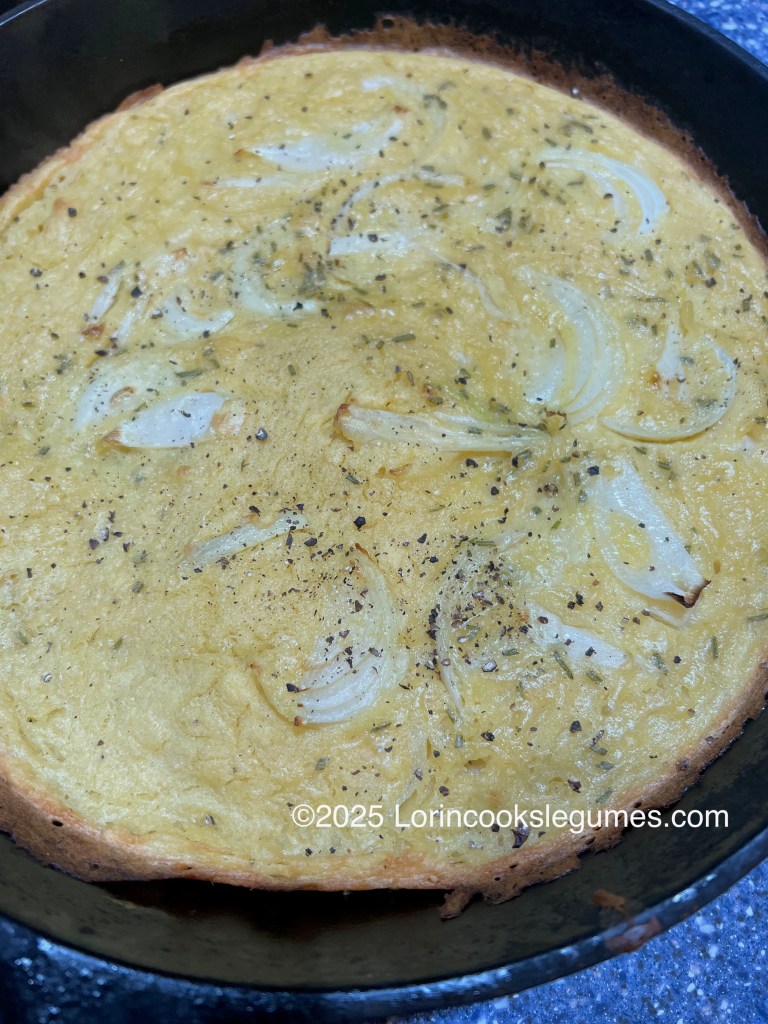
Farinata has a reputation for being tricky to make well. I haven’t traveled to Italy to eat authentic Genoan farinata, so I can’t really make a judgment on how well I did, but I feel like my recipe ticked all the boxes for what good farinata is according to the recipes I looked at to create mine: crispy on the outside, custardy in the center, and tastes like chickpeas, of course!
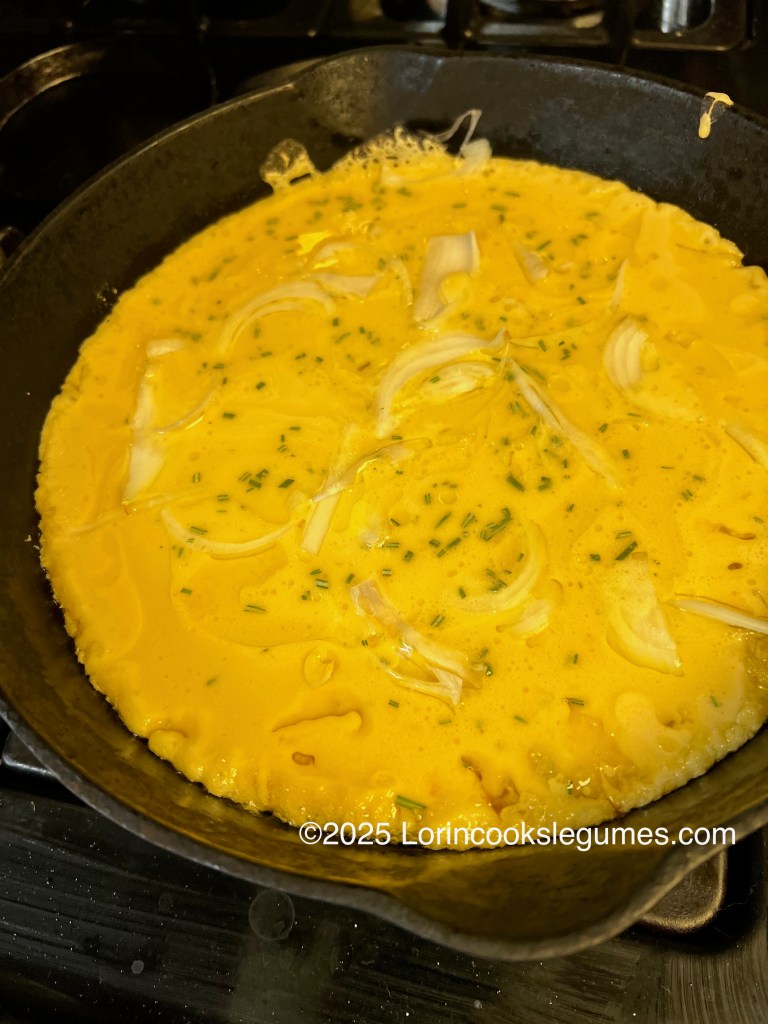
I based my recipe around using a 14-inch diameter pan, but in reality, most people don’t own a cast iron pan that big. Before deciding to make this at my brother’s house, I was thinking about ordering one for myself, but the cost-benefit ratio for that didn’t really make sense, since I don’t have much call for a pan that big in my everyday life and the cheap ones, predictably, have terrible reviews. However, if you do that math, a 10-inch pan is roughly 1/2 the area of a 14-inch pan, and my brother happens to own two of those. This was also fortuitous because my sister-in-law is allergic to onions, so I could make one with and one without. The only downside was that I fairly drastically underestimated how much was half the batter in the first pan, so one was super thin, while the second one was pretty thick. Both were still delicious, but I think that the ideal thickness to achieve the best balance between crispy and custardy would be right in the middle.
This recipe does require some planning ahead, as the chickpea flour needs to hydrate for a minimum of four hours to achieve the desired texture. Six hours was the average across all the recipes I looked at, and you could go up to 18-24 if you really wanted to (although I suspect that there might be some fermentation beginning by that point, depending on the climate where you live).
The traditional recipe doesn’t add oil to the batter, using enough in the pan that it rises up around the edges to get absorbed, but enough of the recipes I looked at added some to the batter that I chose to do so as well.
The biggest difference between the different recipes I looked at was the cooking method. Pretty much all of them agreed that you need to start with a very hot oven and preheated pan (well, except for the one that cooked it on the stovetop, like a pancake). Some of them kept the oven on for the full baking time, while others switched to the broiler, either at the end to finish browning, or right away once the farinata was in the hot pan. Averaging out the baking times from all the recipes got me 20-25 minutes. In the smaller pans, both the thin and thick farinata were done in more like 12-15. I’m adjusting my published recipe to reflect that experience, but if you happen to actually use a 14-inch pan, be prepared to bake a little longer if necessary.








Farinata
Yield: one 14-inch or two 10-inch pans
Prep: 10 minutes
Cook: 15-25 minutes
Total: 25-35 minutes, plus 6 hours soaking
(As an Amazon Associate I earn from qualifying purchases.)
2 ⅓ cups chickpea flour
3 cups room temperature water
1 ½ teaspoons fine sea salt
2 Tablespoons olive oil
1 teaspoon fresh rosemary, minced
4-6 Tablespoons olive oil
Sweet onion, finely sliced
Freshly ground black pepper to taste
Optional:
Flaky sea salt, for garnish
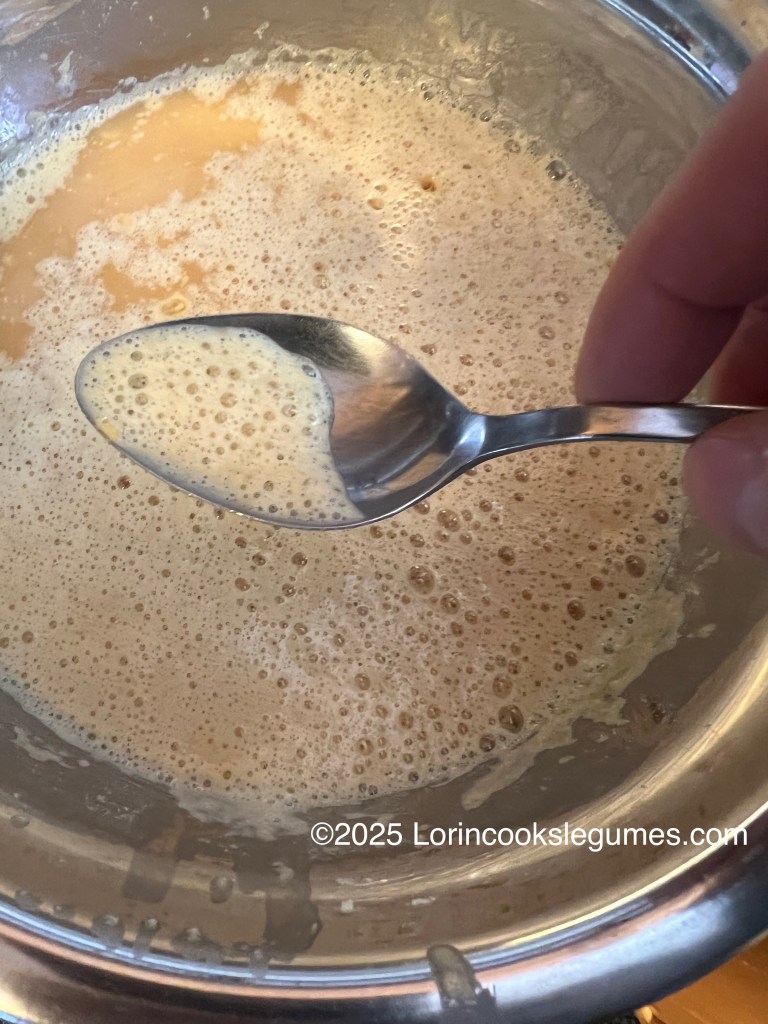
Put chickpea flour in a medium bowl and slowly whisk in water to make a smooth, thin, batter. Cover with a clean towel and let stand at room temperature for about 6 hours to allow the flour to fully hydrate. Every two hours or so, skim off the foam that rises to the surface and give the batter a whisk.
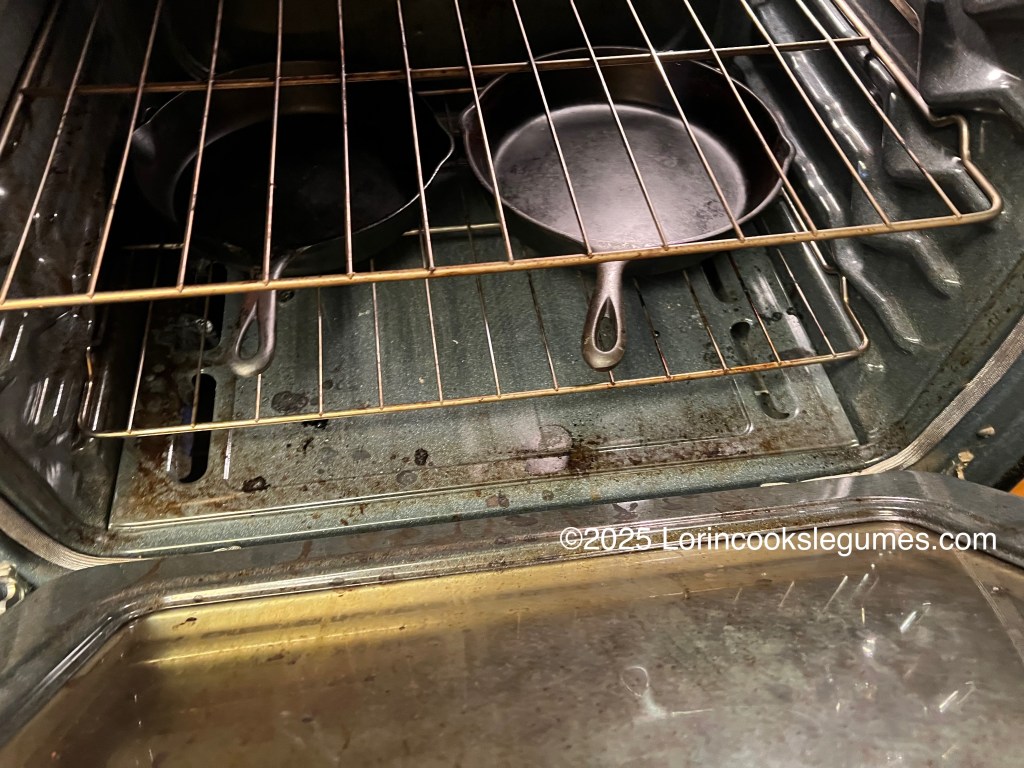
Preheat your oven to 500F, (or as high as it goes), with racks in the bottom and top positions. Place a 14-inch cast iron skillet (or two 10-inch skillets) in the oven as it is heating.
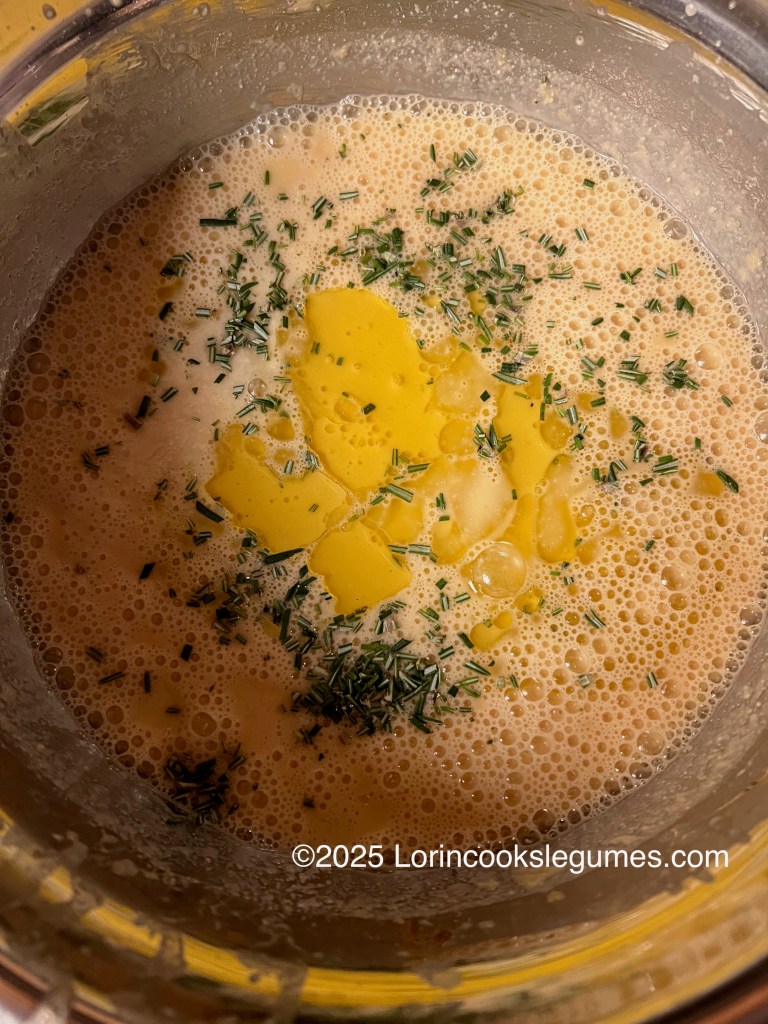
While the oven heats, whisk 1 ½ teaspoons of fine salt, 2 Tablespoons of olive oil, and the rosemary into the batter.
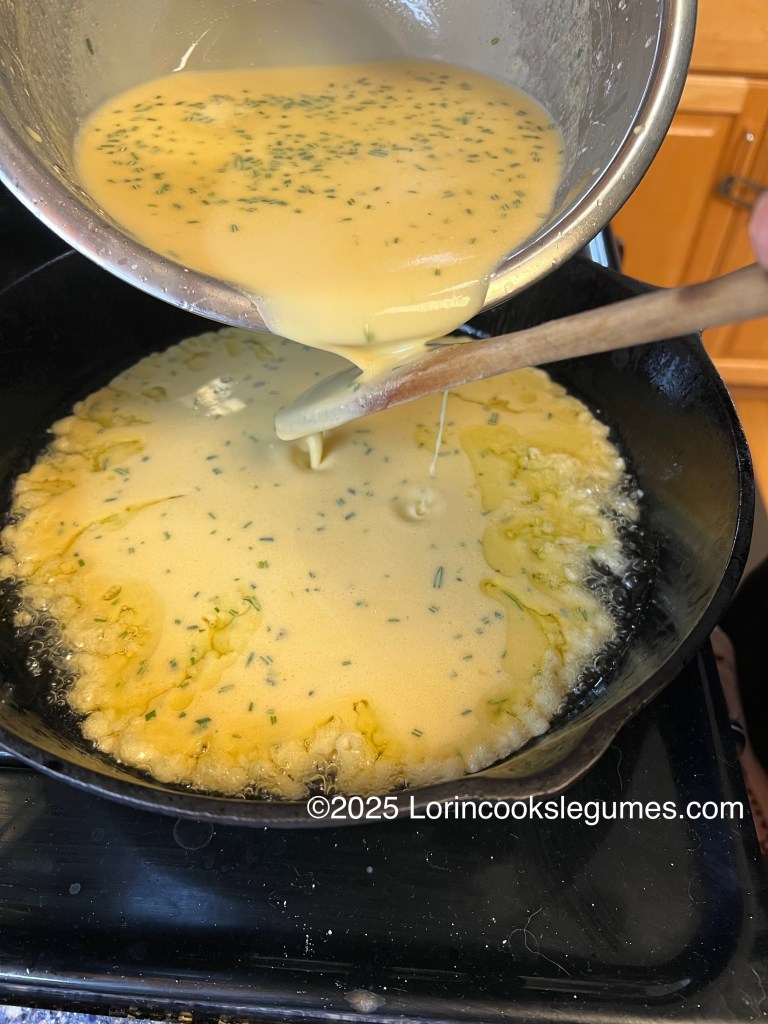
When the oven and skillet are hot, carefully remove the pan and add 4 Tablespoons of olive oil, swirling to coat the pan (I used 3 Tablespoons per pan with the 10-inch pans). Hold a wooden spoon at a 45-degree angle, just touching the oil, and slowly pour the batter over the spoon into the pan.
You should have some oil coming up around the edges onto the surface of the batter. Use a spoon to carefully draw that oil in towards the center, coating the top of the batter with oil. (It’s ok if the surface isn’t completely covered, but try to get it spread around fairly evenly). Scatter slices of onion over the surface
Remembering the that handle is still hot, return the pan to the oven on the bottom shelf, and bake for about 12-15 minutes, or until golden and just set. If desired, switch the oven to broil and move the pan to the top shelf for a couple minutes to brown the top.
Alternately, you can switch to broil immediately when you put the pan in the oven (on the top shelf), and cook for 10-15 minutes, but watch carefully, as you can go from raw to burnt quite quickly. Prop the oven door open a crack to prevent the broiler from cycling off.
Grind some fresh black pepper over the farinata and allow to cool for about 5 minutes. Slice and serve warm.
 Lorin cooks Legumes