
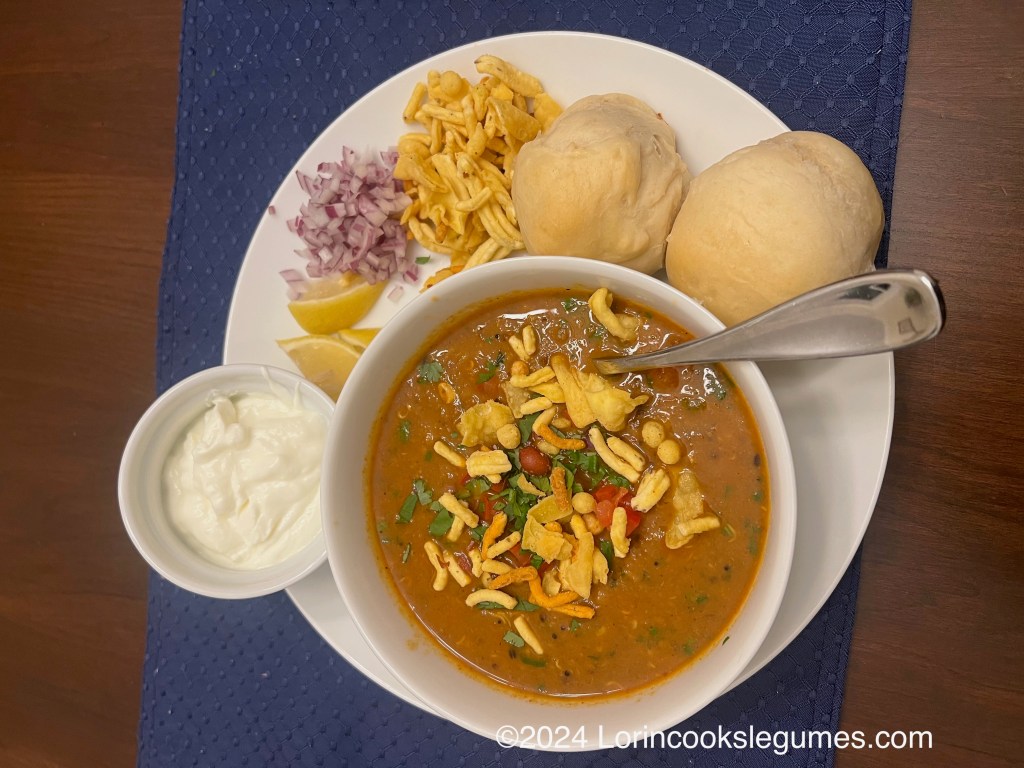
Misal pav (Marathi: मिसळपाव) is a dish from the Indian state of Maharashtra. It consists of misal (a spicy curry usually made from moth beans) and pav (a type of Indian bread roll). The final dish is topped with farsan or sev, onions, lemon and coriander (cilantro). It is usually served hot with bread or rolls,toasted with butter and buttermilk or dahi and papad. It is served as a breakfast dish, as a snack and also as a full meal.
https://en.wikipedia.org/wiki/Misal_pav
Hailing from Maharastra, the Indian state of which Mumbai is the capital, misal pav is more than just a dish, it’s a whole meal. Misal is a soupy curry made with sprouted moth beans, and pav is India’s take on fluffy dinner rolls, which the Portuguese probably introduced to the region, so clearly the basic form of the dish is misal served with pav.
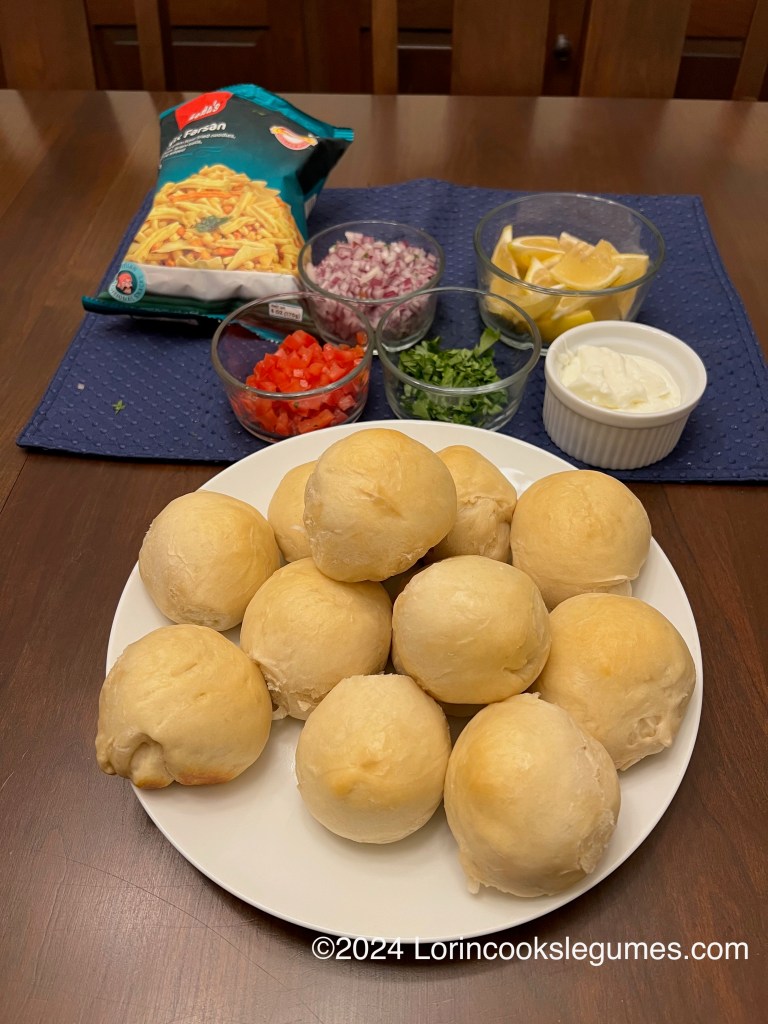
In addition to sprouts and bread, several additional sides and toppings are traditionally served with misal pav. The foremost one is farsan* , a type of crunchy, fried snack made from besan, or chickpea flour, similar to the Bikaneri bhujia I made last time. Rather than mess around with a new sev press, I ordered a commercial version of farsan, which comes as a mix of several different shapes and flavors of fried besan and some peanuts. All the fried elements are quite light and fluffy, a big contrast to the crunchy noodles I created with my bhujia.
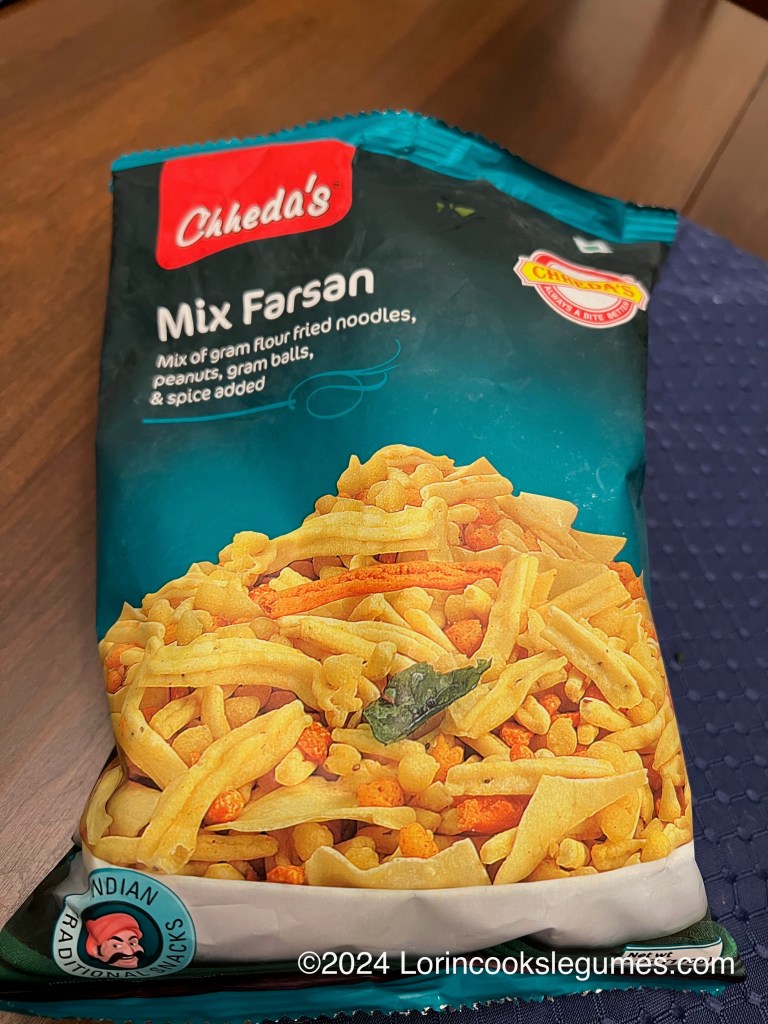
In addition to the farsan, misal pav is traditionally topped with finely chopped red onion and served with lemon wedges on the side.
As with most famous Indian regional foods (and, to be fair, many European ones too), you’ll find different variations in different cities, with much debate about who makes the most authentic or the best version. I didn’t try to narrow my search down to a specific variation, so I suspect that my version is probably a bit of a Frankenstein of all of them, and maybe not particularly authentic to any of them. Certainly, almost every recipe I looked at had a different variation in the cooking method, so trying to decide how I would do it, and which ingredients to put into which step was a bit of a challenge.
As I understand it, the most traditional version of this dish has the misal cooked as two or three separate preparations, which are only combined in the serving bowl. The sprouts are cooked as one dish, then a separate spicy gravy is made, to be poured over the top, and sometimes a separate spicy red oil, called tari, is made, by heating red chili powder in oil, to be added for color and spice, although most recipes simply use a lot of oil and chili powder in the gravy, and then skim the tari off the top before serving. Many recipes I looked at added the partially cooked sprouts into the gravy, simplifying the dish into a single preparation, which is the route I chose to follow.
The masala was the most challenging part to decide on. Some of the recipes I looked at called for dry spices or even store-bought misal masala powder, while others created a wet masala paste, blending the spices with onion, and tomato, and frying that mixture in oil before adding the rest of the ingredients. I did both, creating a dry spice blend, which I then added to a wet masala paste.
To be honest, there are several things I would do differently if I tried this recipe again. Firstly, I’d probably buy fresher beans for sprouting- the moth beans I used had been sitting in the pantry for several years and didn’t have a great germination rate. I’m currently trying to minimize new foods coming into the house if I don’t have an immediate plan to use all of them because we’re getting ready to sell the house and move somewhere as of yet undetermined, possibly across the country, so I decided that enough beans sprouted to go ahead with this recipe, but there were a sizable portion that didn’t sprout.
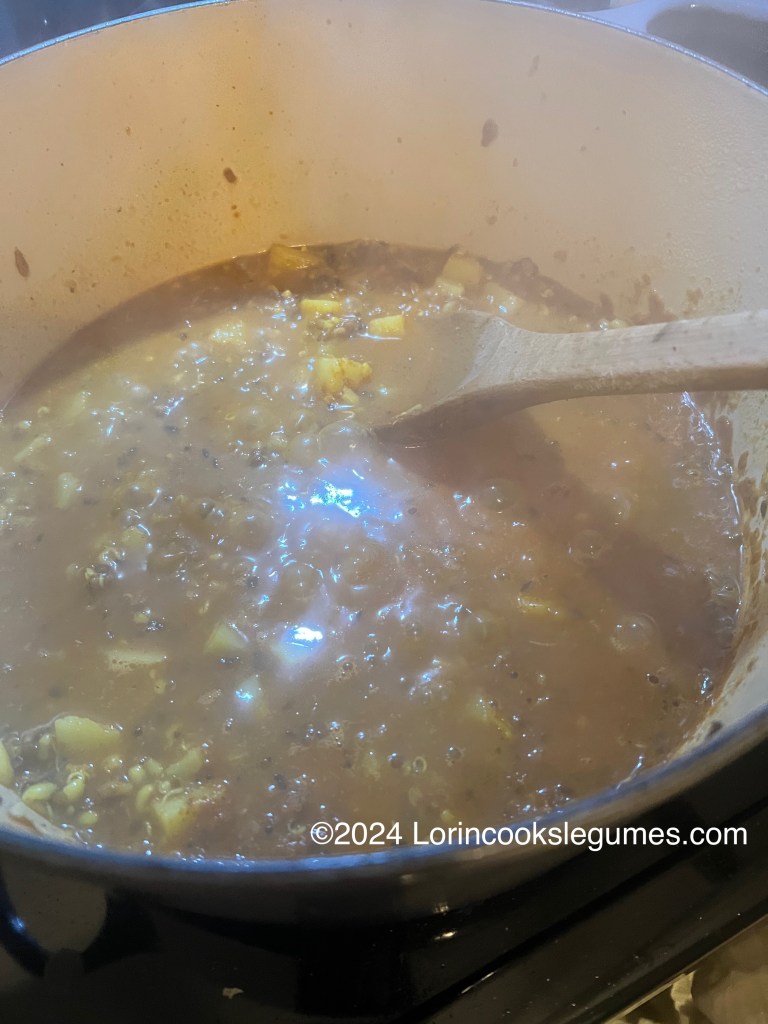
I have already adjusted my recipe to cook the sprouts in a regular pan, rather than a pressure cooker. After just 5 minutes in the pressure cooker, the sprouts and potatoes were both falling apart, so there was very little texture to my misal.
I would possibly also switch the regular and Kashmiri chili powders in the recipe. Misal is reportedly traditionally a very spicy dish, which my version was not. Kashmiri chili powder is the Indian equivalent of paprika, often used more for color than flavor, and certainly not for adding spice to a dish. There are enough other variations of chilies in the dish that I expected it to be at the higher end of my spice tolerance level and was surprised when it wasn’t.
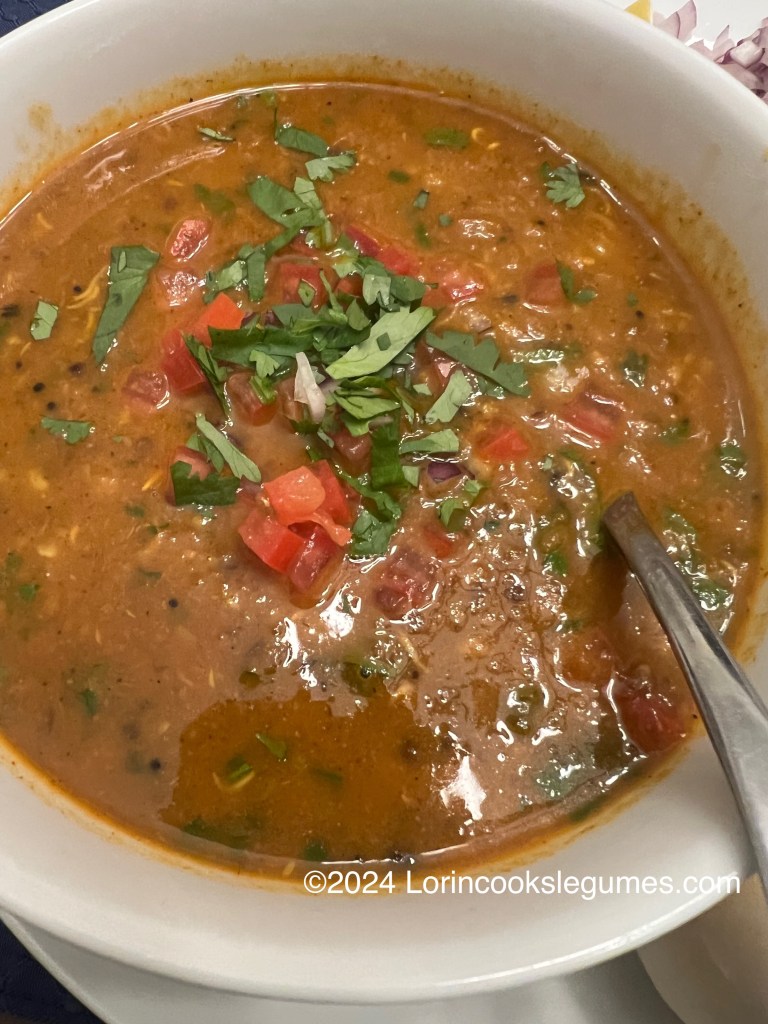
My misal also wound up thicker than I believe is usual, and the tari I was expecting to form on the surface of my misal never appeared. If you want to create tari as part of the main dish you’ll need to use more oil than I call for, and you could probably add additional water as well (although not overcooking the sprouts and potatoes might have helped with the consistency as well).
There is a very similar dish called usal, which some sources say is just the sprout curry part of misal pav without the extra toppings, but other sources say is actually a different dish. Some of the recipes I looked at said you can replace moth bean sprouts with mung sprouts, but others said that misal is specifically moth beans, and if you use other types of sprouts, that’s what usal is. I plan to research a recipe for usal next, so we’ll see if we can find an answer!
I made my own pav, following this* recipe. Although there are probably subtle differences that make Indian pav its own unique bread, pretty much any fluffy white dinner roll will fill the bill, so feel free to use your favorite.
**To sprout moth beans* (or any other beans, for that matter):
Pick over your beans and remove any foreign objects and bad or broken beans. Rinse well in cool water, then cover with cool water and leave to soak for 8-12 hours. Drain the water and cover your bowl with a clean cloth, leaving the beans in the dark but allowing them to breathe. (Many recipes call for putting them in a muslin bag at this point, but leaving them in the bowl worked fine for me). Depending on the age of your beans and the temperature in your kitchen they should begin to sprout in anywhere from 12 hours to 2-3 days. Give the beans a rinse every 12 hours or so to keep them moist, until sprouts reach your desired length. Once the sprouts have grown to your desired size, store them in the refrigerator and use them within a couple of days.
I started with about 3/4 cup of dry moth beans and wound up with about 2 cups of sprouts; due to my poor germination rate, you might get more than that with fresher beans.












Misal Pav
Serves: 4
Prep: 30 minutes
Cook: 90 minutes
Total: ~2 hours, plus 1-3 days to sprout beans.
(As an Amazon Associate I earn from qualifying purchases.)
Masala:
2 ¼ Tablespoons coriander seed
OR
1 teaspoon ground coriander
1 ¾ teaspoons cumin seed
OR
1 teaspoon ground cumin
3 ¾ Tablespoons dried coconut
6 whole cloves
1 inch cinnamon stick
4-5 whole red chilies
1 ½ Tablespoons oil
1 large onion, diced
5-6 cloves garlic, sliced
1 ⅓ inch fresh ginger, chopped
1-2 green chilies, chopped
⅓ teaspoon turmeric
1 teaspoon hot red chili powder
1 ⅔ Tablespoons Kashmiri red chili powder
¾ cup tomato, diced
½ cup water, or as needed
Misal:
1 ¾ cups sprouted moth beans**
1 large potato diced
2 ⅓ cups water
½ teaspoon turmeric
½ teaspoon salt
3 Tablespoons oil
¾ teaspoon mustard seed
1 teaspoon cumin seed
10 curry leaves
¼ teaspoon asafoetida
1 ⅔ teaspoon ginger garlic paste
1 teaspoon salt
¾ Tablespoon jaggery
2 ⅓ cups water
½ cup cilantro, minced
1 ½ Tablespoons lemon juice
To Serve:
Finely diced red onion
1 Tablespoon cilantro, minced
½ cup tomato, diced small
Farsan or sev
6-8 pieces pav
1 small lemon, cut into wedges
Yogurt
Optional:
1 ½ Tablespoons Goda masala, in place of whole spices in masala mixture
1 ½ teaspoons garam masala, in place of whole spices in masala mixture
1 ½ teaspoons Tamarind soaked in ½ cup hot water
1 ¾ Tablespoons butter, to toast pav
7 black peppercorns
2 Tablespoons oil and ½ Tablespoon red chili powder, to make extra tari.
2 teaspoons fennel seed
1 ½ Tablespoons white sesame seed
2 green cardamom pods
1 ½ Tablespoons poppy seed
1 star anise pod
1 ½ teaspoons stone flower
1 ¾ cups mung bean sprouts (in addition to or in place of moth bean sprouts)
3 Tablespoon misal masala, in place of whole spices in masala mixture
For the masala:
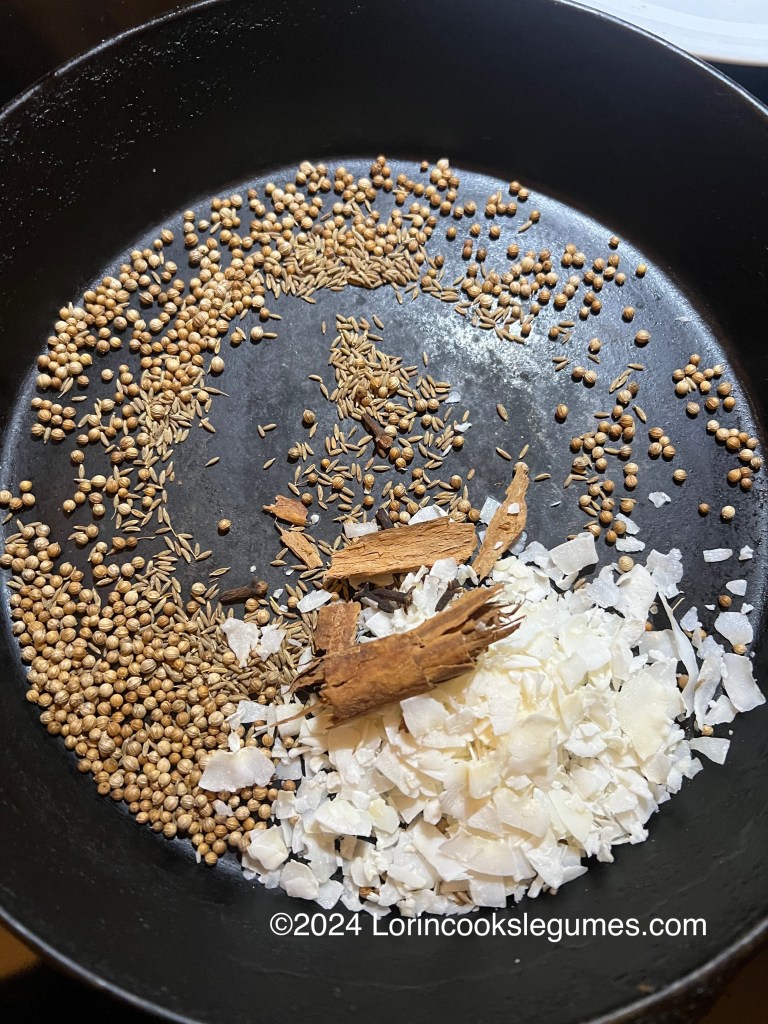
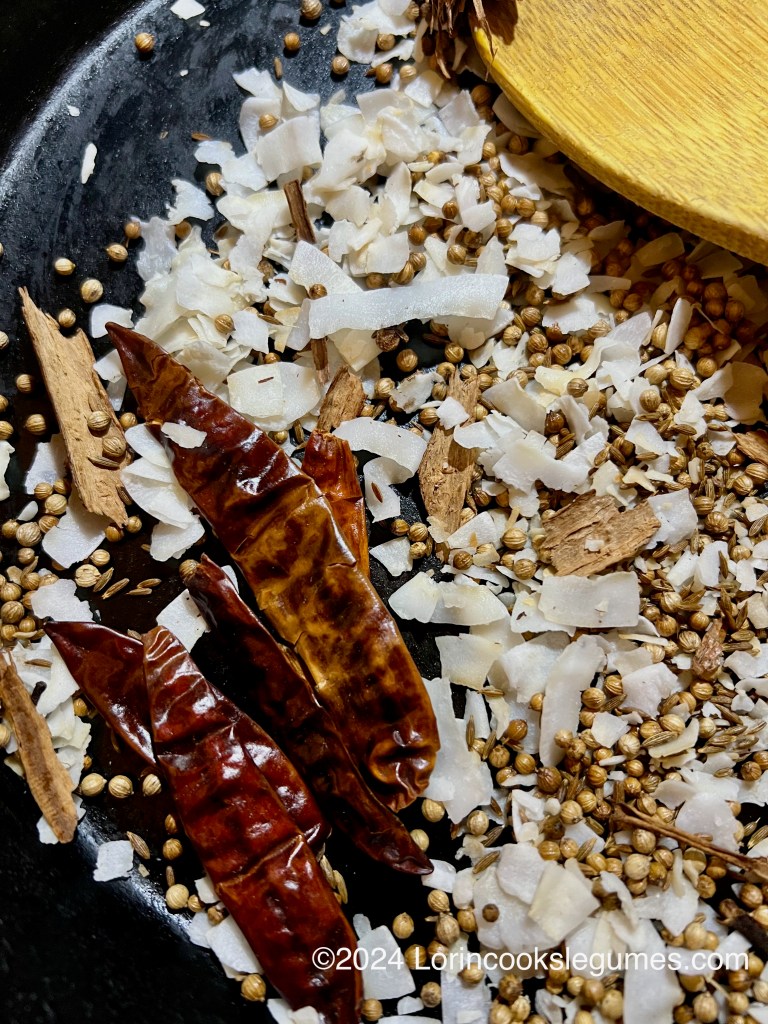
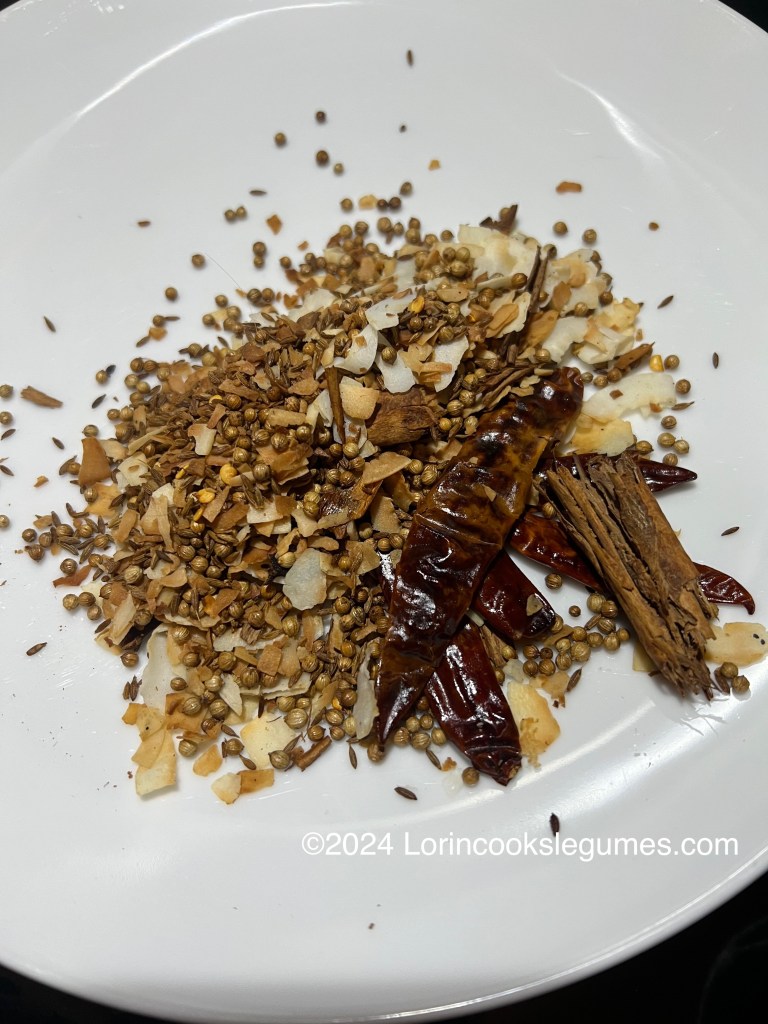
Heat a skillet over medium-low heat. Add coriander and 1 ¾ teaspoon cumin seeds and toast for a minute or two, until fragrant. (If using powdered spices, add them at the end of this step, just before removing the pan from the heat, to avoid burning). Add the dried coconut, cloves, and cinnamon stick. Continue to toast stirring constantly, until coconut just begins to change color. Add the whole red chilies and toast until the coconut is golden. Transfer to a plate and allow to cool.
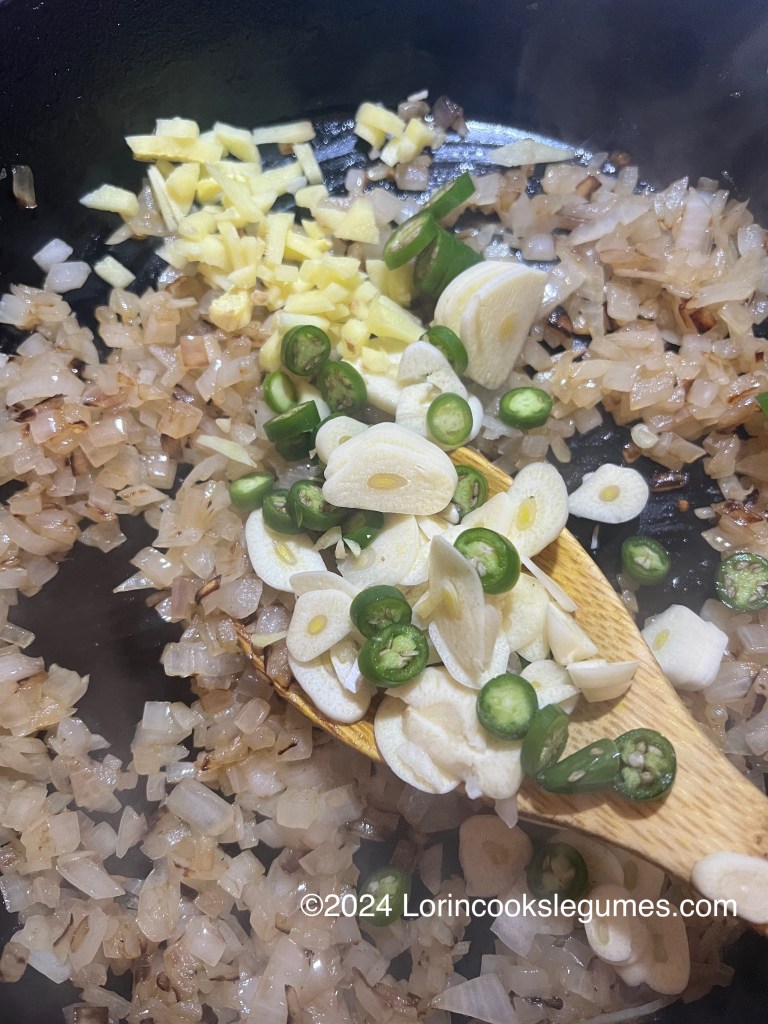
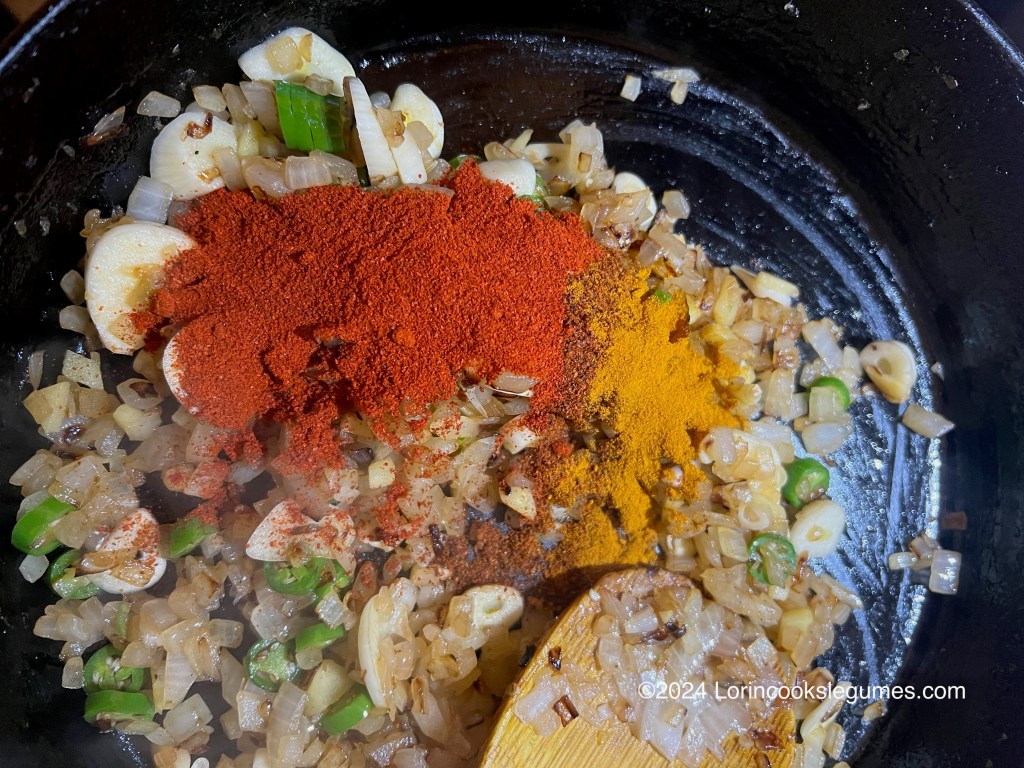
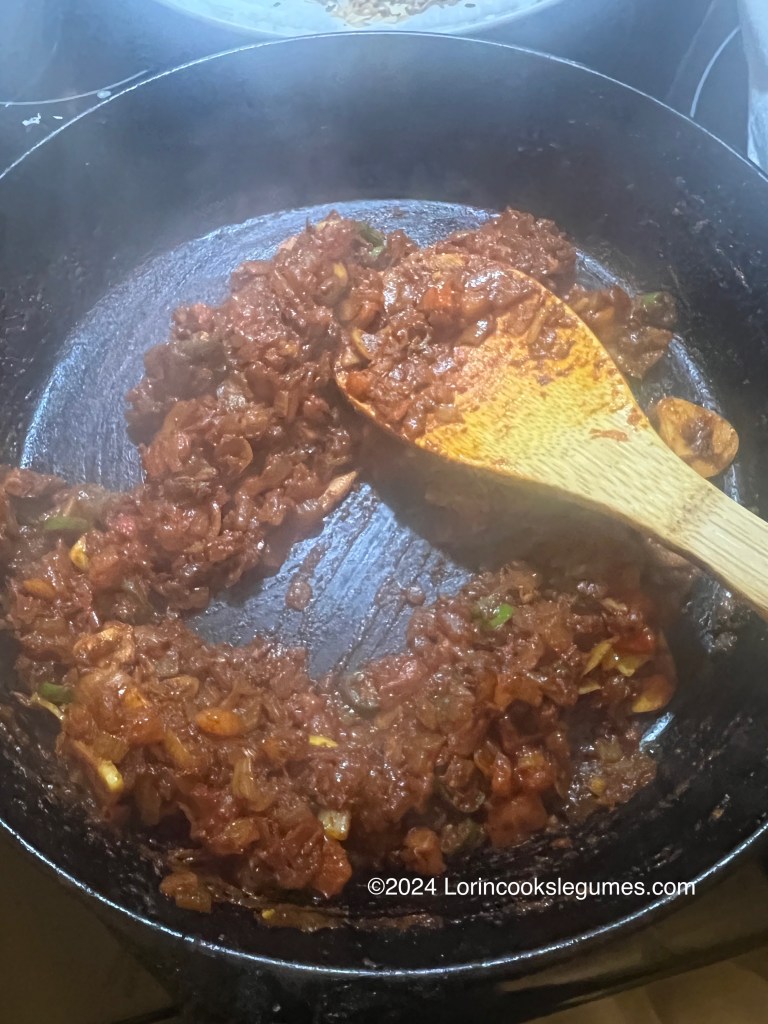
In the same pan, over medium heat, add 1 ½ Tablespoons oil. When it shimmers, add the onion and fry until golden, about 10-15 minutes. Add garlic, ginger, and green chilies and cook for a minute or two, until the raw smell dissipates. Add ⅓ teaspoon turmeric and both chili powders. Cook, stirring, for a minute or so, then add tomato. Cook until tomato softens, about 5 minutes. Remove from heat and cool completely.
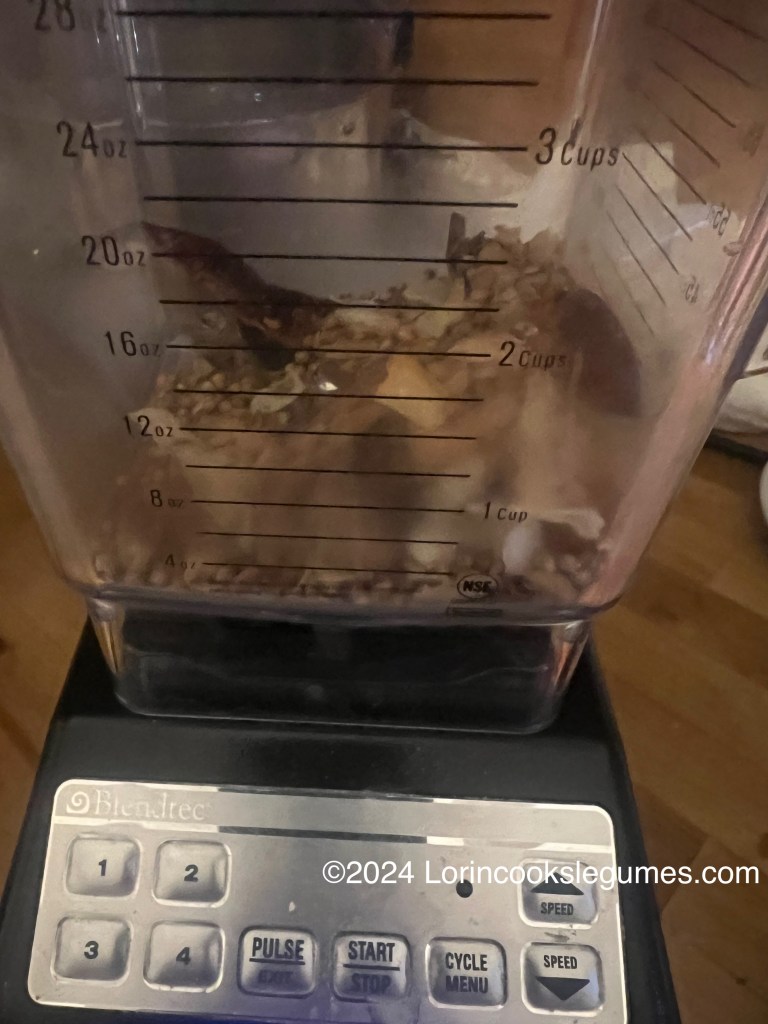
Put the toasted spices into a blender and grind to a powder. Transfer to a small jar.
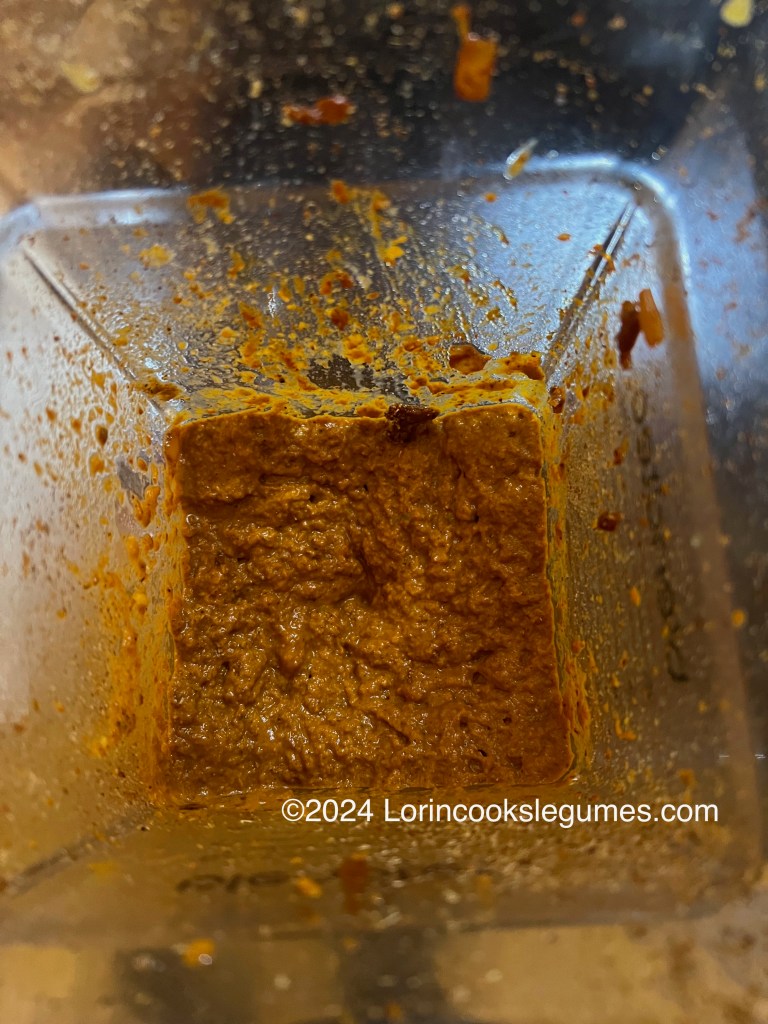
Add the onion-tomato mixture to the blender, along with 3 tablespoons of the ground spices. Blend to a coarse paste, adding water as needed.
For the Misal:
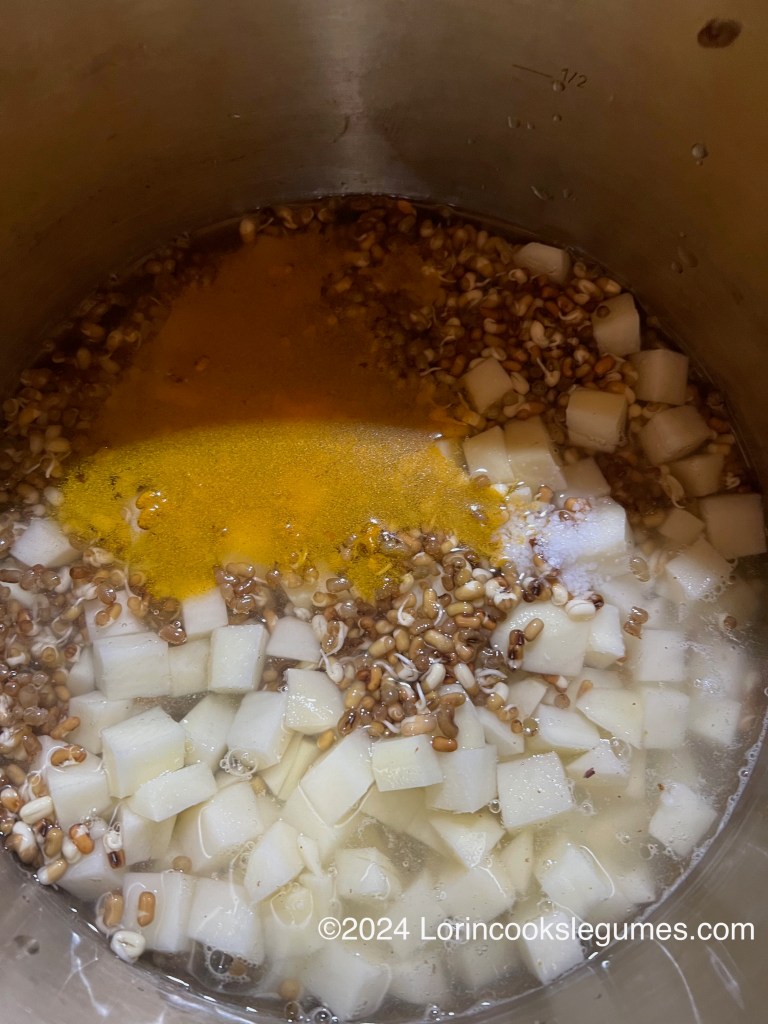
Rinse your bean sprouts well to remove any loose skins. Add to a pot, along with the diced potato, 2 ⅓ cups water, ⅓ teaspoon turmeric, and ½ teaspoon salt. Bring to a boil, lower heat, and simmer, covered, for 5-10 minutes, until sprouts and potatoes are about half cooked.
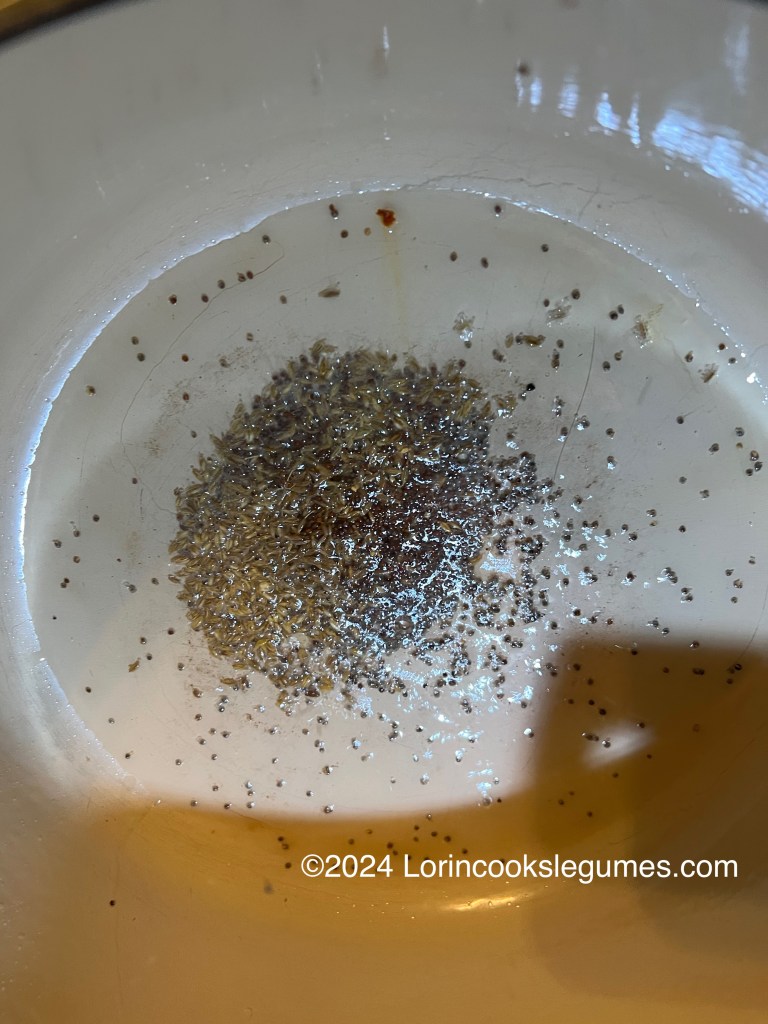
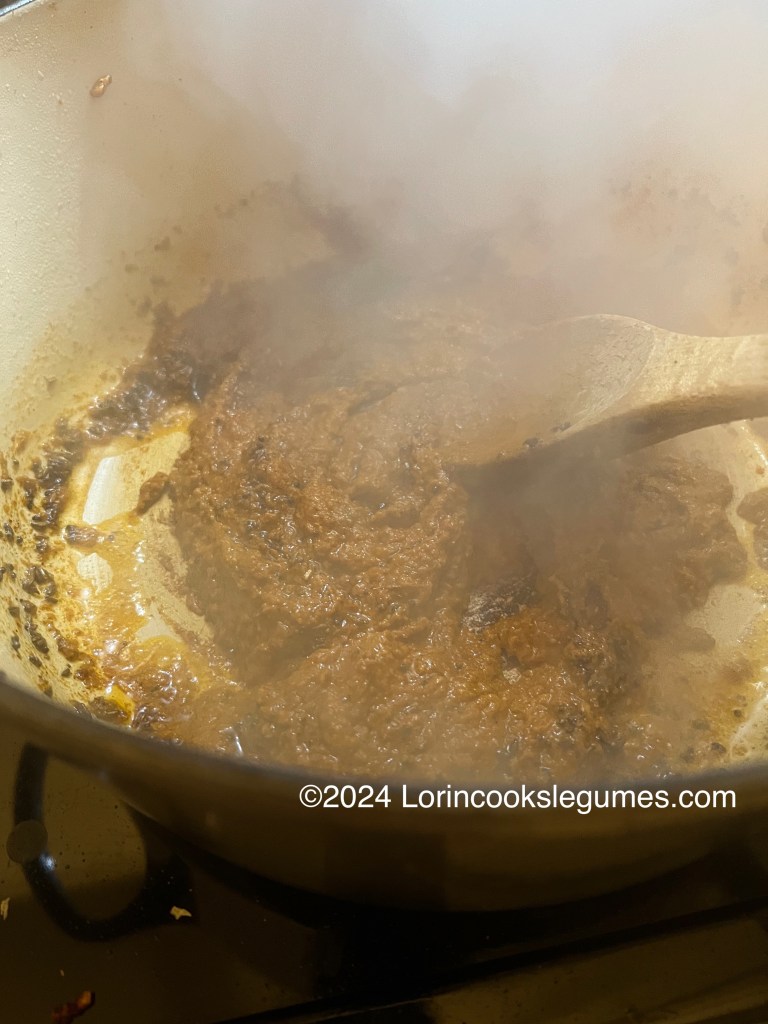
Heat 3 Tablespoons oil in a large pan over medium-high heat. Add mustard seed and 1 teaspoon cumin seed. Cook until they sputter, 30 seconds or so. Add curry leaves and asafoetida and cook until the leaves crisp, about 1 minute. Add ginger-garlic paste and cook for a minute or so, until the raw smell dissipates. Add the ground masala mixture and mix well. Cook, stirring, until oil separates from the mixture.
Add the cooked sprouts and potatoes, along with any water left in the pressure cooker, and mix well. Add 1 teaspoon salt, jaggery, and an additional 2 ⅓ cups water. Bring to a boil and cook for about 5 minutes, until the sprouts are soft.
Taste for seasoning and add salt and/or additional masala powder to taste.
If any spicy oil (known as tari) has risen to the surface, you can skim it off and keep it aside in a small bowl or jug for people to add to their serving to taste. If no tari formed, and/ or you want more, heat 2 Tablespoons of oil in a very small pan. Remove from heat and stir in 1/2 Tablespoon of red chili powder.
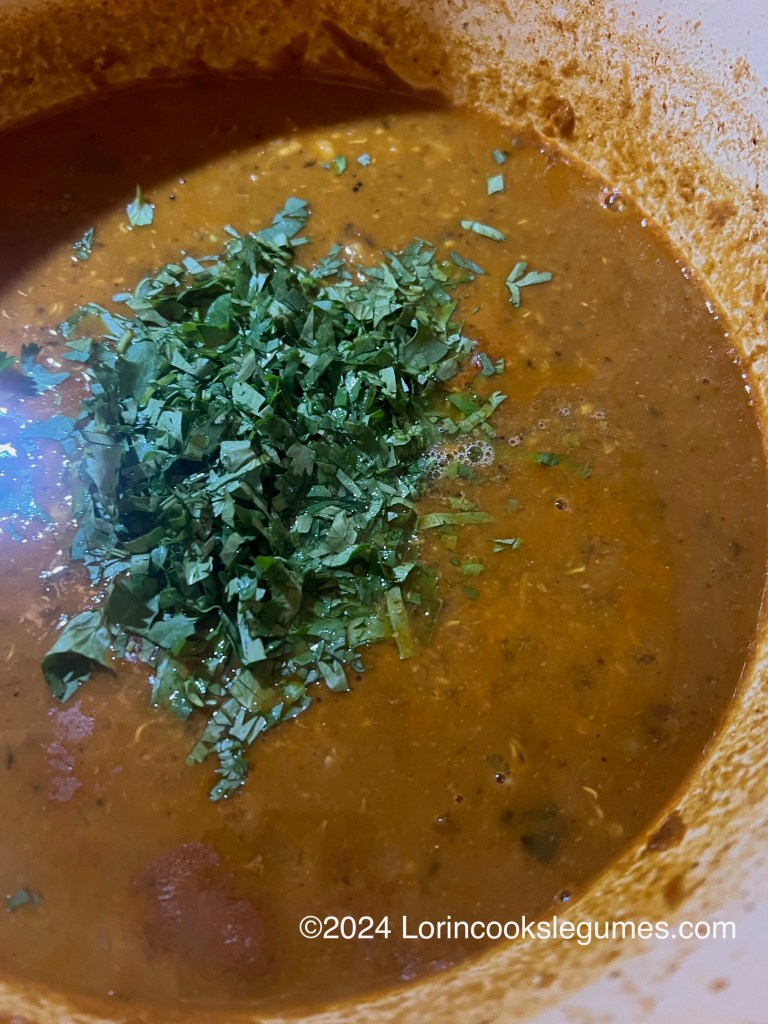
Stir in ½ cup cilantro and lemon juice into the misal just before serving.
To Serve:
Use a slotted spoon to transfer some of the sprouts and potatoes to a bowl. Ladle the rasa, or broth over to taste. Top each serving with 1 Tablespoon of diced onion, a pinch of cilantro, and 2 Tablespoons of tomato. Drizzle a little of the tari over the top. Top with about 2 Tablespoons farsan or sev just before serving, to avoid it getting soggy. Serve pav, lemon wedges, yogurt, tari, and additional onion and farsan on the side.
*As an Amazon Associate I earn from qualifying Amazon purchases.
I receive no compensation for mentioning any other websites or product.
 Lorin cooks Legumes
One Comment Add yours