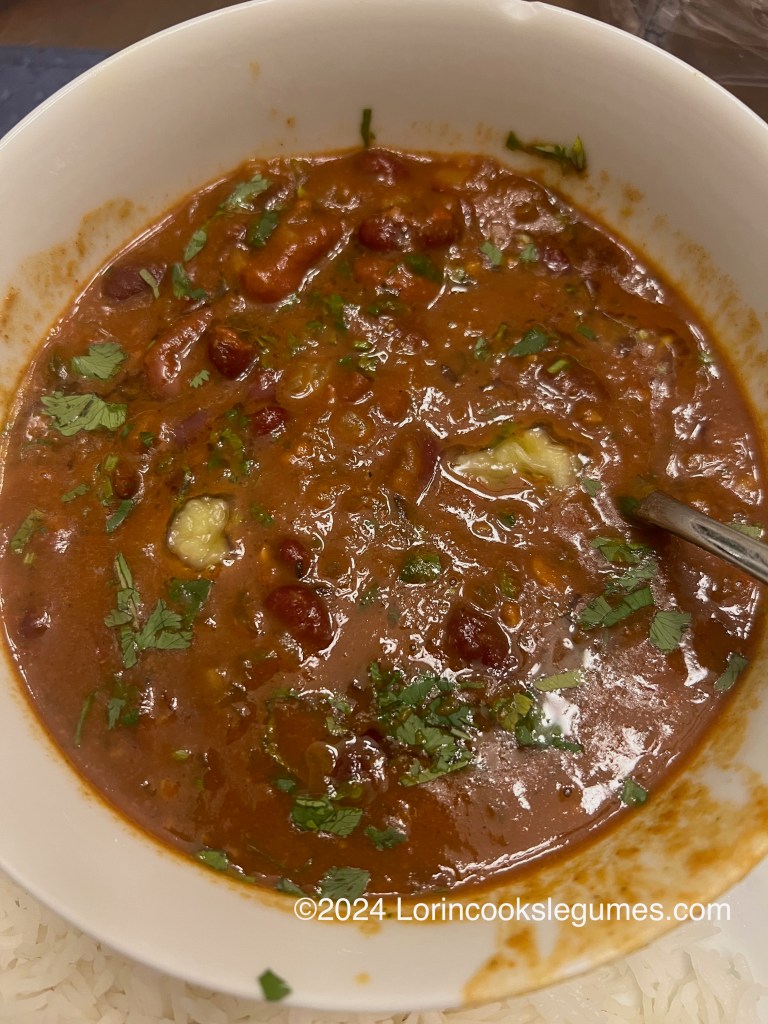
Rajma dal: split kidney beans.
https://en.wikipedia.org/wiki/Dal
Boy, life’s been a little hectic lately. I cooked this recipe almost three weeks ago, but haven’t had time or energy to write about it until now! We’ll see if I can even remember what I was going to say about it.
Rajma is Hindi for kidney beans. Wikipedia says rajma dal is split kidney beans, and usually dal does refer to split pulses, but in this case, I haven’t come across a single recipe calling for split kidney beans, nor does such a product appear on Amazon when I search rajma dal (at least in the first page of results).
The recipe I came up with is pretty similar to dal makhani, but without the urad dal. Since rajma is usually an ingredient in dal makhani, that’s not too surprising. In fact, a couple of dal makhani recipes came up in my research (I skipped them so as not to make this recipe TOO similar).
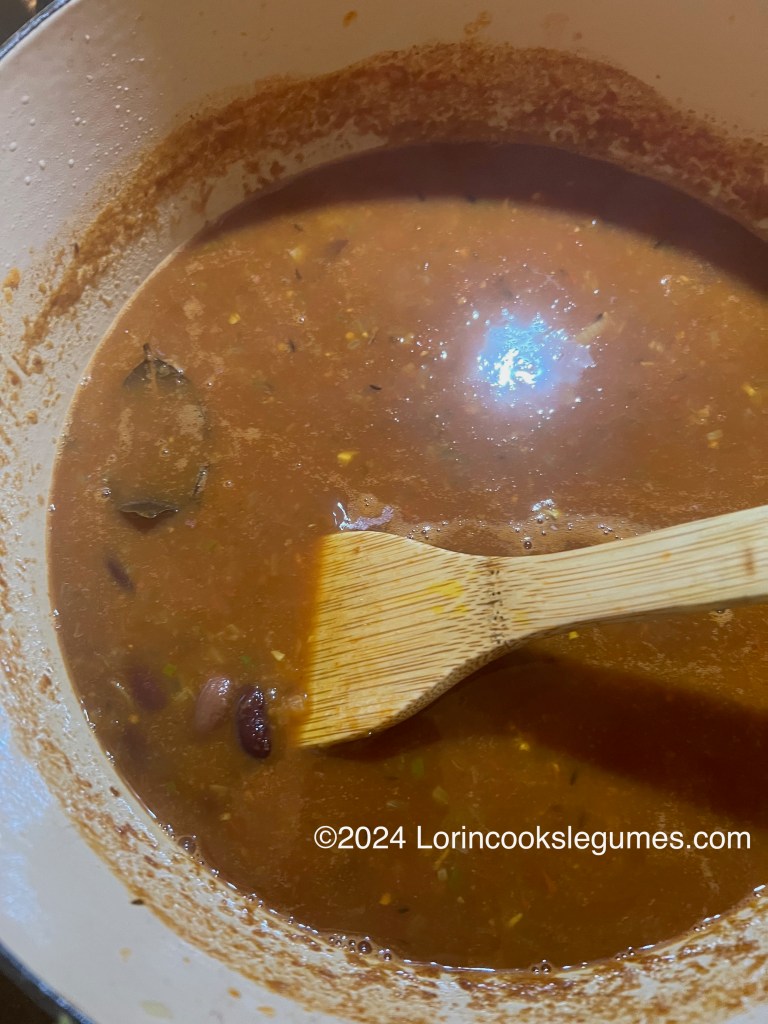
In America, we tend to think of Kidney beans as either red or pink. Still, there are other colors as well (cannellini beans are technically white kidney beans), and many of the blogs I read had strong opinions about which variety makes the best rajma masala. I had the tail end of a bag of dark red beans in the pantry and was only able to find lighter beans at the grocery store this time, so you’ll see the two different colors in my photos.
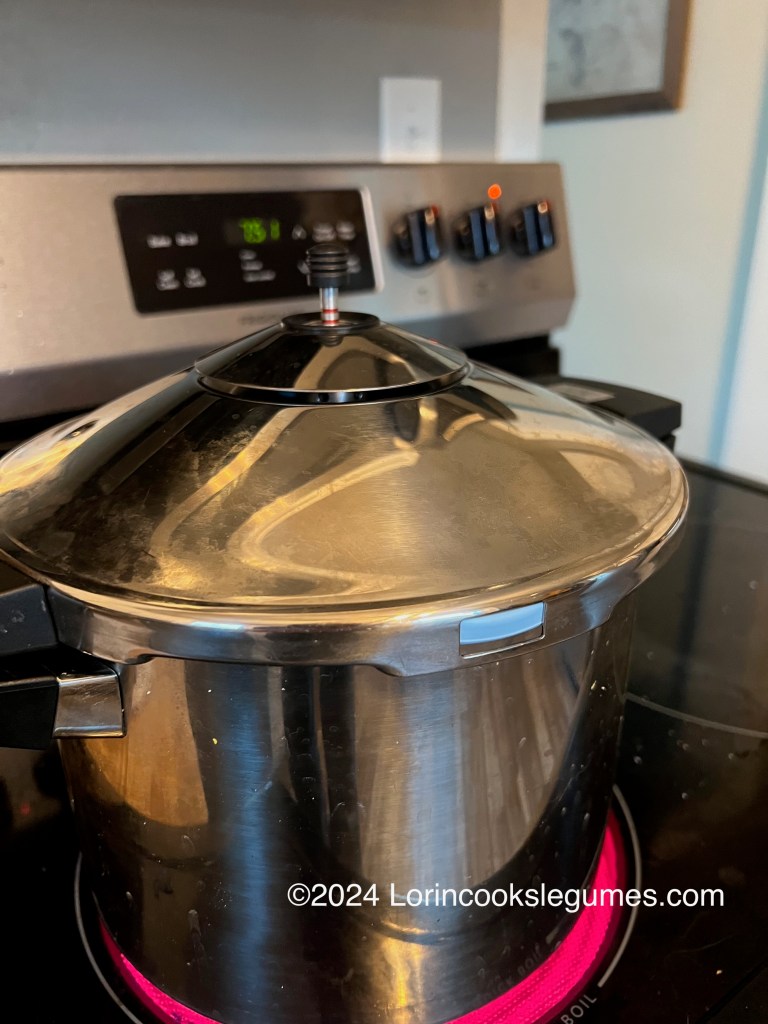
Pressure cooking the beans ensures that they get hot enough to neutralize the lectins that are present in all beans, but especially kidney beans. These lectins can be toxic in high concentrations, so if you don’t own a pressure cooker, be sure your beans come to a full, rolling boil for 10 minutes or so before you turn the heat down, and cook until very soft.
Most of the ingredients in this recipe are fairly common and easily available in American grocery stores. The exceptions would be asafoetida* , which is a powder made from the resin of ferula, a plant in the celery family, and kasuri methi * which is the dried leaves of the fenugreek plant. Both are available on Amazon.
I’ve mostly used serrano chilies in the various Indian recipes I’ve shared here. I don’t know that they’re particularly authentic, but they’re the closest thing readily available at the most convenient grocery store I stop at on my way home from work. A couple of the other stores in town carry Thai chilies, which I think are closer to what is generally used in India, so if I visit one of those stores I’ll use them. I used two serrano chilies for this recipe, which I thought was a little bit spicier than it needed to be, so adjust according to your taste and the type of chilies you have available.










Rajma Masala
Serves: 4-6
Prep: 15 minutes
Cook: 1:15
Total: 1:30, plus soaking time
(As an Amazon Associate I earn from qualifying purchases.)
1 ⅓ cup dry red kidney beans
OR
2 ⅔ cups canned kidney beans
3 cups water
2 ⅔ Tablespoons oil
¾ teaspoon cumin seeds
1 small bay leaf
1 large onion, finely diced
1-2 small green chilies, finely chopped
1 inch of ginger root, grated
AND
4 cloves of garlic, minced
OR
2 ¼ teaspoons ginger garlic paste
1 pinch asafoetida
2 medium tomatoes, pureed
1 ¾ teaspoons ground coriander
⅜ teaspoon turmeric powder
½ teaspoon salt
1 ½ teaspoons ground cumin
1 ⅛ teaspoon Kashmiri red chili powder
1 ⅔ cups hot water, or as needed
1 teaspoon garam masala
¼ cup heavy cream
¾ Tablespoon kasuri methi
4 teaspoons ghee
2 Tablespoons cilantro, finely chopped
Cooked Rice
Optional:
Kachumber salad, to serve
Julienned ginger root, fried in ghee, to garnish
2 whole, pitted dates
Juice of 1 lime (add just before serving)
1 teaspoon of salt, in bean cooking water
2 Tablespoons butter, in place of oil
1 Tablespoon tomato paste
1 ½ cups canned chopped tomato, in place of fresh
Yogurt, to serve
Red onion, to garnish
Pick over your kidney beans, discarding any bad beans or foreign objects. Rinse well, drain, then cover with 2-3 inches of cool water. Leave to soak overnight, or for at least 8 hours. (If using canned beans, start by making the masala mixture, and add them when you would add the cooked beans.)
Drain beans and place in a pressure cooker with 3 cups of water. Seal the cooker and bring it up to pressure. Reduce heat, and cook at full pressure for 15-20 minutes. Allow pressure to release naturally. When you can safely open the pressure cooker, check the beans. They should be fully soft and mash easily between your fingers. If they are still slightly al dente, add a little extra water and return to pressure for a few more minutes.
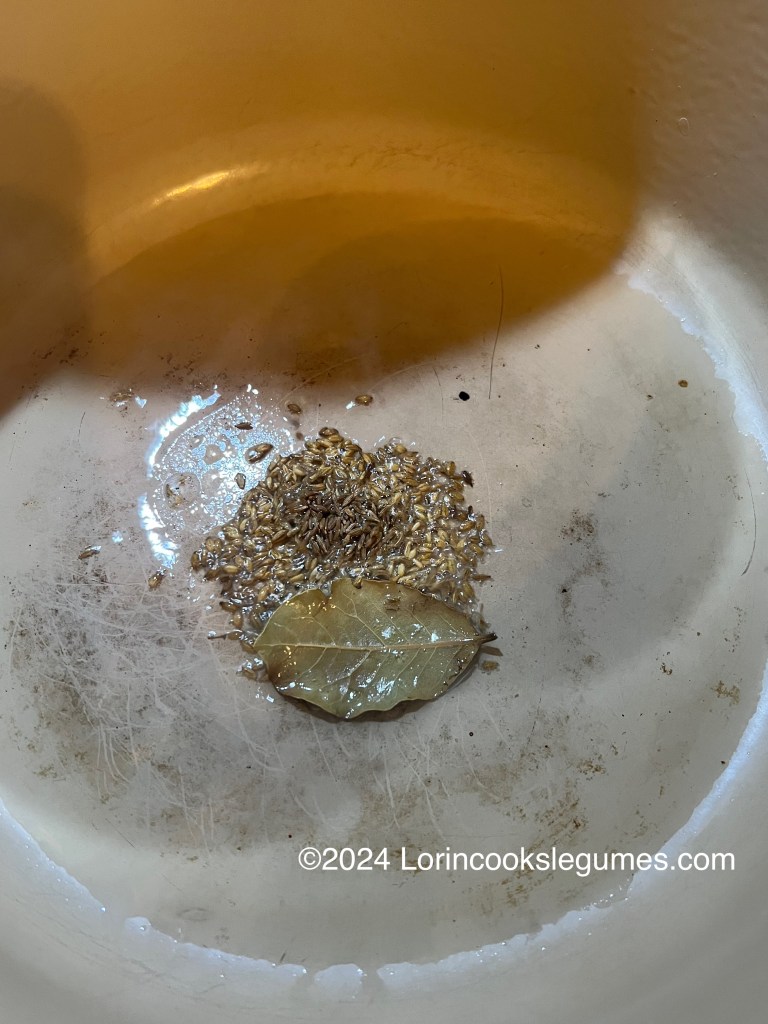
Heat oil in a heavy-bottomed pot. When oil shimmers, add cumin seeds and bay leaf. Fry until cumin sputters, 15-30 seconds. Add the onion and sauté until golden, 8 minutes or so.
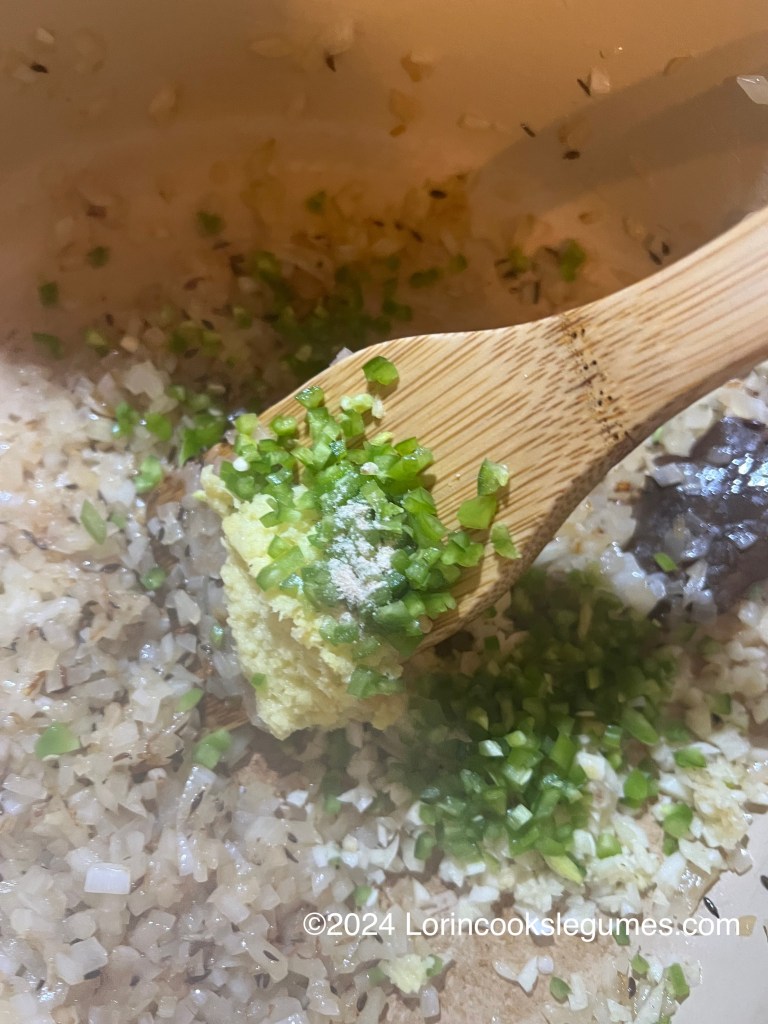
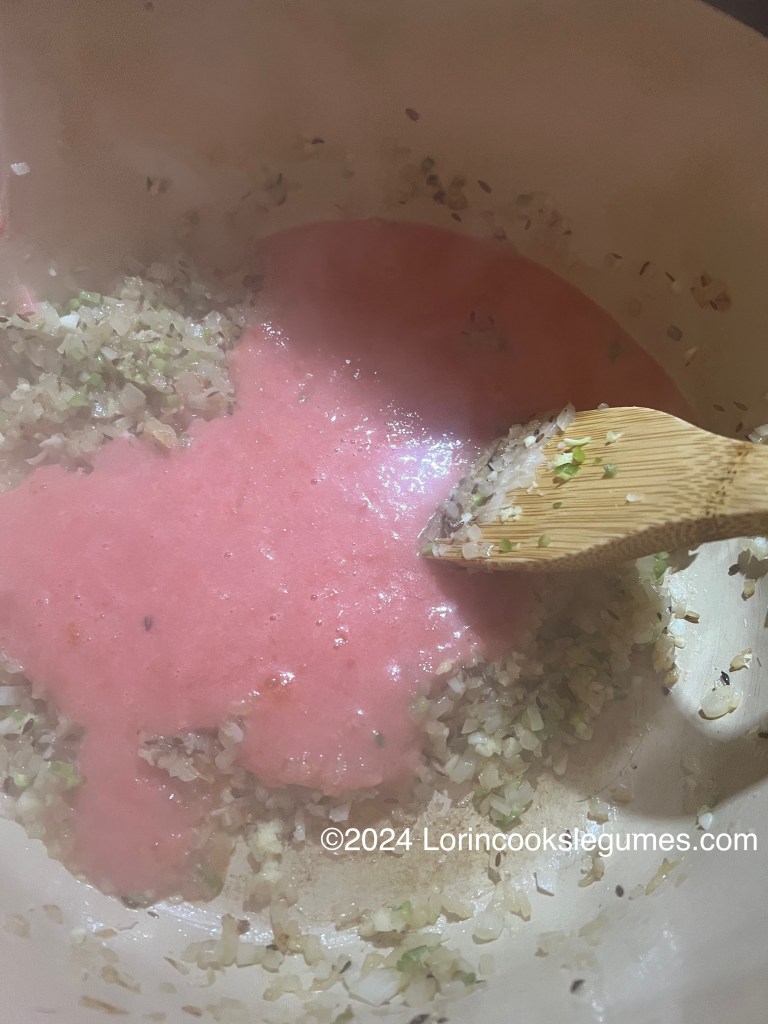
Add the green chilies, ginger, garlic, and asafoetida. Fry for a minute or so, until the raw smell dissipates. Add the tomato puree and simmer for about five minutes.
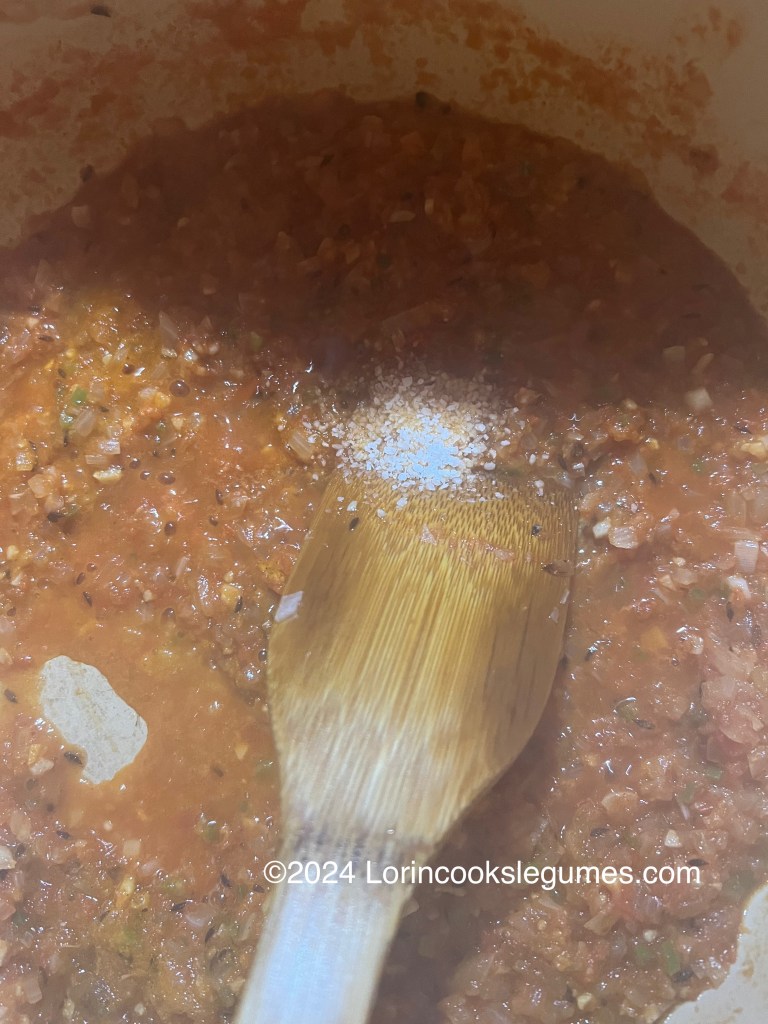
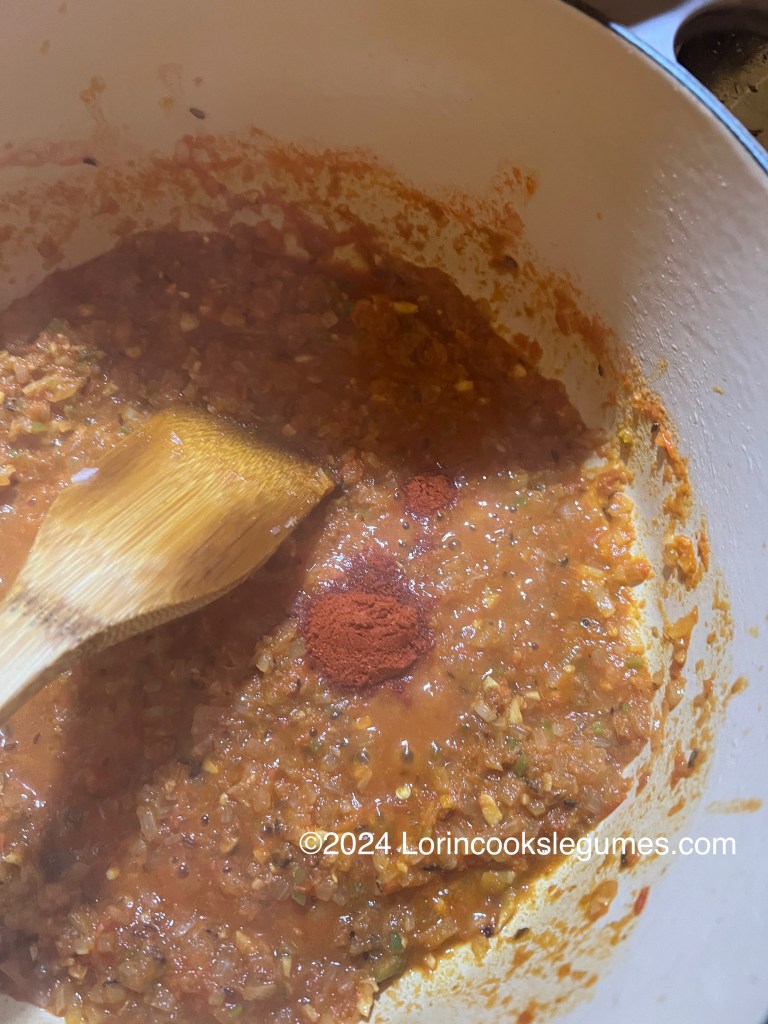
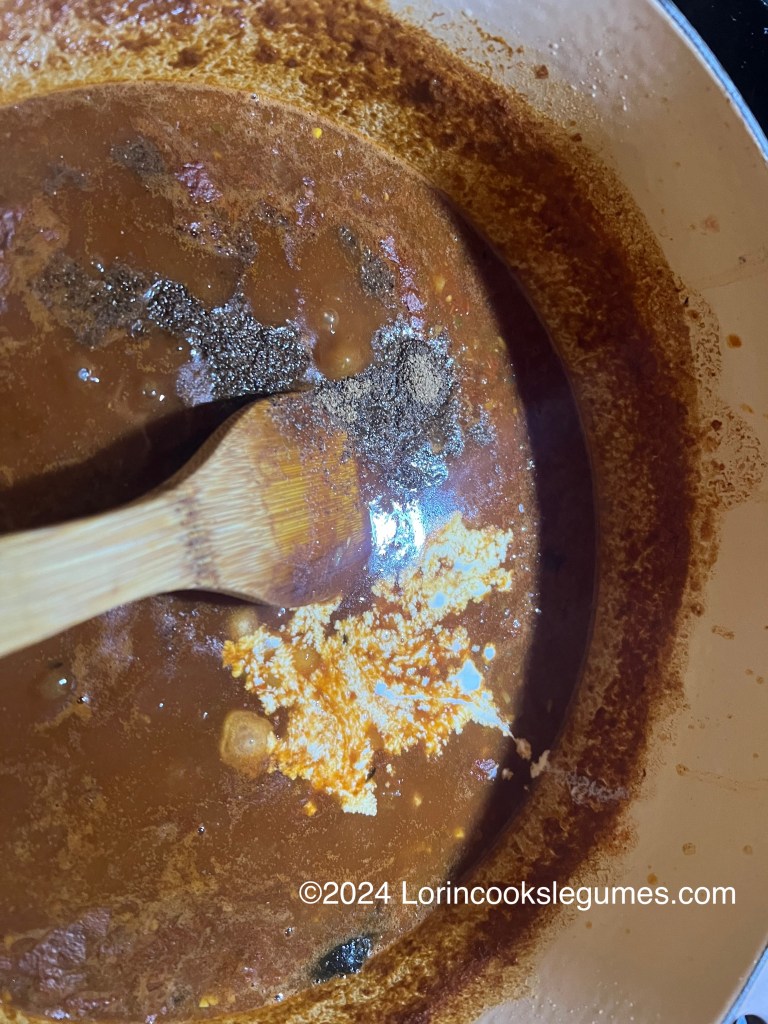
Add the coriander, turmeric, salt, cumin, and red chili powder one at a time, mixing well after each addition. Continue to cook for about 5-10 minutes, until the masala thickens and the oil begins to separate from the mixture.
Add the cooked beans, along with their cooking liquid, and mix well. Add 1 ⅔ cups additional hot water Bring to a boil, reduce heat, and simmer for 20-30 minutes, until flavors are melded. As the dal cooks, add additional water if needed to reach the desired consistency (rajma masala will thicken as it cools, so make it a little wetter than your final goal).
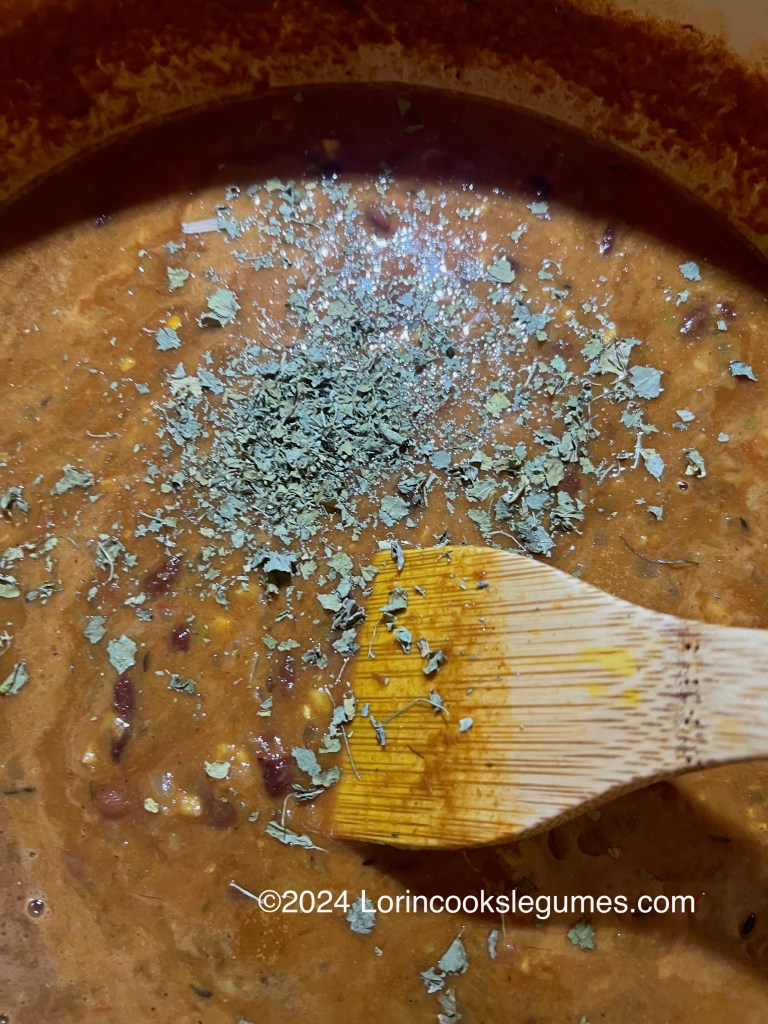
Add garam masala and heavy cream. Mix well, then crush kasuri methi between your palms and add it. Cook for another 5 minutes or so. Taste and adjust seasoning as needed.
Just before serving, drizzle with ghee and garnish with fresh cilantro. Serve with rice.
*As an Amazon Associate I earn from qualifying Amazon purchases.
I receive no compensation for mentioning any other websites or product.
 Lorin cooks Legumes