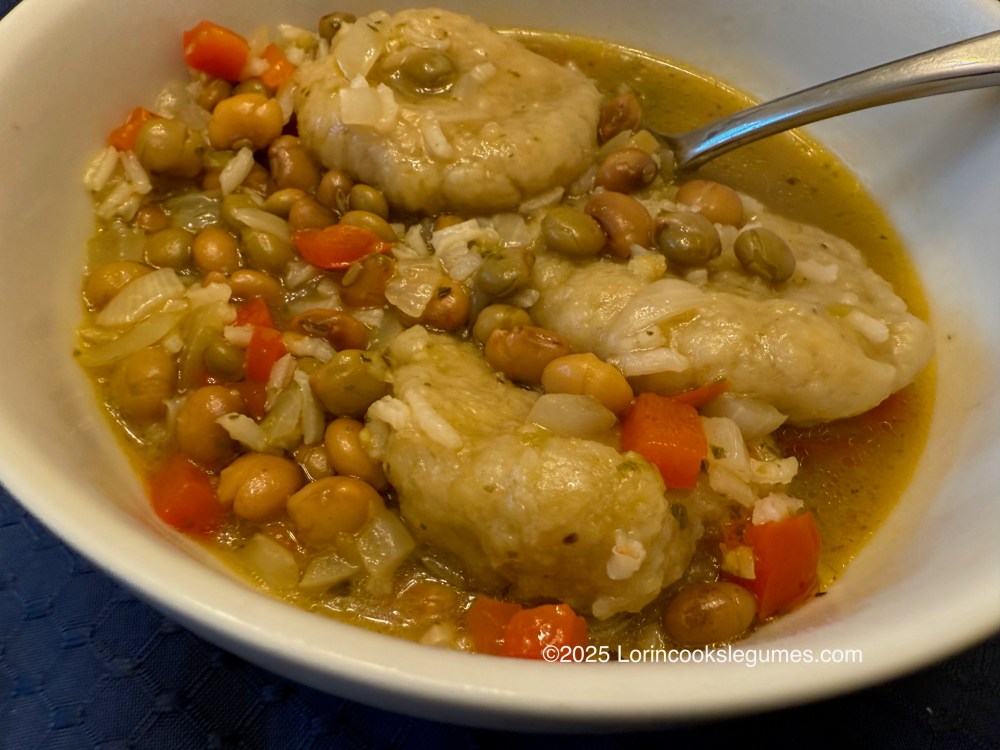
The plantains-dumplings that are popular with asopao de pollo and asopao de gandules are made from root vegetables, breadfruit, green banana, plantains, milk, eggs and rice flour or cornmeal. The dumplings are made into golf size balls and often seasoned with spices and herbs. They can be prepared a day in advance and fried.
https://en.wikipedia.org/wiki/Asopao
This post is purely to fully document my culinary journey through Wikipedia. If you’re looking for a tasty Asopao de Gandules recipe to cook, go see my previous post.
So why am I making another version of Asopao de Gandules right away? Or sharing a recipe I’m telling you not to make? After talking about the various types of asopao, Wikipedia has a paragraph about the plantain dumplings often served with the dish, which makes it sound like there are more complex versions of them than the basic version I included in my last post. So I decided to search for plantain dumpling recipes and see what I came up with.
First of all, despite its opening words, the Wikipedia paragraph is clearly talking about the many different things dumplings can be made of, not one dish that contains all of those ingredients. Other than milk, eggs, and maybe rice flour and cornmeal, I would guess that most of those are ingredients that would be the base of a dumpling recipe, not usually mixed in with plantains (or any of the other listed items).
My main mistake was in trying to use every recipe I looked at to create my recipe, even though there were clearly several different types of dumplings represented- some were added to soups, some were boiled on their own, while others were fried. Also, some were based on green plantains, while others used ripe ones. Didn’t matter, I threw them all into my spreadsheet.
Maybe this is a good time to revisit how I create the recipes on this blog. I start with a Google search for the recipe I’m trying to create. In this case, I believe I searched for “Puerto Rican plantain dumplings recipe”. I then enter the ingredients and quantities (as well as oven temperatures and bake times for baked goods) into a spreadsheet, adjusting to reflect the same number of servings as much as possible. I generally take all the recipes from the first page of search results, aiming for a minimum of 10 recipes. Once I have all the recipes entered, I calculate the mean average quantity of each ingredient. My final result looks something like this.
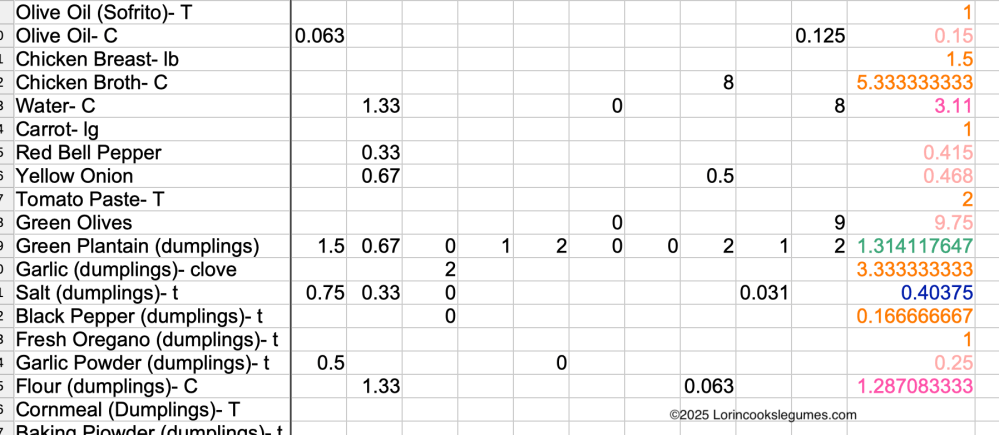
I then look at the number of times each ingredient appears. If it’s in less than 10% of the recipes I looked at (generally meaning it only shows up once, unless I’ve gone crazy and looked at 20 recipes or more), I throw it out. The 10-20% ingredients (show up 2-3 times in this case) get relegated to the “Optional” section in my ingredients, and everything else goes into the main recipe. (You may have wondered why I sometimes list alternate ingredients within the main recipe, and other times put them into the optional section; this system is why.)
In retrospect, dumplings are probably not something for which this method of recipe creation is ideal, even if I were to narrow my sources down to a more uniform style. I’ve now made a few different Caribbean dishes with dumplings for this blog, and the only one that’s really come out the way I imagined they were intended was the ones in my last post. This recipe, and the ones in my stew peas with spinners (how has it been 5 years since I shared that recipe?), came out kind of tough and doughy. I have a vague recollection that maybe one of the blogs I got inspiration for the stew peas recipe from said that Jamaicans are weird and like chewy dumplings, but I think it’s more likely that dumplings dough is something you have to make by feel more than measurment, and I need to go actually follow a couple of the recipes I’m using to get a feel for it before I go trying to mathematically create a dumpling recipe.
Obviously, most of the recipes I looked at weren’t just dumpling recipes; they were adding them to some kind of soup or stew. I included those ingredients in my spreadsheet as well. I was actually expecting to come up with maybe a chicken soup with dumplings, and was somewhat surprised to find that pigeon peas and rice were the top primary ingredients for the soup portion. I was also quite shocked that seasonings like sazon and adobo didn’t make it out of the optional section. Sofrito alone doesn’t give us the flavor you expect from a Puerto Rican stew.
I used the sofrito I had in the freezer, but my recipe creation process also resulted in a sofrito recipe buried in the optional ingredients, which I have shared after the main recipe.
So yeah, if you like fairly bland bean and rice soup or chewy dumplings, feel free to give this recipe a try. (Maybe jazz it up with some of the optional ingredients.) I, on the other hand, am ready to explore some other dishes, so I’m just going to put my recipe here to document my experiment and move on.







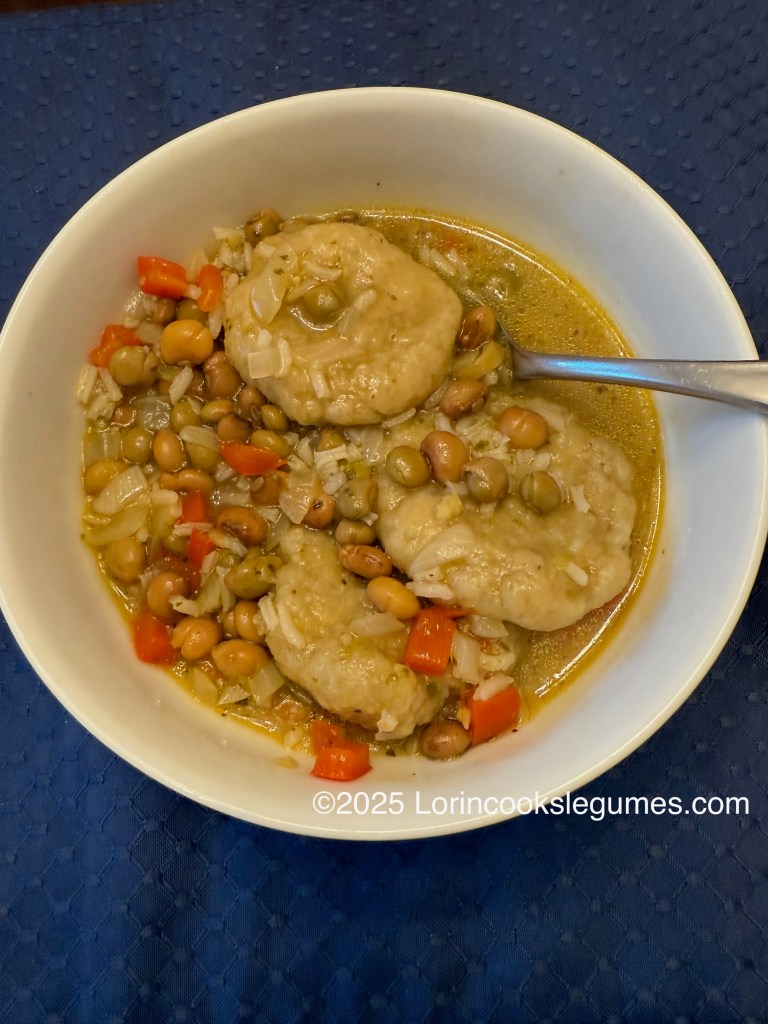
Asopao de Gandules, version 2
Serves: 4
Prep: ~20 minutes
Cook: ~30 mintes
Total: ~50 minutes
(As an Amazon Associate I earn from qualifying purchases.)
1 large green plantain
1 ¼ cup flour
½ teaspoon salt
¼ teaspoon garlic powder
⅜ teaspoon adobo
~¼ cup water, or as needed, to bring the dumpling masa together
2 Tablespoons olive oil
¼ cup sofrito
½ red bell pepper, diced
½ yellow onion, diced
1 15.5 oz can gandules verdes
1 bay leaf
¼ teaspoon salt
3 cups water
¼ cup rice
10 green olives, sliced
Optional soup ingredients:
1 ½ lbs. chicken breast, diced
5 ½ cups chicken broth
1 large carrot, diced
2 Tablespoons tomato paste
3 ½ cups vegetable stock
Avocado, on the side
⅓ cup coconut milk
2-3 cloves of garlic, minced
1 vegetable bouillon cube
⅓ teaspoon dried thyme
⅓ teaspoon dried basil
⅓ teaspoon turmeric
¼ lb. ham
2 chicken bouillon cubes
2 Tablespoons cilantro, minced, to garnish
4 oz. pumpkin or squash, diced
Black pepper, to taste
Optional dumpling ingredients
3 cloves garlic minced, in place of garlic powder
⅛ teaspoon black pepper
½ teaspoon salt, in boiling water (to cook dumplings separately from soup)
1 Tablespoon butter
½ teaspoon ground cumin
½ teaspoon ground annato
Peel your plantain by cutting off the ends and scoring the peel lengthwise in 3-4 places. Use your fingers to remove the peel in sections. Grate the plantain on a fine grater or microplane, or use a blender or food processor to purée it.
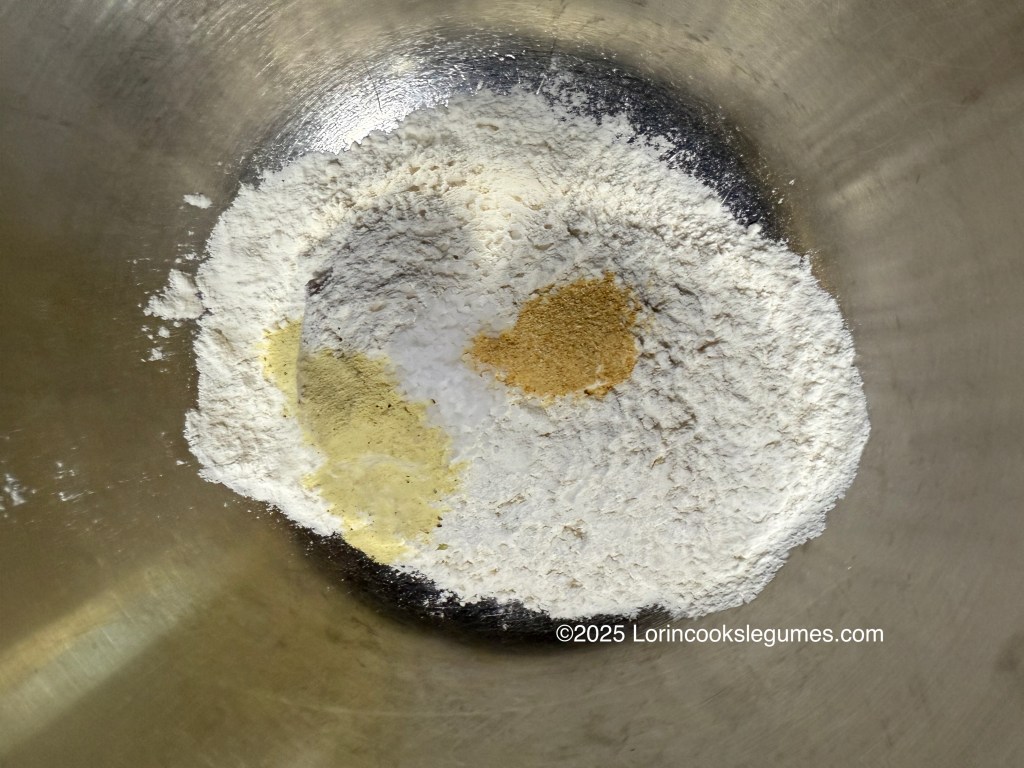
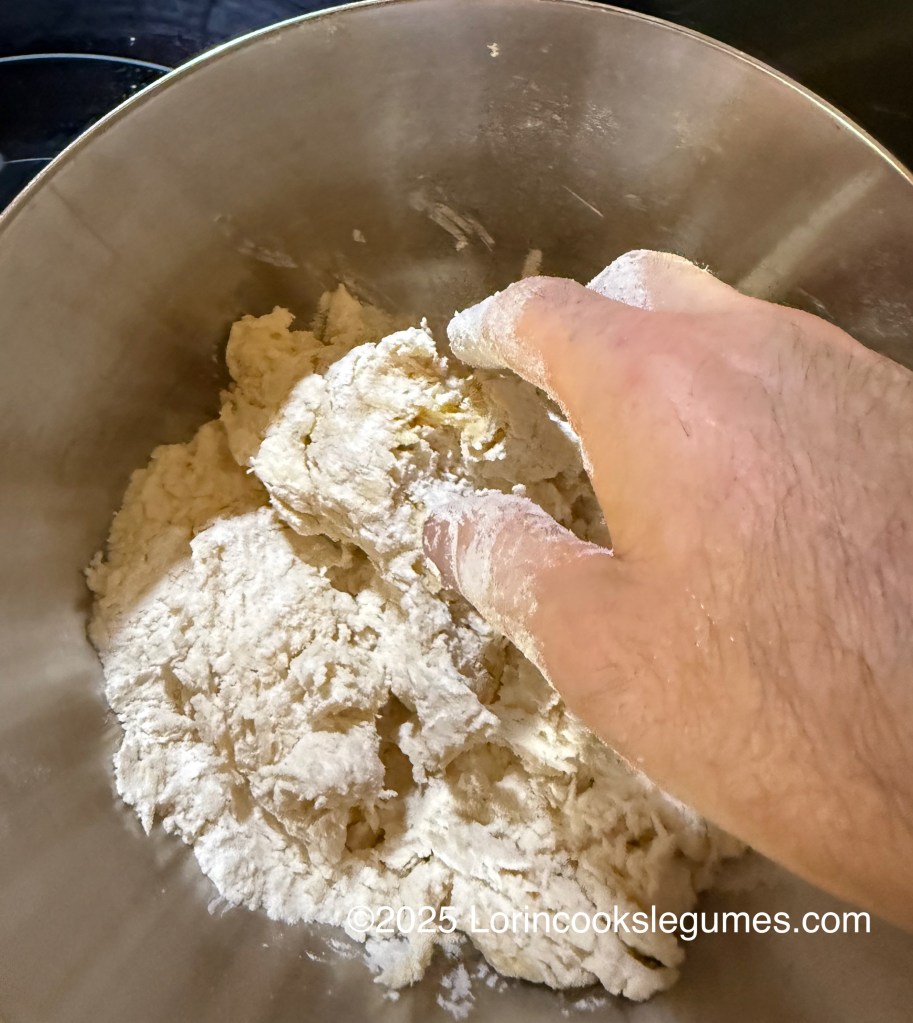
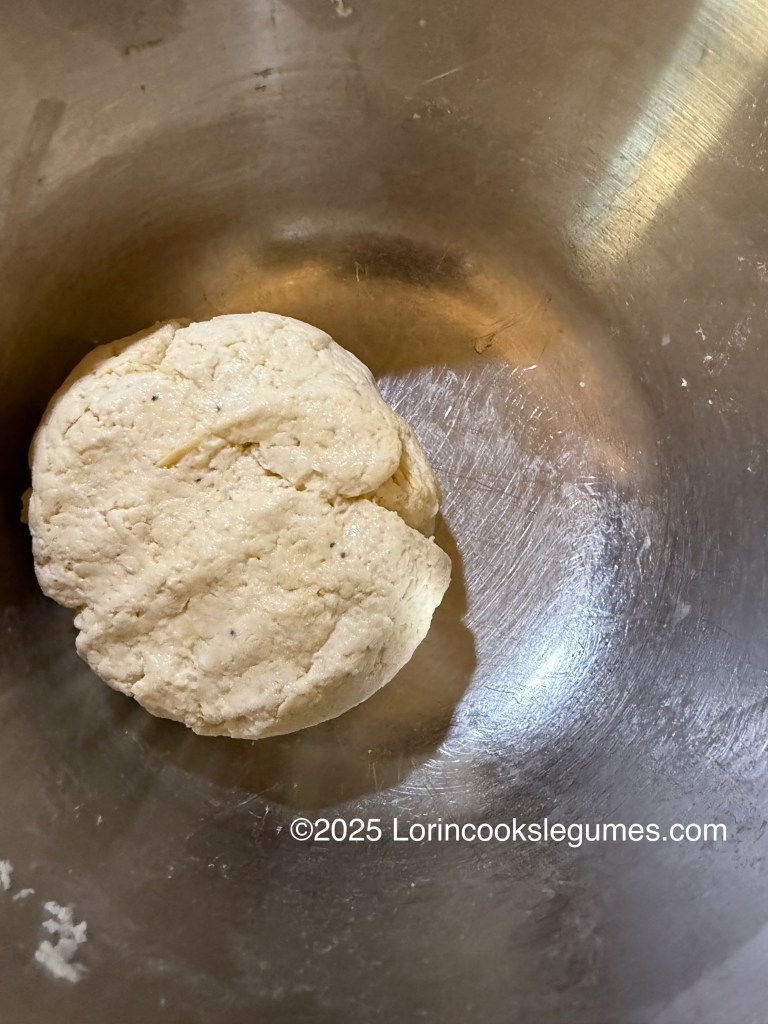
Season the flour with ½ teaspoon salt, garlic powder, and adobo, and mix well. Mix in the plantain purée and use your hands to knead it into a smooth dough. If needed, add a little water to help bring the dough together, or a little more flour if it’s too loose. Refrigerate while you prepare the soup.
Heat 2 Tablespoons olive oil in a large, heavy-bottomed pot, and sauté the sofrito, diced bell pepper, and diced onion for about 5 minutes, until the mixture begins to dry and the onion is translucent.
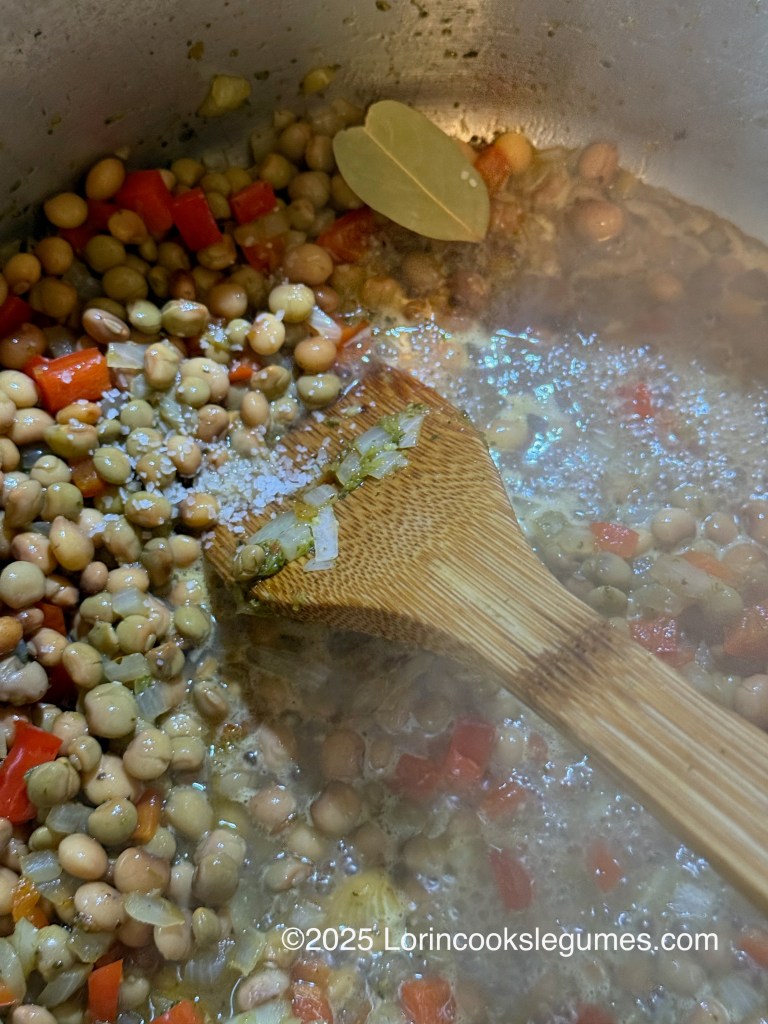
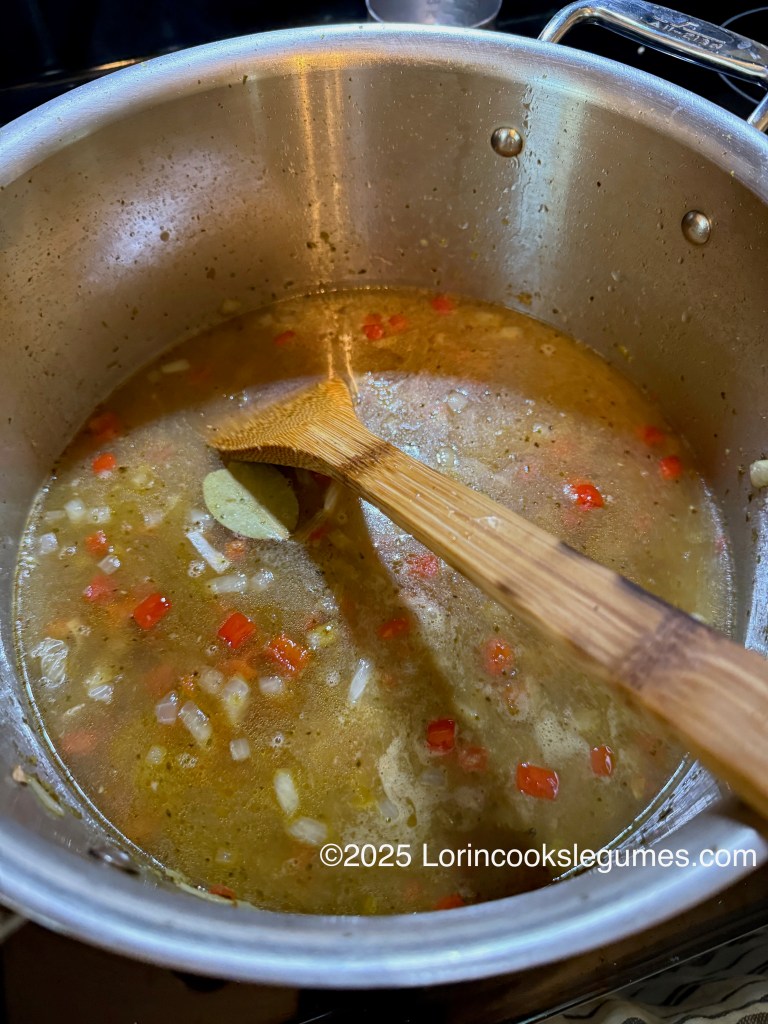
Add the can of gandules, with their liquid, bay leaf, ¼ teaspoon salt, and 3 cups of water. Mix well and bring to a boil.
Add the rice and olives, and bring back to a boil. Reduce the heat to a strong simmer.
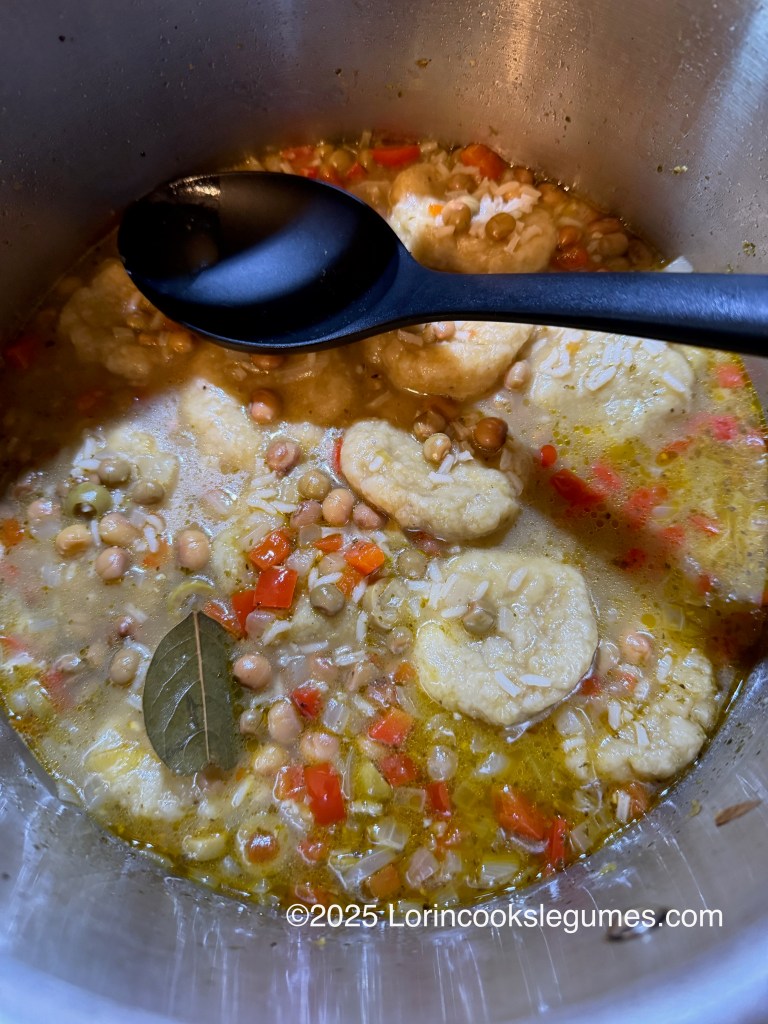
Take your plantain masa and divide into even, golfball-sized balls. Roll them in your hands and then flatten to about ½ inch, using your thumbs to make them slightly concave in the center so they cook evenly. Gently drop the dumplings into the simmering soup, being careful not to drop them on top of each other, and cook, covered, for 15-20 minutes, until the rice is cooked.
Taste for seasoning and serve!
Sofrito
½ red bell pepper, seeded
¼ yellow onion
4 culantro leaves
1 teaspoon fresh oregano
3-4 cloves garlic
½ teaspoon salt
¼ teaspoon black pepper
1 Tablespoon olive oil
Place all ingredients in a food processor and grind to a coarse purée.
 Lorin cooks Legumes