
In Indian cuisine, dal (also spelled daal or dhal in English; pronunciation: [d̪aːl], Hindi: दाल, Urdu: دال), paruppu (Tamil: பருப்பு) or pappu (Telugu: పప్పు), are dried, split pulses (e.g., lentils, peas, and beans) that do not require soaking before cooking. India is the largest producer of pulses in the world. The term is also used for various soups prepared from these pulses. These pulses are among the most important staple foods in South Asian countries, and form an important part of the cuisines of the Indian subcontinent.
https://en.wikipedia.org/wiki/Da
Yes, this is another basic dal recipe.
There are 1.4 billion people in India, speaking a multitude of different languages. While Hindi is the official language used for government, with English used alongside, there are 22 other languages recognized as “scheduled” languages, receiving official government recognition and encouragement, and a handful more that are recognized as “classical” languages. However beyond those, the 2001 census counted 122 major languages with over 10,000 speakers, and 1599 (!) “other” languages. More linguistic focused sources give more conservative numbers, ranging from 456 to 780.
Needless to say, many of those languages have different words for dal, and where there is a different name there is probably a slightly different recipe. Paruppu is the Tamil word, and Tamil is spoken in parts of South India. One of the defining ingredients in South Indian cuisine is coconut, so it’s no surprise that that is the major difference between this recipe and the ones I’ve shared earlier.
On the Wikipedia page I’m working from right now, in a paragraph about regional uses, it says “[dal] is also used to make paruppu that is mixed with charu and rice”, which is kind of a confusing sentence, especially because the linked words don’t go to pages that immediately help figure out what they mean.
Paruppu is simple enough- it’s dal, but the paruppu link goes to the pappu (another word for dal) section of a page about Andhra cuisine that doesn’t really seem to help untangle the mystery. Charu, meanwhile, according to the preview when you hover on it is Sanskrit for “sweet”. If you actually click through and read down to the bottom of the page you eventually find that in Telugu, charu is another word for rasam, which is a type of south indian soup.
One of the posts I looked at when I went looking for paruppu and charu recipes did actually refer to her husband mixing her rasam with dal, so I guess I did find confirmation that this is something that is done occasionally. Both dal and rasam are dishes that seem to be served on a daily basis, so perhaps “mixed” should really read as “served with”- which is what I did. I suspect that for everyday use it may be common to serve paruppu relatively plain, cooked with just some salt and turmeric, in which case I can see mixing it with something more flavorful like charu would be appealing.
Of the three dal recipes I’ve shared recently, I think this is my favorite. I’m not sure if it’s the coconut, the ghee mixed in at the end, or if it’s just the balance of spices, but this one seemed extra delicious.
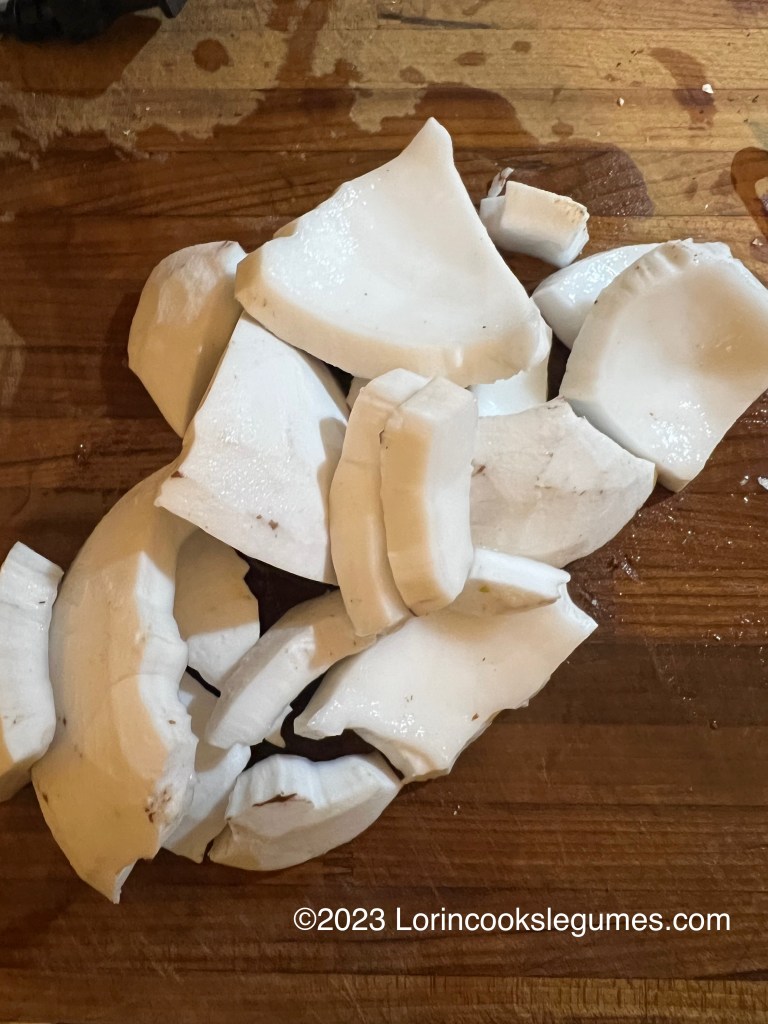
I wrote in my last post about how silly I felt cutting open a whole pumpkin to add ½ cup to my Sambar. This time it was fresh coconut that I expended energy on to only use a small quantity. I’ve got the rest of it in the dehydrator as I write, so hopefully it won’t go to waste, but I think that using dried coconut would probably be fine.









Paruppu
Serves: 4
Prep: 45 minutes.
Cook: 30 minutes
Total: 1:15
(As an Amazon Associate I earn from qualifying purchases.)
¾ cup toor dal
2 cups water
⅓ teaspoon turmeric
⅛ teaspoon asafoetida
1 large tomato, diced
5 cloves garlic,
¼ cup fresh coconut, grated
½ teaspoon cumin seed
1 Tablespoon oil
OR
1 Tablespoon ghee
½ teaspoon mustard seed
1 teaspoon urad dal
½ teaspoon cumin seed
1 sprig curry leaves (10-12 leaves)
¼ teaspoon asafoetida
2 dried red chilies
2 green chilies, chopped fine
1 large onion, diced fine
OR
8 pearl onions, sliced
4-5 cloves garlic, minced
¼ teaspoon salt, or to taste
3 Tablespoons cilantro
1 Tablespoon ghee
Optional:
¼ cup moong dal, in place of equal ammount of toor dal
2 dry red chilies, cooked with the dal
1-2 green chilies, cooked with the dal
1 ⅔ teaspoons sambar powder
3-4 curry leaves, cooked with the dal
½ inch ginger, grated
10 shallots, in place of onions
1 teaspoon oil, cooked with the dal
4 teaspoons gingelly oil, for tempering
½ teaspoon chana dal, in tempering
⅓ teaspoon fenugreek, in tempering
2 teaspoons of your favorite Indian spice mix.
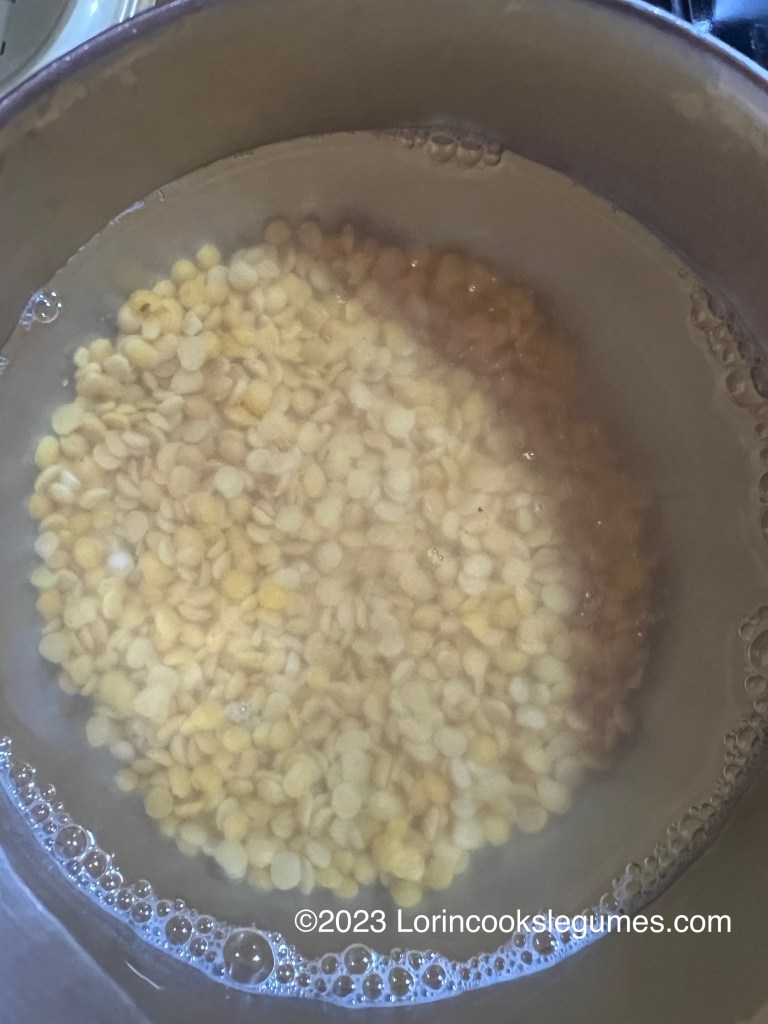
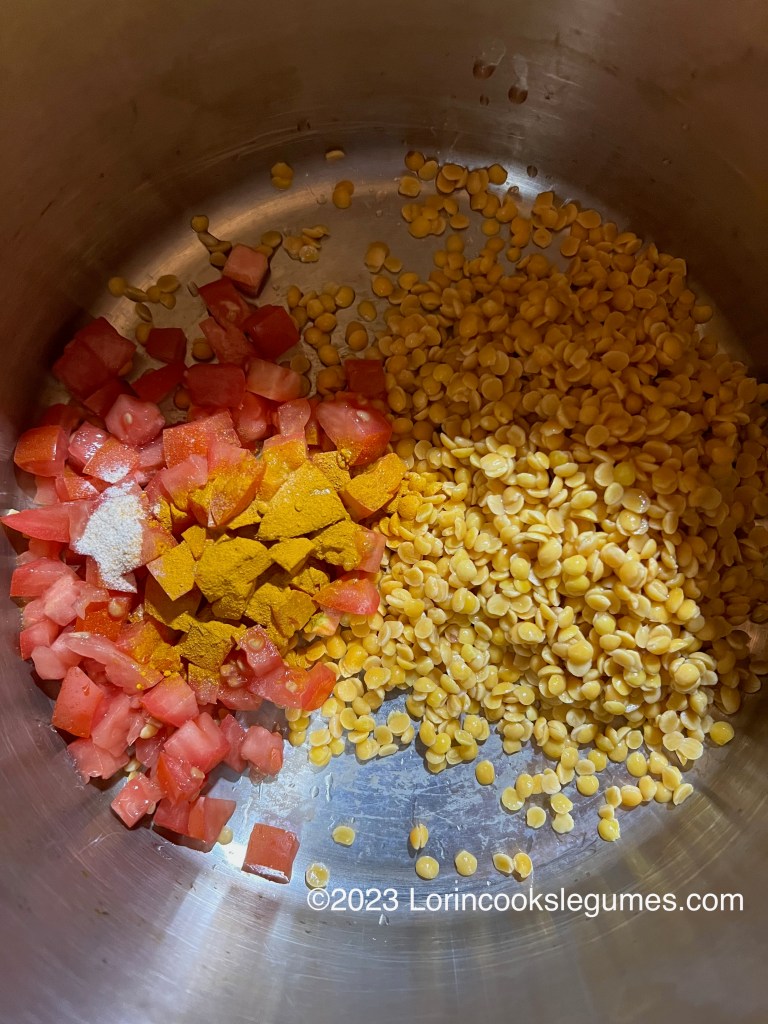
Rinse the dal in cool water, drain, cover with fresh water and allow to soak for 30 minutes. Drain again and place in pressure cooker with 2 cups of fresh water, turmeric, ⅛ teaspoon asafoetida, and diced tomato. Seal cooker and cook at high pressure for about 9 minutes. Allow pressure to release naturally, then lightly mash the cooked dal.
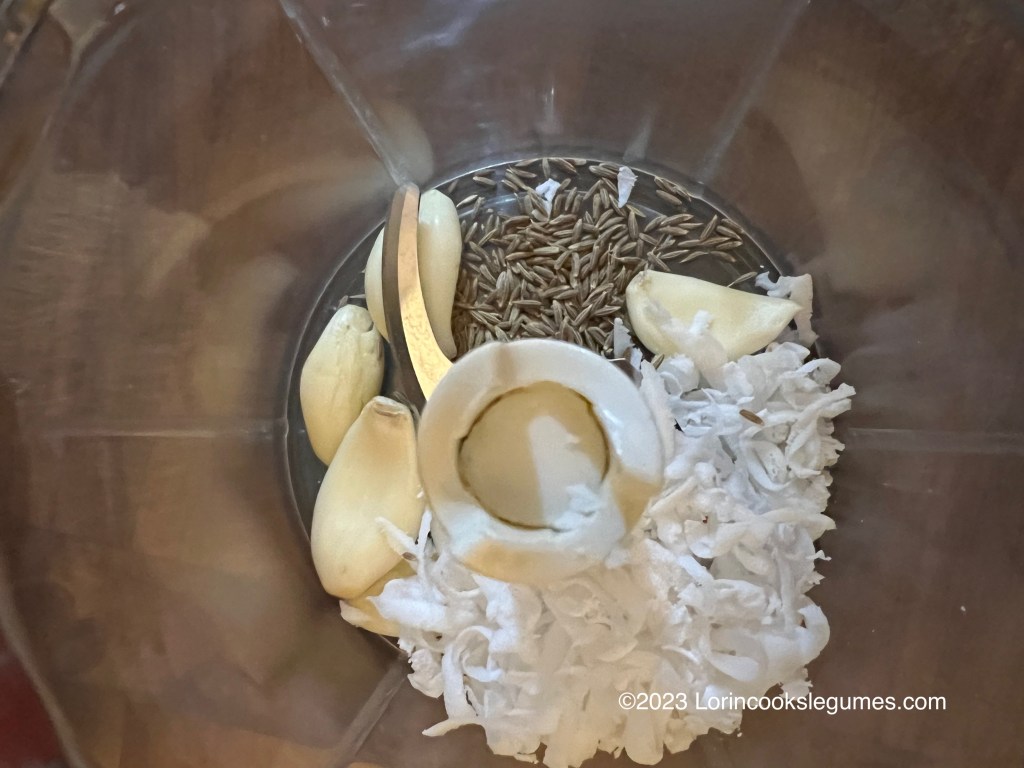
Meanwhile place 5 cloves of garlic, the coconut, and ½ teaspoon cumin seeds in a blender and grind to a paste.
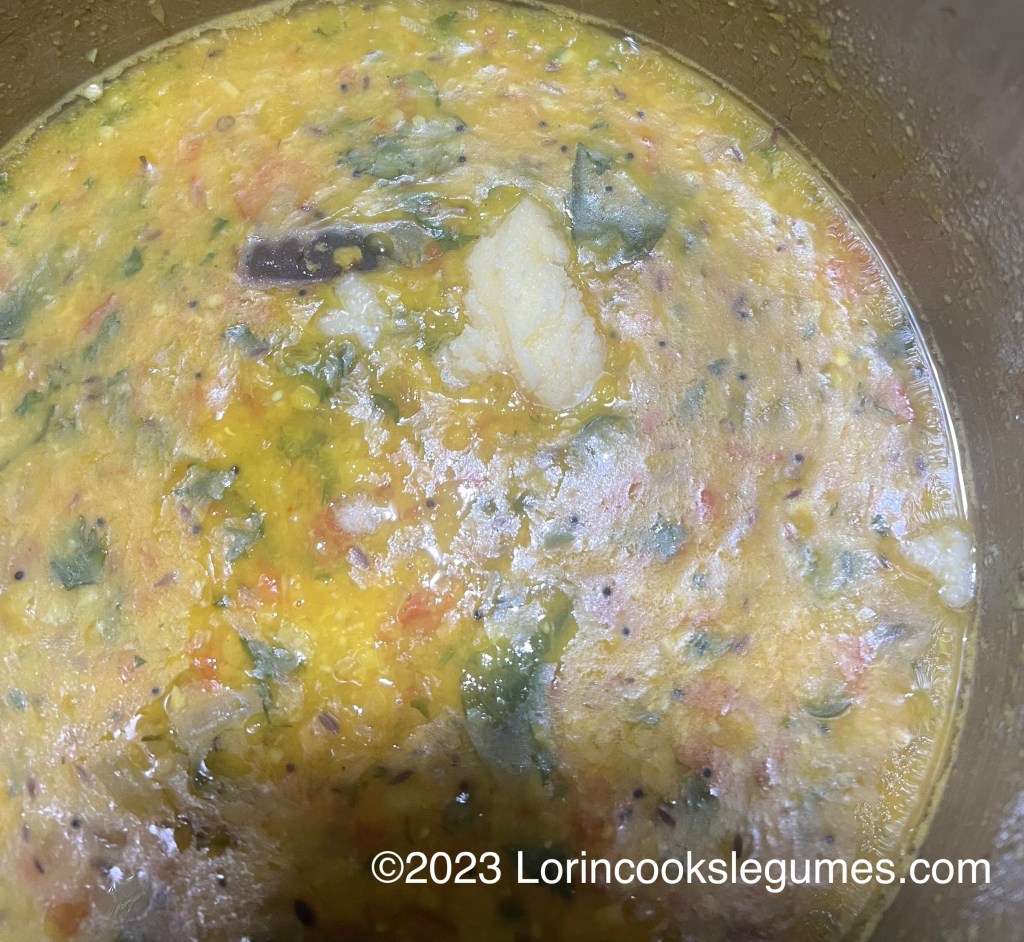
Return the dal to the heat, adding additional water as needed to reach desired consistency. Stir in the coconut mixture and simmer for a couple of minutes.
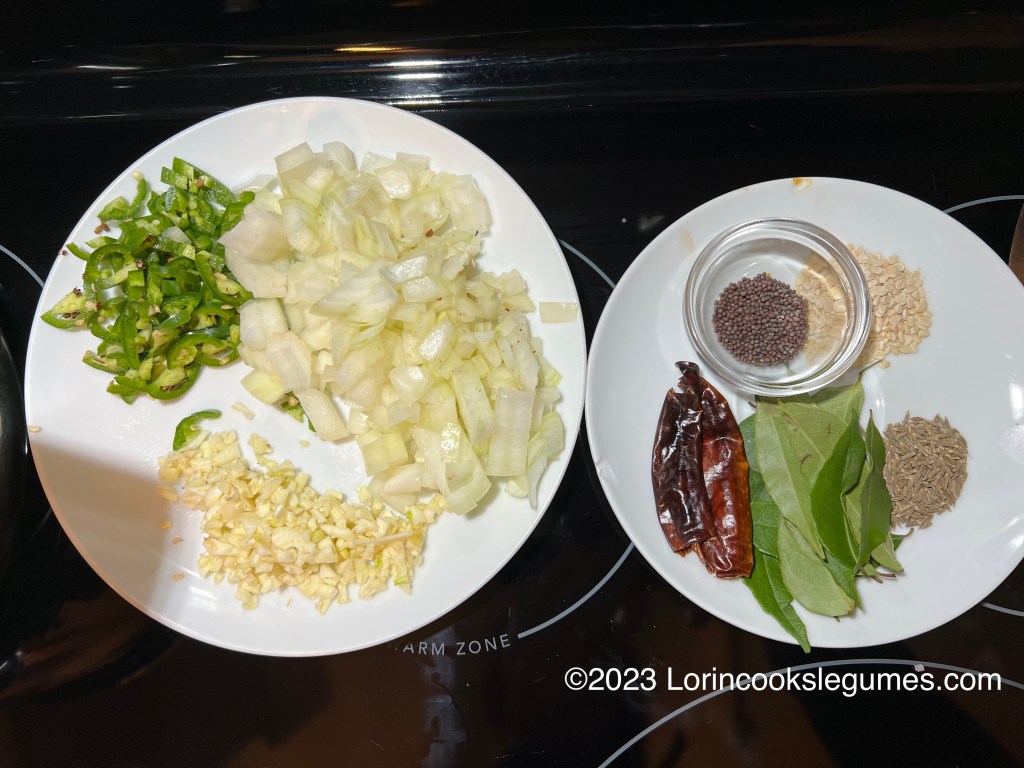
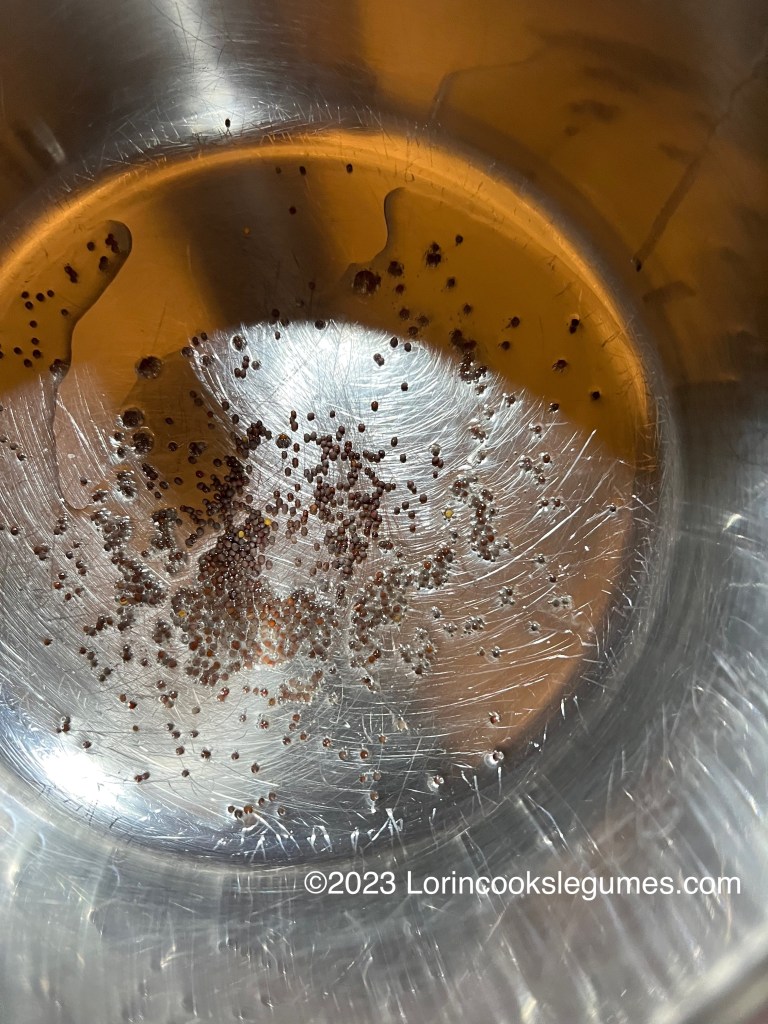
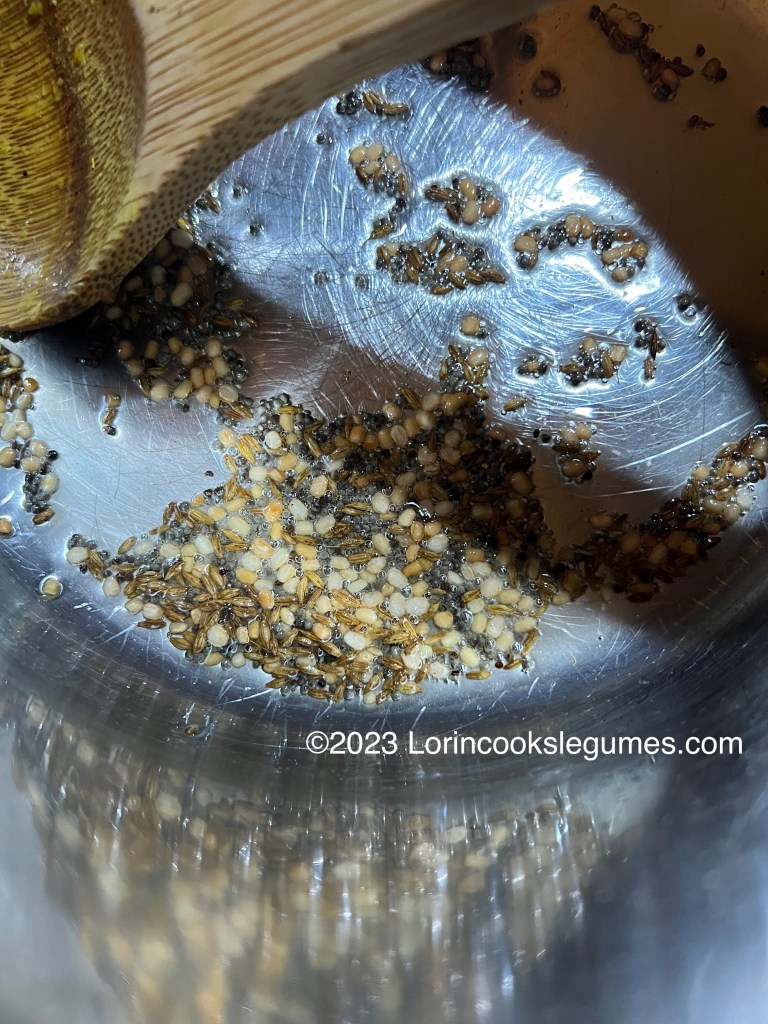
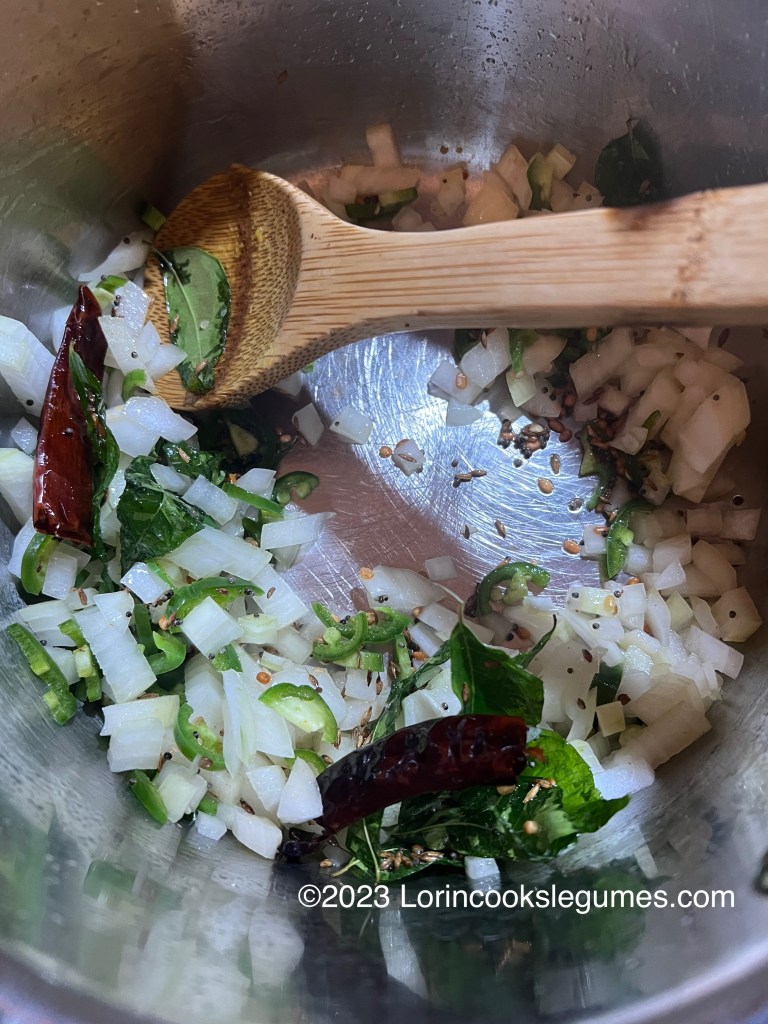
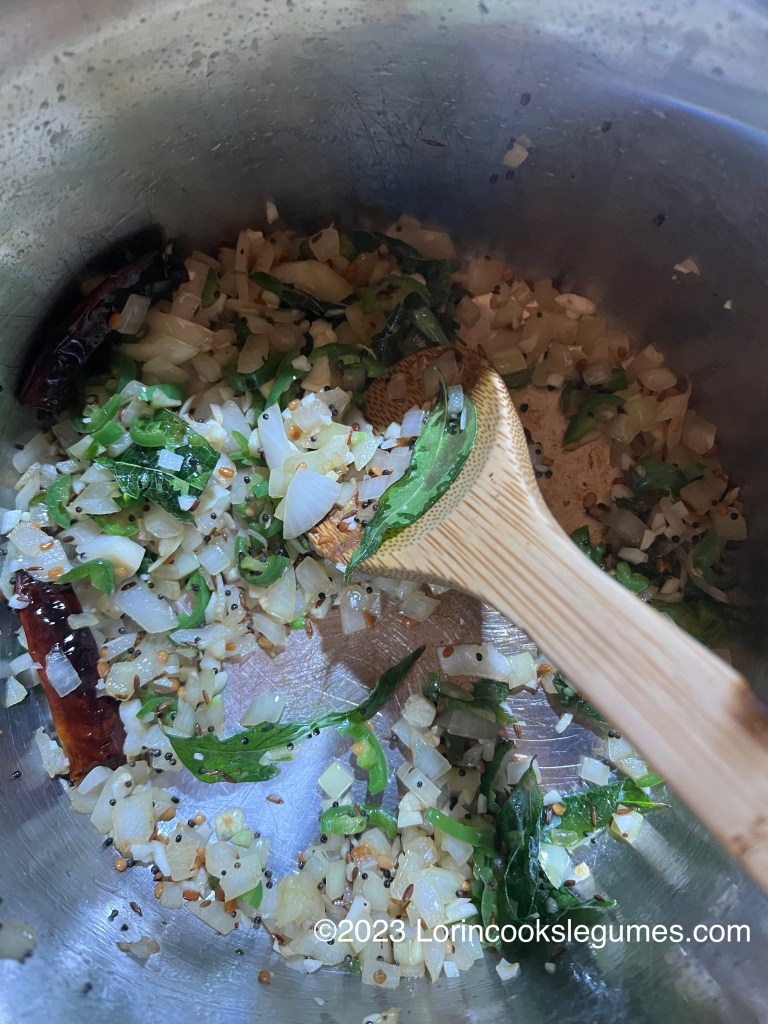
Heat the oil in a large pan over medium heat. Add the mustard seeds and cook until they pop, about 30 seconds. Add the urad dal and ½ teaspoon cumin seed and cook until golden brown. Add the curry leaves, ¼ teaspoon asafoetida, and dried chilies. Cook until the curry leaves crisp, about 1 minutes. Add green chilies and onion and sauté until onion is translucent, about 5 minutes. Add 5 cloves of minced garlic and sauté for 1 mintue longer. Pour into the dal and mix well.
Add salt and cilantro. Mix well. Taste and adjust seasoning as needed. Just before serving mix in 1 Tablespoon of ghee.
Serve with rasam/charu and rice.
 Lorin cooks Legumes
2 Comments Add yours