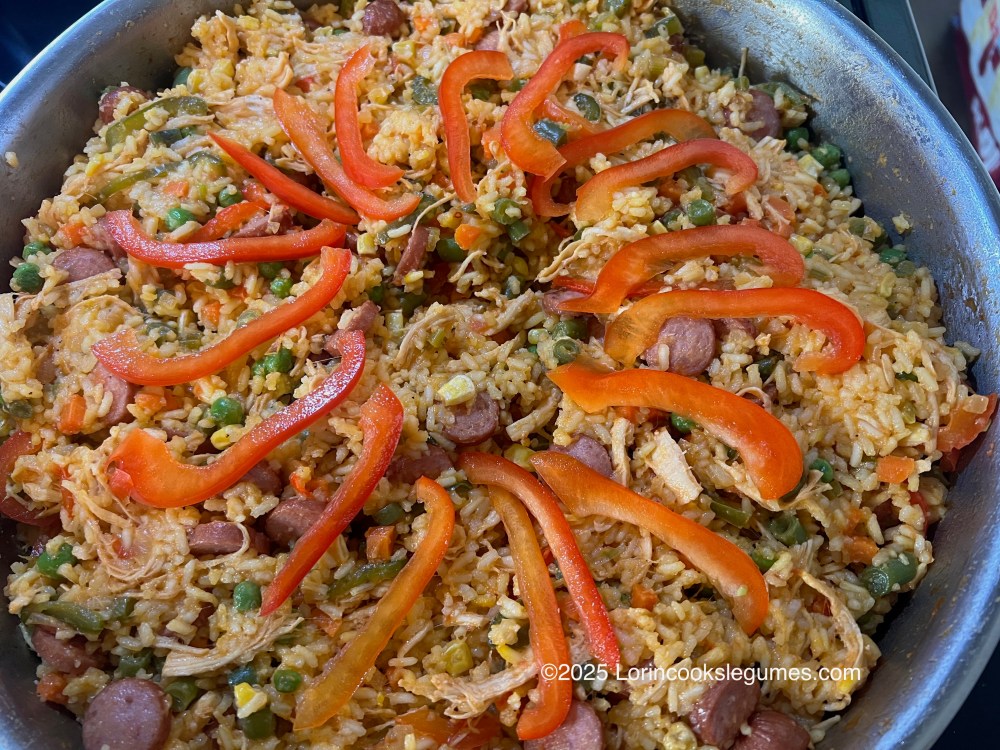
Arroz a la valenciana (Valencian-style rice; in Valencian, arròs a la valenciana) or Valencian rice is a name for a multitude of rice dishes from diverse cuisines of the world, which originate from the rice-cooking tradition of the Valencian Community, in eastern Spain.
https://en.wikipedia.org/wiki/Arroz_a_la_valenciana
If you’ve been following along, you know that my last couple of posts were about asopao, a soupy rice dish popular across much of the Caribbean. According to Wikipedia, in Puerto Rico there is a version made with chicken, rabbit, and seafood, said to be inspired by the Spanish dish, Arroz a la Valenciana, aka paella.
Well, I searched and searched and couldn’t find any recipes that seemed to fulfill that description. I searched for asopao a la Valenciana, Puerto Rican arroz a la Valenciana, asopao with rabbit, asopao con conejo, and several other search terms in both English and Spanish. There’s maybe one dish that uses rabbit and rice, but it isn’t an asopao.
So I turned to just searching for arroz a la Valenciana recipes.
I suppose we should back up a little bit here. Arroz a la Valenciana originated in Valencia (of course), in eastern Spain. It is a method of cooking rice that has been practiced going back hundreds of years. Rice has been grown in the region since at least the Moorish era, and they were already using saffron to flavor and color it by the 16th century.
By the late 19th century, this method of cooking rice with vegetables and meat or seafood eventually evolved into the dish we know today as Paella. Of course, in Valencia, the government has endorsed a specific set of 10 ingredients that make up Paella a la Valenciana. If your paella has anything else in it it’s just arroz a la Valenciana. (I guess I should point out that Wikipedia has flagged that bit of information as “citation needed”, and I haven’t bothered to go looking for confirmation. I don’t know that anyone really cares or follows that rule, since I didn’t really find any Spanish recipes for arroz a la Valenciana in my search; presumably, they’re all called paella!)
Spanish colonists took this method of cooking rice around the world, and today many former Spanish colonies have their own take on it.
Just not Puerto Rico.
If I just search for arroz a la Valenciana recipes I mostly get Filipino recipes, with just enough Nicaraguan recipes thrown in to really screw up my recipe and make it something that doesn’t resemble either country’s version. If I add Puerto Rican (or Puertoriqueno) to the search, it at least skews the filter more toward Central American recipes. Nicaragua and El Salvador seem to be the locations where versions of this dish are most popular in that region. In the end, I wrote two separate recipes. First, a Filipino one (after I filtered out the Nicaraguan recipes), but then decided I at least wanted to get a little closer to the part of the world I’m supposedly exploring right now, so I wrote another one using the results from the second search, which is the recipe I’m sharing here.
So… what is this method? I guess I would say it’s a highly seasoned dish that combines rice with vegetables and at least one type of protein. It usually has a reddish/orangish color from the use of either saffron or tomato products (or sometimes annatto in Latin America). Some countries seem to use the paella method, cooking everything in one pan, while others tend to cook the rice separately and mix it all together at the end, which is the method that I wound up using.
I’m not attributing my recipe to any specific country. As I said, I mostly saw Nicaraguan and Salvadorian recipes, which actually differ fairly significantly, and my recipe uses elements of both.
Nicaraguan arroz a la Valenciana typically has shredded chicken and hotdogs and is seasoned with ketchup, mustard, and Worcestershire. Yes, according to the one English-speaking vlogger I watched, hotdogs really are the traditional sausage to use, and the sausages in the Spanish-speaking videos I watched mostly looked like hot dogs. Given that the English-speaking vlogger didn’t have much of an accent, I considered the possibility that she’s a second-generation immigrant, and that’s just what her family could afford here in America, but given the use of other pretty typically American ingredients like ketchup, which I was able to confirm across several different recipes, it seems like American groceries are probably now more readily available in Nicaragua than whatever would have been the traditional ingredients 100 years ago. Most of the recipes were pretty clear in that it should be pork sausage, “not beef”. I don’t tend to eat hot dogs very much, so I was a little shocked at how few options there were in my local grocery store that didn’t contain beef. The only option I could find that was 100% pork and still fell into the realm of what I would consider a hot dog was Oscar Mayer Smokies*. I suppose some chicken or turkey content would have been acceptable, but I thought the flavor of the Smokies was a pretty good match for the rest of the dish.
Meanwhile, the Salvadorian recipes (and any other counties that snuck in there) tended to more resemble the dish that probably came over from Spain, using chicken and pork, seasoned with saffron instead of ketchup, including things like olives, raisins, artichokes, or even some seafood.
Wherever arroz a la Valenciana is made, it seems to be a popular dish for celebrations- Christmas, birthday parties, any time you have a large group of people gathering. As such, my recipe is quite a bit larger than my typical recipes, easily making 8-10 servings.



Arroz a la Valenciana
Yield: 8-12 Servings
Prep: 30 Minutes
Cook: 1 Hour
Total: 1:30
(As an Amazon Associate I earn from qualifying purchases.)
1 lb. chicken breast
¼ large onion, roughly chopped
4 cloves garlic, peeled
1 stalk celery, roughly chopped
4 cups water
Salt, to taste
Black pepper, to taste
2 ½ cups rice
1 large carrot, finely diced
¼ teaspoon saffron
3 cups chicken broth, from boiling chicken
4 teaspoons oil (or as needed)
OR
4 teaspoons olive oil (or as needed)
3/4 large onion, finely diced
2 stalks celery, finely diced
Salt, to taste
Black pepper, to taste
2 small tomatoes, finely diced
6 oz. green beans, chopped
1 packet sazon seasoning with achiote
¾ large red pepper, julienned
1 green bell pepper, julienned
1 package of pork hot dogs, sliced
¾ cup green peas (fresh, canned, or frozen)
¾ cup corn (fresh, canned, or frozen
¼ cup ketchup
¾ Tablespoon Worcestershire sauce
Salt, to taste
Black pepper, to taste
¼ red bell pepper, julienned, for garnish
Optional:
¾ teaspoon prepared mustard
6 Tablespoons minced parsley, to garnish
2 bay leaves
2 teaspoons chicken bouillon powder
1 hard-boiled egg, sliced, to garnish
10 oz. ground meat, browned with vegetables
1 ¾ cups green olives with pimentos, sliced
1 cup raisins
Ground cumin, to taste
¼ cup aji amarillo paste
Potatoes, diced, to taste
Dried oregano, to taste
Fried plantains, on the side
300 g calamari (add with or in place of hot dogs)
½ teaspoon seafood seasoning
300 g shrimp (add at the end with the peas and corn)
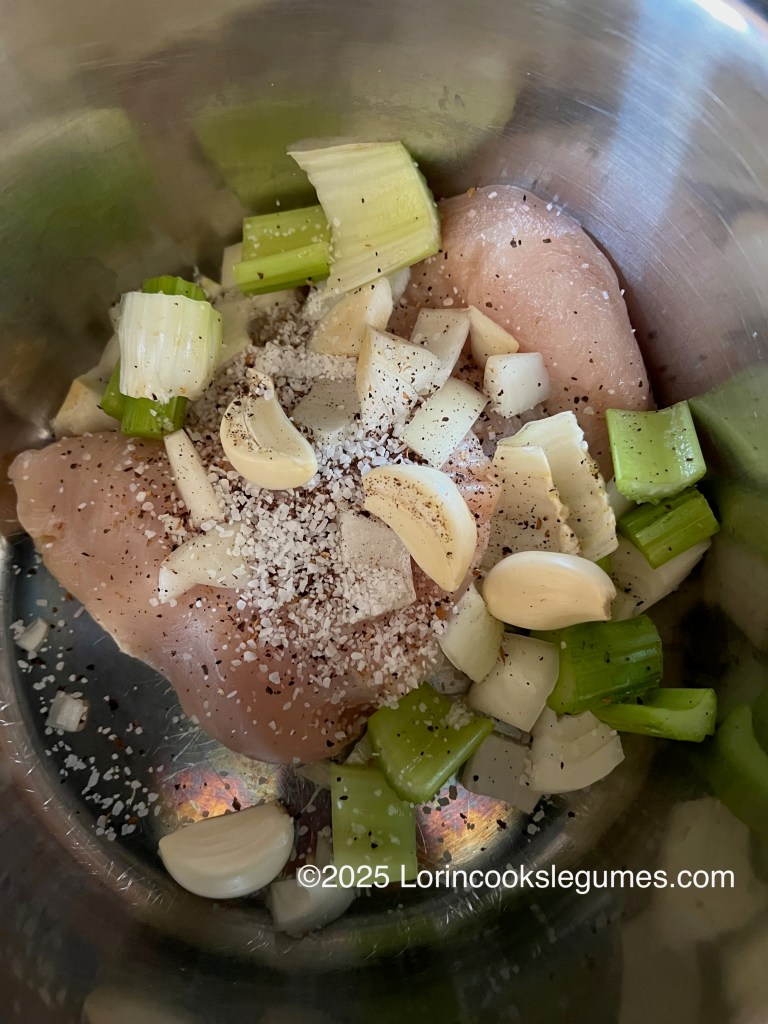
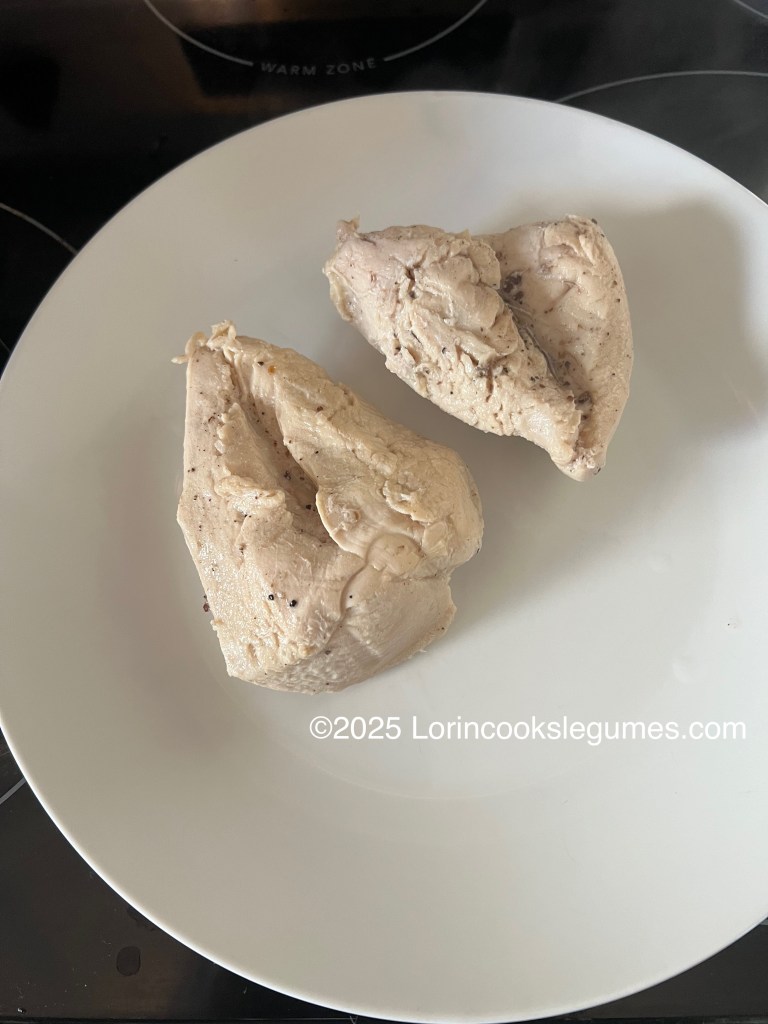
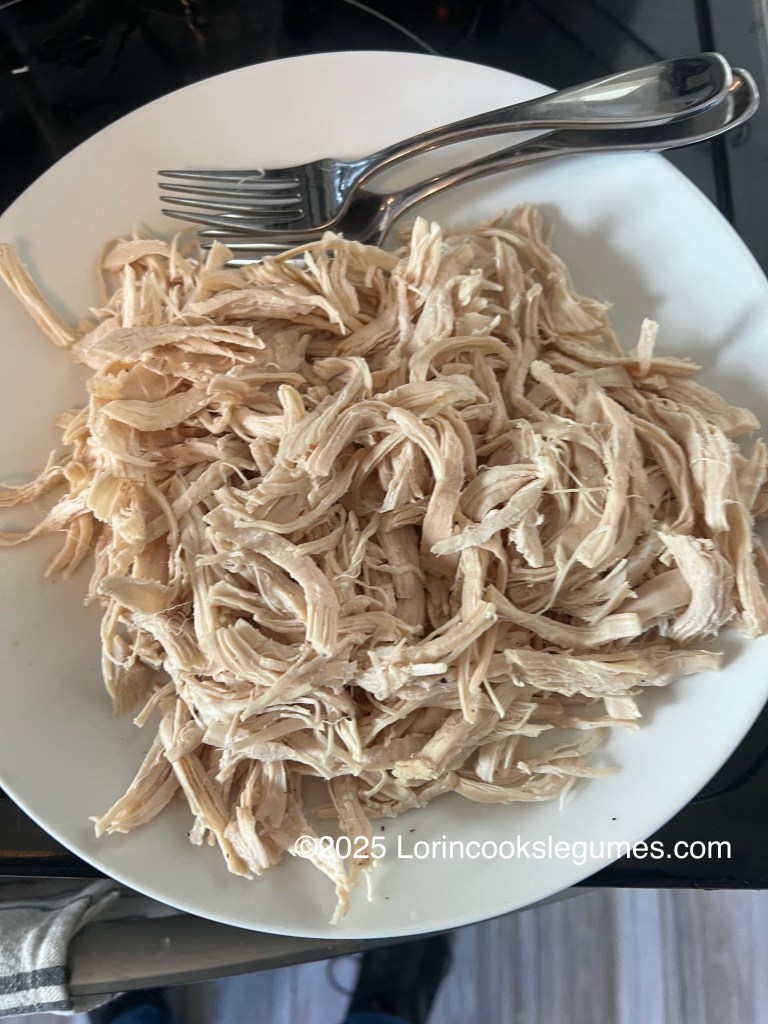
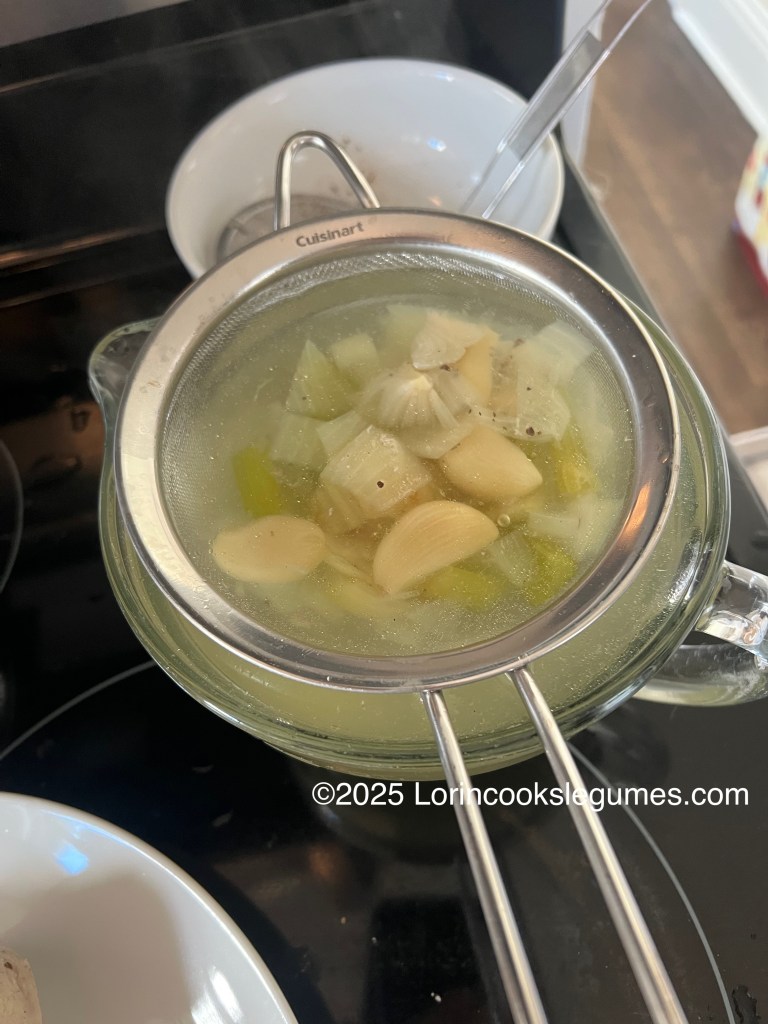
Place chicken breast in a saucepan, along with roughly chopped onion, garlic, and roughly chopped celery. Add 4 cups of water and season with salt and pepper. Bring to a boil and skim off any foam that rises to the surface. Lower the heat and cook, covered, until chicken is fully cooked, 20-30 minutes. Remove chicken from the broth and set aside to cool. Strain the broth and keep it warm. Once the chicken is cool enough to handle, use your hands or two forks to shred it fairly finely. Set aside.
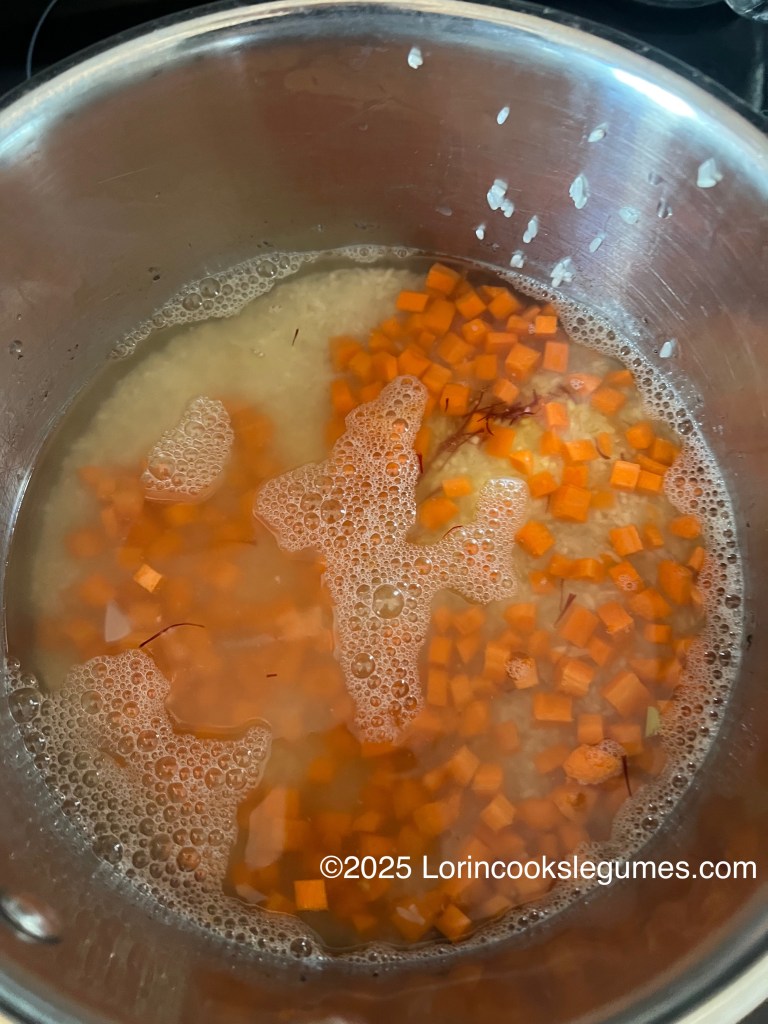
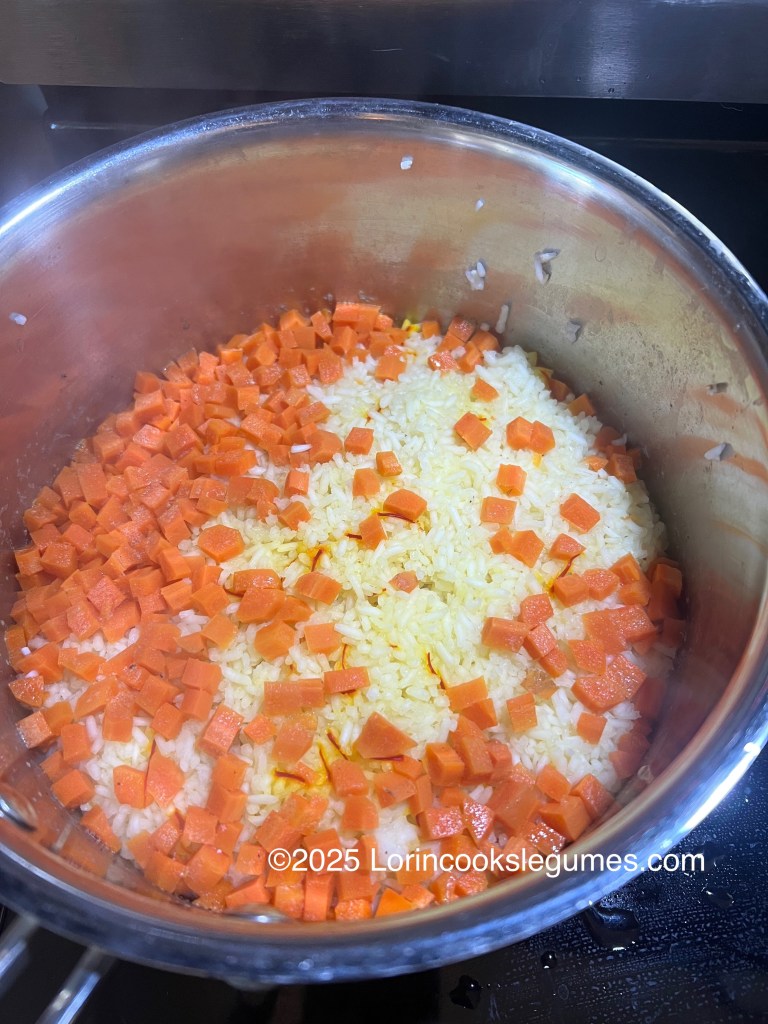
Rinse the rice in a couple of changes of water, drain, and place in a saucepan. Add the carrots, saffron, and chicken stock. Bring to a boil, turn the heat to low, and cover. Cook for 15 minutes, until broth is fully absorbed. Remove from heat and allow to rest for 5 minutes before removing the lid.
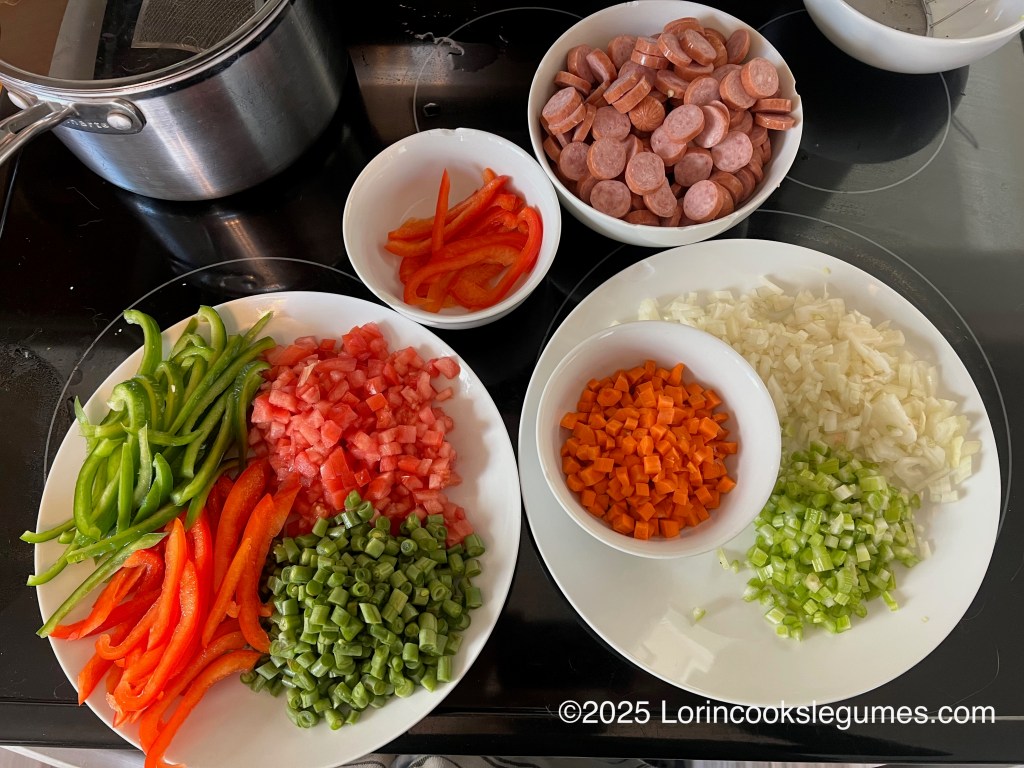
In a wide, heavy-bottomed, pan, heat oil. Add the finely diced onion and finely diced celery, and season with salt and pepper. Sauté for a few minutes until they begin to soften.
Add the tomatoes, green beans, Sazon, and bell peppers (reserving about ¼ of the red pepper for garnish). Continue to sauté until the vegetables soften, stirring gently to avoid breaking up the peppers. Cover and cook for a couple more minutes, until the green beans are tender.
Move the vegetables to the side and add the hot dogs. Cook for a few minutes until the hot dogs begin to brown, then add the shredded chicken. Cook for a few minutes until everything is warm, adding a splash of chicken broth or water if it seems too dry (you want a little bit of juice to help carry the flavors to the rice, but it shouldn’t be at all soupy).
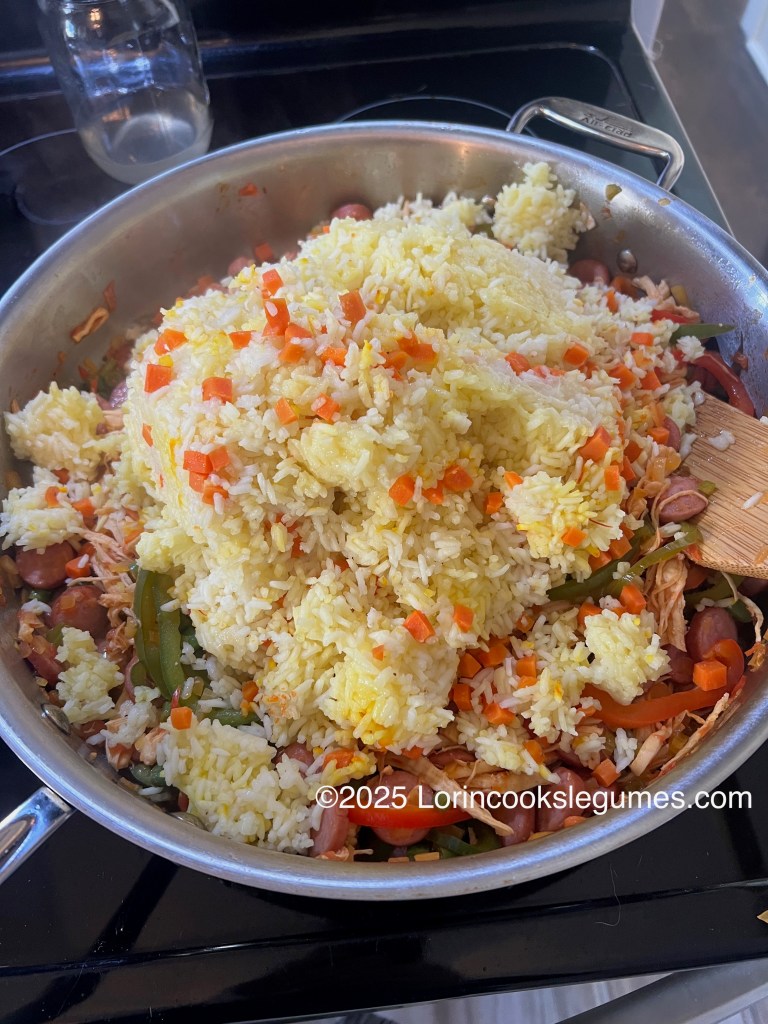
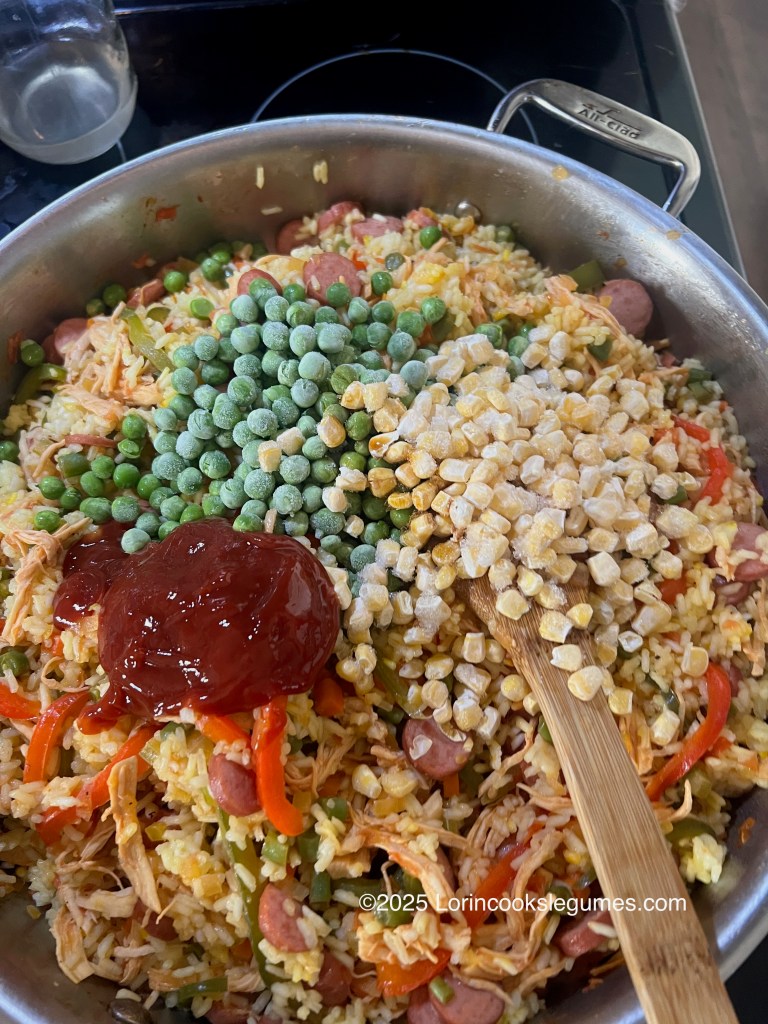
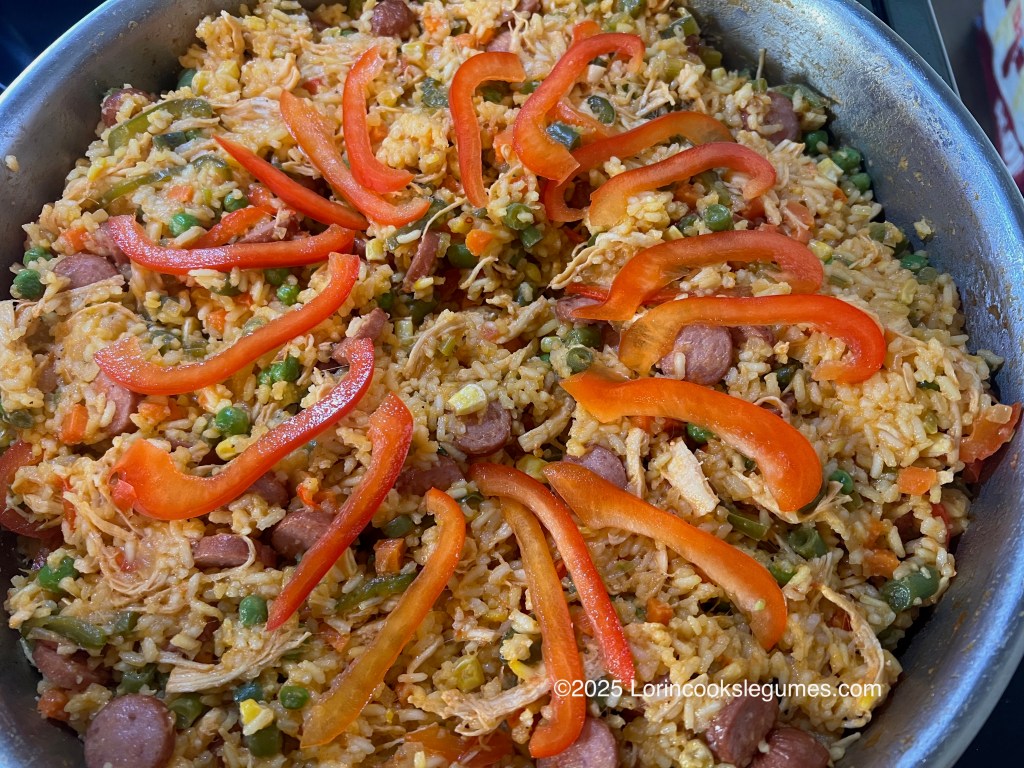
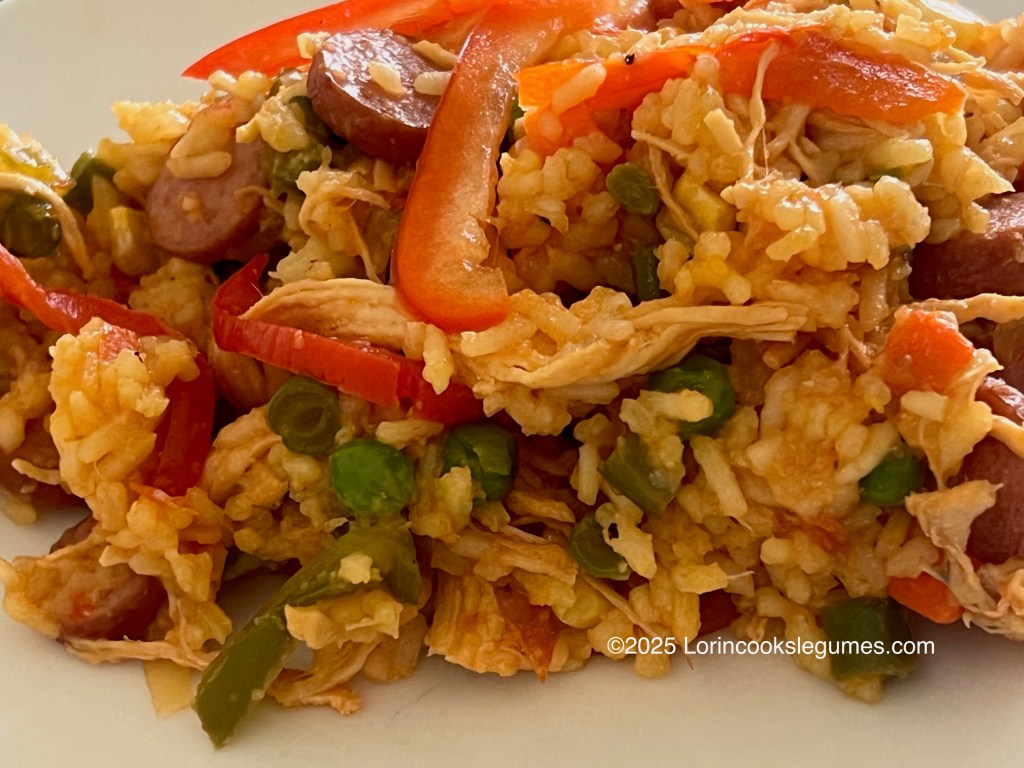
Turn the heat to low, add the cooked rice, and mix well. Stir in the peas, corn, ketchup, and Worcestershire sauce. Cook for about 5 more minutes, stirring, until flavors are melded. Taste for salt and pepper, transfer to a serving platter, and garnish with remaining red pepper juliennes.
*As an Amazon Associate I earn from qualifying Amazon purchases.
I receive no compensation for mentioning any other websites or product.
 Lorin cooks Legumes