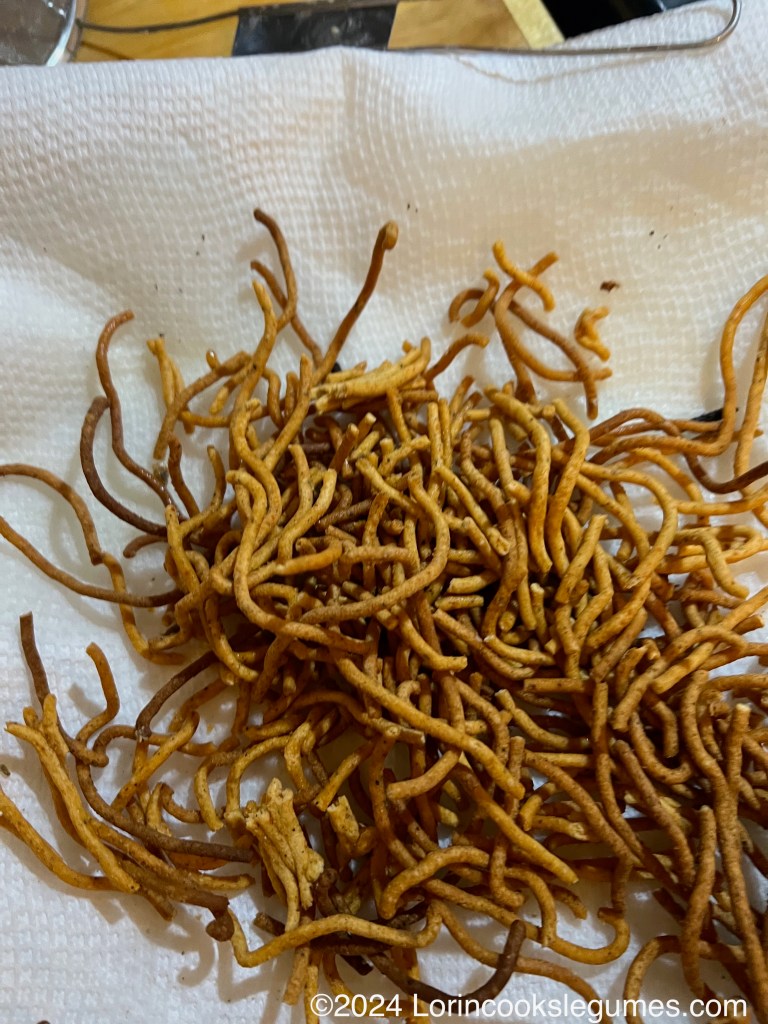
Bikaneri bhujia, often simply called Bhujia, is a crispy snack prepared by using vigna aconitifolia, gram flour and spices, originating from Bikaner, a city in the western state of Rajasthan in India. It is light yellow in colour. Bhujia has become not just a characteristic product of Bikaner, but also a generic name.
https://en.wikipedia.org/wiki/Bikaneri_bhujia
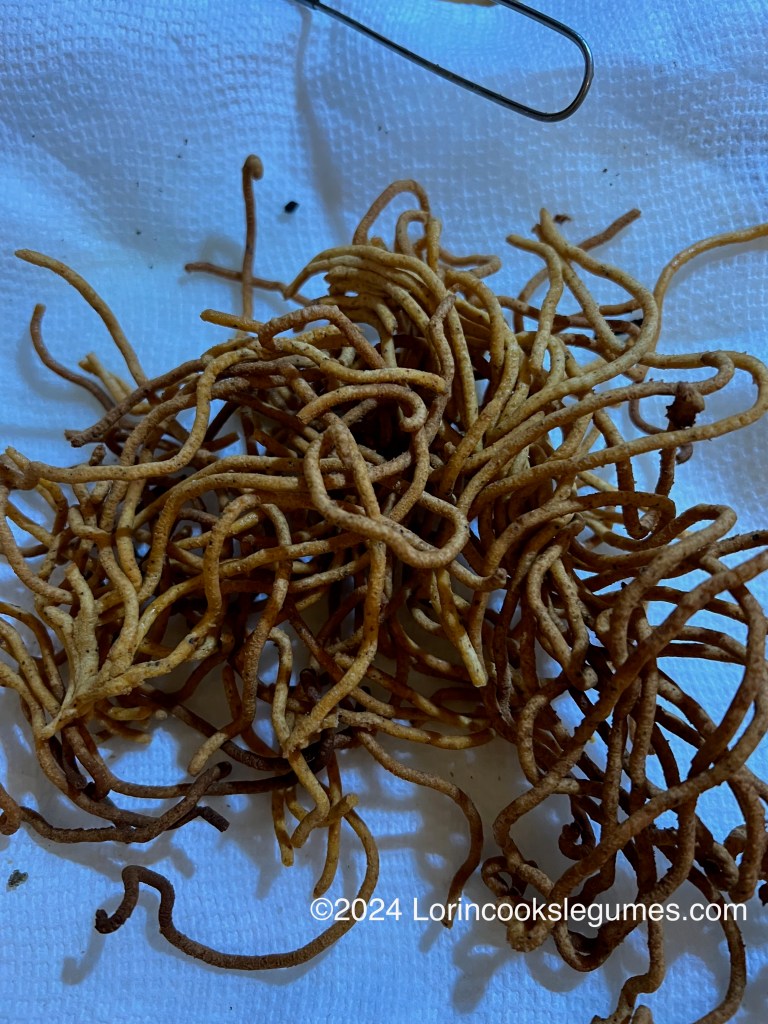
Bikaneri bhujia is a crunchy, fried snack food from Bikaner, a city in Rajasthan, in Northwest India. It is part of the family of Indian snacks known as sev, which are crispy fried noodles made by pressing a dough made of chickpea flour and various other types of flour, or even potato, through a sieve or special press into hot oil and frying until crispy. It is popular not only as a stand alone snack, but as a crunchy topping for a number of different dishes.
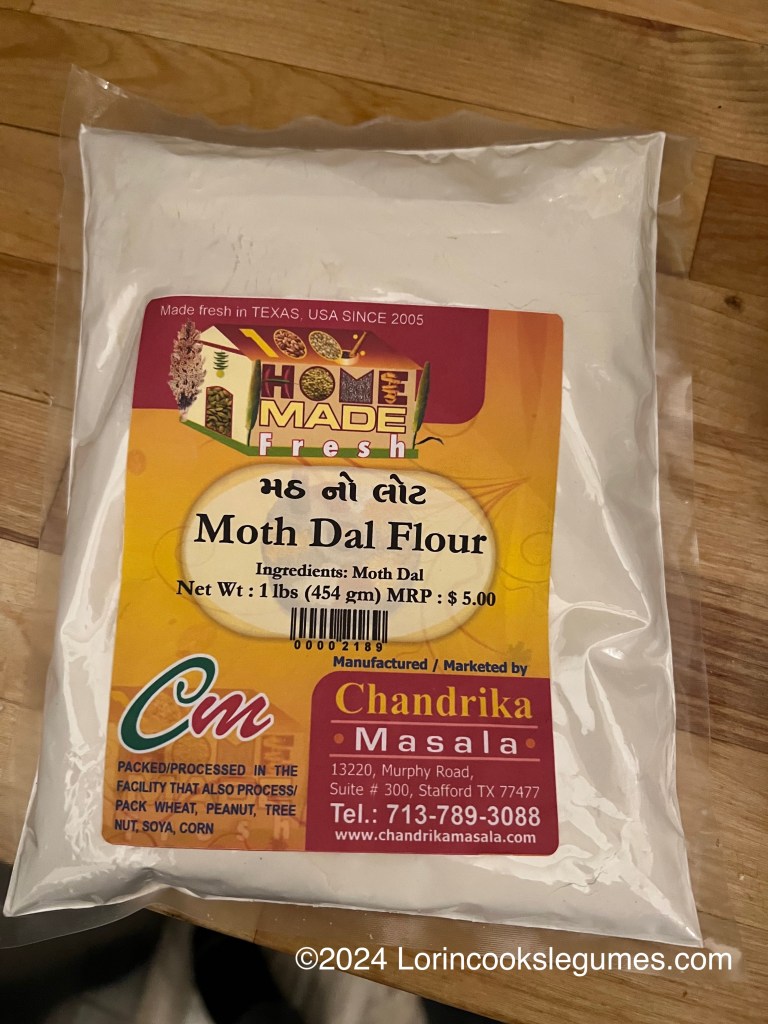
Bikaneri bhujia is made with Chickpea flour, moth bean flour, and spices. Bhujia seems to be the local word for sev in Bikaner/ Rajasthan, and there are a number of other types using different flour combinations. Aloo bhujia, using chickpea flour and potato, seems to be the most popular, if the number of recipes for it I had to wade through to find the ones using moth bean is any indication.
Apparently, though, Bikaneri bhujia is popular enough that large companies were making and marketing it under that name, taking business away from small local producers, to the extent that the Indian Patent Office issued geographical indication rights and a patent on the brand name Bikaneri Bhujia to local producers.
No, moth beans aren’t some kind of cocoon or larva. Also known as moath, mat, matki, and probably several other spellings, they are the seeds of Vigna Acontifolia, a drought resistant legume commonly grown in arid regions of India.
Finding moth bean flour was a bit of an adventure. I was unable to find it on Amazon, and had to dig to the second page of Google results before I found anyone in North America selling it. The first one I found turned out to be fishing for credit card numbers, and I had to deal with fraudulent charges and canceling my credit cards after I foolishly fell for their claim to be selling it for $1 with free shipping. In the end I found Chandrika Masala*, and I was quite pleased with their customer service after I screwed up and didn’t click the button to add shipping, so placed the order for pick up… in Houston, TX, nowhere near my home in Duluth, MN.
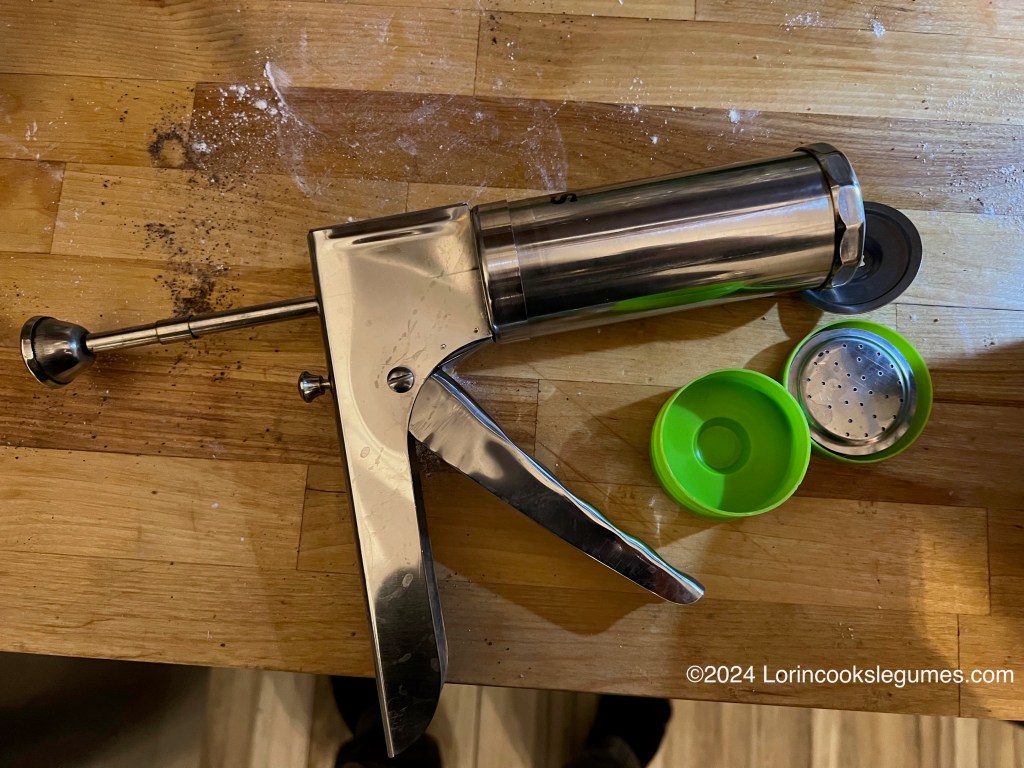
The other item I had to order was a sev press, a special tool for squeezing out thin strands of dough into the hot oil, very similar to a spritz cookie maker. I purchased this one*, because I thought it looked easier to use than most of the other models that used a screw to press the dough through the die. Turns out I was wrong, and it promptly broke half way through my first batch of dough. It is possible that I made my dough too dry, leading to having to apply too much pressure to squeeze the dough out, but overall the construction was pretty flimsy, relying on thin sheet metal pushing against a thicker piece of metal to push the dough out, and I don’t know that it would have lasted a whole lot longer even with softer dough. I believe my next recipe uses some type of sev or bhujia as a topping, so I may be experimenting with a different model in the near future, in which case I’ll report back.
The broken press led to making the last portion of dough into thicker, hand rolled, strands. Apparently it’s not uncommon for commercial bhujia/sev in India to come with some larger pieces mixed in with the fine noodles. They are called mota sev, and sometimes have different spices from the main mixture, and seem to be the equivalent of the little pumpernickel chips that get added to snack mixes in America- you either hate them or think they’re the best part.
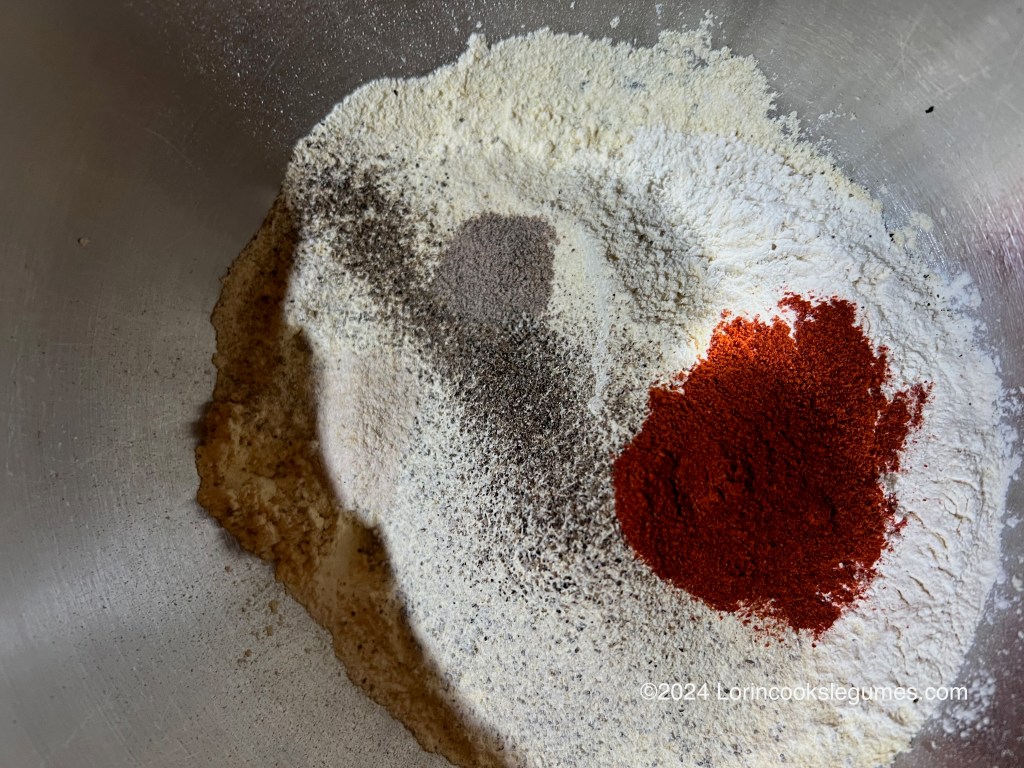
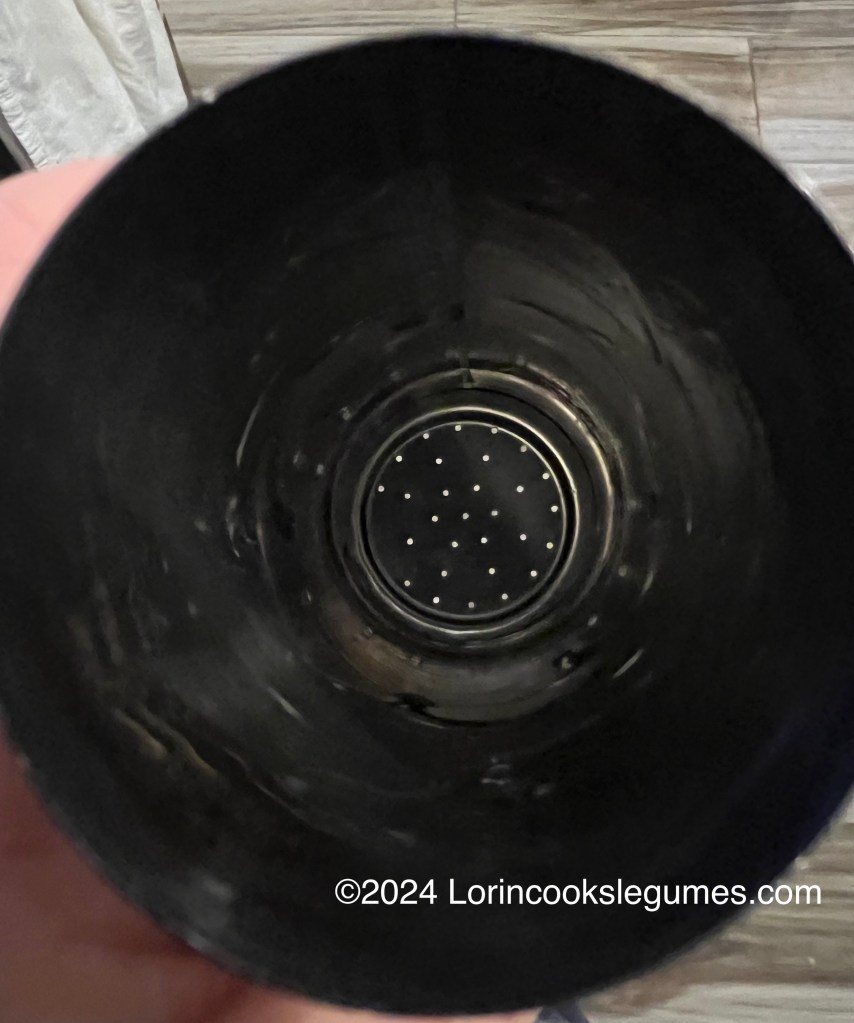
Most of the spices I used were pre-ground spices, but I did use freshly ground black pepper, grinding it in my electric coffee/spice grinder. Since I don’t get super finely ground spices from that tool, I ran the pepper through a small sieve before adding it to the flour, to make sure that there wasn’t anything big enough to clog up the holes in the sev press.


Bikaneri Bhujia
Yield: 3-4 cups of bhujia
Prep: 15 minutes
Cook: 15 Minutes
Total: ~30 minutes, if your sev press cooperates.
(As an Amazon Associate I earn from qualifying Amazon purchases.)
1 cup besan (chickpea flour)
1 cup matki (moth bean flour)*
1 ⅛ teaspoon freshly ground black pepper
⅓ teaspoon cardamom powder
⅓ teaspoon asafoetida
1 ⅔ teaspoons Kashmiri red chili powder
½ teaspoon salt
2 teaspoons oil
10-12 Tablespoons water (or as needed)
Oil for frying
Optional:
⅜ teaspoons turmeric powder
1 pinch ground cloves
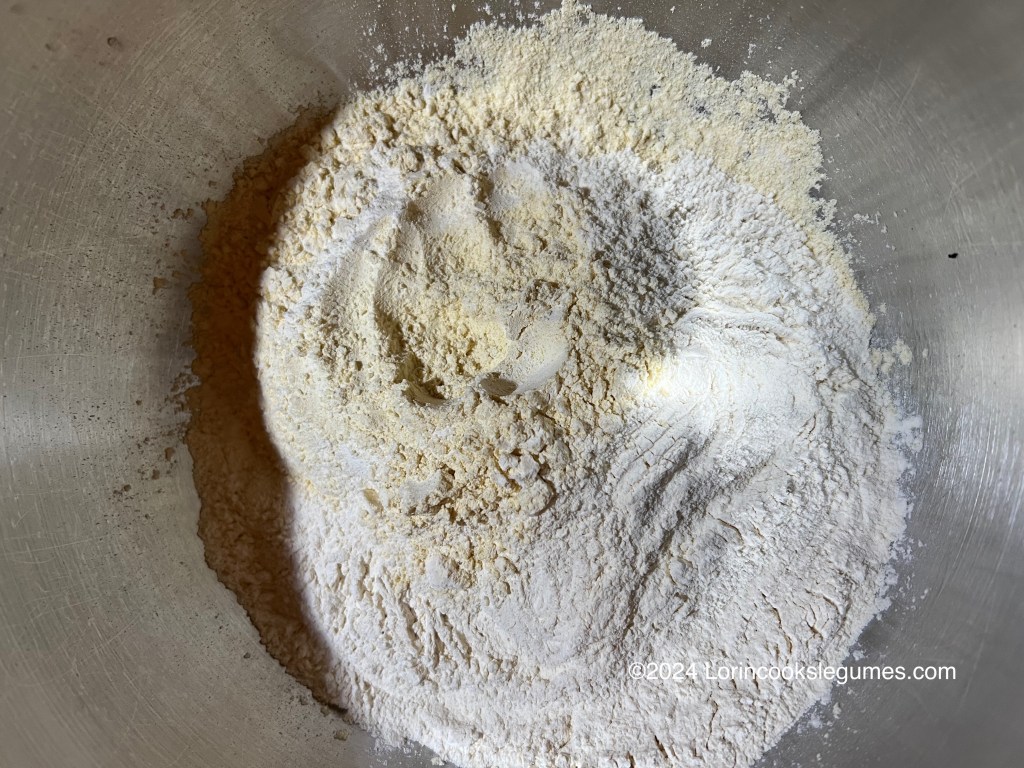
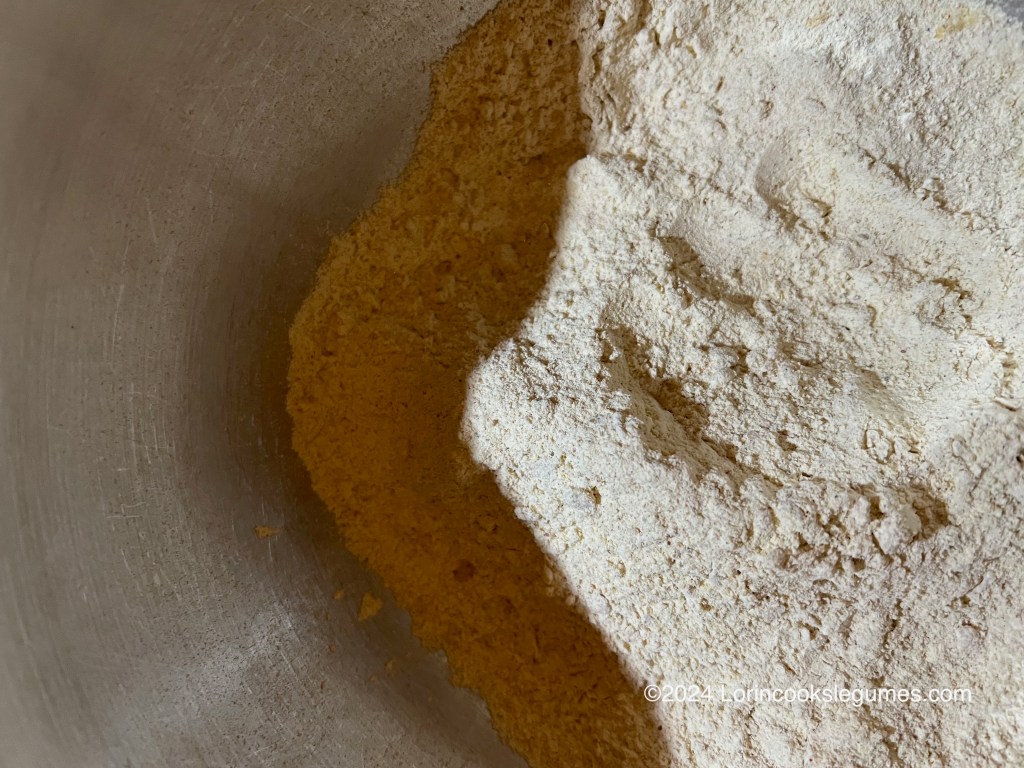
Combine besan and matki in a bowl. Add ground spices and salt and mix well.
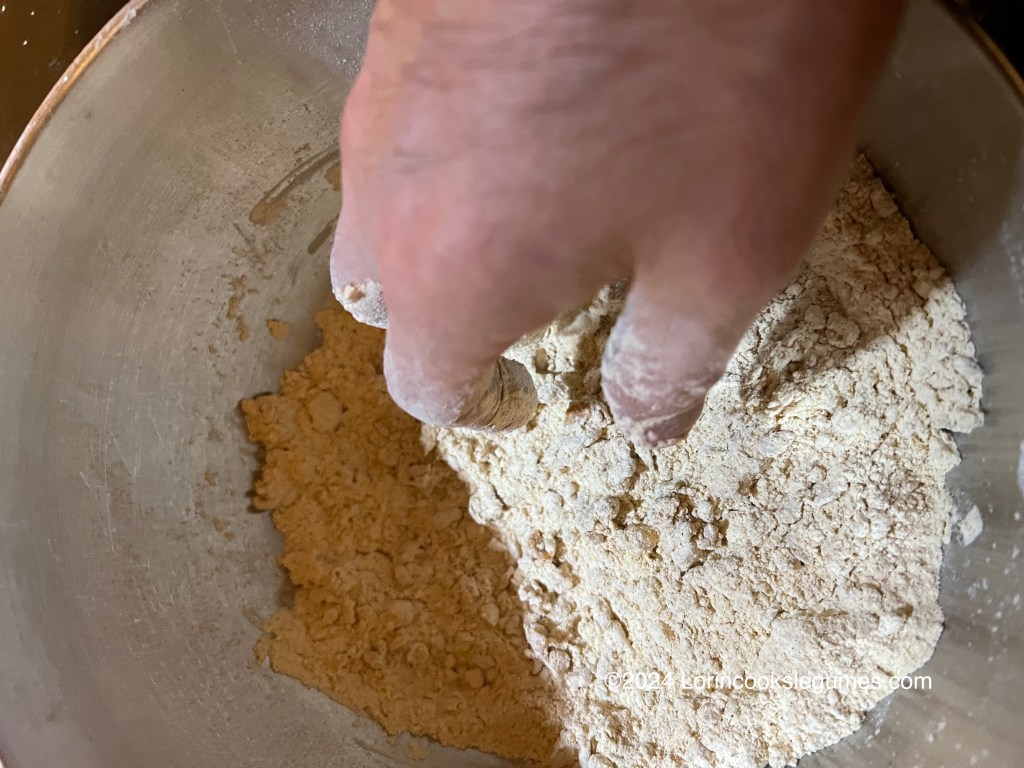
Add 2 teaspoons oil and use your fingers to mix well.
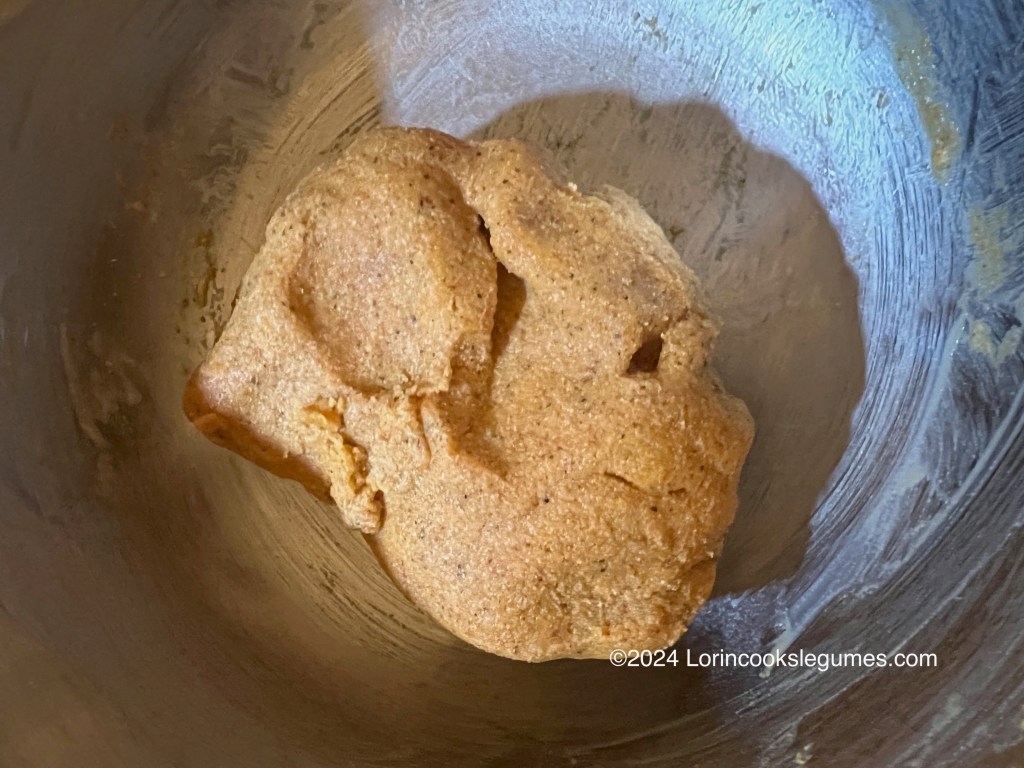
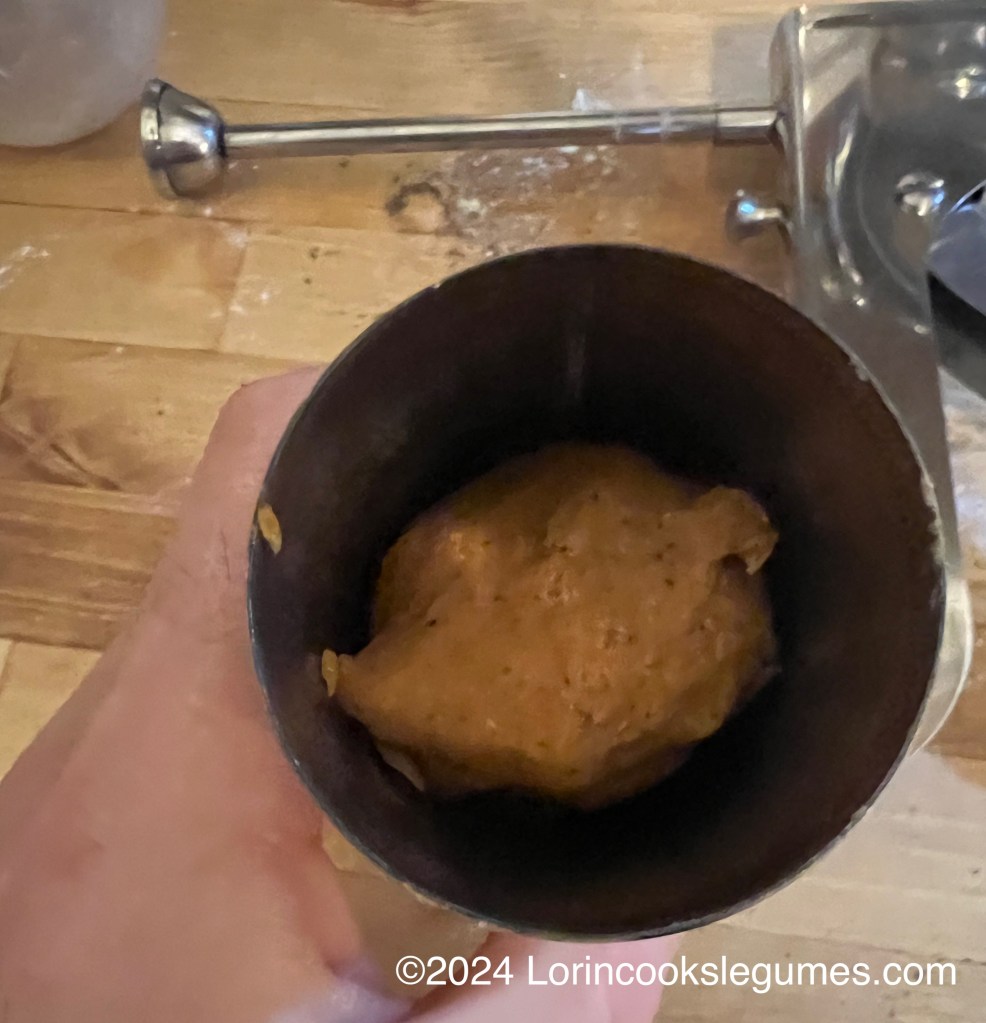
Add water, 1 tablespoon at a time, kneading until you have a soft dough. If it is too sticky, put a little oil on your hands, and knead to bring dough together into a cylinder that will fit in your sev press. Set aside.
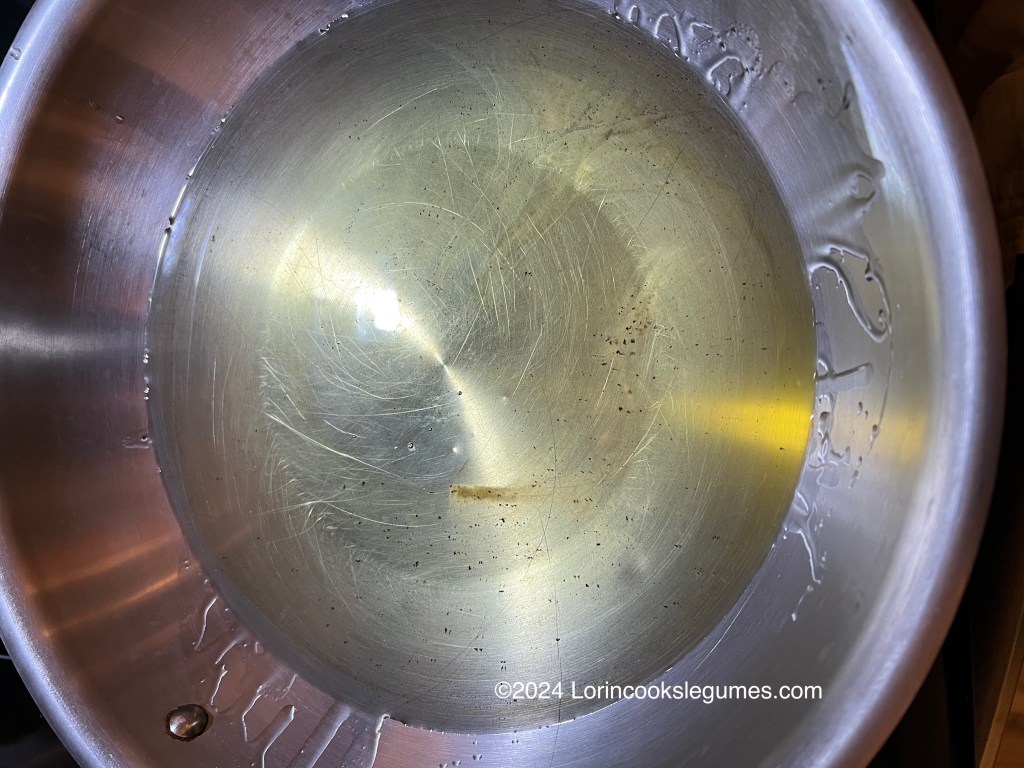
Put 1-2 inches of oil in a large pan or wok. Put on medium flame and heat until hot enough to deep fry (about 375 F).
Meanwhile lightly grease the inside of your sev press, and set it up using a small die, about the size of thin spaghetti. Put the dough in the press and screw on the plunger mechanism.
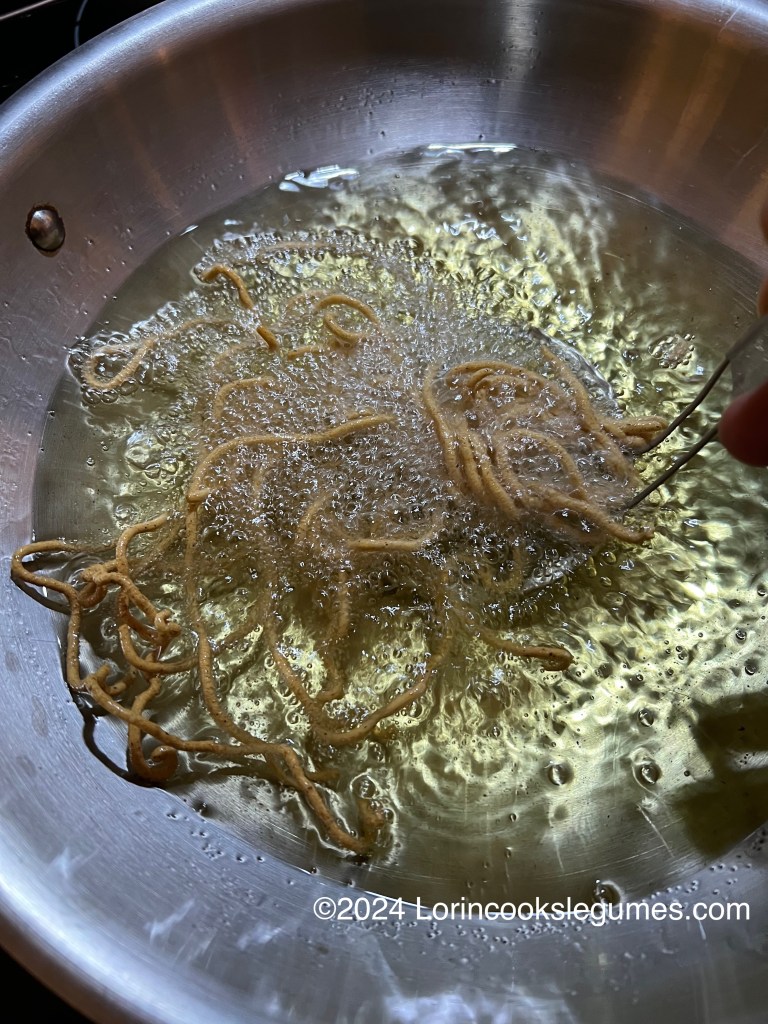
Gently press strands of dough onto the hot oil. Do not overcrowd the oil. Fry, turning once, until golden brown on all sides. Use a spider or slotted spoon to transfer to absorbent paper to cool. Repeat until all dough is fried.
Once cool, gently press on the bundles to break them up. Store in an airtight container.
*As an Amazon Associate I earn from qualifying Amazon purchases.
I receive no compensation for mentioning any other websites or product.
 Lorin cooks Legumes
One Comment Add yours