
Panchratna dal (also panchmel dal in Rajasthani cuisine or pancha dhal in Caribbean cuisine) is a popular dal in the Indian subcontinent and Indian-origin communities in Guyana, Suriname, and Trinidad and Tobago. Lentils are an integral part of Indian cuisine. This is a dish customarily served on special occasions. It is usually accompanied by an Indian flatbread or roti.
https://en.wikipedia.org/wiki/Panchratna_Dal
Panch is Hindi for five, and ratna is jewel, so Panchratna dal means five jewels dal. You can probably guess that that means this dish is made with five different types of dal! Panchratna dal is popular across India, especially on special occasions; however, the recipe is easy enough that it isn’t strictly a special occasion dish, and is part of the regular rotation in some homes.
The five types of dal used are India’s 5 most common dals: toor, moong, urad, channa, and masoor. Generally, the moong and urad used are split but still have skins, and some recipes even called for these two dals (and maybe also the masoor dal) to be whole beans rather than split. I didn’t have any moong dal with skins on hand so I chose to use the hulled product I already had in the pantry rather than buying another product when I only needed a ¼ cup. If you don’t have a pantry full of beans like I do, you can also buy a premade mix* rather than buying individual bags of 5 different lentils.
Other than the mix of legumes, this is a pretty typical dal recipe, with basic ingredients and techniques that I’ve discussed before.
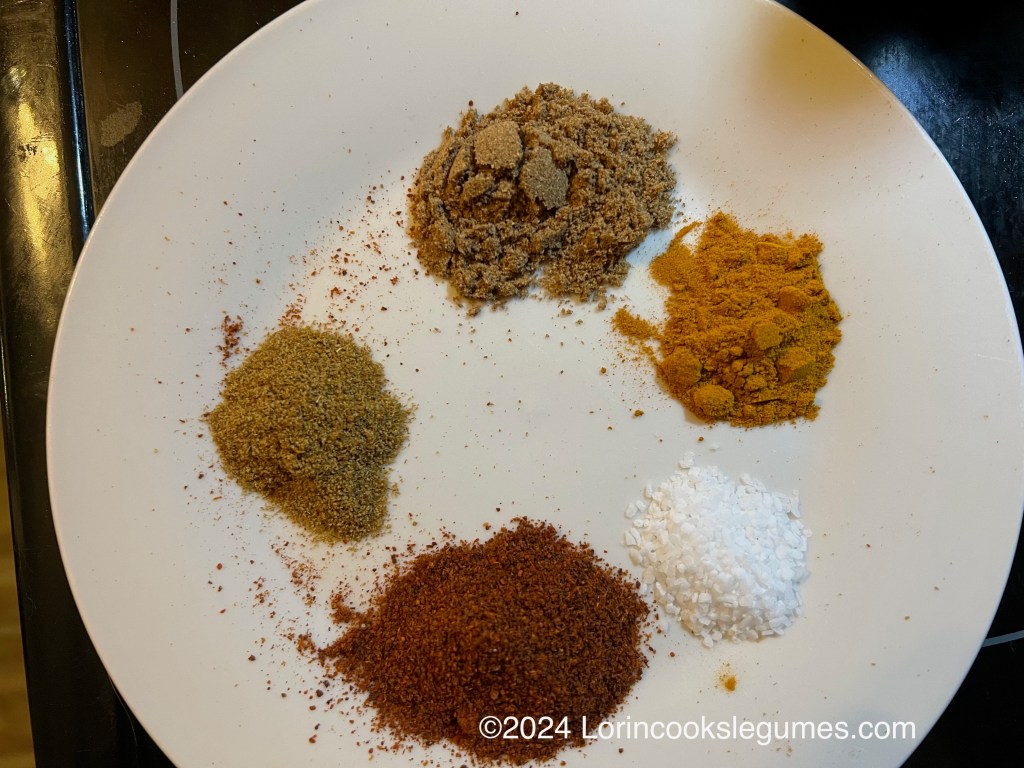
I made the mistake of disregarding my own past experience and used the hot red chili powder, rather than the Kashmiri red chili powder in this recipe. Between that and two serrano peppers, this batch of dal has some kick to it. Several of the recipes I looked at specifically said this dal ISN’T supposed to be spicy, so that was a mistake, and if I make it again I’ll be using the mild chili powder. That said, feel free to adjust to your taste- add more spicy chili powder or chilies if you like spicy food, or use less or milder chilies and chili powder for less heat.
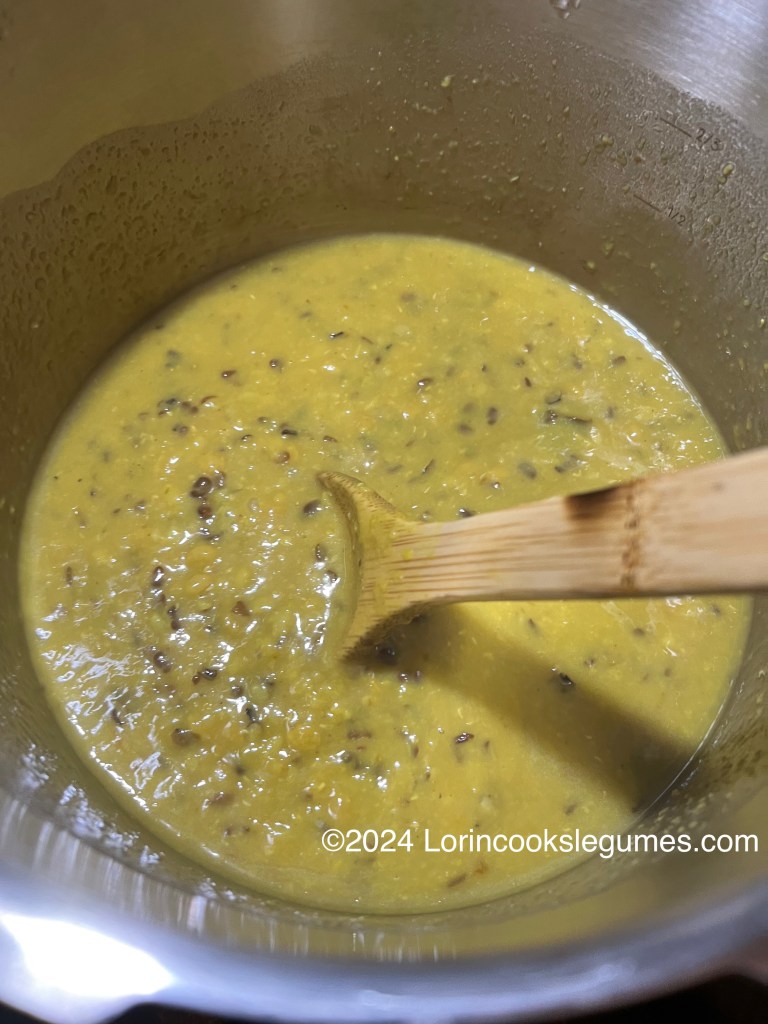
As you can see in the photo, this dal is generally made relatively thick and meant to be scooped up with roti. I probably could have stood to make mine a little thinner even. It will become pretty solid once it is cold, so you’ll probably need to add water if you are reheating leftovers. Again, adjust to your preference, make it nice and thick for scooping, or thinner to serve over rice.
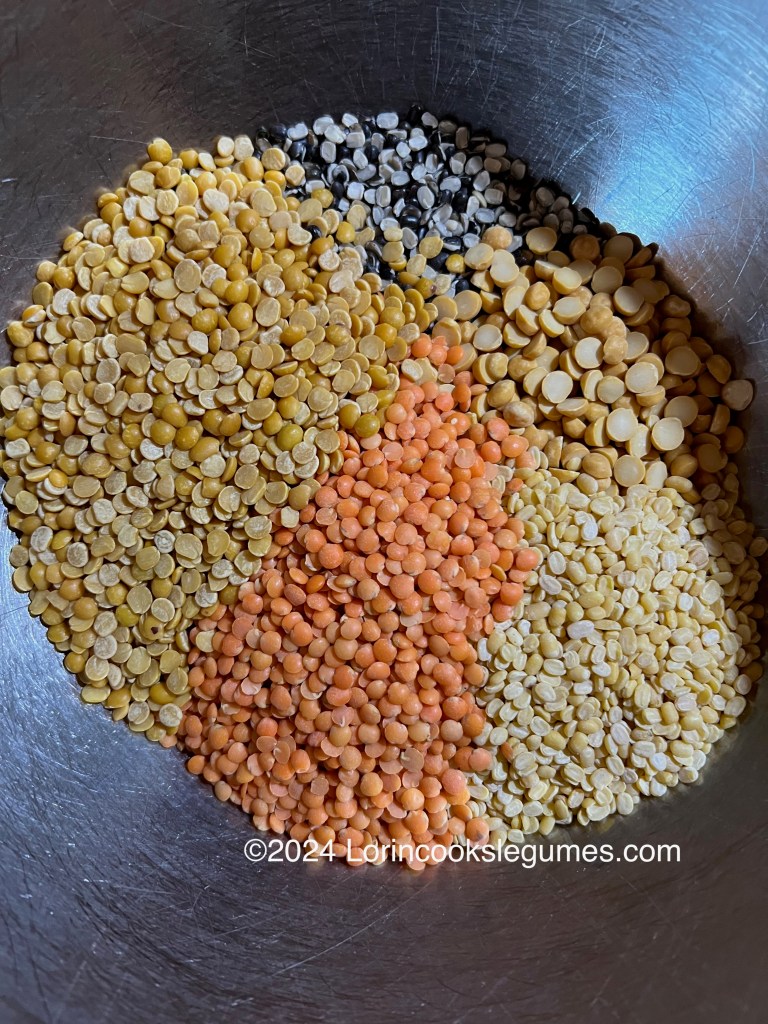
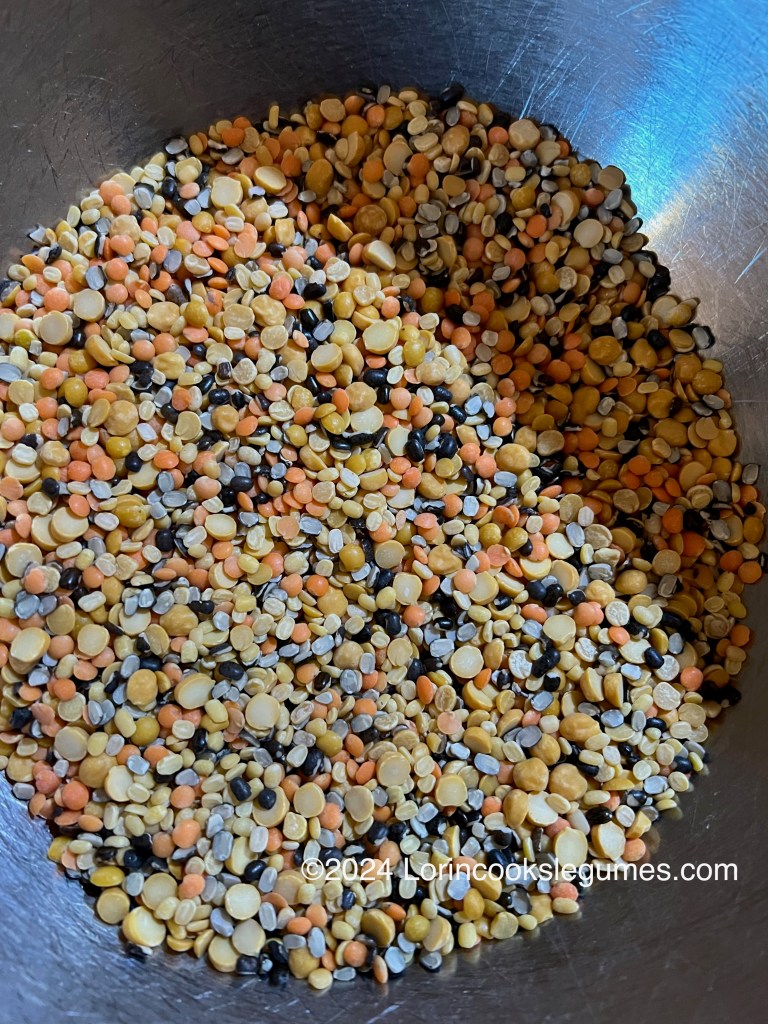


Cover with water and soak for 1 hour.





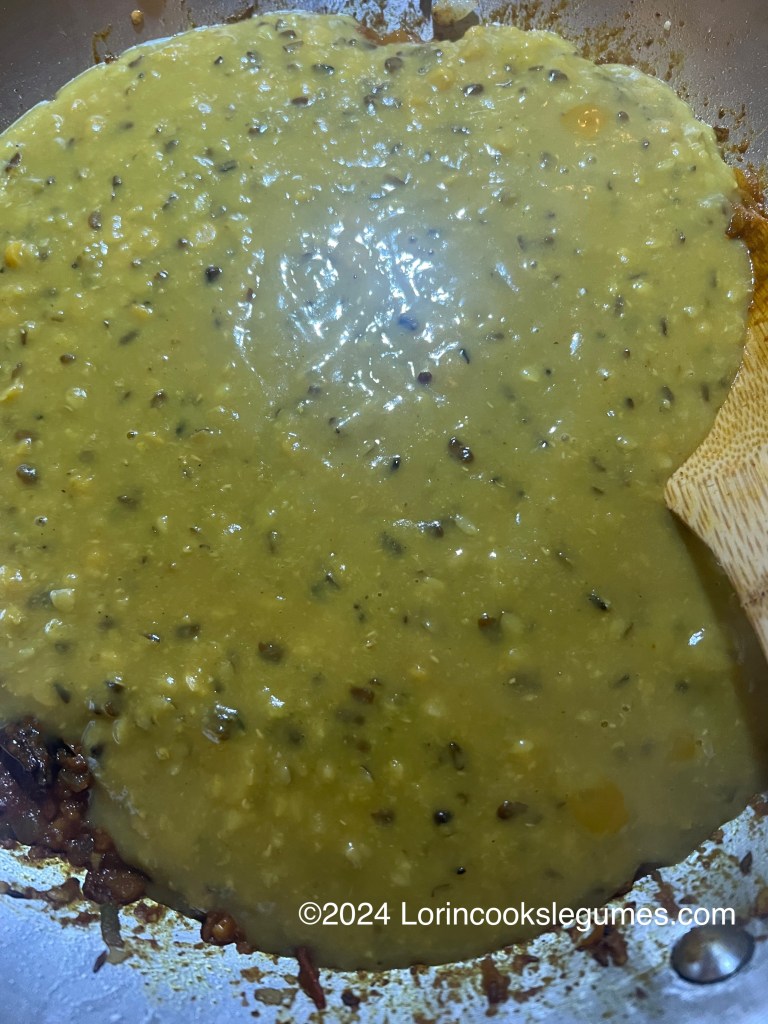


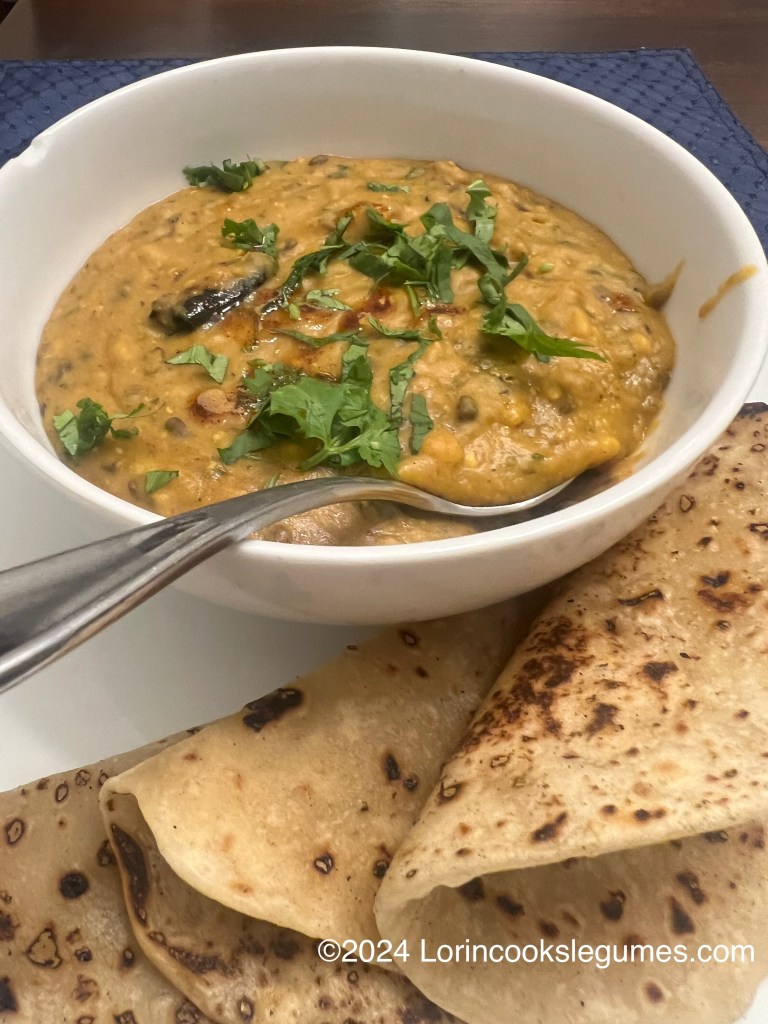
Panchratna Dal
Serves: 4
Prep: 15 minutes
Cook: ~ 1 hour.
Total: 1:15, plus soaking time.
(As an Amazon Associate I earn from qualifying purchases.)
¼ cup toor dal
¼ cup chana dal
¼ cup urad dal, with skins
¼ cup masoor dal
¼ cup split moong dal
OR
⅓ cup whole mung beans
2 ¾ cups water
⅜ teaspoon turmeric
¼ teaspoon salt
2 bay leaves
1 ¼ teaspoons ghee
2 Tablespoon ghee
OR
2 Tablespoons oil
1 teaspoon cumin seed
¼ teaspoon asafoetida
4 cloves
2 dried red chilies
1 bay leaf
1 onion, diced
2 green chilies, minced
1 Tablespoon minced ginger
AND
6 cloves garlic, minced
OR
2 teaspoons ginger garlic paste
1 ½ teaspoons coriander powder
¾ teaspoon turmeric
½ teaspoon salt
1 ⅛ teaspoon red chili powder
⅔ teaspoon ground cumin
1 large tomato, diced
⅜ teaspoon garam masala
1 ⅓ teaspoons kasuri methi
1 ½ Tablespoons cilantro
Scant ¼ cup ghee
1 teaspoon cumin seed
2 dried red chilies, broken in half and de-seeded
⅝ teaspoon red chili powder
Optional:
1 black cardamom pod
¼ cup whole urad dal, in place of split
4 ½ Tablespoons yogurt
1-2 green cardamom pods
Juice of ½ lime
Combine the five types of dal in a bowl and pick over them, removing any foreign objects or bad beans. Rinse in several changes of water, until water runs clear. Cover with cool water by at least an inch and leave to soak for an hour or so.
Drain the dal and place it in a pressure cooker, along with 2 ¾ cups water, ⅜ teaspoon turmeric, ¼ teaspoon salt, 2 bay leaves, and 1 ¼ teaspoons of ghee. Seal the lid and bring the cooker up to pressure. Cook for 8-10 minutes on high pressure, then allow the pressure to release naturally. When safe to do so, open the pressure cooker and check your dal. It should be thoroughly cooked, but still retain some individual grains. If necessary, add a little hot water to achieve a medium-thick consistency.
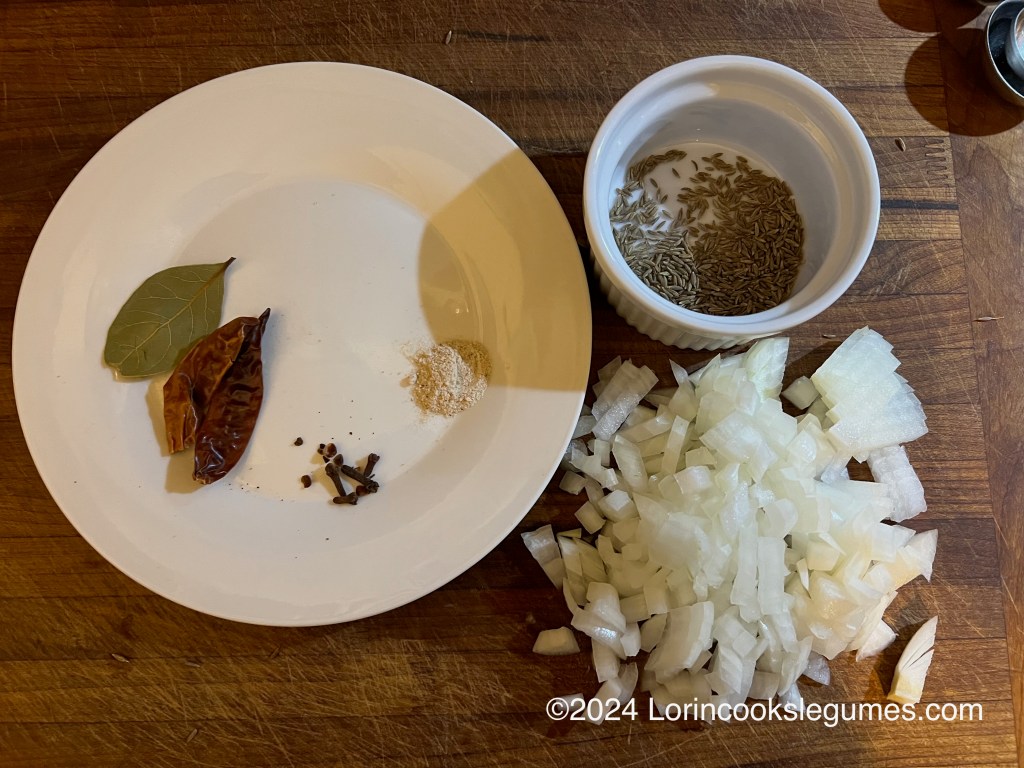
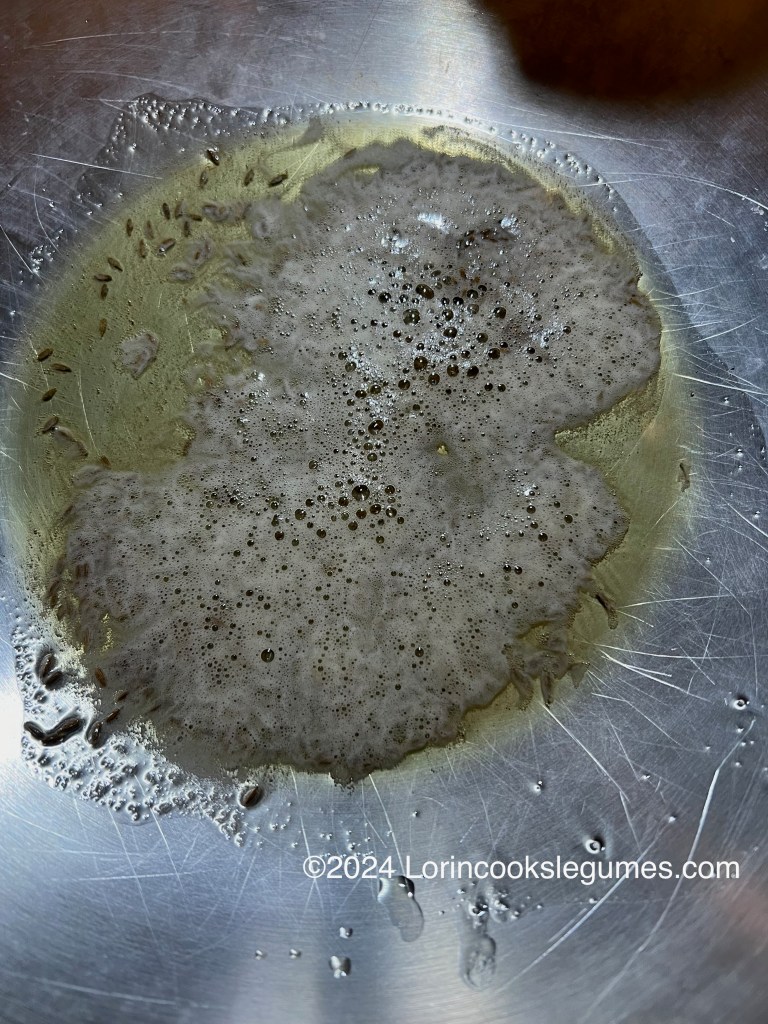
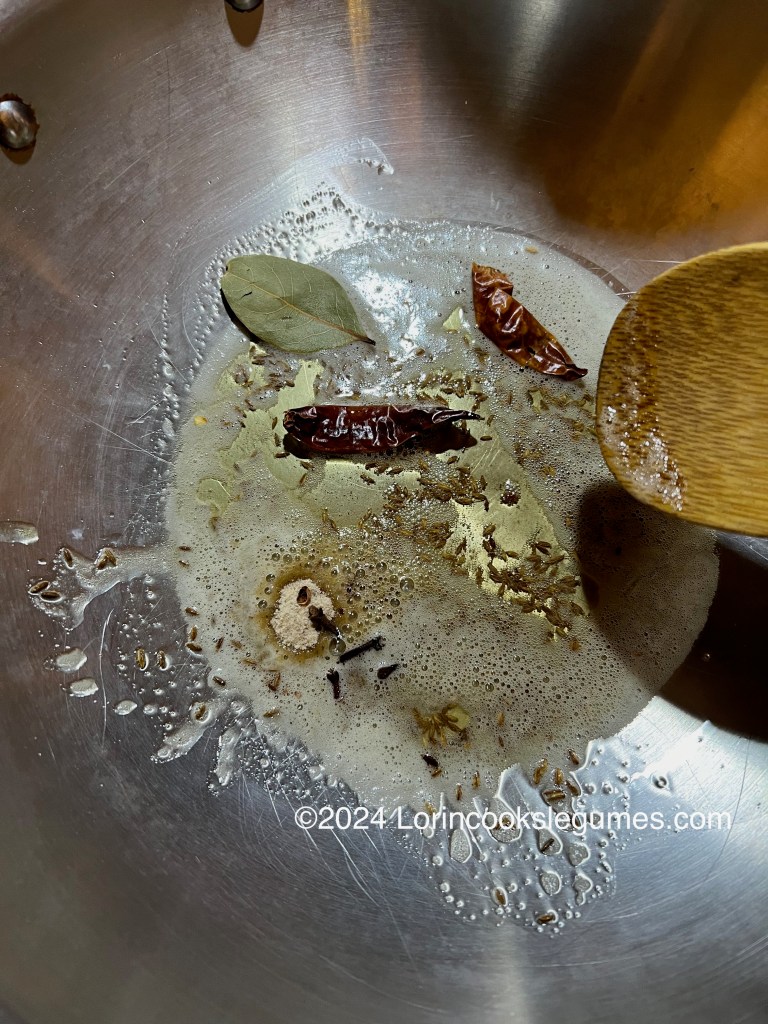
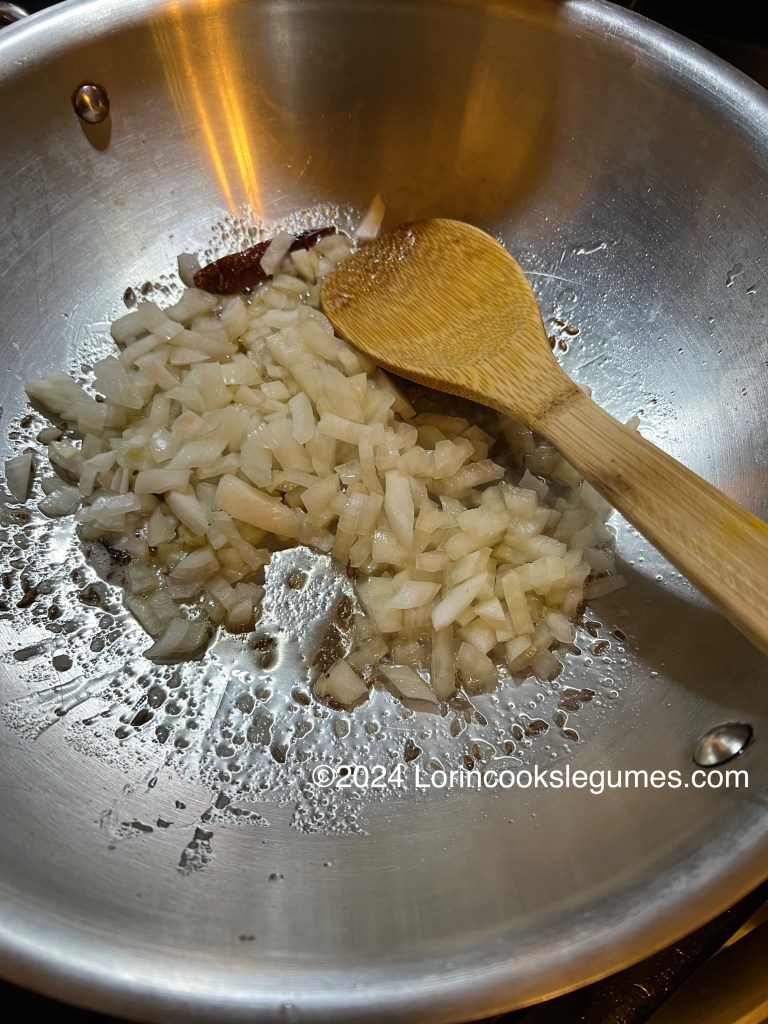
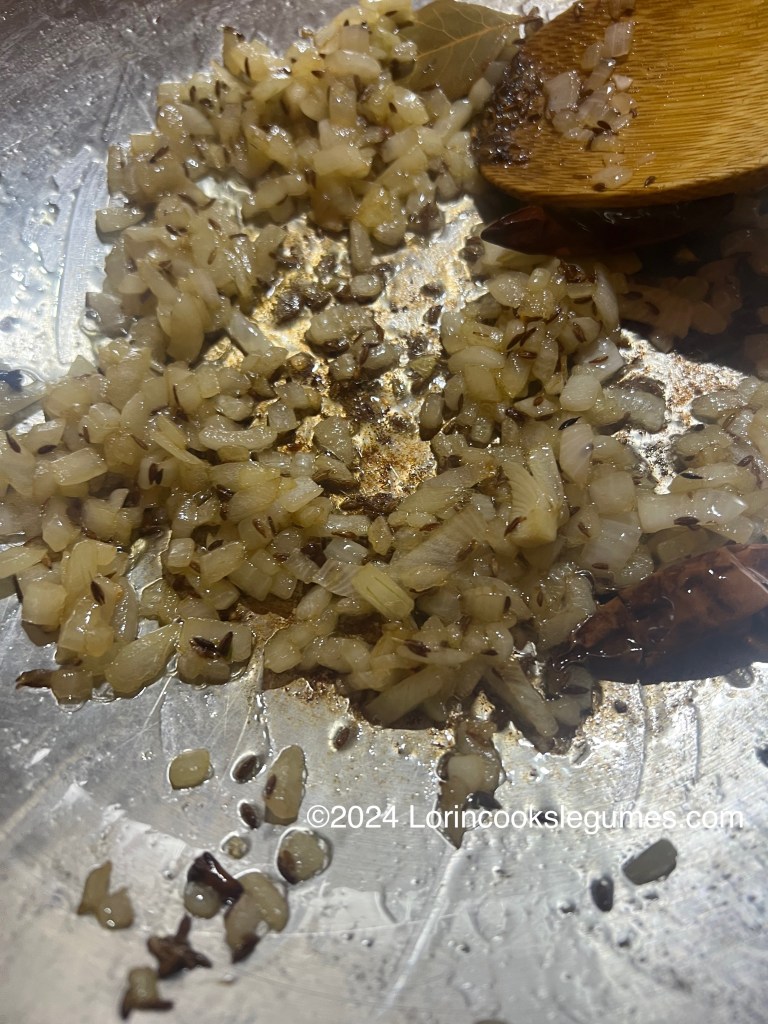
Heat 2 Tablespoons of ghee or oil in a frying pan or heavy-bottomed pot. Add 1 teaspoon cumin seeds and cook until they sputter. Immediately add asafoetida, cloves, 2 dried red chilies, and 1 bay leaf. Cook for 30 seconds or so, until fragrant. Add the onion and fry until golden, 5-8 minutes.
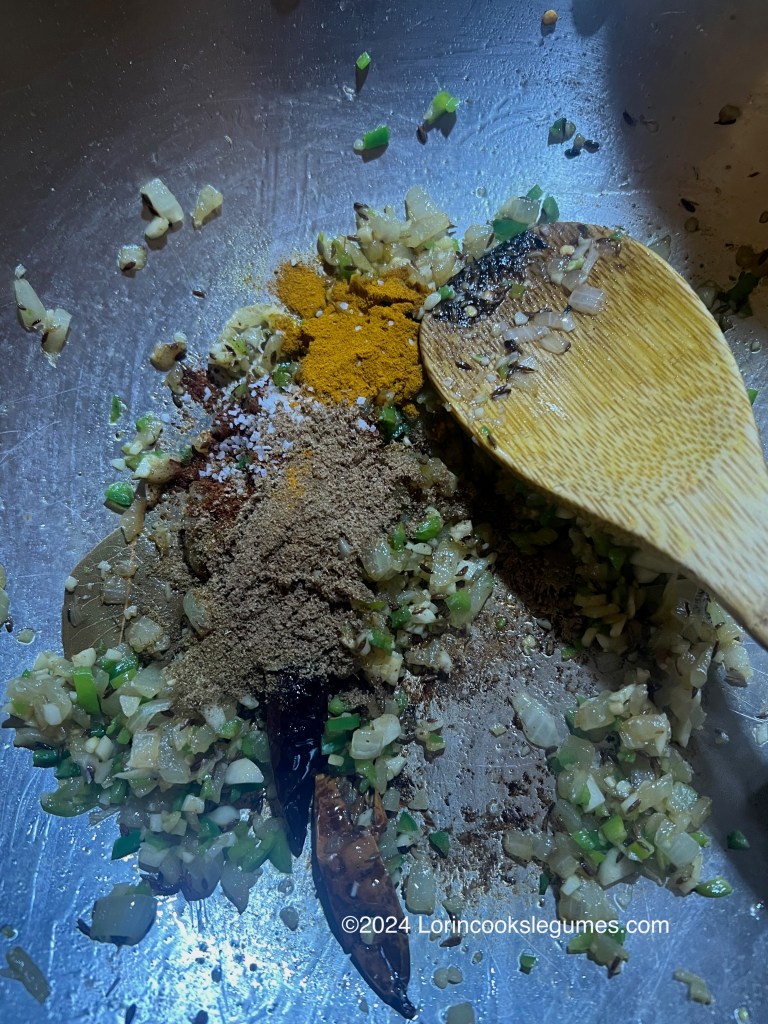
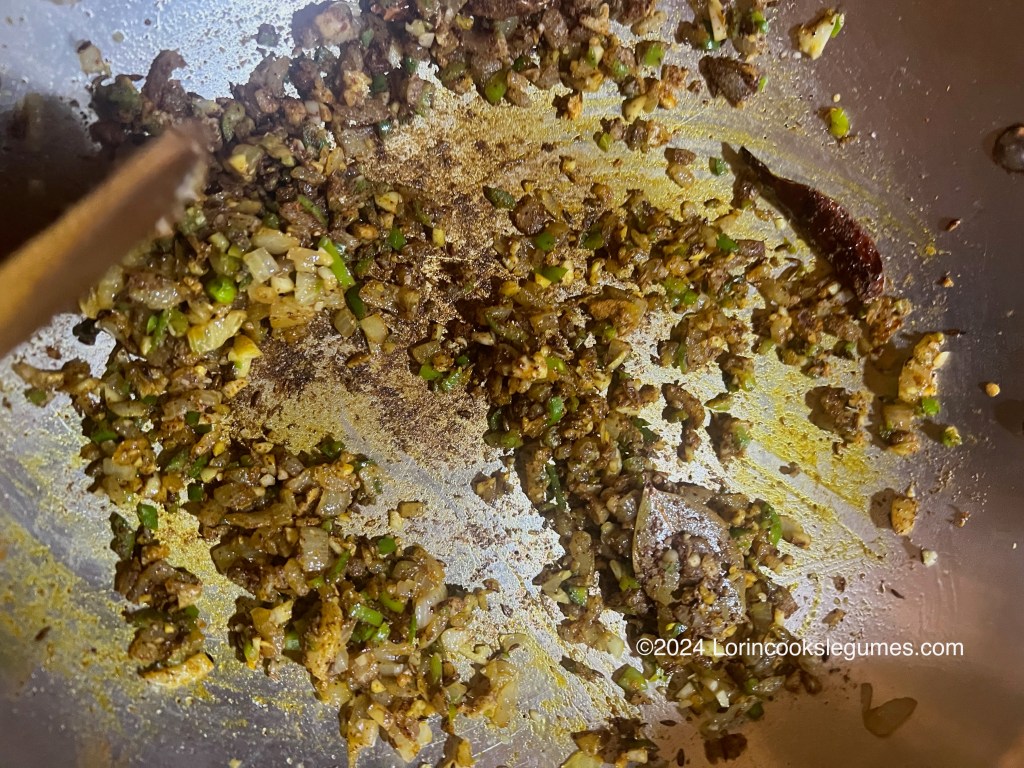
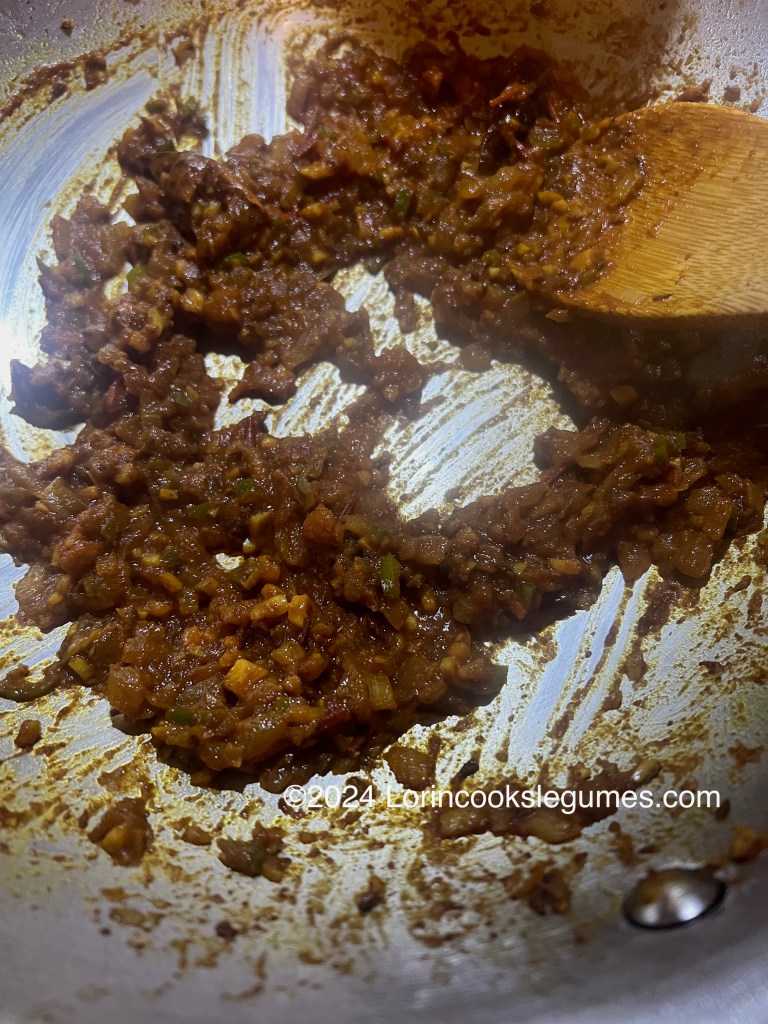
Add green chilies, ginger and garlic. Cook, stirring, until the raw smell dissipates, 1-2 minutes. Add coriander powder, ¾ teaspoon turmeric, ½ teaspoon salt, 1 ⅛ teaspoon red chili powder, and ground cumin. Cook for 1-2 minutes, stirring constantly to prevent the spices from burning. Add the tomato and cook until the liquid has evaporated and oil starts to separate from the mixture. Stir in the cooked dal and simmer for 10 minutes or so, stirring occasionally.
Add the garam masala. Crush the kasuri methi between your hands and add it, along with the cilantro. Mix well and simmer for another 5 minutes. Remove from heat and taste for salt. Transfer to a serving bowl.
Make a tadka: Heat ¼ cup of ghee in a small pan. When it is hot, add 1 teaspoon of cumin seed, and 2 dried red chilies. Cook until the cumin sputters and the chilies change color, 30 seconds or so. Remove from heat and stir in ⅝ teaspoon red chili powder. Pour over the dal and roughly mix it in, allowing some of the oil to remain on the surface for visual appeal.
Garnish with more cilantro if desired, and serve with Roti or rice.
*As an Amazon Associate I earn from qualifying Amazon purchases.
I receive no compensation for mentioning any other websites or product.
 Lorin cooks Legumes
One Comment Add yours