
Asopao de marisco is second popular after asopao de pollo. It includes clams, shrimp, squid, octopus, fish, lobster, crab, scallops, and mussels.
https://en.wikipedia.org/wiki/Asopao
I’ve spent some fairly ridiculous amounts of money to obtain some of the more obscure ingredients for several recipes on this blog, but I’m pretty sure this one takes the prize for the most expensive. Seafood isn’t cheap here in the middle of the continent.
Although Wikipedia claims that asopao de mariscos, containing an impressive list of different kinds of seafood, is the second most popular version of aspao in Puerto Rico, I suspect that version is primarily served in restaurants or on special occasions. Even though I searched for asopao de mariscos recipes, most of the Google search results came back as asopao de camarones (shrimp), and the couple recipes that did include other seafood were from big-name Food Network chefs, not exactly sources I suspect represent the dishes served in average Puerto Rican households. That said, since I already have an asopao de camarones recipe on the blog, I included the handful of recipes that did include other seafood in my calculations and came up with this recipe.
If you haven’t been following my journey over the last few months, what is asopao? It’s a kind of soup or stew made with rice and some sort of protein (most often chicken or shrimp) that’s popular across the Caribbean.
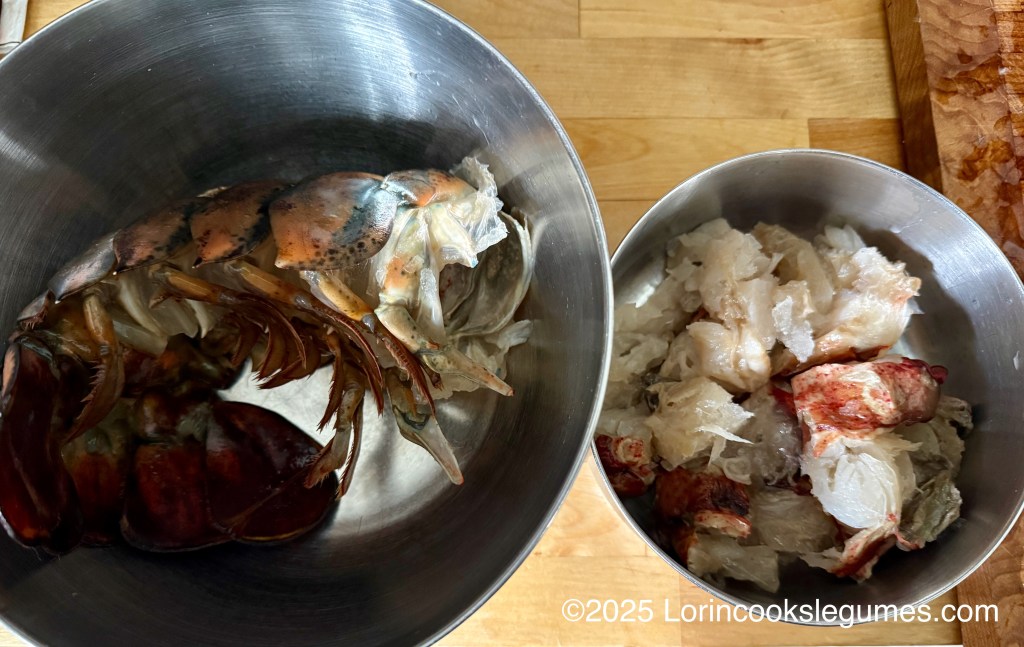
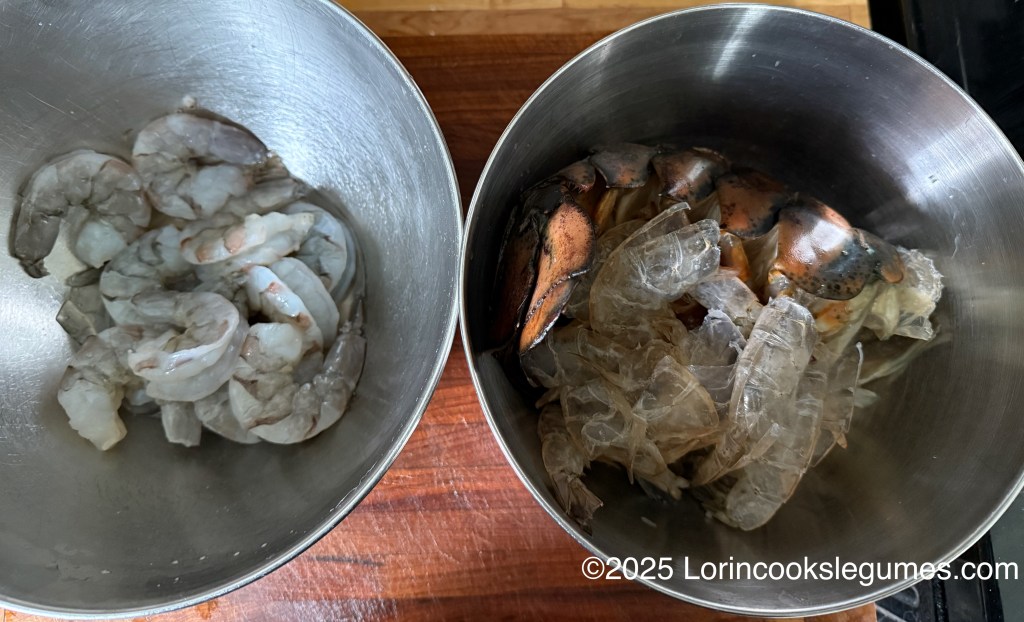
I started by cleaning my shrimp and lobster. In an ideal world, these would be fresh with the heads still on, but this is Duluth, Minnesota, and the best I could do was frozen, shell-on shrimp and lobster tails. I got the largest lobster tail I could find, about 1 ½ pounds. It was quite the monster. I even broke my kitchen shears trying to cut through its belly scales (which is how I was taught to open lobster tails when I worked in the restaurant).
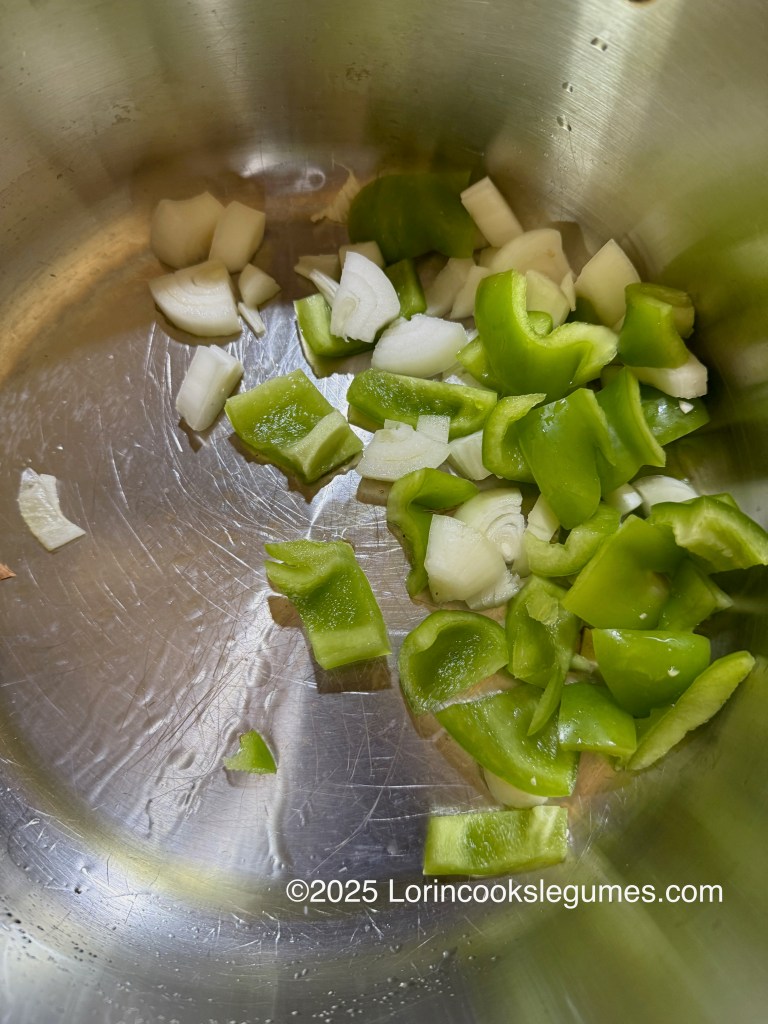
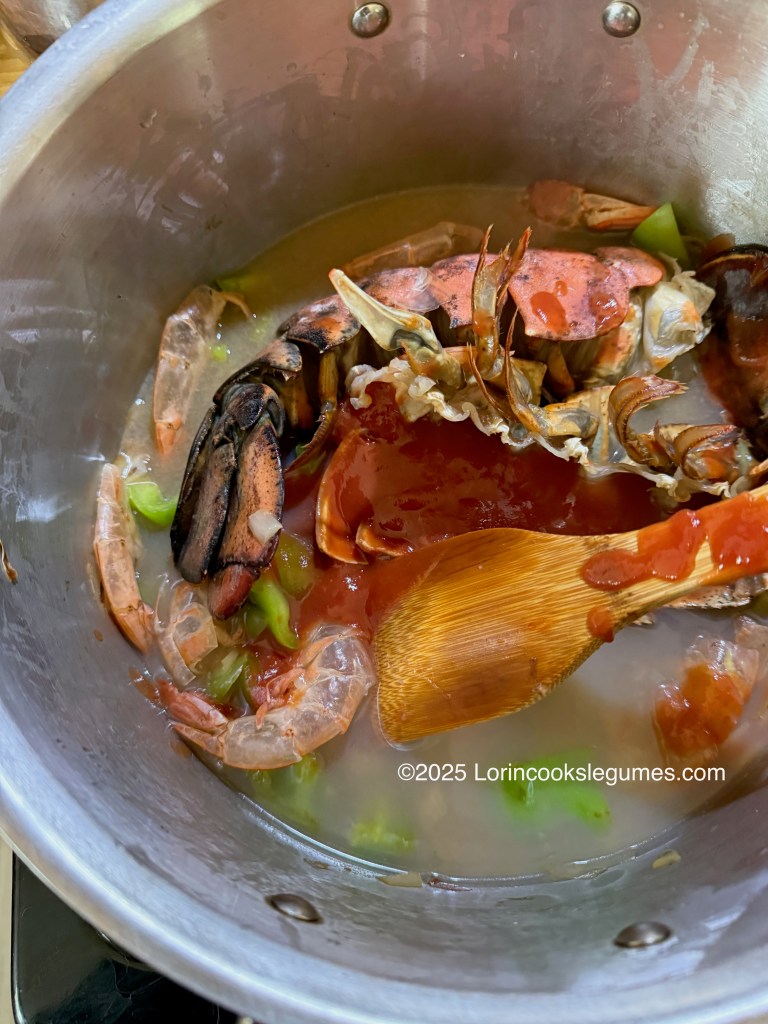
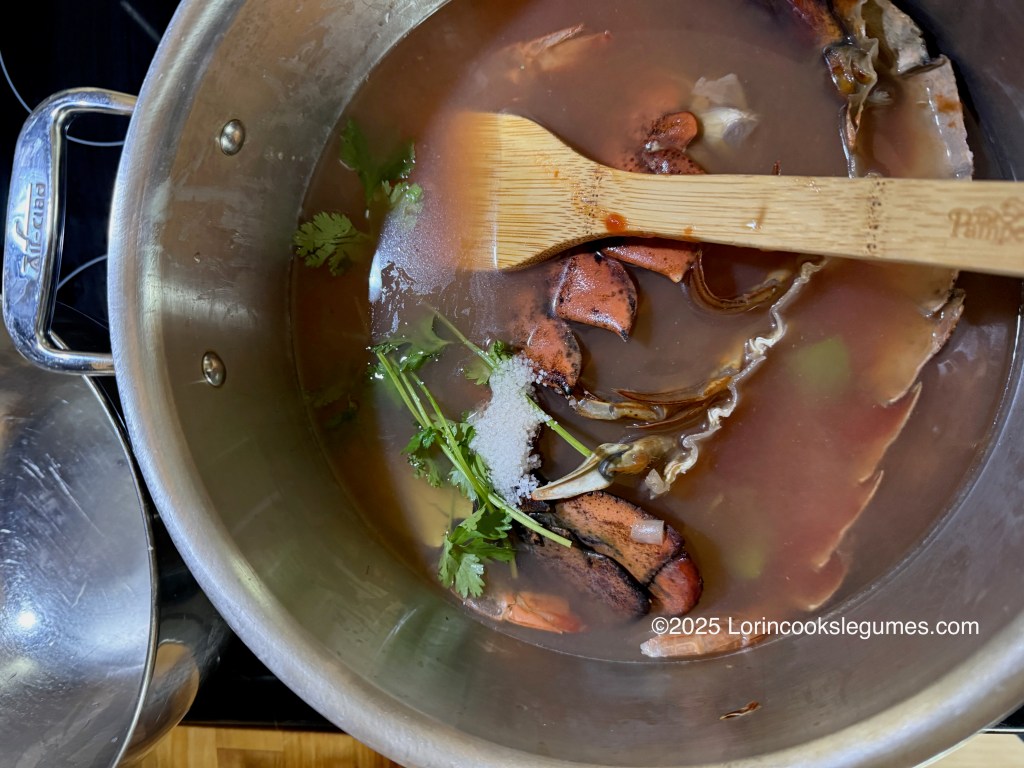
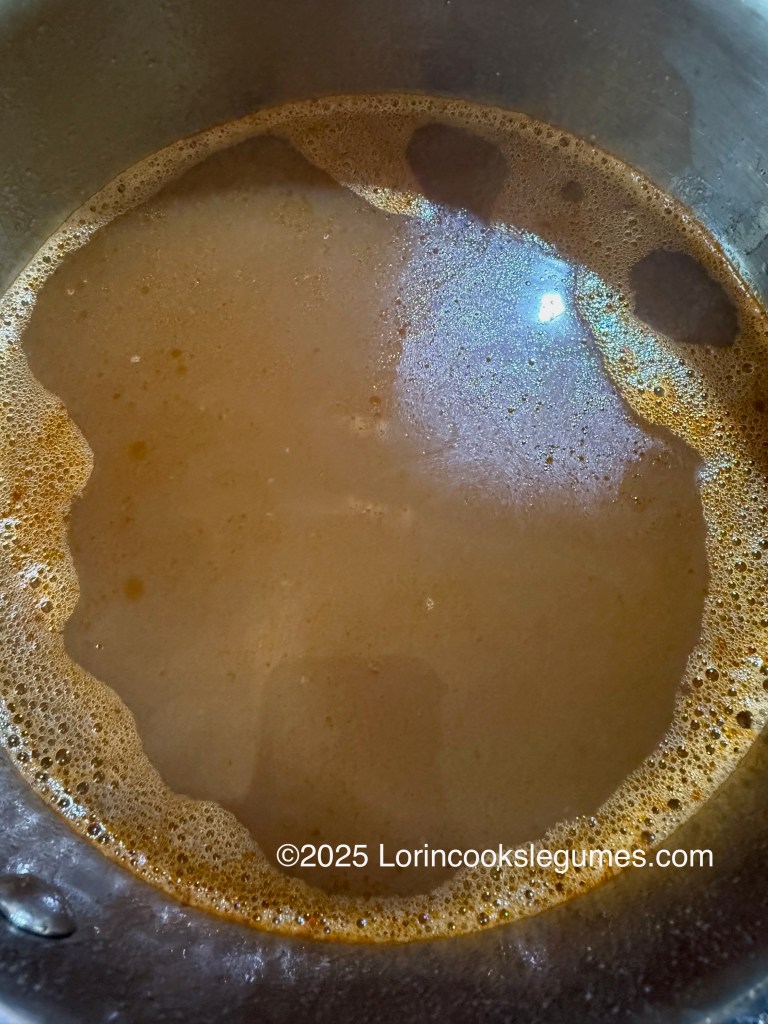
Once I had the shells removed from the lobster and shrimp I used them to make a stock to provide lots of flavor to the finished dish. I sautéed some onions and pepper, added garlic and the shells, deglazed it with white wine, then added tomato sauce, clam juice, and water, and let it simmer for a couple hours.
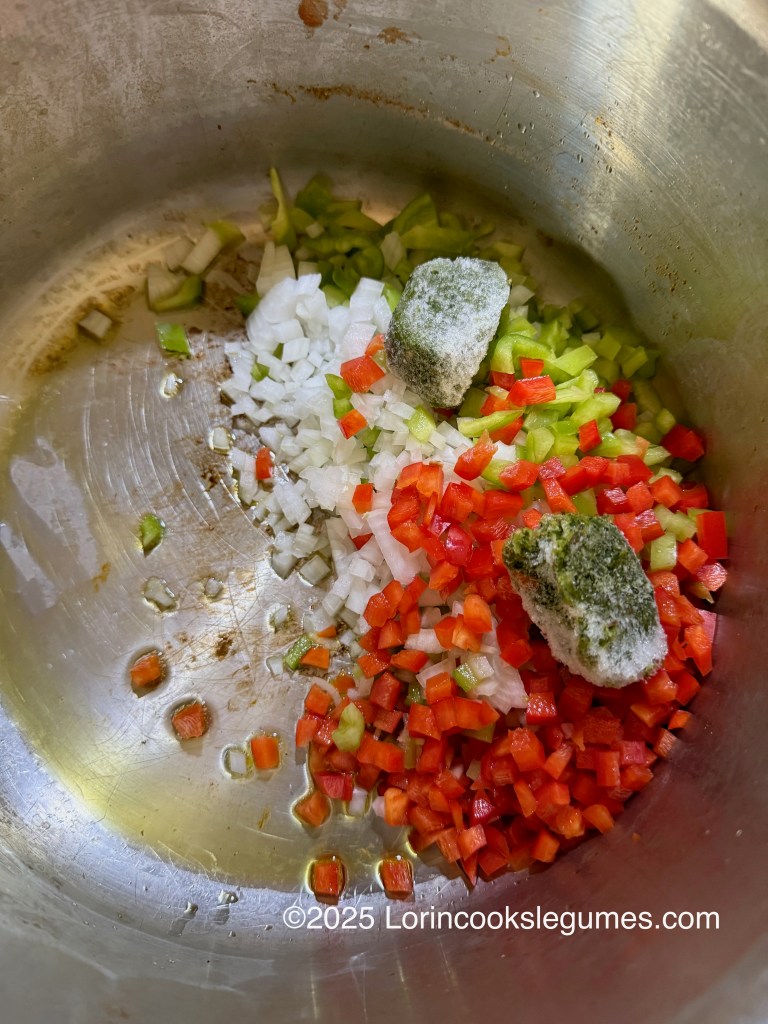
The asopao itself comes together pretty quickly. Its base is the same suspects we’ve seen in other asopao recipes: onions and peppers, sofrito, sazon, and adobo seasonings… and of course the rice.
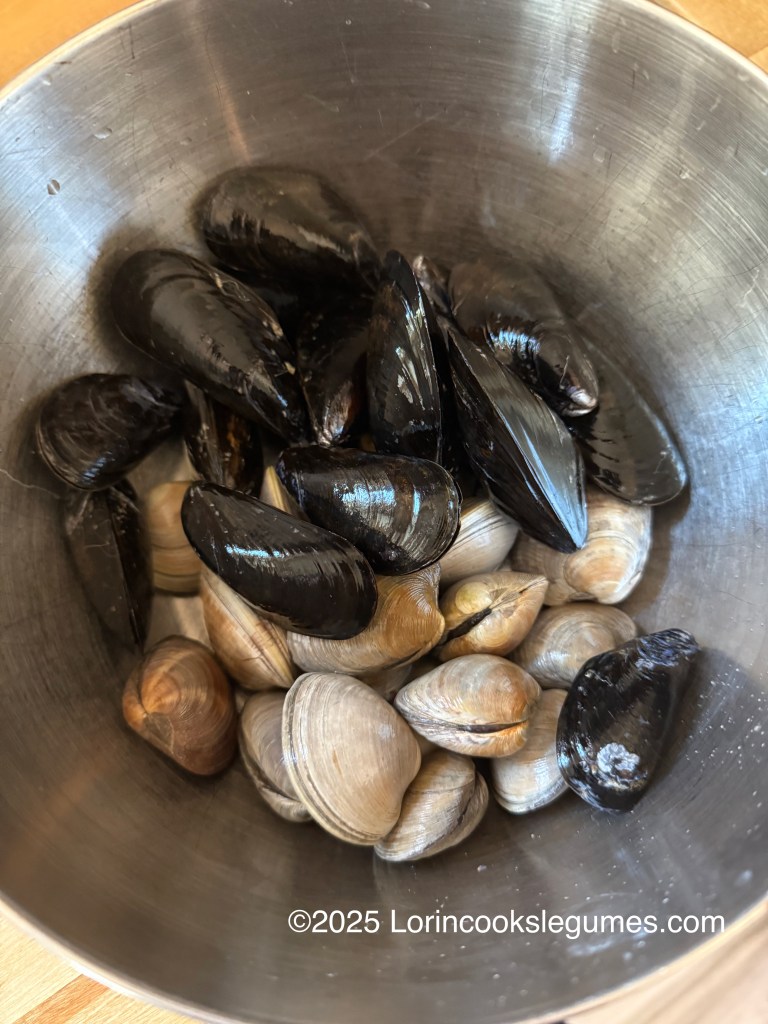
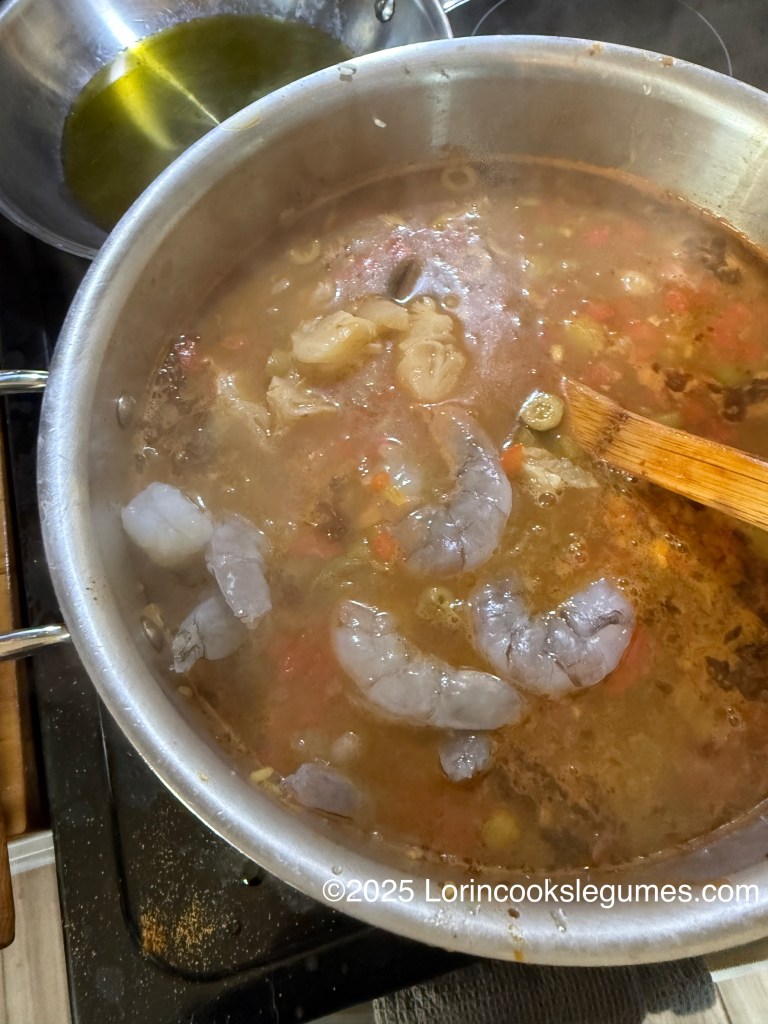
I added my clams and mussels with the rice, but if I were to make this again (which isn’t happening anytime soon… my wallet needs to recover first) I’d probably let the rice cook for about 10 minutes first because, by the time my rice was cooked, the clams were well done and had all fallen out of their shells, they didn’t really need a full 15 minutes to cook, especially given that, as originally written, I added the shrimp and lobster once the rice was tender, and then continued to cook it for another 8 minutes or so. In retrospect, I should know better, but for some reason, I didn’t turn the heat down and so all the seafood got a good, violent, boiling, which sure isn’t the best way to have nice, tender, shrimp or lobster. I think that you could probably get away with just adding the shrimp, lobster, and scallops once the rice is cooked, and turn off the flame, letting carryover heat cook the seafood. At the very least, make sure you turn the heat down to barely simmering.
I actually departed from my own recipe for how I treated the scallops. I have a history of scallops not agreeing with my stomach. I’ve only eaten them a few times in my life, and the first time I threw up an hour or so later. I haven’t thrown up from them since, but my stomach does let me know that it isn’t quite sure how to digest them. It had been close to a decade since I last tried scallops, so I figured I’d give it a go again, but didn’t want to contaminate the whole dish if they still caused problems, so I seared them separately and added them to my bowl when I served it. I’m glad I did, because, while it wasn’t as extreme as I recall it being in the past, I definitely had an upset stomach again. This way I only had to throw out a few ounces of scallops, rather than the whole pot with $150 worth of seafood in it.
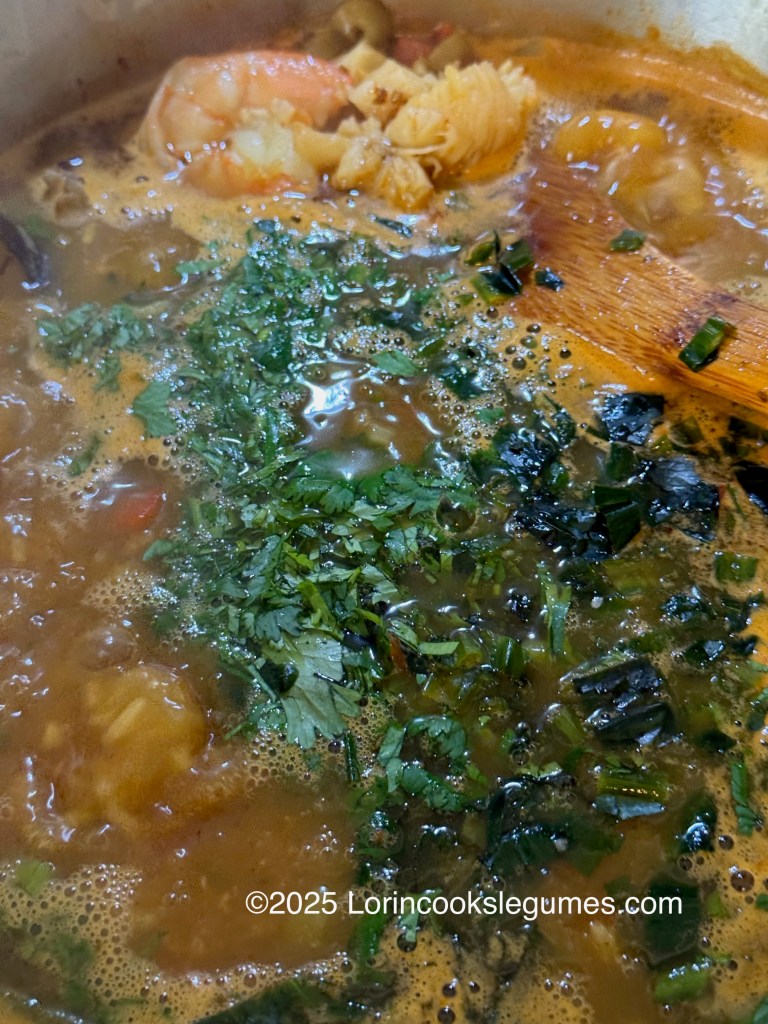
Culantro is a popular herb in the Caribbean, with a flavor much like cilantro. I bought several bunches for an earlier recipe and tried freezing some of it, following a method one of the vlogs I hadwatched to create that recipe had suggested. Given that it was being added to hot stew I figured that would be fine, but I don’t think the flavor really came through the way I would have expected it to with fresh herbs. Maybe for a recipe where I add it and let it simmer for a while it would be fine, but I don’t know that adding it at the end really worked.
You’ll notice in my photos that my recipe came out pretty soupy. I liked it that way, but I think it would traditionally be quite a bit thicker. If you would like it thicker, try starting with just the stock, then add more water as needed to reach your desired consistency.
I served the asopao with avocado, lime, and tostones. Tostones are twice-fried green plantains. I went to two different grocery stores looking for green plantains with no luck. The second store didn’t even have any ripe ones, so I wound up buying green bananas, which turned out to be yet another bad decision. They sort of worked, but had a pretty pronounced banana flavor, and behaved a little differently in the oil than plantains do.
Even with overcooked seafood, upset stomach from the scallops, and a couple other minor issues, this is a pretty delicious recipe and I’d love to come back to it and try to do it again without screwing things up. But it’ll probably be a while.







Asopao de Mariscos
Serves: 6
Prep: ~30 minutes for seafood and stock, ~15 minutes for asopao
Cook: 1-2 hours for stock, ~45 minutes for asopao
Total: 2:30-3:30
(As an Amazon Associate I earn from qualifying purchases.)
16 oz large shrimp, with shells
1 large lobster (~2 lb)
Stock:
½ Tablespoon olive oil
1/2c large onion, roughly chopped
1 medium green bell pepper, roughly chopped
4 cloves garlic, crushed
Shrimp shells
Lobster heads and shells
¾ cup white wine
2 ⅔ cups clam juice
¾ cup tomato sauce
6 cups water
1 small bay leaf
3 sprigs cilantro
¾ Tablespoon salt
Asopao:
1 cup rice
1 Tablespoon olive oil
1 small onion, diced
1 small green bell pepper, diced
1 medium red bell pepper, diced
¼ cup sofrito
4 cloves garlic, minced
½ cup tomato sauce
OR
1 ¼ Tablespoons tomato paste
½ teaspoon salt
⅛ teaspoon black pepper
1 ½ teaspoons Sazon (about 1 packet)
1 teaspoon oregano
2 bay leaves
1 pinch saffron
1 teaspoon ground cumin
1 teaspoon adobo seasoning
5 ½ cups water
6 Tablespoons pimento-stuffed green olives, sliced
18 little neck clams
18 mussels
6 oz. scallops
¼ cup cilantro, chopped
⅓ bunch culantro, chopped
1 teaspoon cilantro, minced (garnish)
Tostones
Avocado
1 lime, cut in wedges
Optional:
1 ½ oz. ham
½ can pigeon peas
4 cups seafood stock, in place of fresh-made
1 ½ Tablespoons capers
¼ red bell pepper, in the stock
2 Tablespoons sofrito, in the stock
1-2 sprigs of thyme, in the stock
2 medium tomatoes, diced
1 small yellow bell pepper, diced
Stock:
Peel and clean the shrimp, reserving the shells. Remove the lobster from its shell, reserving the head and shells, and chop the meat into bite-sized pieces. Refrigerate the shrimp and lobster meat.
Heat ½ Tablespoon olive oil in a large pot and sauté roughly chopped onion and bell pepper for about 5 minutes, until onion is translucent.
Add 4 cloves of crushed garlic and the shrimp and lobster shells. Cook, stirring, for about 2 minutes, until the shells turn redish.
Deglaze with white wine and cook until the wine has reduced by half.
Add clam juice, ¾ cup tomato sauce, 6 cups water, 1 bay leaf, 3 sprigs cilantro, and ¾ Tablespoon salt. Bring to a boil, reduce heat, and simmer, covered for 1-2 hours. Remove from heat and allow to cool slightly, then strain into another pot. Keep warm while you prepare the asopao.
Asopao:
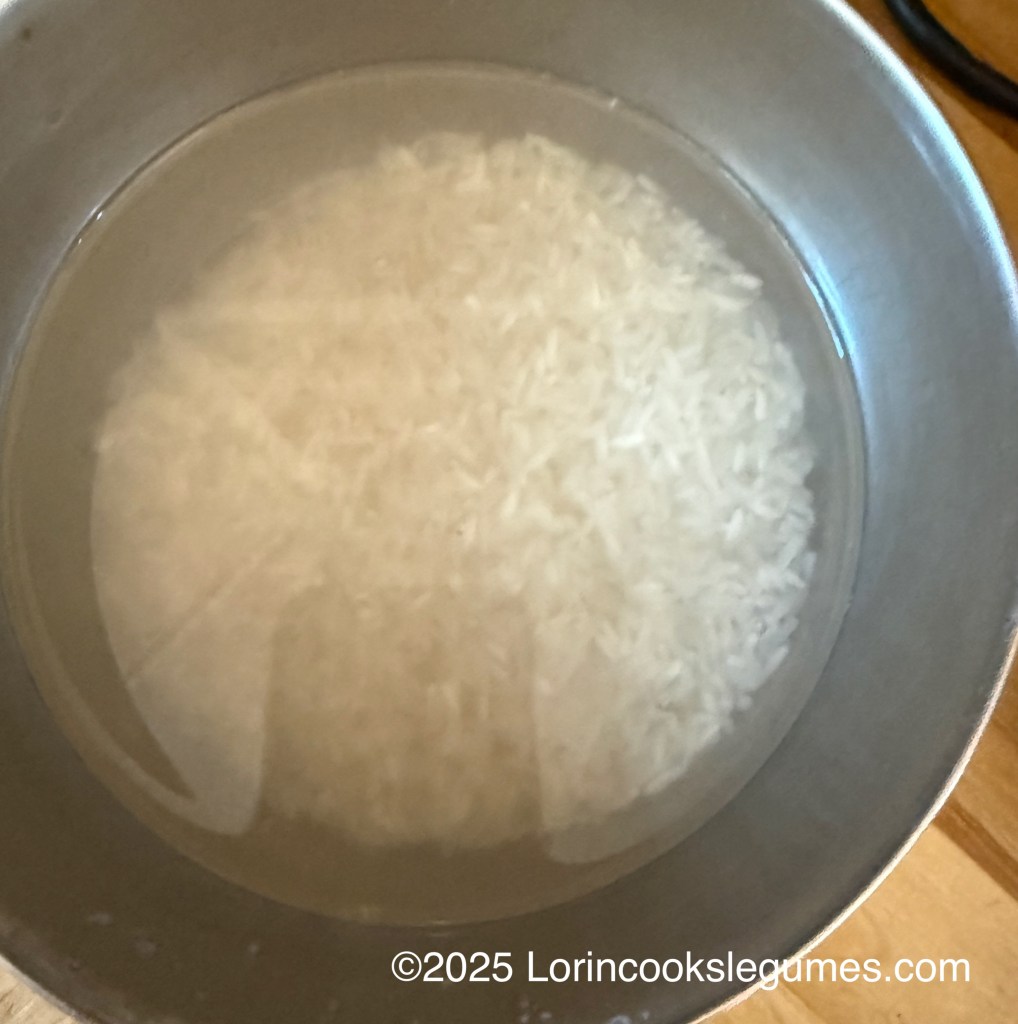
Rinse your rice in several changes of water until the water runs clear. Cover with cool water and allow to soak while you proceed with the recipe.
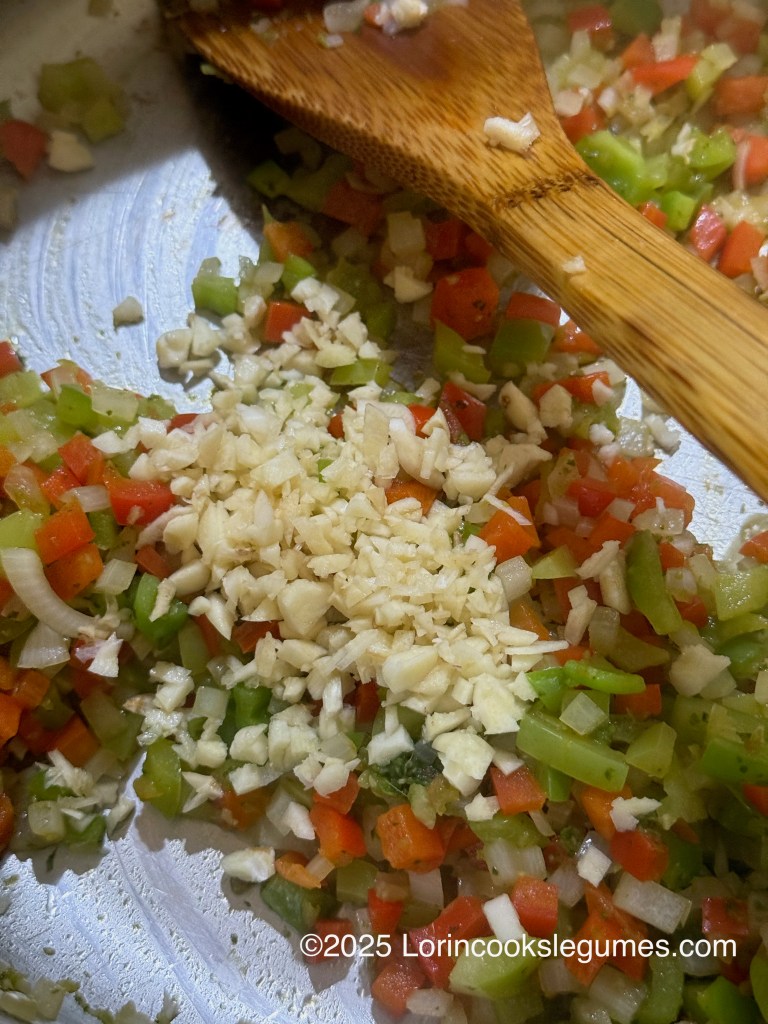
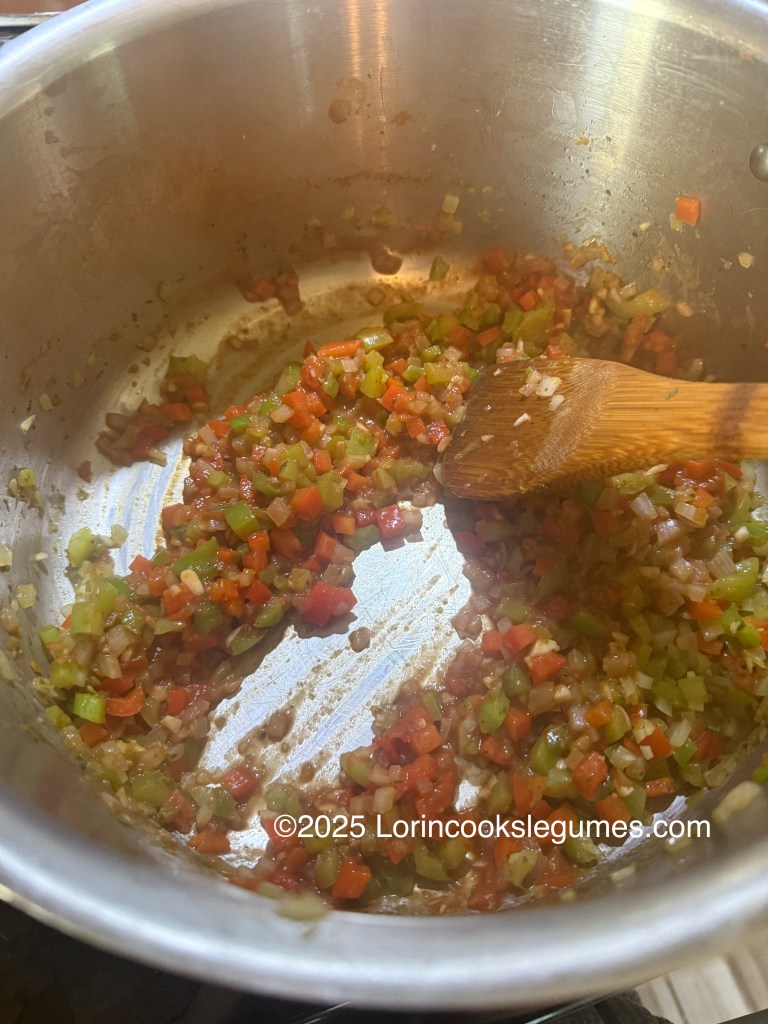
Heat 1 Tablespoon of olive oil in a large, heavy-bottomed pot over medium heat. Sauté the diced onion, peppers, and sofrito until the onion is translucent, about 5 minutes.
Add minced garlic and cook for another minute. Add ½ cup tomato sauce and mix well, then add ½ teaspoon salt, black pepper, sazon, oregano, 2 bay leaves, saffron, cumin, and adobo. Mix well and cook for another minute or two.
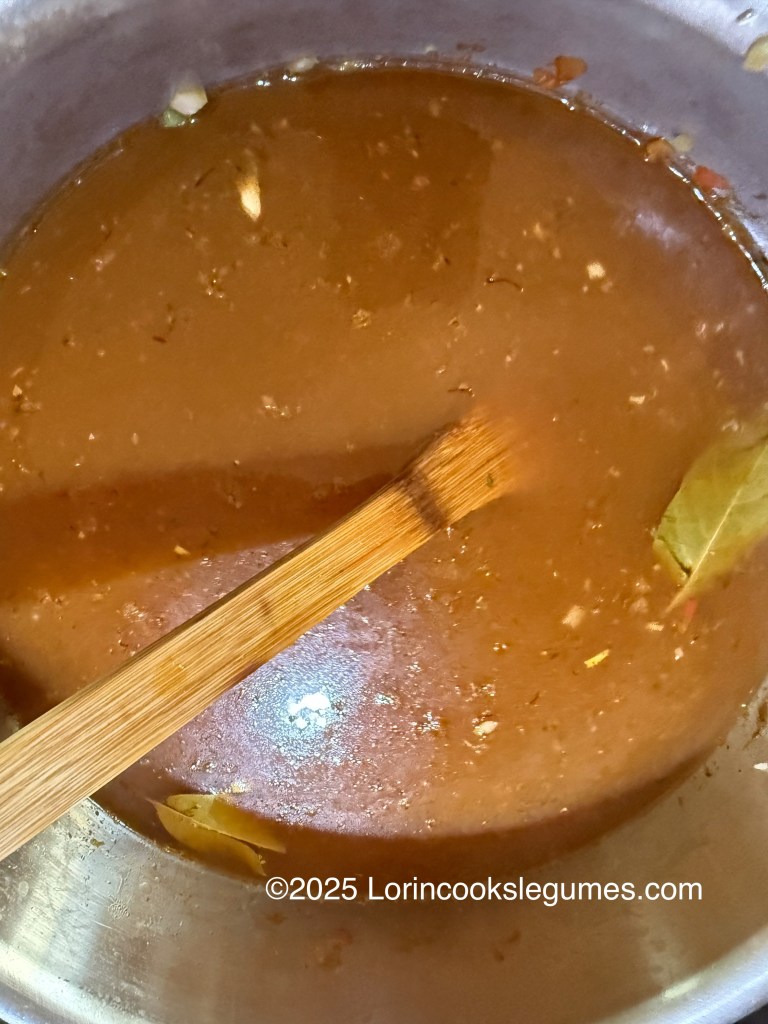
Add 5 ½ cups water and the warm stock and bring to a boil.
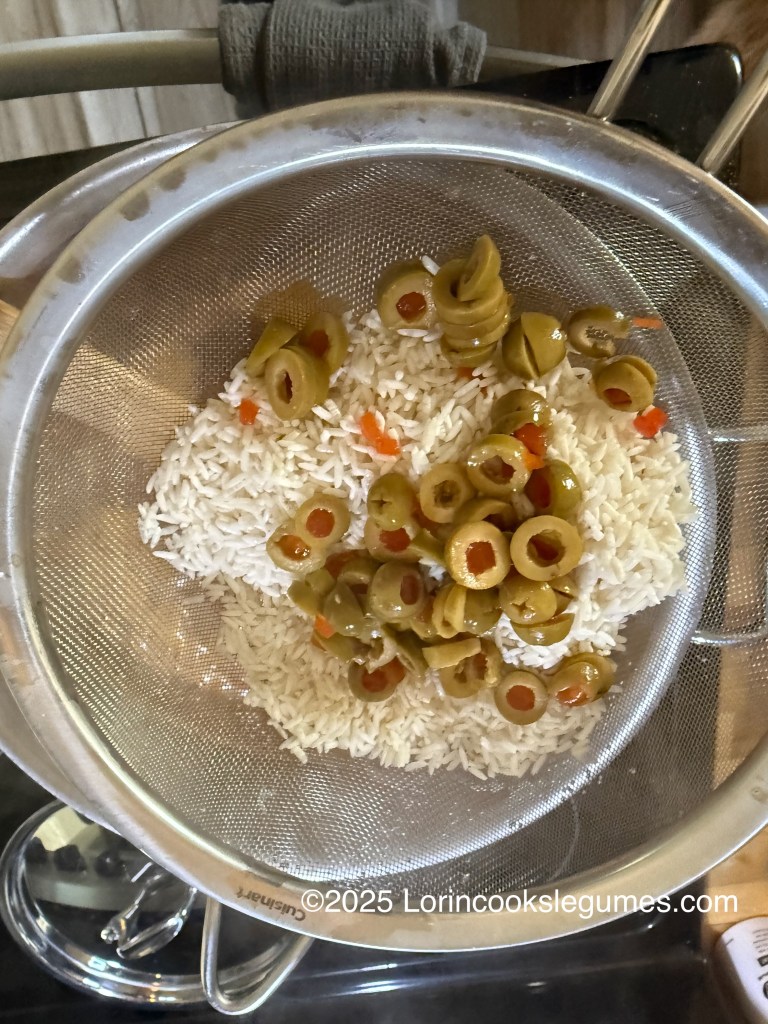
Drain the rice and add it, along with the olives, clams, and mussels. Reduce heat, and cook, covered, covered, until rice is tender, 15-20 minutes.
Turn off the heat and add scallops, shrimp and lobster. Allow carryover heat to cook the seafood for another 8 minutes or so.
Add ¼ cup cilantro and culantro, and mix well.
Garnish with cilantro and serve with tostones, sliced avocado, and lime wedges.
 Lorin cooks Legumes